

Georgian Porcelain Cup
A georgian porcelain cup brings the refined skill of eighteenth and nineteenth century kilns directly to the modern table.
Georgian Porcelain Cup
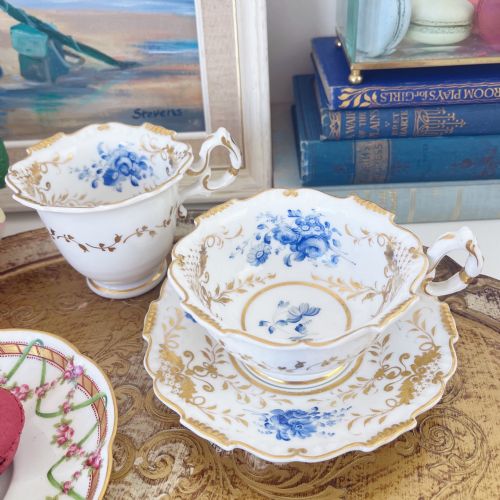
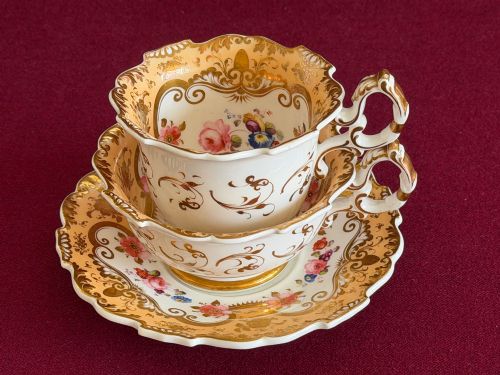
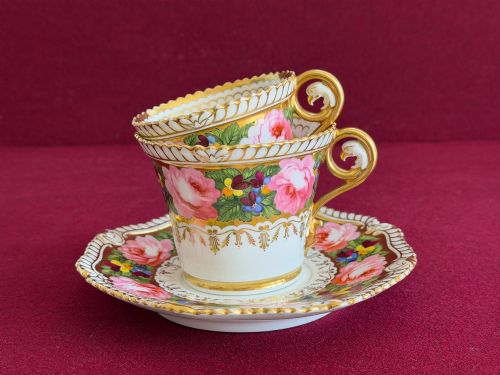
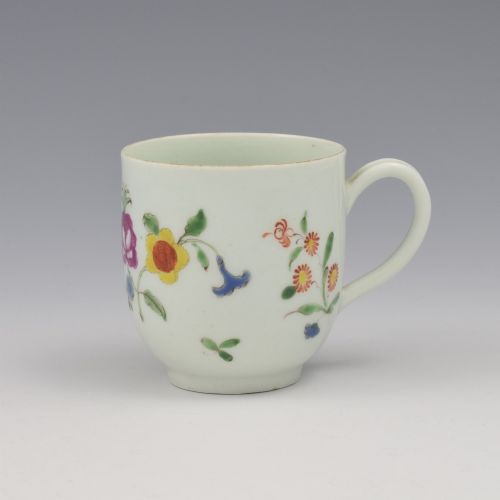
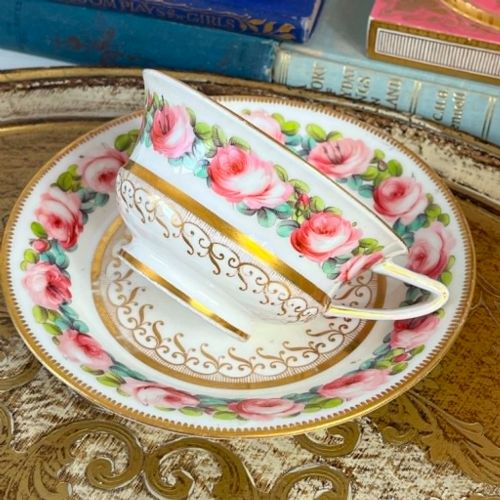
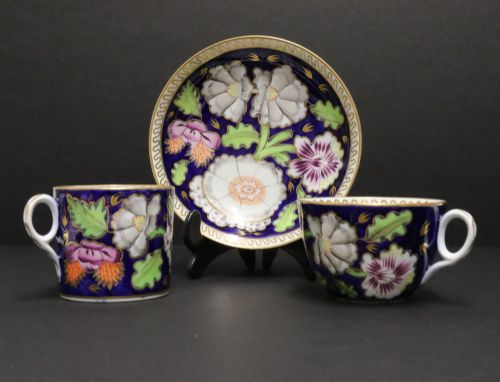
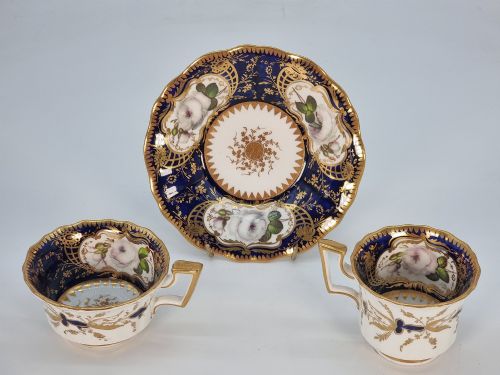
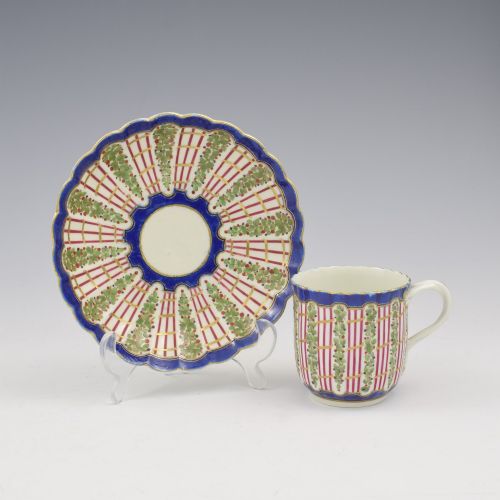
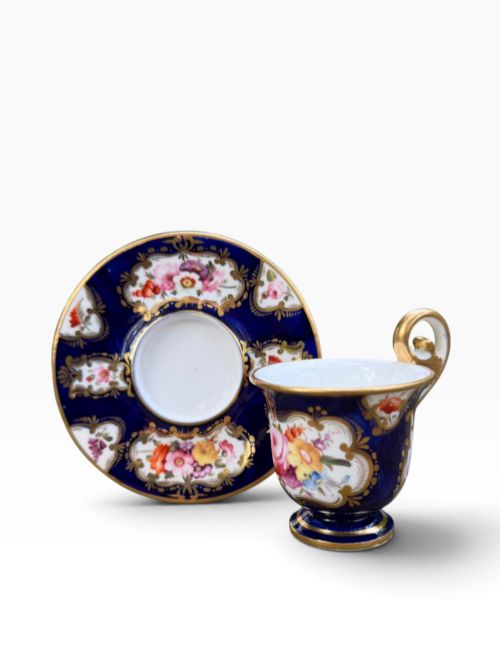
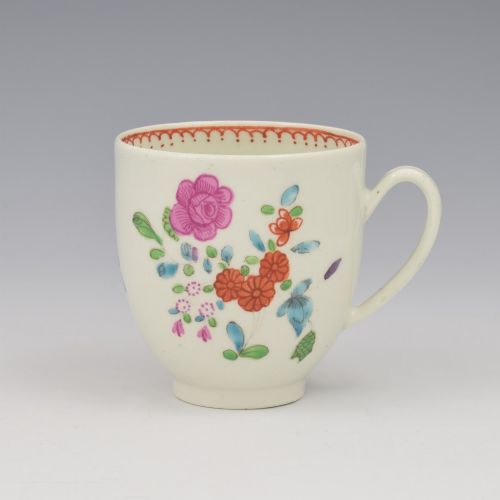
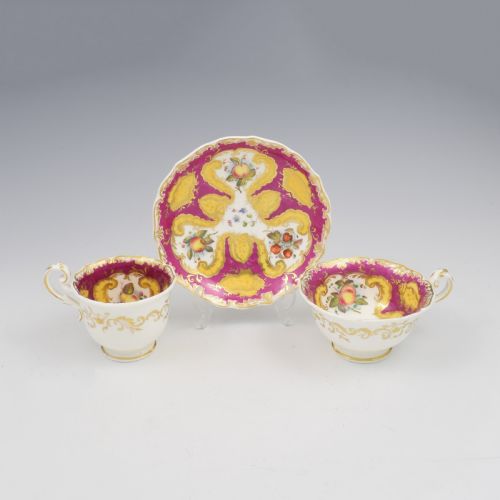
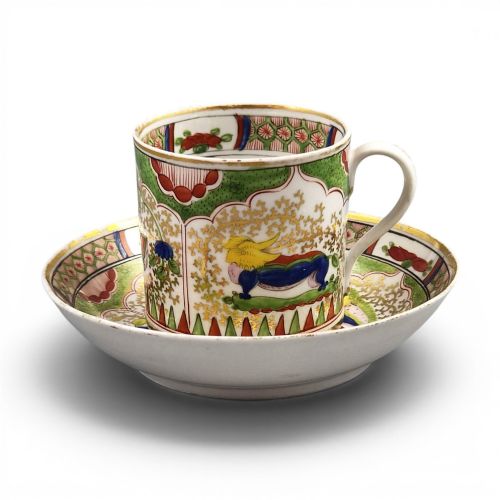
A georgian porcelain cup encompasses delicate teacups, coffee cans, chocolate cups, and tea bowls, frequently paired with matching saucers or formed into trios. These pieces emerge from the eighteenth and nineteenth centuries, spanning the Georgian and Regency periods alongside the 1850 era.
Collectors most commonly encounter wares originating from major English factories such as Worcester, Coalport, and Derby. Forms range from fluted coffee cups to handleless tea bowls and specialised drinking vessels like porter mugs and lemonade beakers.
Materials and production
Potters utilised soft-paste porcelain and bone china as the primary body materials, shaping pieces on the wheel or casting them in moulds. Artisans applied handpainted polychrome enamel designs, intricate gilding with gold leaf, and printed transfers to decorate the surfaces.
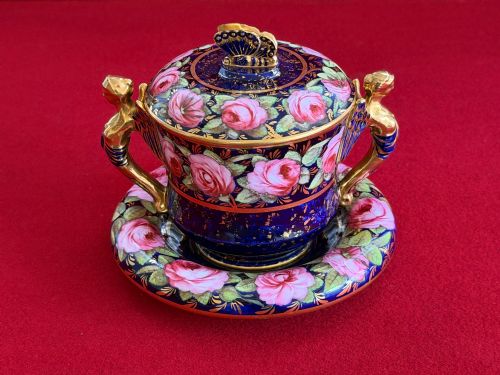
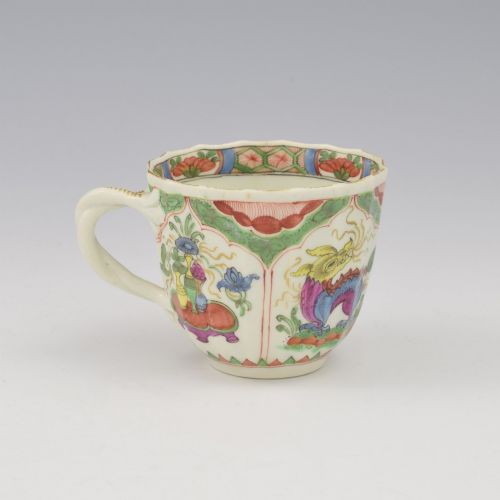
Styles such as Chinoiserie, Rococo, and Georgian Neoclassical guided the aesthetic choices, incorporating motifs like mandarin figures, exotic birds, and pink cabbage roses.
Georgian Porcelain Cup Retail Price Guide 2026
Typical asking prices for georgian porcelain cup among the pieces listed under this phrase on Sellingantiques today, from the lower quarter to the upper quarter. They describe what is for sale here now, not the wider market.
Some cups took the shape of a fox head or a cheerful chocolate creature, turning morning drinks into a miniature menagerie.
Assessing the craftsmanship
The precision and delicacy of the handpainting dictate the standard of execution, separating standard domestic output from fine cabinet wares. Superior examples display crisp gilding, vibrant enamel retention, and well-balanced forms without kiln distortion.
The complexity of the pattern and the prestige of the issuing factory significantly influence the distinction of individual cups and saucers.
H & R Daniel·Chamberlain Worcester·Spode·Richard Chaffers·Davenport·Newhall·Coalport·Dr Wall Worcester·Bloor Derby·Flight & Barr·Rockingham·Yates Leeds·Derby·Minton·Grainger's Worcester·Duesbury & Kean·Mason's·Hicks, Meigh & Johnson·Flight Barr & Barr·Ridgway
The Georgian Porcelain Cup Glossary
- Soft-Paste Porcelain
- An early ceramic composition fired at lower temperatures than hard-paste porcelain, producing a warm, slightly translucent body. It was widely used by eighteenth-century English factories before bone china became dominant.
- Coffee Can
- A small, straight-sided cylindrical cup designed specifically for drinking strong coffee during the Georgian period. These pieces often lack handles and accompany a matching saucer.
- Chinoiserie
- A decorative style reflecting European artistic interpretations of Chinese and East Asian motifs. It appears frequently on eighteenth-century tea wares depicting figures, landscapes, and pavilions.
- Bone China
- A type of porcelain incorporating calcined bone ash, creating a durable, brilliantly white body that allows for thinner walls. This material gained widespread favour among English potters in the nineteenth century.
- Trio
- A matched set comprising a teacup, a coffee cup, and a saucer. These multi-piece formats allowed drinkers to partake in both tea and coffee during formal social gatherings.
Georgian Porcelain Cup: Frequently Asked Questions
What is the difference between a tea bowl and a teacup?
Tea bowls are small, handleless drinking vessels modelled after Chinese prototypes popular in the eighteenth century. Teacups feature applied handles for easier gripping as pottery designs evolved during the Regency period.
Both forms served the same social function during formal tea services, though tea bowls require a different grip to handle hot liquids without a handle.
How can I date an antique porcelain cup?
Dating relies on factory marks, paste composition, and stylistic cues such as Regency neoclassical shapes or eighteenth-century Chinoiserie painting. Examining the bottom of the cup often reveals pattern numbers or handwritten signatures specific to certain decades.
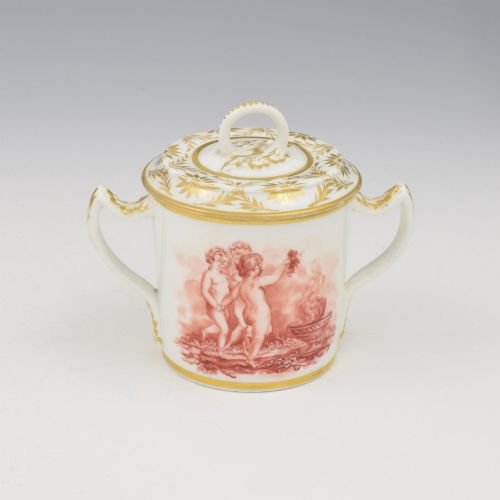
Comparing the decorative palette, such as wet blue grounds or sepia putti, helps narrow the window of manufacture.
Can I use these cups for drinking today?
While these antique vessels were originally created for functional use, centuries of wear make them fragile for daily routines. Fine enamel decorations and delicate gilding can degrade when exposed to modern detergents, dishwashers, and thermal shock.
Most collectors prefer to display cabinet pieces or reserve them for very occasional, careful handling.
What does a coffee can look like?
A coffee can is a cylindrical cup with straight vertical sides, designed without the flared rim typical of teacups. They frequently stand taller than tea bowls and include a looped handle welded to the side.
These vessels paired with matching saucers to serve strong coffee following afternoon or evening meals.