


White Porcelain Coffee Cup
A white porcelain coffee cup brings eighteenth-century soft-paste porcelain and hand-painted chinoiserie into daily use.
What white porcelain coffee cups are
A white porcelain coffee cup is an eighteenth-century drinking vessel created for early caffeinated social rituals. These pieces represent the height of English ceramic production during the Georgian period.
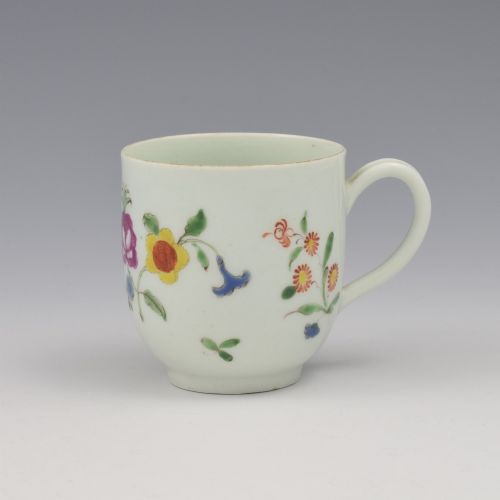
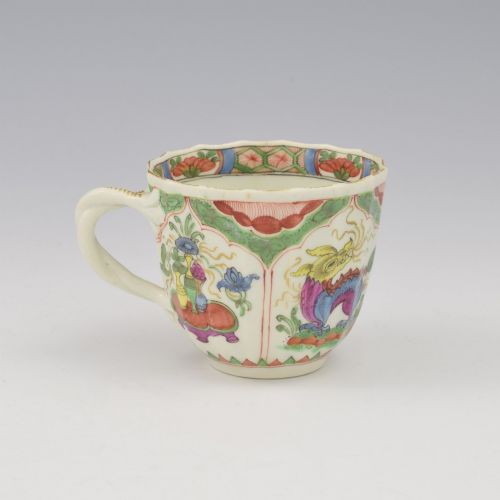
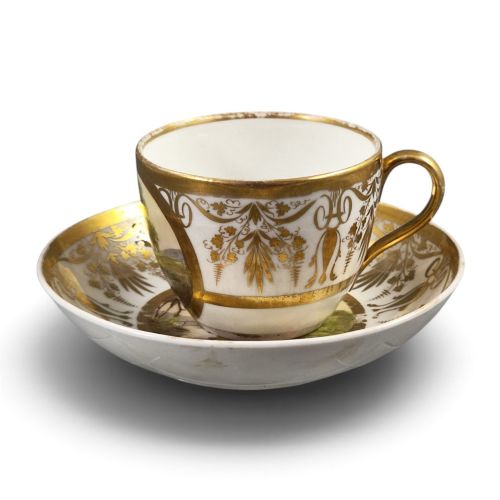
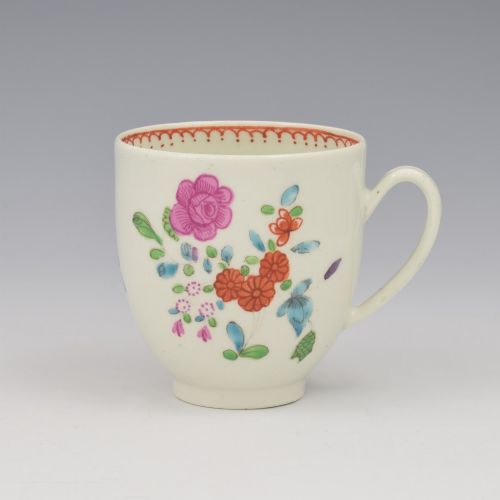
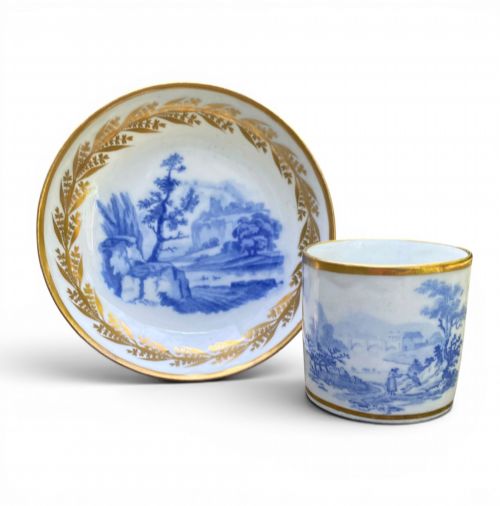
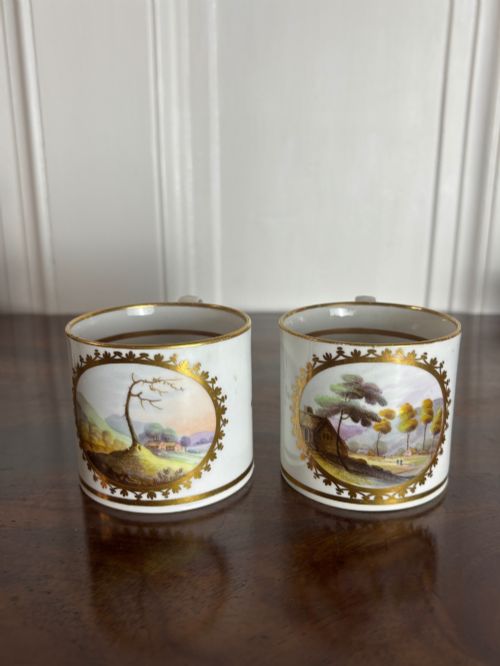
The examples gathered here comprise soft-paste porcelain coffee cups originating from Liverpool and Worcester factories. Collectors encounter polychrome floral motifs alongside elaborate chinoiserie and mandarin figure scenes.
Makers such as Richard Chaffers and the Worcester factory define this category through hand-painted enamel decoration. Each object demonstrates the distinct potting techniques and aesthetic priorities of the seventeen-sixties and seventies.
How they were made
Potters shaped these vessels using soft-paste porcelain body formulations that fired at lower temperatures than hard-paste equivalents. This early ceramic composition produced a warm, slightly creamy white ground ideal for absorbing bright enamel colours.
Artists applied polychrome enamel pigments by hand directly over the glazed surface or beneath it depending on the factory method. Painters utilised fine brushwork to execute detailed floral sprays and complex Chinese figures.
Retail Price Guide 2026
Typical UK retail prices for white porcelain coffee cup, calculated from the Sellingantiques database of over a million retail prices indexed since 2003. This retail price guide relies exclusively on Sellingantiques data; no external sources or auction records are used, so the figures do not describe the wider market.
What varies in quality
The standard of a white porcelain coffee cup rests upon the precision of the hand-painted enamel work and the clarity of the soft-paste body. Superior examples display crisp, confident brushstrokes in polychrome floral or mandarin patterns without blurring.
The sophistication of the design narrative separates ordinary utility wares from exceptional cabinet pieces. Fine Worcester and Liverpool specimens exhibit meticulous attention to detail in their chinoiserie compositions and vibrant glaze saturation.
Richard Chaffers
The White Porcelain Coffee Cup Glossary
- Soft-paste porcelain
- An artificial ceramic body developed by European potters using glass frits and white clays before the discovery of true kaolin. This material fires at lower temperatures and possesses a characteristic warm translucency.
- Chinoiserie
- A European artistic style reflecting Chinese motifs and cultural themes, popular throughout the Georgian period. Painters rendered imaginary oriental landscapes and figures onto ceramics and furniture.
- Polychrome
- Decoration employing multiple distinct enamel colours rather than a single monochrome pigment. Artists built up complex scenes using bright reds, blues, greens, and yellows.
- Enamel
- A glassy substance fused to the ceramic surface during a secondary low-temperature kiln firing. This technique allowed makers to achieve vibrant, permanent colours over the underlying glaze.
- Mandarin pattern
- A specific design category featuring Chinese figures in domestic or garden settings, bordered by intricate patterned bands. These narrative scenes were frequently executed in rich enamel palettes.
Frequently Asked Questions
What are white porcelain coffee cups?
These objects are eighteenth-century drinking vessels made from soft-paste porcelain during the Georgian era. They were designed for the consumption of coffee when the beverage gained popularity in fashionable British households.
Potters in Liverpool and Worcester shaped these small vessels and decorated them with hand-painted enamels. They survive as cabinet pieces and examples of early British ceramic artistry.
How were coffee cups used?
Georgian consumers used these small vessels for drinking hot coffee during social gatherings and morning routines. The cups lacked handles in many early designs, requiring the drinker to hold the warm ceramic body directly.
Because soft-paste porcelain is sensitive to sudden thermal shock, owners handled them with care during tea and coffee service. They formed part of wider teaware suites used to display hospitality and wealth.
How do I live with antique porcelain?
Living with eighteenth-century soft-paste porcelain involves displaying the pieces away from direct sunlight and heavy foot traffic. Many collectors place them in glass-fronted cabinets to protect the delicate enamel surfaces from dust and accidental impacts.
Hand-washing in lukewarm water with mild soap is necessary if owners choose to use them occasionally. Modern dishwashers and microwaves will permanently damage the historic glaze and soft-paste body.
How do I identify eighteenth-century pieces?
Identification relies on examining the weight, translucency, and glaze characteristics of the soft-paste ceramic body. Eighteenth-century pieces often reveal minor kiln specks or unglazed foot rims where the vessel rested during firing.
stylistic indicators such as Georgian chinoiserie motifs and hand-painted polychrome enamels help narrow the date of production. Factory attribution also depends on recognising characteristic painting styles associated with Worcester and Liverpool.