


Dr Wall Worcester Cup
A dr wall worcester cup represents the pinnacle of eighteenth-century English soft-paste porcelain, prized for its exquisite hand-painted decoration.
What They Are
When you search for a dr wall worcester cup, you are looking at eighteenth-century English soft-paste porcelain produced during the First Period at the Worcester factory. These elegant vessels include coffee cups, tea bowls, and matching saucers created for fashionable hot beverage service in Georgian parlours.
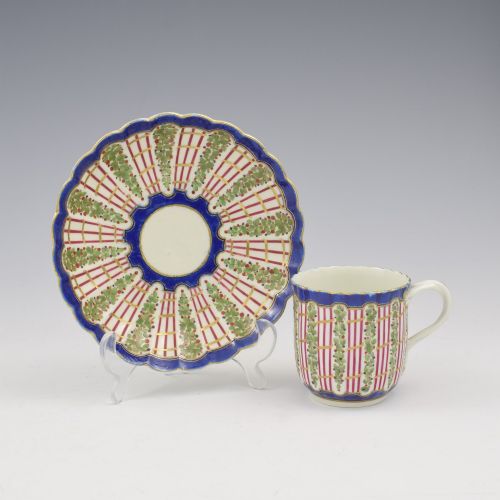
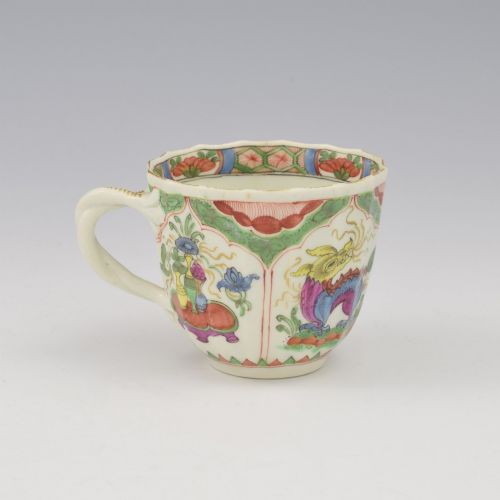
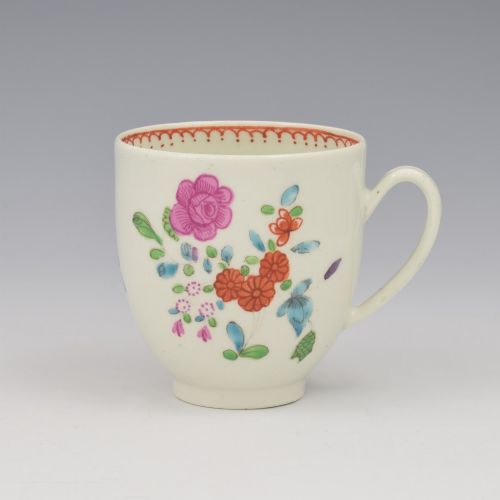
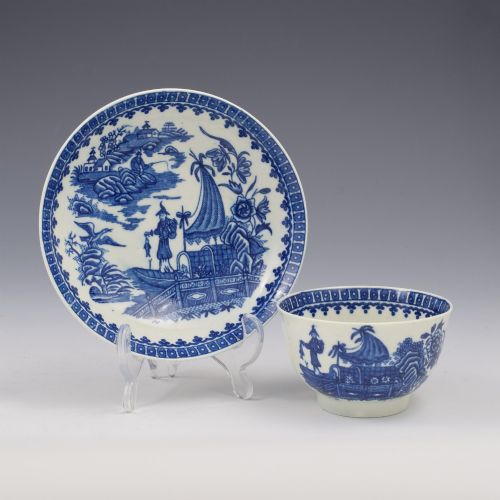
The pieces on this page are overwhelmingly coffee cups and cups and saucers dating from around seventeen-sixty to seventeen-seventy-five. They showcase classic forms decorated with intricate motifs, ranging from delicate floral sprays to elaborate oriental scenes.
Collectors encounter both individual coffee cups and paired cups and saucers featuring distinctive patterns such as hop trellis, mandarin chinoiserie, and Japanese-inspired Kakiemon designs. The eighteenth-century origin guarantees a historical domestic artefact shaped by early English ceramic innovation.
How They Were Made
These pieces are manufactured from soft-paste porcelain, a vitreous composition developed in the eighteenth century that produced a warm, slightly creamy body. Artisans shaped the vessels on wheels or in moulds, often incorporating fluted surfaces into the porcelain body before the initial firing.
Decoration relied heavily on hand-applied enamel colours and rich gilding, fused to the surface through subsequent kiln firings. The painting required exceptional steady hands to execute minute botanical details, insects, and figures in the Chinese taste.
Retail Price Guide 2026
Typical UK retail prices for dr wall worcester cup, calculated from the Sellingantiques database of over a million retail prices indexed since 2003. This retail price guide relies exclusively on Sellingantiques data; no external sources or auction records are used, so the figures do not describe the wider market.
What Varies in Quality
Quality in a dr wall worcester cup rests upon the ambition and execution of the painted decoration rather than the age alone. Pieces adorned with complex polychrome florals, exotic birds, or intricate Japanese Kakiemon palettes demand a higher level of painterly skill than simpler monochrome or printed designs.
The crispness of the moulding, particularly on fluted bodies, and the richness of the gilding further separate standard wares from exceptional examples. The harmony between the soft-paste body and the enamel palette dictates the visual success of each surviving piece.
The Dr Wall Worcester Cup Glossary
- Soft-paste porcelain
- An early ceramic composition made from white clay, frit, and glass rather than hard kaolin. This material yields a characteristic warm translucency under light.
- Chinoiserie
- European artistic style reflecting Chinese motifs and figures. Eighteenth-century painters interpreted Eastern designs through a distinct Western aesthetic.
- Kakiemon
- Japanese ceramic style characterised by asymmetrical floral and animal motifs on a milky white ground. Worcester artists frequently copied these palettes during the eighteenth century.
- Gilding
- The application of gold leaf or powdered gold to ceramics. Skilled artisans used this technique to accentuate rims, handles, and painted panels.
- Fluted
- Surface decoration featuring vertical parallel grooves moulded into the porcelain body. This technique added textural depth to cups and saucers.
Frequently Asked Questions
What is a Dr Wall Worcester cup?
A Dr Wall Worcester cup is an eighteenth-century English porcelain vessel made during the proprietorship of Dr John Wall at the Worcester manufactory.
These pieces are celebrated for their soft-paste bodies and sophisticated hand-painted decoration inspired by Chinese and Japanese aesthetics.
How do I identify a First Period Worcester cup?
First Period Worcester pieces date from the foundation of the factory in seventeen-fifty-one until seventeen-eighty-three. They typically feature soft-paste porcelain bodies and hand-painted motifs such as flowers, insects, or oriental figures.
Many bear early crescent marks or workman symbols painted underneath the glaze, though pattern recognition remains the primary guide for collectors.
Were these cups used for tea or coffee?
The evidence shows both tea bowls and specific coffee cups designed for hot beverages in Georgian society. Coffee cups are generally taller and cylindrical or slightly flared, often paired with matching saucers.
Tea bowls were smaller, handleless vessels intended for drinking brewed tea from infusion pots popular among the elite.
What styles are common on these cups?
Georgian chinoiserie and Japanese Kakiemon palettes dominate the decorative styles on these eighteenth-century vessels. Painters also utilised naturalistic polychrome floral sprays, hop trellis patterns, and Mandarin figure scenes.
These designs reflect the eighteenth-century European fascination with imported East Asian porcelain aesthetics.