

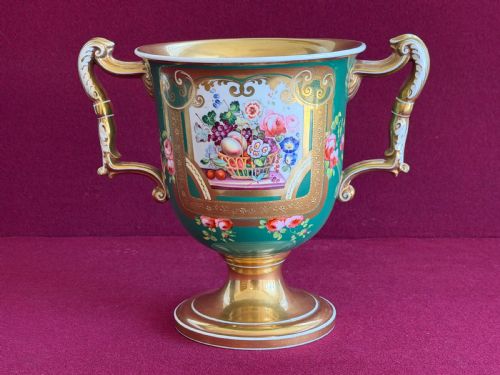


Hand Painted Ceramic Mug
A hand painted ceramic mug brings tactile history to your morning tea, offering genuine eighteenth and nineteenth century artistry you can hold.
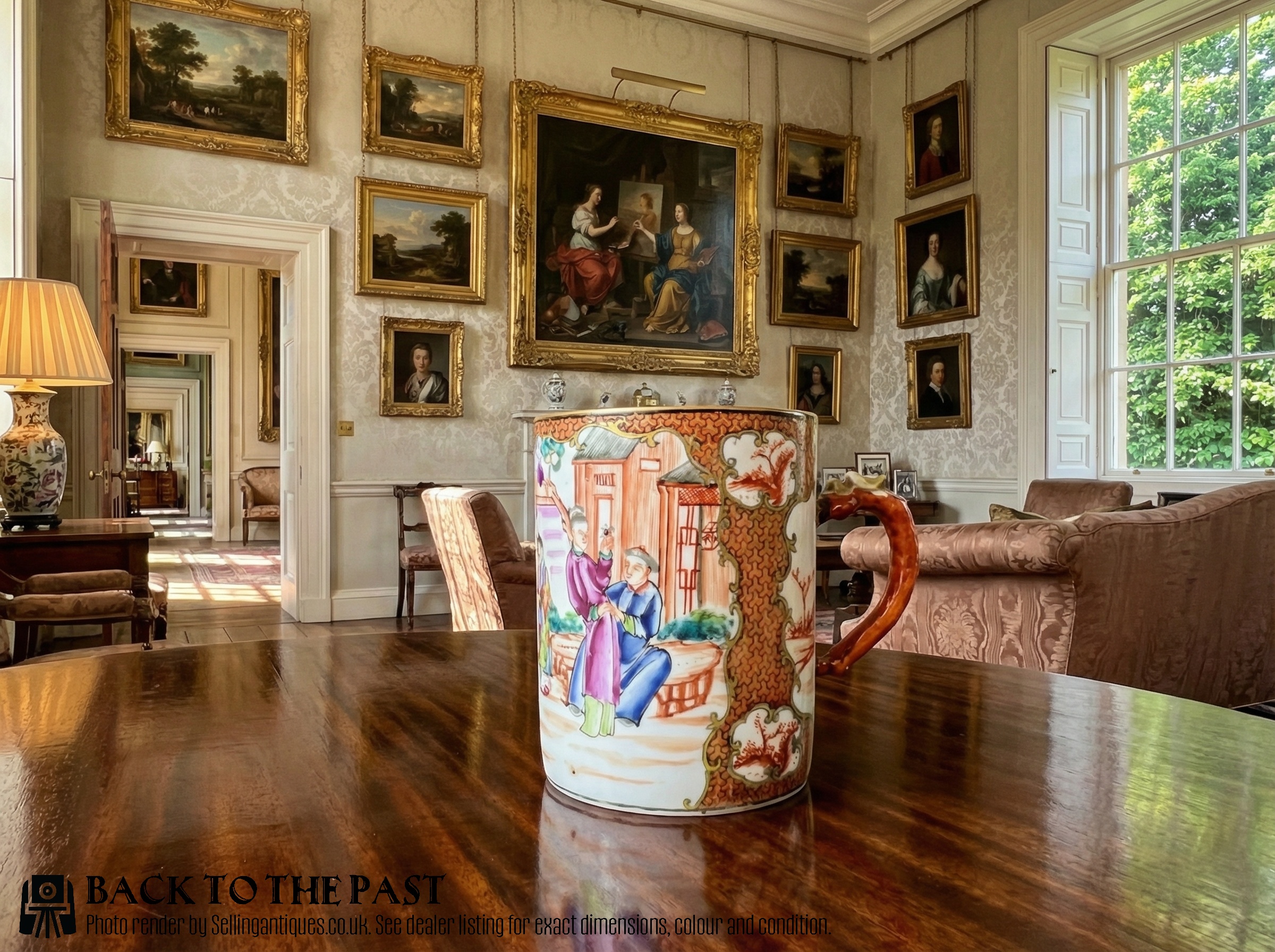
What these pieces are
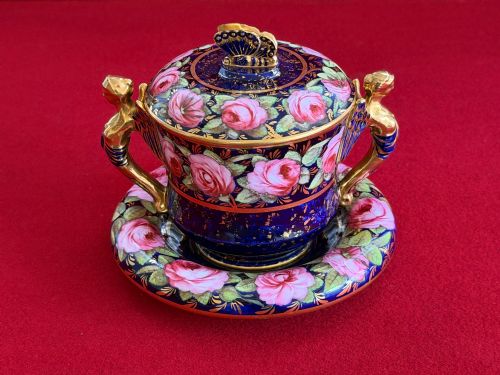
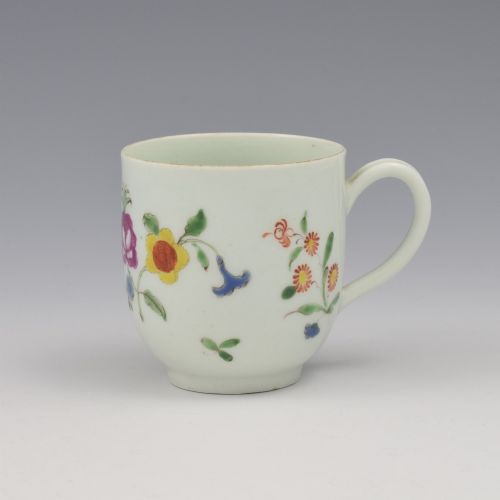
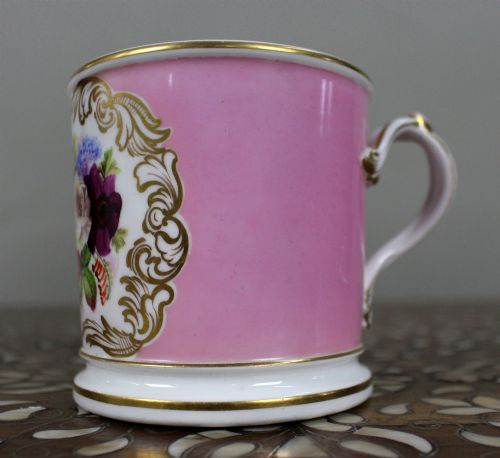
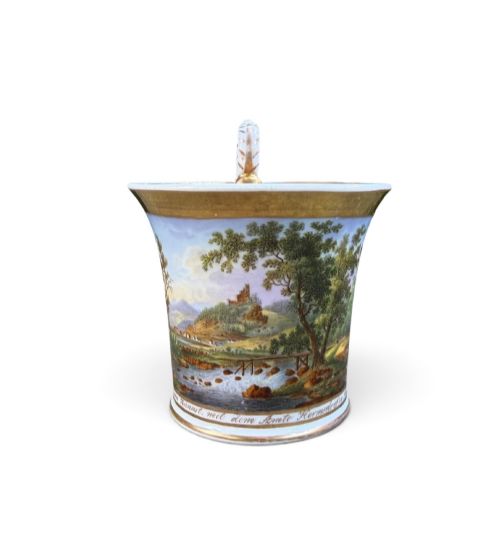
A hand painted ceramic mug spans several centuries of drinking vessels, taking the form of porcelain coffee cups, loving cups, and tankards. The selection on this page shows pieces originating from the eighteenth century through the Regency period, including works from English factories and Chinese export kilns.
Forms vary from delicate soft-paste porcelain coffee cups intended for refined drawing rooms to substantial earthenware loving cups featuring whimsical creatures. You will encounter Georgian chinoiserie motifs, Mandarin patterns, and robust pearlware glazes that reflect distinct social habits of their respective eras.
How they were made
Potters shaped these vessels using traditional earthenware, porcelain, and soft-paste porcelain bodies before applying intricate enamel and gold leaf decorations by hand. Artisans utilised pearlware glazes to achieve specific surface finishes on utilitarian forms like loving cups.
Firing techniques of the eighteenth and nineteenth centuries required immense skill in kiln temperature control, particularly for delicate porcelain coffee cups and large famille rose mugs. The painted details were then applied over or under the glaze depending on the desired aesthetic and durability.
Retail Price Guide 2026
Typical UK retail prices for hand painted ceramic mug, calculated from the Sellingantiques database of over a million retail prices indexed since 2003. This retail price guide relies exclusively on Sellingantiques data; no external sources or auction records are used, so the figures do not describe the wider market.
Listings feature materials spanning enamel, porcelain, gold leaf, soft-paste porcelain, earthenware, and pearlware glaze.
What varies in quality
Quality separates simple utilitarian vessels from masterworks through the precision and delicacy of the hand-painted brushwork. Superior pieces exhibit confident enamel application, harmonious integration of gold leaf, and sophisticated handling of complex motifs like Chinese figures.
The choice of ceramic body also defines the tier of a piece, distinguishing robust earthenware and pearlware from translucent soft-paste porcelain. Finer vessels show greater control during the throwing and firing stages, resulting in thinner walls and well-balanced handles.
Richard Chaffers
The Hand Painted Ceramic Mug Glossary
- Soft-paste porcelain
- A ceramic material composed of clay and glass frit, fired at lower temperatures than hard-paste porcelain. It is common in eighteenth-century English factory production.
- Pearlware glaze
- A fine earthenware glaze containing a small amount of cobalt, which pooled in crevices to give a bluish tint. It was developed in the late eighteenth century.
- Famille rose
- A palette of opaque enamels dominated by pink, introduced to Chinese ceramics during the Qing dynasty. It appears on export mugs made for Western markets.
- Loving cup
- A large ceramic drinking vessel with two or more handles, passed around among guests at banquets and celebrations. They often feature whimsical or commemorative decoration.
Frequently Asked Questions
What are hand painted ceramic mugs?
These pieces are historical drinking vessels produced across the eighteenth and nineteenth centuries in various ceramic bodies including porcelain and earthenware. They function as both domestic objects and collectible works of art.
Makers decorated them by hand using enamel pigments, gold leaf, and specialised glazes to create intricate patterns ranging from Chinese figures to botanical designs.
How were antique mugs used?
Earlier vessels such as porcelain coffee cups served hot beverages in formal domestic settings during the Georgian and Regency periods. Larger forms like loving cups played a role in communal toasts and celebrations.
Their use reflected the social rituals of tea and coffee drinking as well as festive gatherings in taverns or private homes.
How do I care for antique ceramics?
Display these vessels in stable environments away from direct sunlight and sudden temperature fluctuations to protect the delicate enamel paints and gold leaf. Hand wash them gently if cleaning is necessary, avoiding abrasive materials.
Most collectors prefer to keep them in secure cabinets where the ceramic body and glaze remain free from accidental impact.
How can I tell the period?
Dating relies on examining the ceramic body, glaze characteristics, and the style of the hand-painted decoration. Eighteenth-century pieces often show soft-paste porcelain bodies or specific export aesthetics like famille rose.
Regency items and nineteenth-century pearlware display different weight, colour tones, and brushwork conventions that help establish their era of manufacture.