



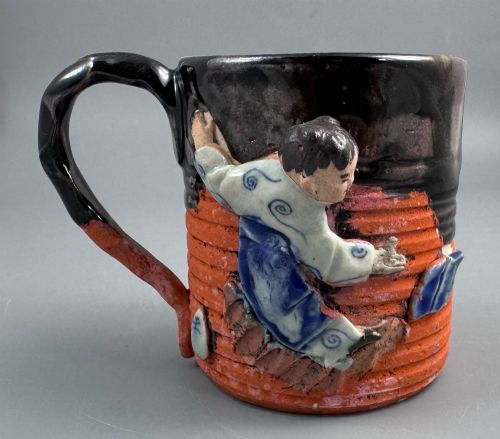


Antique Ceramic Tankard
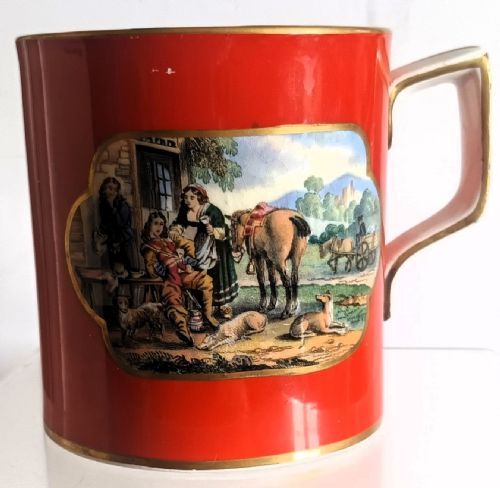
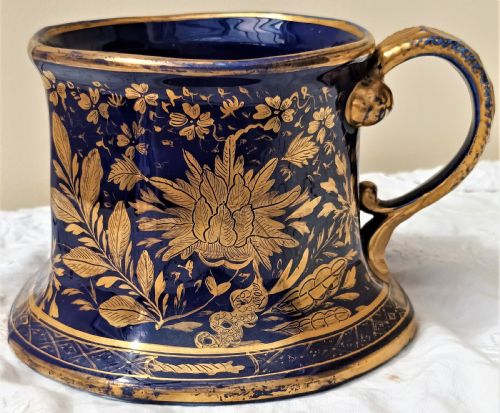
An antique ceramic tankard brings the weight of centuries and traditional alehouse habits straight to your table.
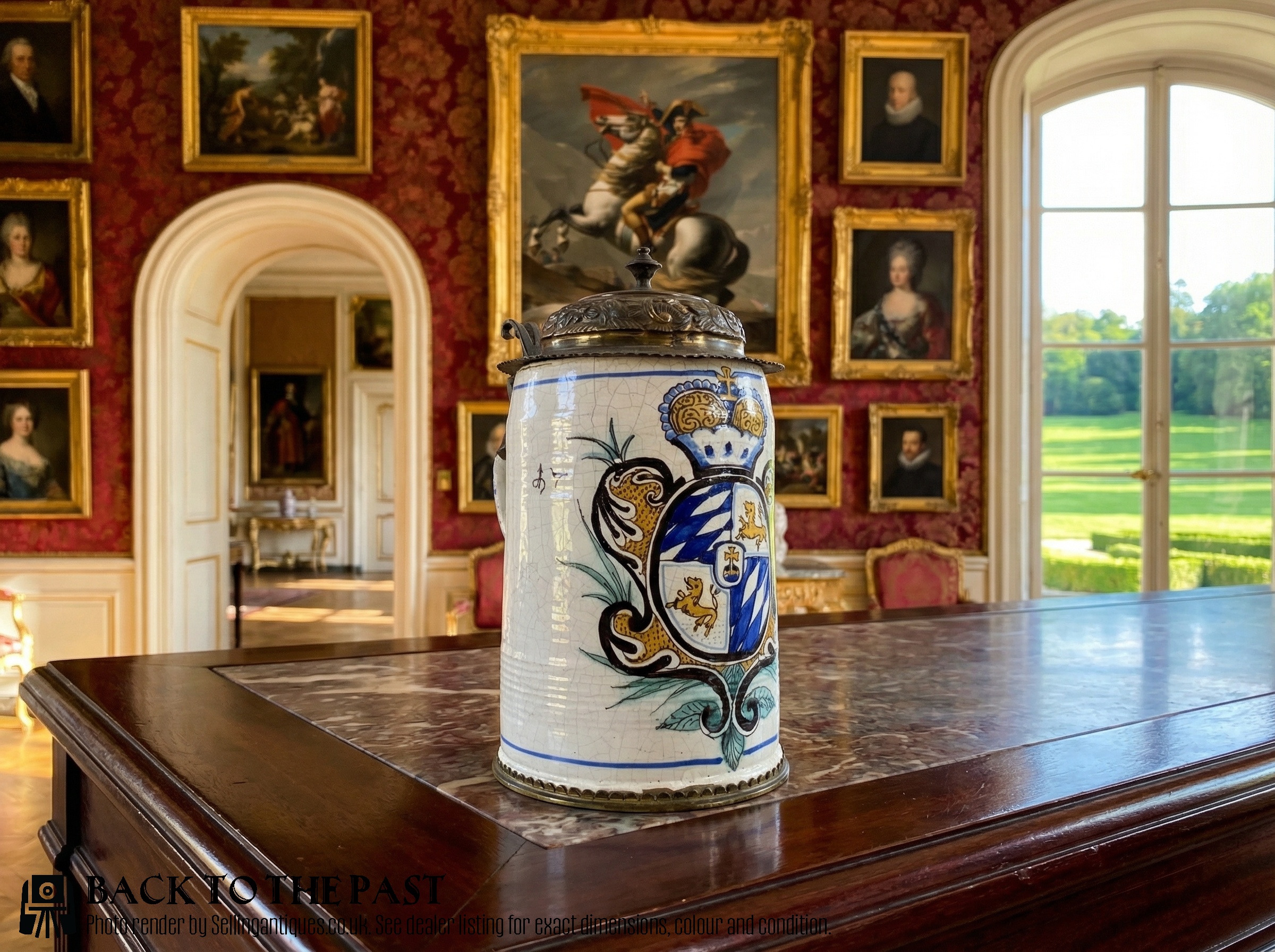
Antique Ceramic Tankard
The pieces span multiple centuries of domestic and tavern use, crossing periods from the eighteenth century through the Victorian era and into the early twentieth century. These drinking vessels bridge utilitarian function and decorative ceramic art.
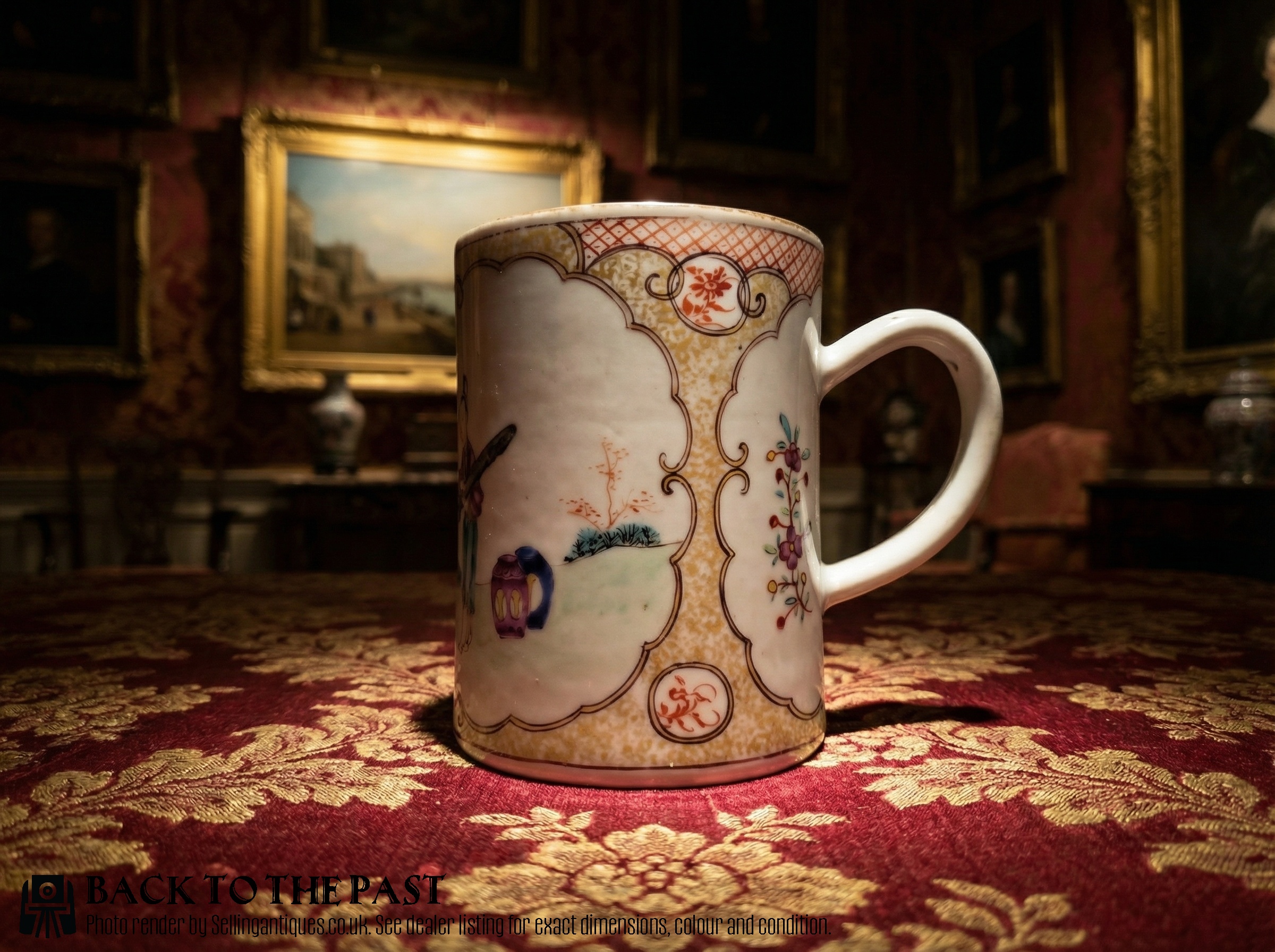
How they were made
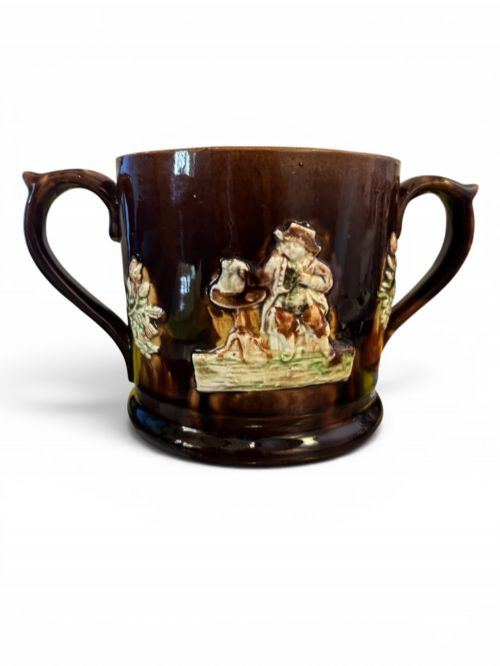
Potters shaped these vessels using durable clay bodies like stoneware and earthenware, alongside finer porcelain, often applying rich glazes or salt glazes for a protective finish. Workshops utilised hand-painting, transfer printing, and applied sculptural figures to decorate the surfaces.
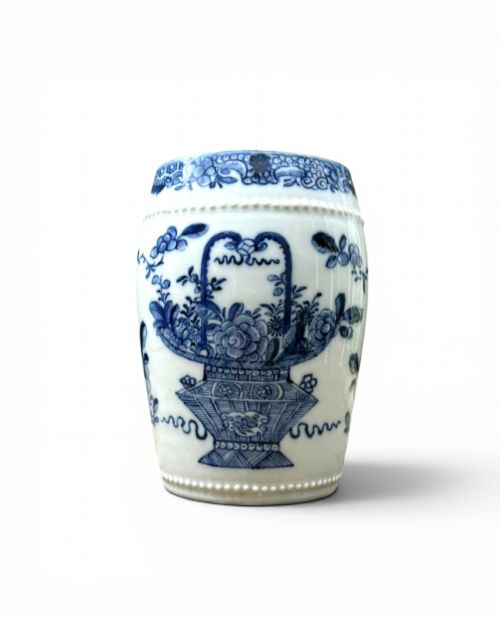
Metal mounts in pewter, silver, and silver-plate were fitted to rims and hinged lids, securing the vessel for active use. Kiln firing techniques allowed for cobalt blue underglazes, polychrome enamel palettes, and salt-glazed textures to mature.
Antique Ceramic Tankard Retail Price Guide 2026
Typical asking prices for ceramic tankard among the pieces listed under this phrase on Sellingantiques today, from the lower quarter to the upper quarter. They describe what is for sale here now, not the wider market.
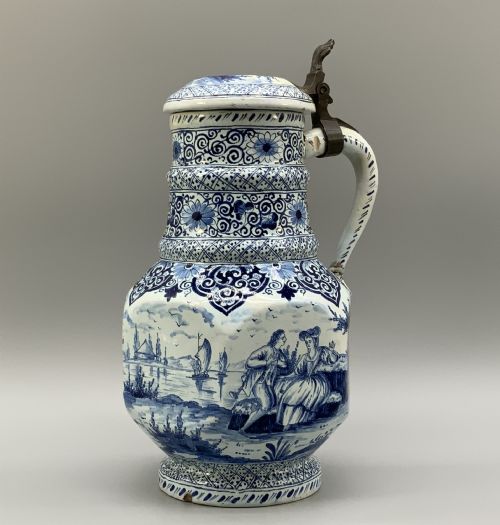
Listings feature eighteenth-century Dutch Delftware alongside nineteenth-century English pearlware, Victorian stoneware, and Japanese Sumida Gawa mugs.
What varies in quality
The distinction between ordinary production and superior quality rests in the crispness of the modelled relief work and the precision of hand-painted or transfer-printed scenes. Fine porcelain examples display delicate potting and stable glazes, while robust stoneware benefits from deep, even salt-glaze texturing.
The integrity of applied metal mounts, such as hallmarked silver rims or intact pewter lids, influences the overall standard of preservation. Artist signatures, factory marks, and scarce commemorative details elevate individual pieces above standard tavern ware.
Grainger Worcester·Royal Doulton·Copeland·Inoue Ryōsai Workshop·Mason's Ironstone·Doulton Lambeth·Mettlach·Sarreguemines
The Antique Ceramic Tankard Glossary
- Pearlware
- A refined earthenware developed in the late eighteenth century, featuring a pale bluish glaze that pooled in crevices. It served as a popular canvas for hand-painted and transfer-printed patterns.
- Salt-glaze
- A pottery finish created by throwing common salt into the kiln during high-temperature firing, producing a durable, textured surface resembling orange peel. It is characteristic of utilitarian stoneware.
- Loving cup
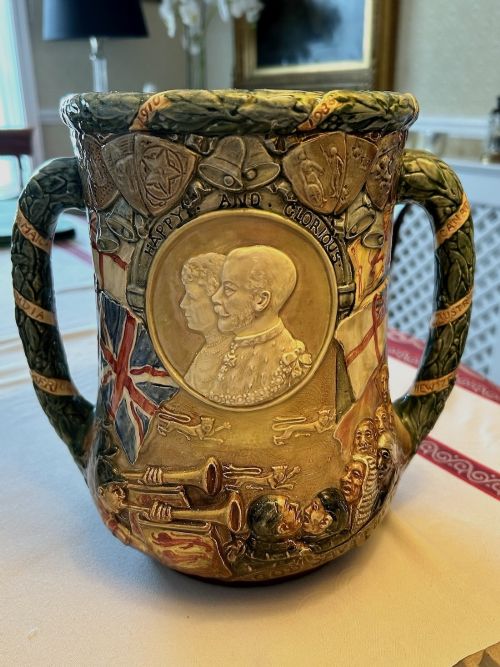
- A large drinking vessel typically fitted with two or three handles, designed to be passed among companions at communal gatherings and celebrations. They frequently feature commemorative inscriptions or hunting scenes.
- Frog mug
- A drinking vessel featuring a small ceramic frog modelled inside the base, designed to surprise the drinker as the liquid recedes. They were staple novelties in nineteenth-century taverns.
- Tyg
- A tall, multi-handled drinking vessel intended for communal passing, common in English pottery traditions from the seventeenth century onward. They often display robust earthenware or stoneware construction.
Antique Ceramic Tankard: Frequently Asked Questions
What is a frog mug?
A frog mug contains a small, ceramic frog moulded inside the bottom of the vessel, positioned to emerge as the drinker finishes their beverage.
These novelty pieces were popular in British taverns during the eighteenth and nineteenth centuries to encourage drinking games and jovial reactions.
Why do some tankards have lids?
Hinged pewter or silver lids were fitted to keep drinks covered, maintain temperature, and keep insects away during outdoor or tavern gatherings.
Over time, these metal mounts also added structural reinforcement to the ceramic rims.
How do I identify a pearlware tankard?
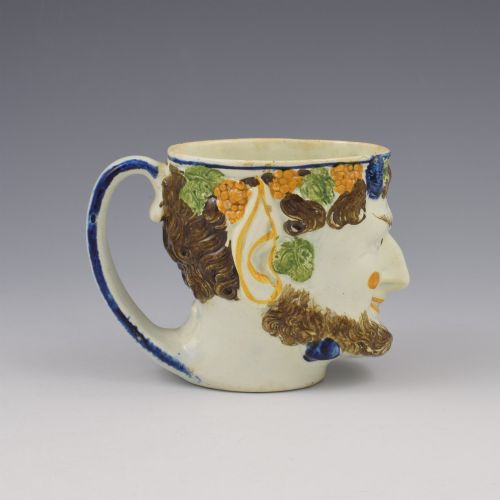
Pearlware typically exhibits a fine earthenware body covered in a clear glaze that pools with a faint bluish tint around handles and relief decorations.
This ceramic body was widely used during the Georgian era for hand-painted and transfer-printed domestic vessels.
Were these vessels used for everyday drinking?
Most antique ceramic tankards and jugs were manufactured for functional use in homes, inns, and alehouses to serve beer, cider, and other beverages.
Commemorative and highly decorated porcelain examples, however, were often kept on display rather than utilised at the table.