





Antique Ceramic Loving Cup
An antique ceramic loving cup is a traditional multi-handled drinking vessel designed for communal toast-drinking, offering tactile connections to social history.
Antique Ceramic Loving Cup
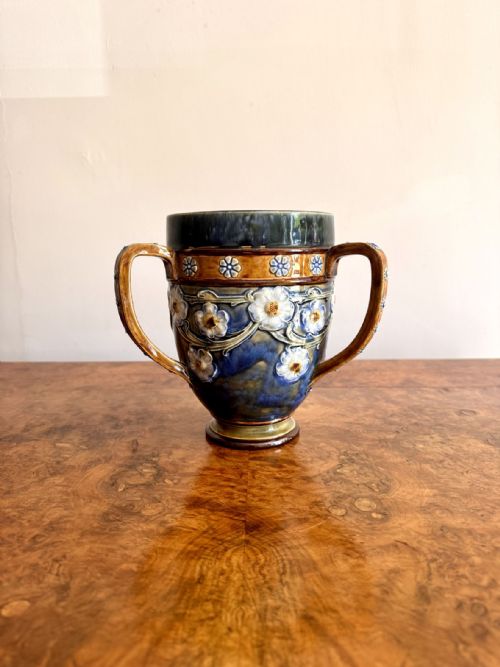
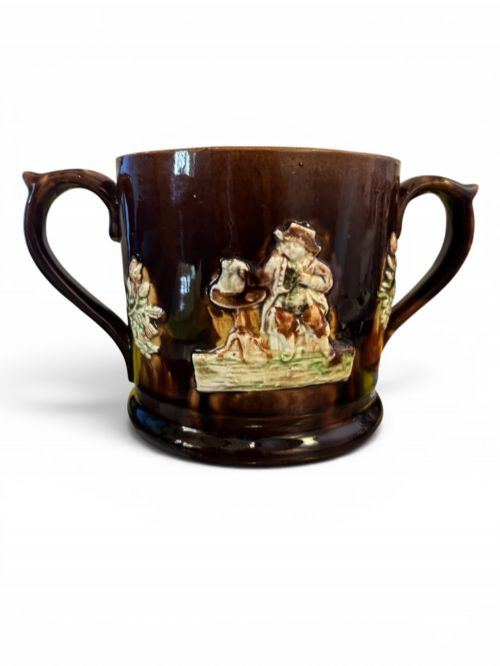
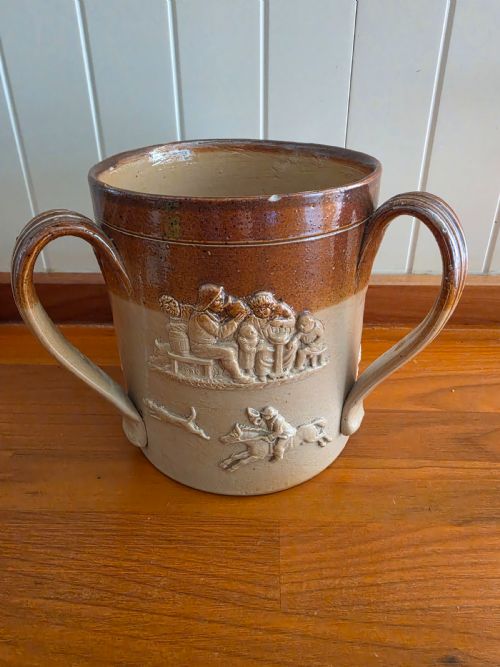
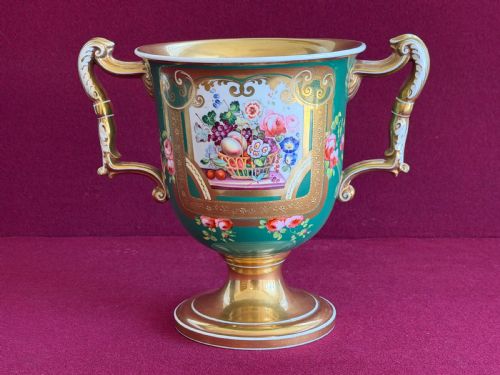
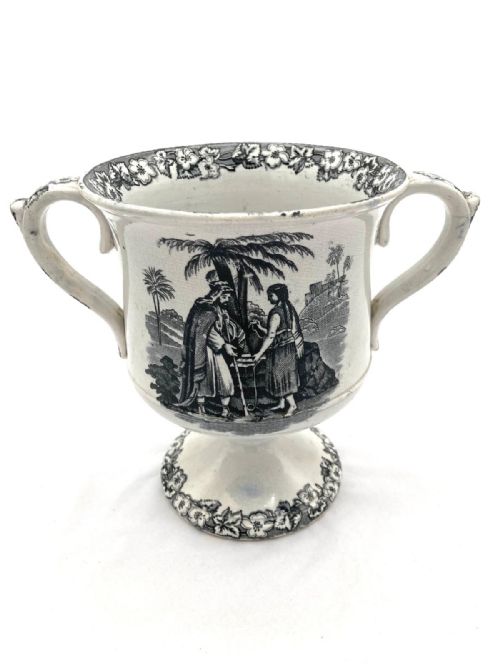
An antique ceramic loving cup stands as a significant form within historical drinkware, typically featuring two or three handles designed for passing securely among company. These vessels frequently appear from the eighteenth and nineteenth centuries, spanning Georgian, Regency, Victorian, and Edwardian periods.
The selections available range from utilitarian harvest jugs and salt-glazed stoneware tygs to refined porcelain presentation pieces. Examples often incorporate commemorative themes, hunting scenes, or playful interior surprises such as moulded frogs.
Materials and construction methods
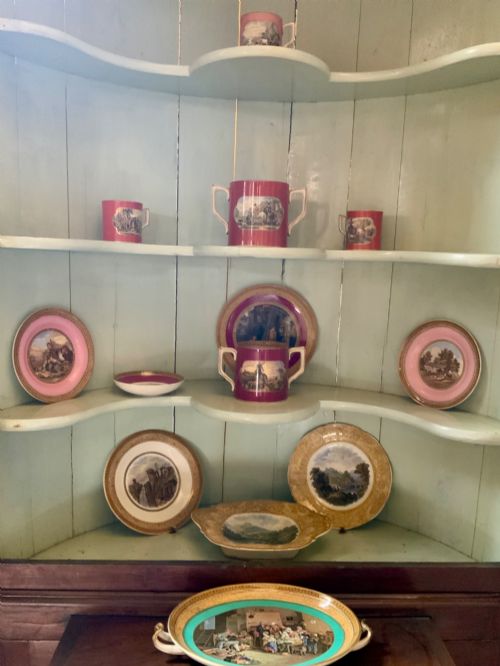
Potters utilised earthenware, stoneware, and porcelain bodies, shaping them on the wheel or moulding them in sections before applying multiple looped handles. Surfaces were decorated using transfer printing, hand-painting in polychrome enamels, and rich gilding.
Specialised techniques include salt glazing for robust stonewares and lustrous metallic finishes applied to ceramic surfaces. Interior elements like frogs and newts were separately modeled and fixed inside the vessels before firing.
Makers represented include Royal Worcester, Wedgwood, and Doulton Lambeth alongside historical English Staffordshire production.
Factors of distinction and merit
Quality rests upon the crispness of the moulding, the precision of transfer prints, and the skill evident in hand-painted details. Works bearing identifiable studio signatures or factory attributions carry greater artistic weight.
The balance of the handles and the stability of the multi-handled form indicate the potter's technical proficiency. Finer examples display sophisticated glaze consistency and well-preserved surface gilding or enamel coloration.
Royal Doulton·Doulton Lambeth·H & R Daniel·Royal Worcester·Wedgwood·Daisy Makeig-Jones·Florence E. Barlow
The Antique Ceramic Loving Cup Glossary
- Tyg
- A multi-handled drinking vessel, usually featuring three or more handles, designed for communal passing at table. This form shares its heritage closely with the traditional loving cup.
- Pearlware
- A refined earthenware developed in the late eighteenth century featuring a subtle bluish glaze that pooled slightly in crevices. It served as a popular canvas for transfer-printed and hand-painted decoration.
- Prattware
- A type of early Staffordshire earthenware decorated with oxide colours under a clear glaze, typically cobalt blue, ochre, orange, and brown. The pieces often depicted historical figures, sporting scenes, or local characters.
- Lustre
- A metallic ceramic glaze that produces an iridescent sheen reflecting light in rainbow colours. It was achieved by applying a thin layer of metal oxides to fired pottery.
- Frog mug
- A drinking vessel containing a small ceramic frog moulded inside the base to surprise the drinker as the liquid drained. They were common in eighteenth and nineteenth-century taverns.
Antique Ceramic Loving Cup: Frequently Asked Questions
What is a tyg?
A tyg is a drinking vessel characterised by multiple handles, allowing guests to pass the cup securely around a table during toasts. These pieces frequently appear in sturdy stoneware and earthenware.
Historically utilised in communal drinking customs, the multiple handles prevented spills when passed among numerous participants at celebrations or feasts.
Why do some cups have frogs inside?
Ceramic frogs and newts placed inside drinking vessels acted as humorous tavern practical jokes. An unsuspecting drinker would encounter the creature as the liquid level receded.
These whimsical interior figures appear in nineteenth-century earthenware and transfer-printed mugs, reflecting popular drinking culture of the period.
How do I date these ceramics?
Dating relies upon stylistic markers, material types, and specific commemorative events recorded on the vessel. Georgian and Regency pieces often display hand-painted floral motifs or transfer prints, while Victorian examples frequently employ dense stoneware.
Makers' marks stamped or painted on the base offer definitive chronological guidance when traceable to specific nineteenth or early twentieth-century periods.
Were these vessels used for drinking?
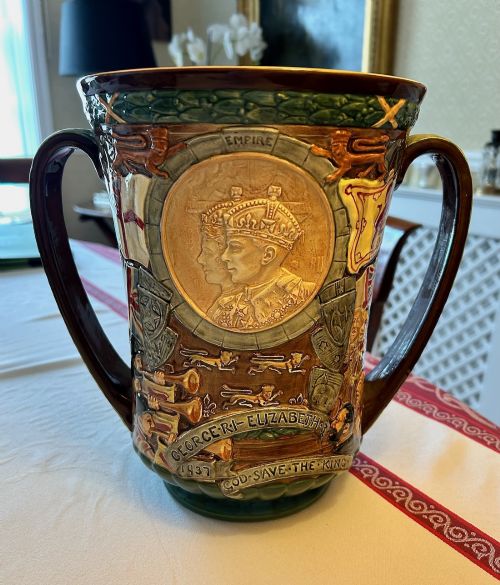
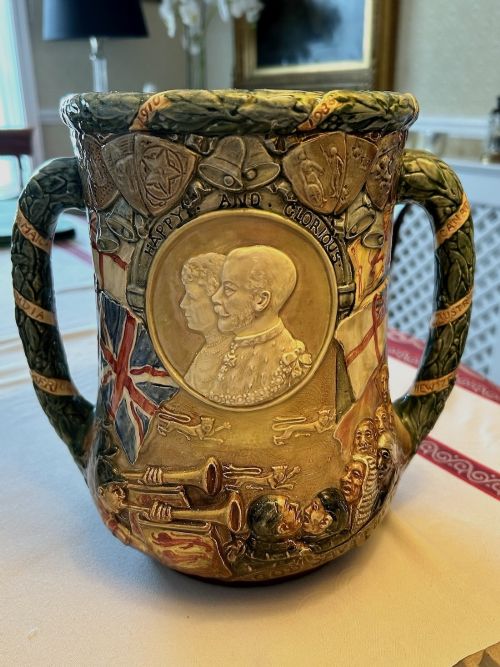
Many examples served ceremonial or commemorative functions rather than everyday use, marking jubilees, coronations, and harvest festivals. Finer porcelain and lustreware pieces were often displayed on mantelpieces or cabinets.
Stoneware and earthenware variants originated as functional tavern and household drinkware before transitioning into decorative display items.