
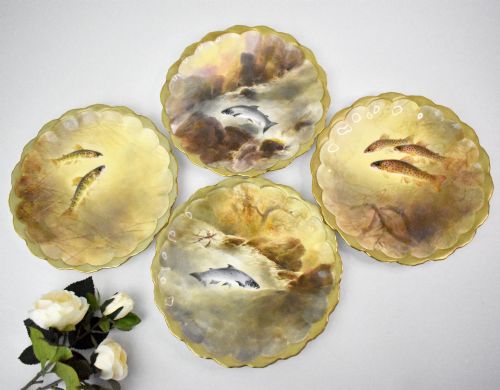


Edwardian Royal Doulton
Edwardian royal doulton pieces combine robust ceramic forms with delicate hand-painted motifs, offering collectors a rich variety of nineteenth and twentieth century British pottery.
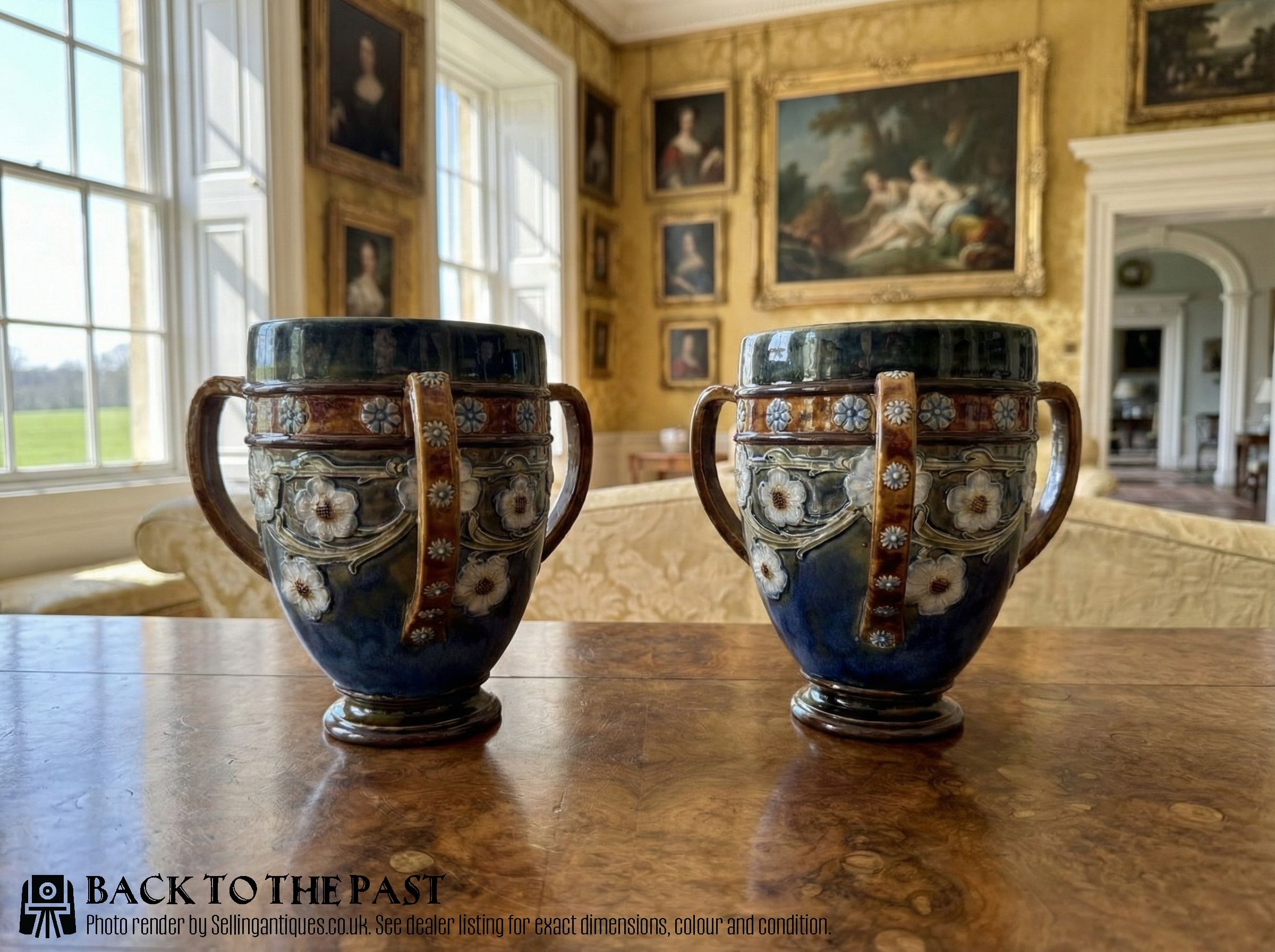
Edwardian Royal Doulton
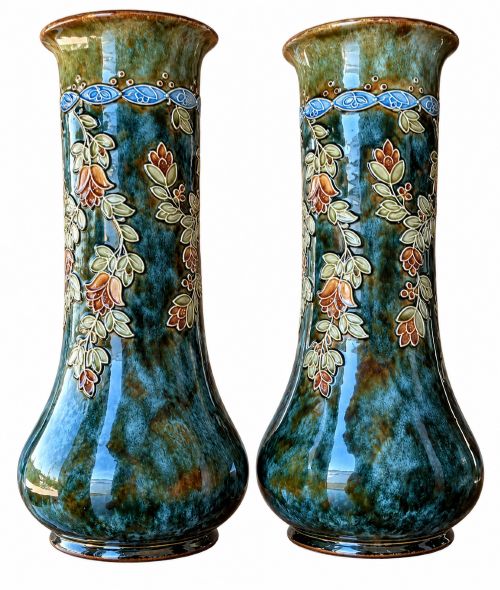
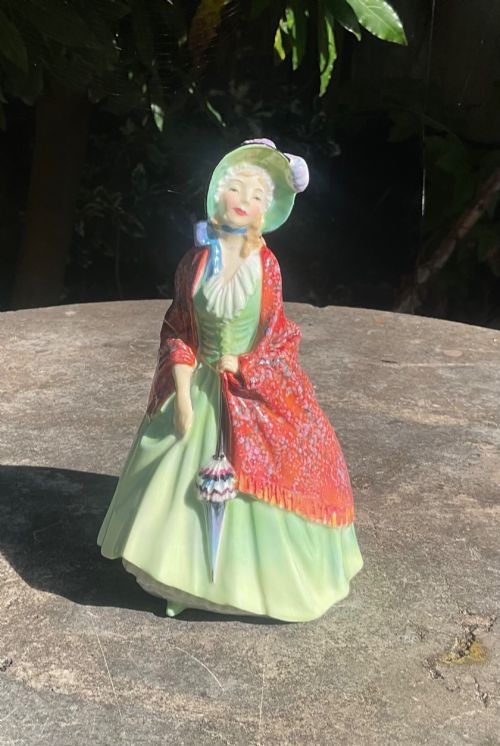
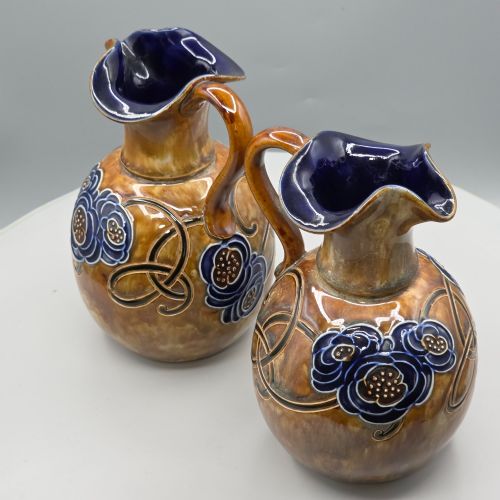
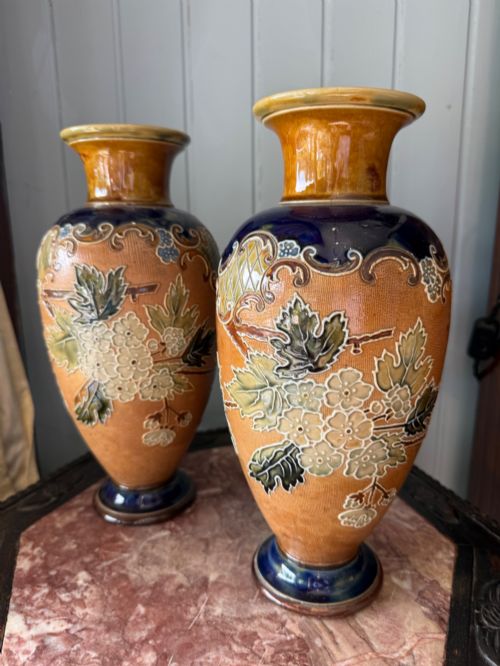
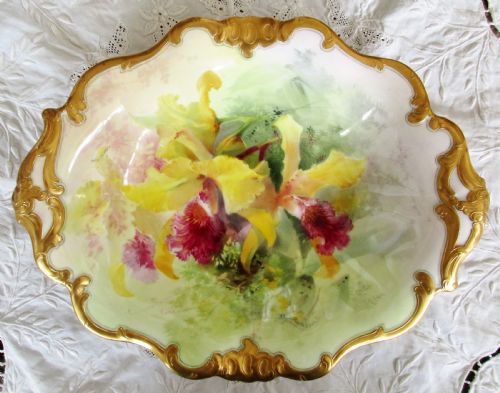
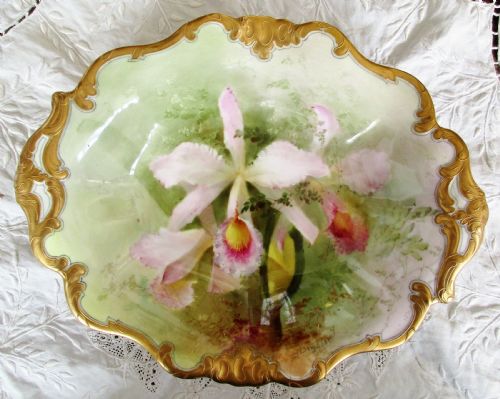
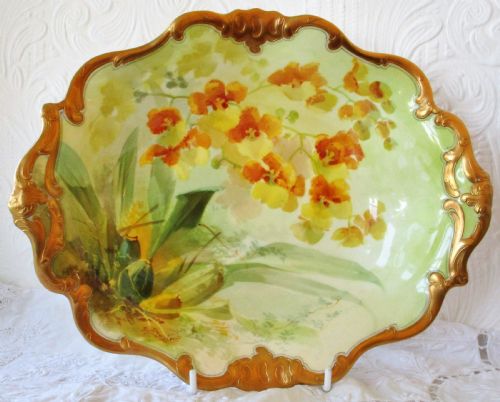
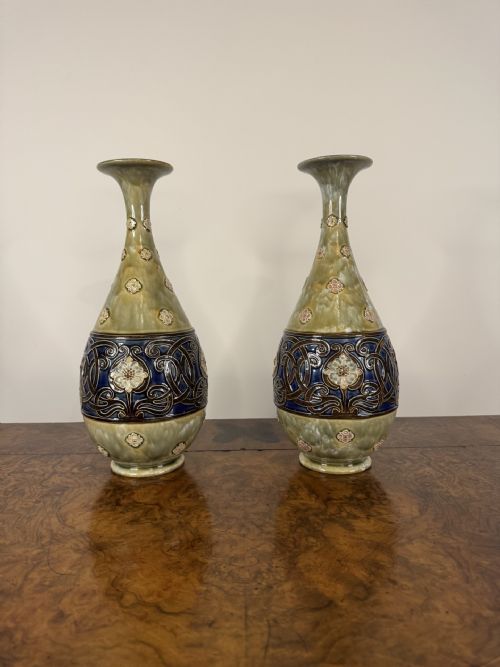
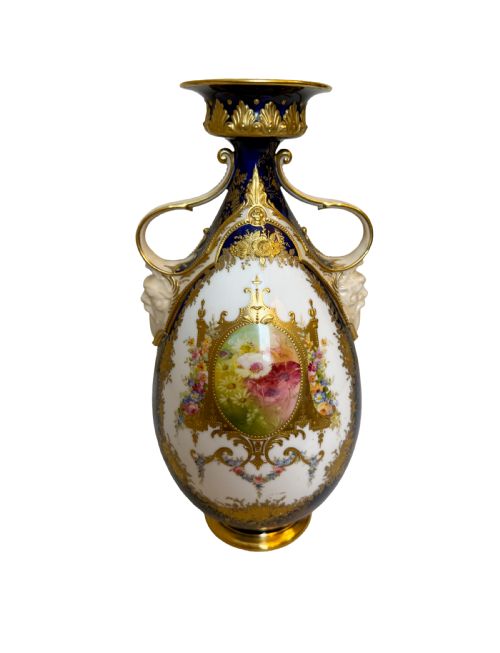
When searching for Edwardian royal doulton, buyers encounter a diverse selection of ceramic objects spanning vases, cabinet dishes, jugs, and figurines. The most common forms on this page include stoneware baluster vases decorated in distinctive regional styles, alongside finely painted porcelain cabinet plates.
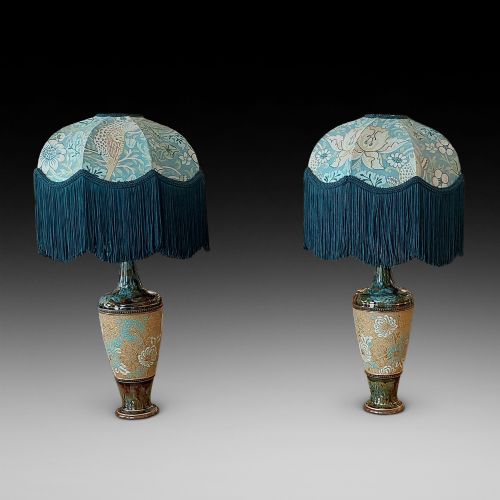
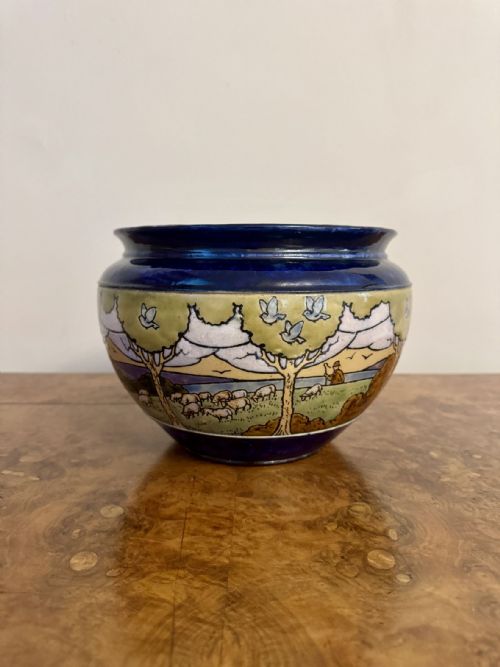
The objects originate primarily from the late Victorian and Edwardian periods, stretching from the late nineteenth century through to the nineteen-thirties. Pieces range from utilitarian tobacco jars later converted into lamps to monumental jardinieres and intricate cabinet tableware designed for display.
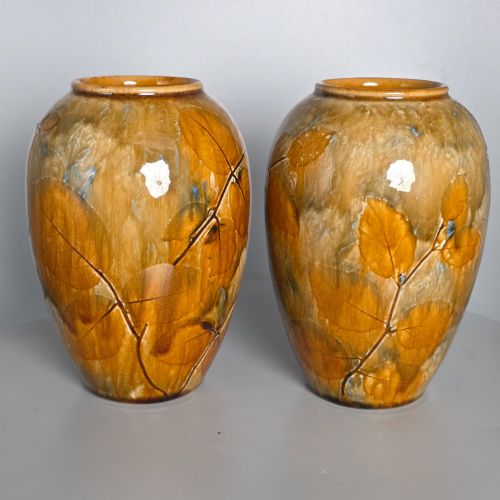
Stylistically, these items reflect the dominant artistic movements of their era, particularly Art Nouveau and the Arts and Crafts movement. Many examples display organic leaf patterns or floral enamel work closely tied to the output of the Lambeth studios.
How They Were Made
Makers utilised ceramic, stoneware, porcelain, and bone china as the primary foundation for these works, applying fluid glazes and rich surface treatments. Many stoneware pieces incorporate Slater's Patent texturing, which pressed lace or fabric patterns directly into the damp clay before firing.
Decoration relied heavily on skilled hand-painting executed by notable artists working within the potteries. Enamel accents, gilt highlights, and cobalt blue grounds frequently complement the underlying body, often finished with transparent or flambé glazes.
Several sturdy tobacco jars now illuminate modern rooms after quiet second careers as table lamps.
What Varies in Quality
Quality rests significantly on the execution of the hand-painted decoration and the identity of the artist responsible for the brushwork. Pieces painted by recognised studio artists display superior control of botanical detail and colour blending compared to standard factory output.
The complexity of the ceramic form and the crispness of applied surface textures also separate standard items from exceptional examples. Weight, balance, and the successful integration of metal mounts or specialised glaze effects determine the overall refinement of the finished piece.
David Dewsberry·Louisa Wakely·Joseph Birbeck Senior·John H Plant·Ethel Beard·R Allen·Maud Bowden·Harry Piper·Charles Noke
The Edwardian Royal Doulton Glossary
- Stoneware
- A heavy, vitreous ceramic fired at high temperatures until impervious to liquid. It serves as the durable base for much of the Lambeth studio output.
- Baluster
- A vertical ceramic form that swells gently toward the lower portion before tapering at the neck. This silhouette is typical of many decorative vases.
- Slater's Patent
- A manufacturing technique involving the pressing of organic materials like lace into damp clay to create textured backgrounds. These textured areas were often filled with coloured enamels.
- Flambé
- A rich, variegated glaze achieved through controlled reduction firing, producing unpredictable copper-red streaking. It requires great technical skill to manage successfully.
- Cabinet Dish
- A shallow porcelain vessel intended purely for display rather than domestic service. They frequently feature detailed hand-painted botanical or ornithological studies.
Edwardian Royal Doulton: Frequently Asked Questions
What periods do these pieces cover?
The selection spans from the late nineteenth century through the Edwardian era into the early twentieth century. Most items date specifically between eighteen-eighty and nineteen-thirty.
Production methods evolved across this timeframe, moving from heavy utility wares toward refined porcelain cabinet pieces and expressive Art Nouveau art pottery.
How were tobacco jars used?
Tobacco jars were heavy ceramic containers designed to keep pipe tobacco moist and fresh in domestic smoking rooms. They typically featured tight-fitting lids to preserve the contents.
Many surviving examples were later converted into electric table lamps by adding wiring through the base or lid during subsequent decades.
How do I identify artist decorated pieces?
Artist decorated pieces usually feature hand-painted signatures or monogram initials hidden amongst the floral or landscape motifs. Studio records link these specific ciphers to individual painters who worked at the potteries.
Comparing the painted brushwork style against documented examples helps confirm the attribution of the decorative surface.
Can cabinet plates be displayed safely?
Cabinet plates are manufactured from fine porcelain or bone china intended primarily for visual appreciation. They should be mounted securely using specialised plate hangers designed to distribute weight evenly.
Keeping them away from direct sunlight preserves the vibrant enamel colours and delicate gilt edges over time.