


Art Nouveau Stoneware
Art nouveau stoneware brings flowing vegetal lines and rich salt-glazed textures into the home, capturing the organic spirit of the turn of the last century.
What these pieces are
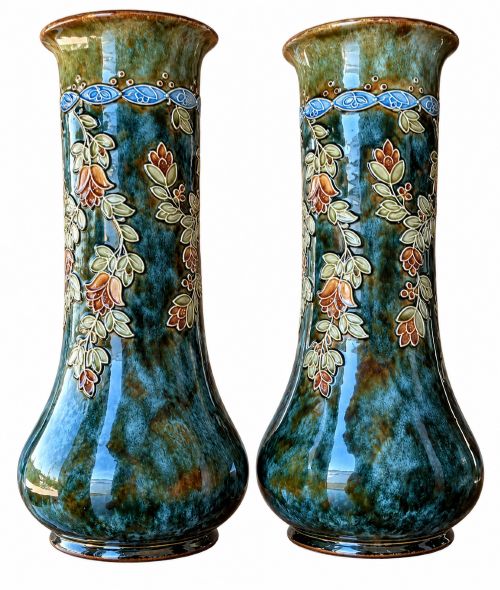
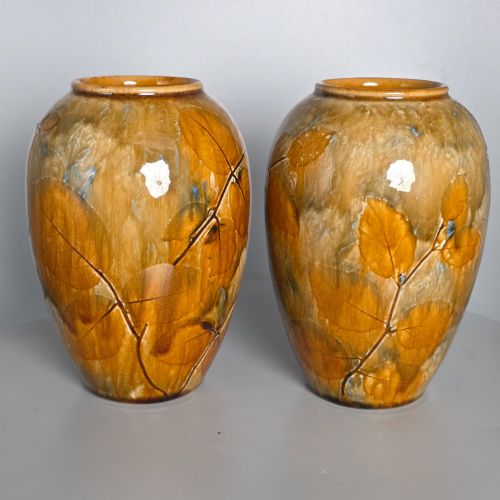
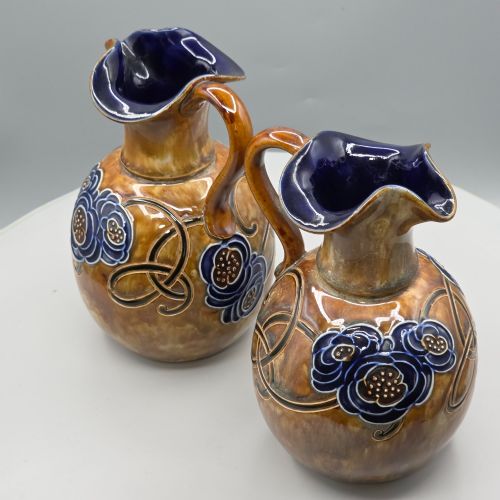
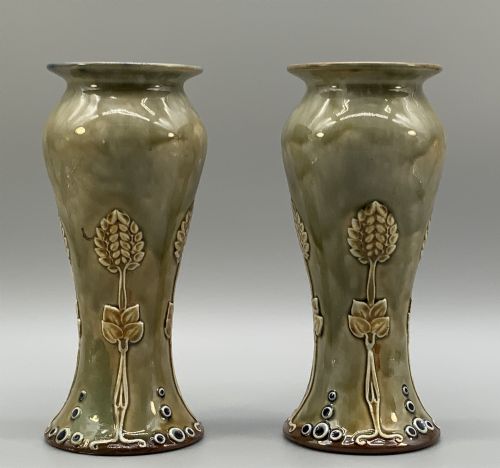
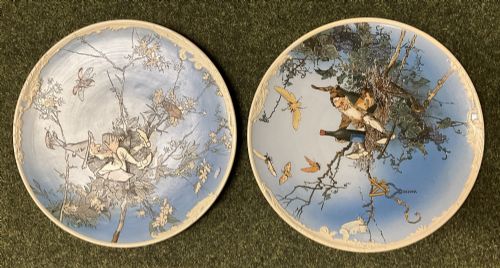
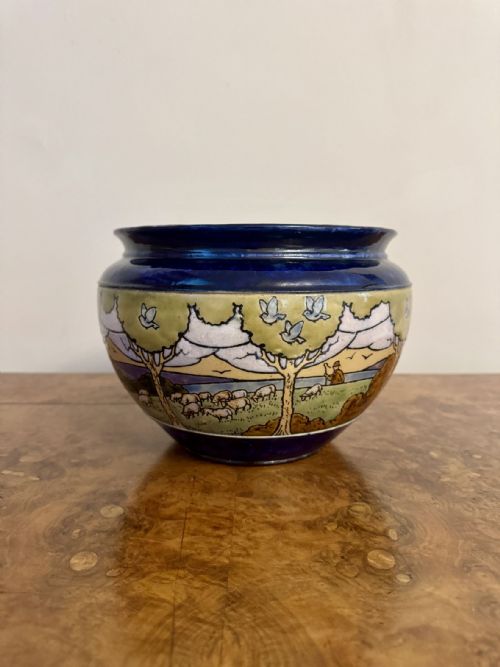
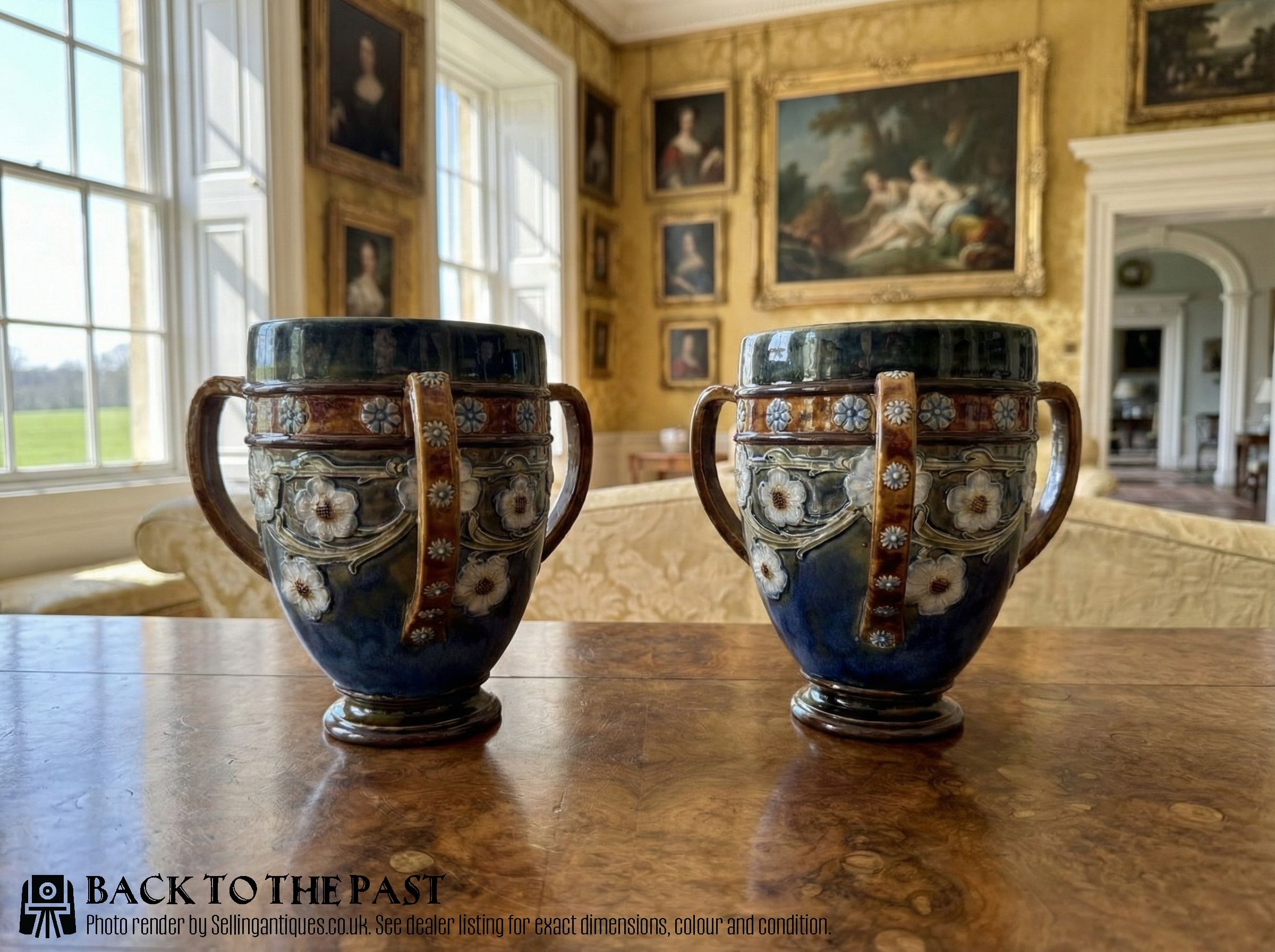
Art nouveau stoneware encompasses heavy, vitrified ceramics shaped during the early twentieth century and the late Victorian era. The selection centres heavily on robust vases, slender ewers, and decorative jardinières carrying distinct organic motifs.
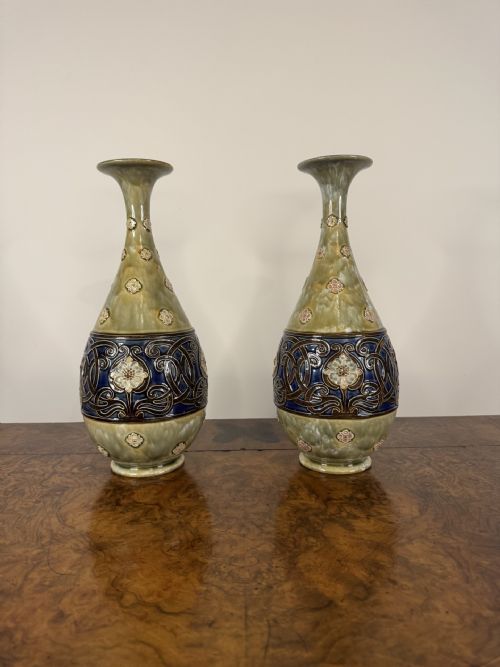
Most examples originate from British potteries working within the broader Arts and Crafts movement. Vases and jugs dominate the offerings, often appearing in balanced pairs suitable for mantelpieces.
Tea sets and tall jardinières on matching stands also surface occasionally, showing the versatility of fired clay during this period. Collectors encounter everything from modest cabinet vessels to large floor-standing display pieces.
How they were made
Potters threw dense stoneware bodies upon wheels or cast them into moulds before applying intricate surface decoration. Artisans hand-modelled floral patterns and geometric borders directly into the damp clay.
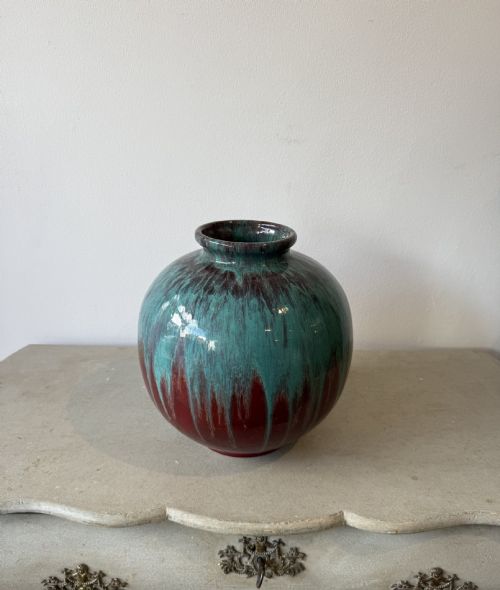
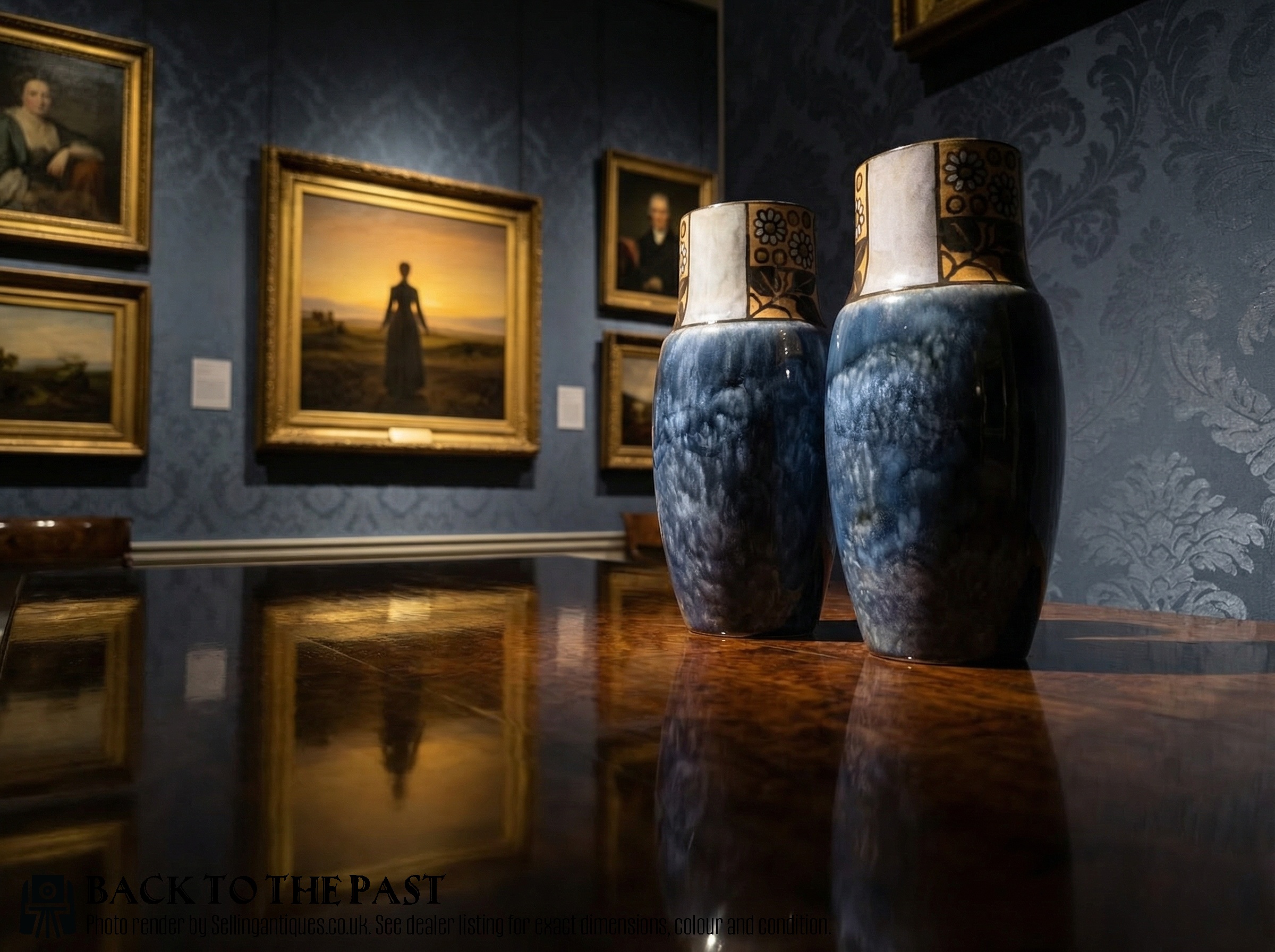
Glazes were then applied by hand, utilising metallic oxides that reacted dynamically during high-temperature firing. This process produced mottled lustres, deep blues, greens, and rich browns unique to each vessel.
Retail Price Guide 2026
Typical UK retail prices for art nouveau stoneware, calculated from the Sellingantiques database of over a million retail prices indexed since 2003. This retail price guide relies exclusively on Sellingantiques data; no external sources or auction records are used, so the figures do not describe the wider market.
Senior studio artists occasionally signed their works with personal monograms, letting careful buyers trace the exact hand behind a vase.
What varies in quality
Quality rests upon the crispness of the modelled decoration and the confidence of the hand-applied glaze. Superior pieces exhibit deeply incised motifs and harmonious colour transitions free from muddy pooling.
The presence of identifiable artist ciphers or full signatures elevates a piece considerably. Well-known studio hands imparted individual artistic flair that separates standard factory output from exceptional studio work.
Royal Doulton·Pierrefonds·Doulton and Slaters
The Art Nouveau Stoneware Glossary
- Stoneware
- A heavy, impermeable ceramic fired at high temperatures until the clay body vitrifies. It rings slightly when struck and resists moisture entirely without a glaze.
- Jardiniere
- A large decorative ceramic pot designed to hold potted plants. These often sit upon matching ceramic stands to elevate them from the floor.
- Ewer
- A large jug with a wide spout and a curved handle, traditionally used for holding water. In this period, they served primarily as decorative ornamental objects.
- Baluster
- A vase form characterised by a bulbous lower portion that tapers upward into a narrow neck. This classical silhouette provided an ideal canvas for flowing vegetal designs.
Frequently Asked Questions
What is art nouveau stoneware?
Art nouveau stoneware comprises heavy ceramic vessels decorated with asymmetric, flowing motifs inspired by natural plant forms. These pieces date predominantly from the late Victorian era through to the early decades of the twentieth century.
Potters utilised durable clay bodies finished with rich, reactive salt-glazes to achieve deep textures and organic colour gradients.
How were these vases used?
These vessels served primarily as decorative ornaments for drawing rooms and parlours during the early twentieth century. Larger items such as jardinières held potted ferns and palms.
Tea sets were produced for formal hospitality, combining practical function with avant-garde aesthetic styling.
How do I date these ceramics?
Dating relies upon factory backstamps, impressed registration numbers, and stylistic markers associated with the Arts and Crafts movement. Period pieces often feature specific lion and crown marks alongside artist initials.
Glaze palettes also shift across decades, moving from muted Victorian tones to brighter Edwardian hues.
How should I display them?
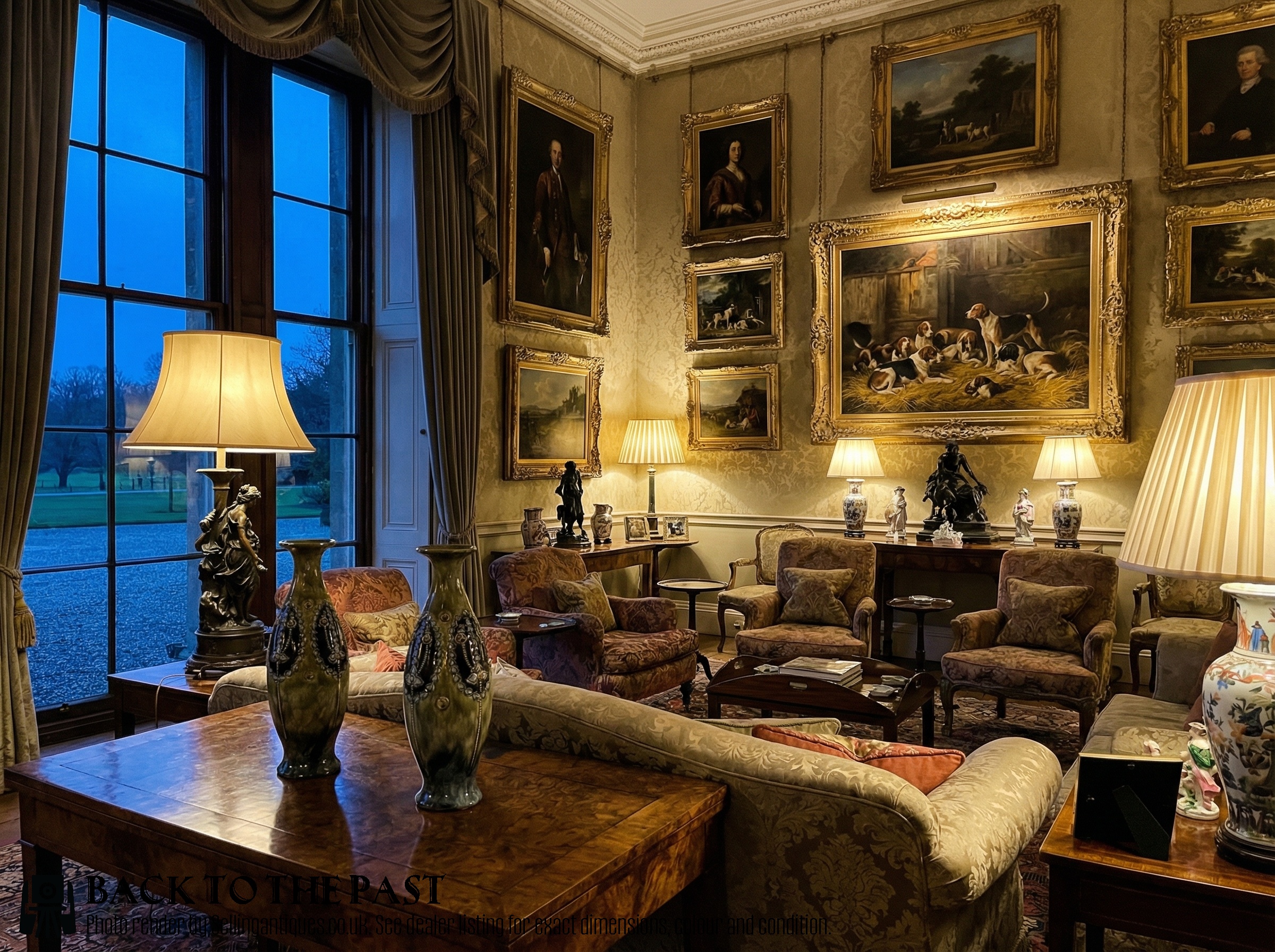
Display these heavy ceramics on sturdy surfaces where their textured glazes catch natural light. Pairing symmetrical vases on a mantelpiece highlights their balanced forms.
Keep them away from direct edges due to their substantial weight and dense stoneware construction.