


Blue Stoneware Vase
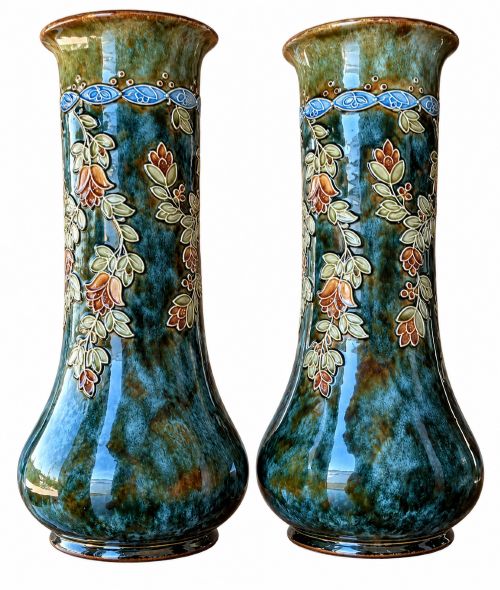
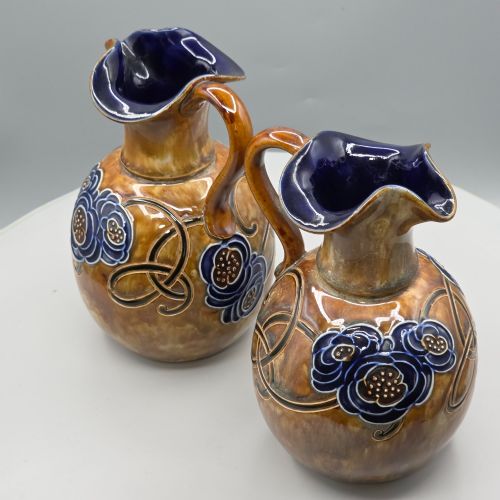
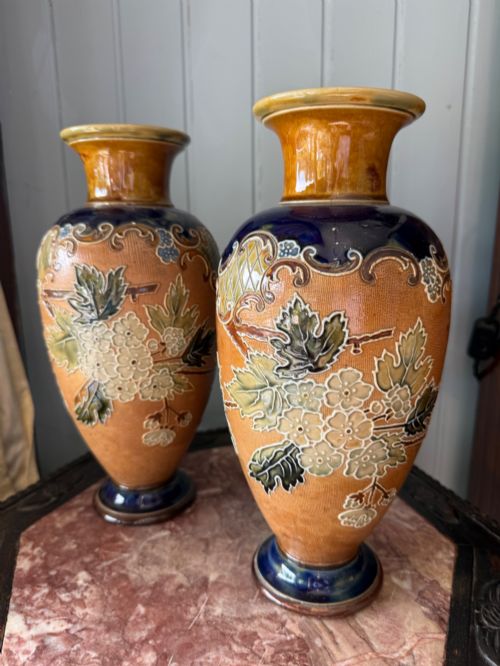
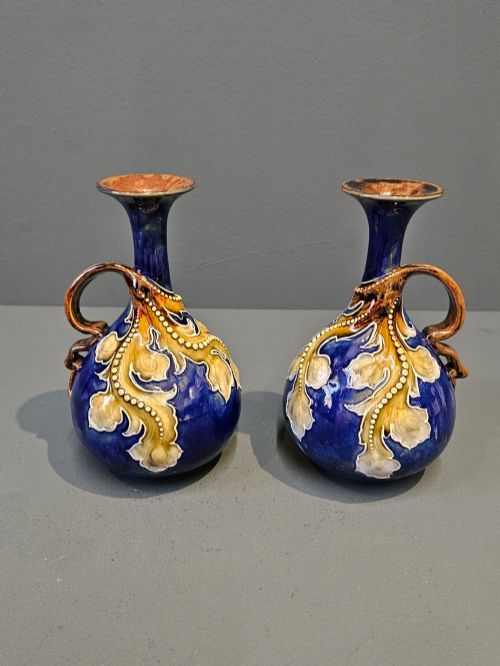
A blue stoneware vase brings dense body and saturated glaze together, offering lasting tactile presence for any mantel or table.
Blue Stoneware Vase
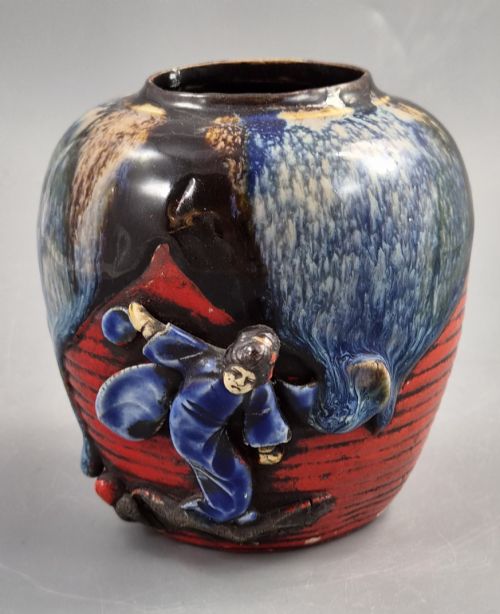
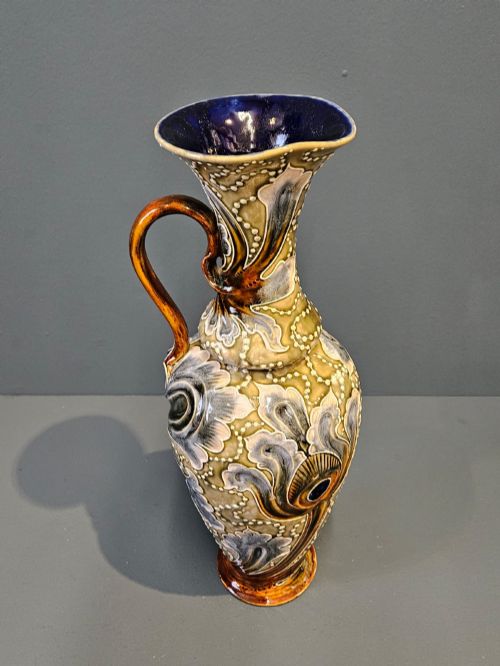
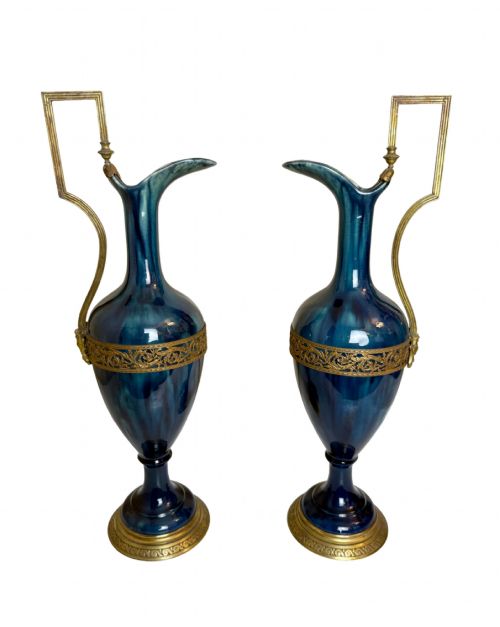
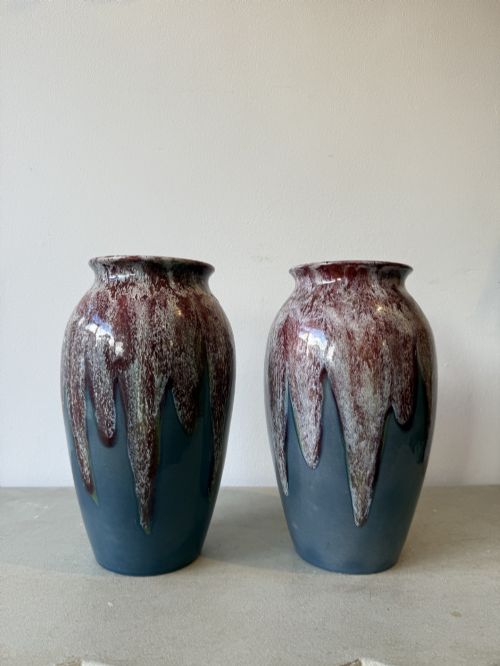
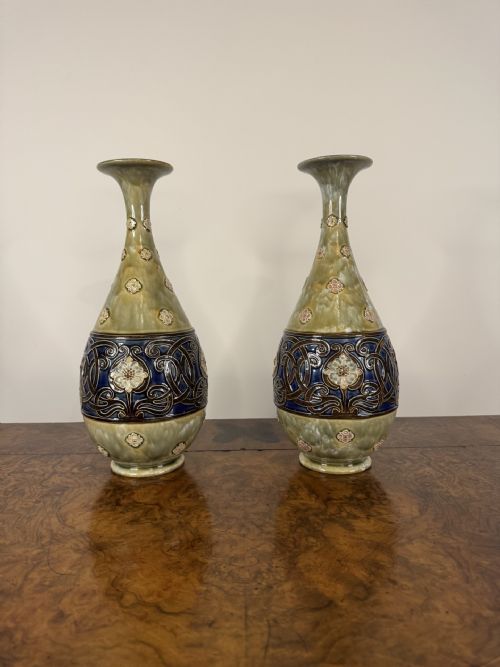
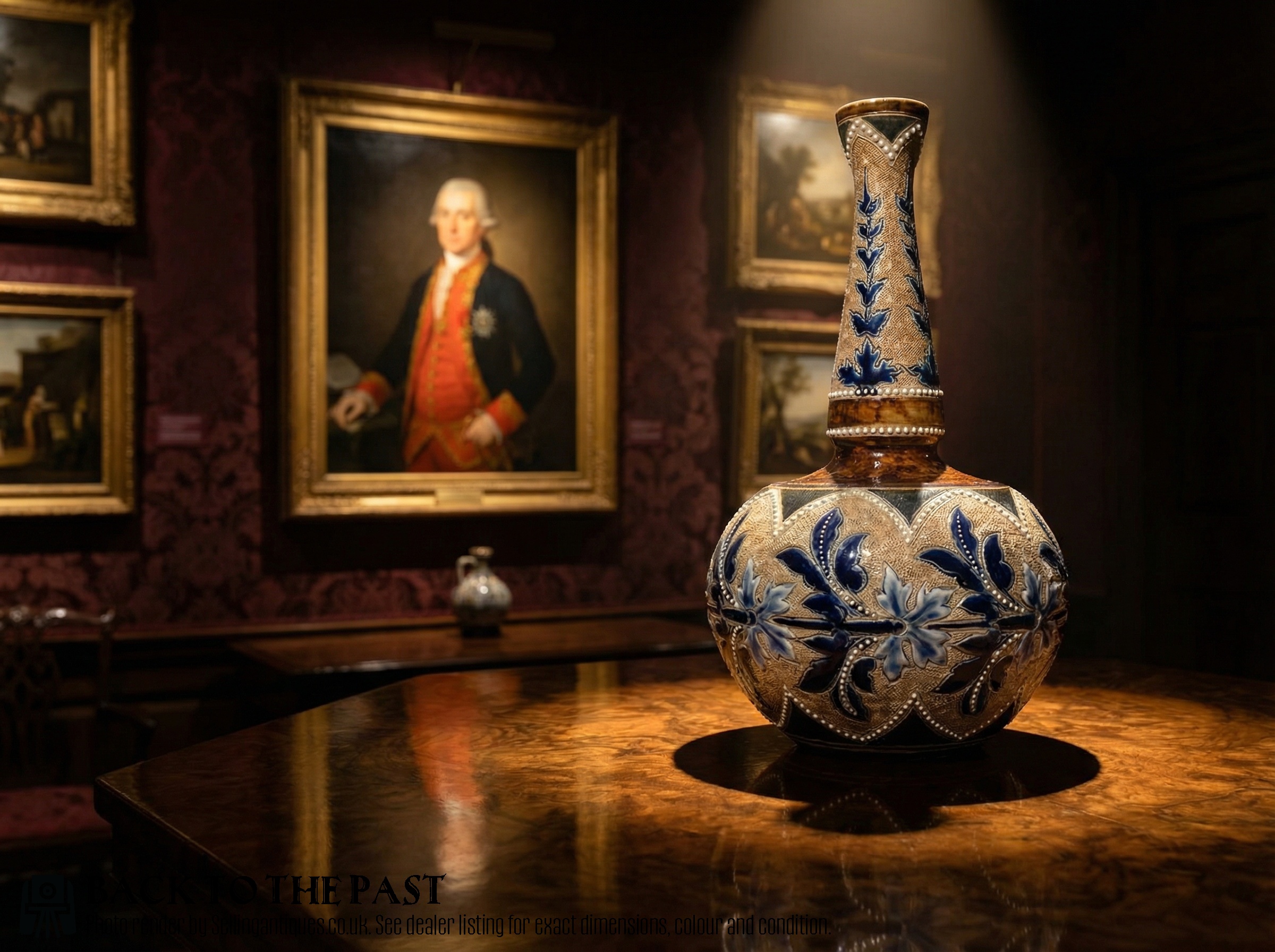
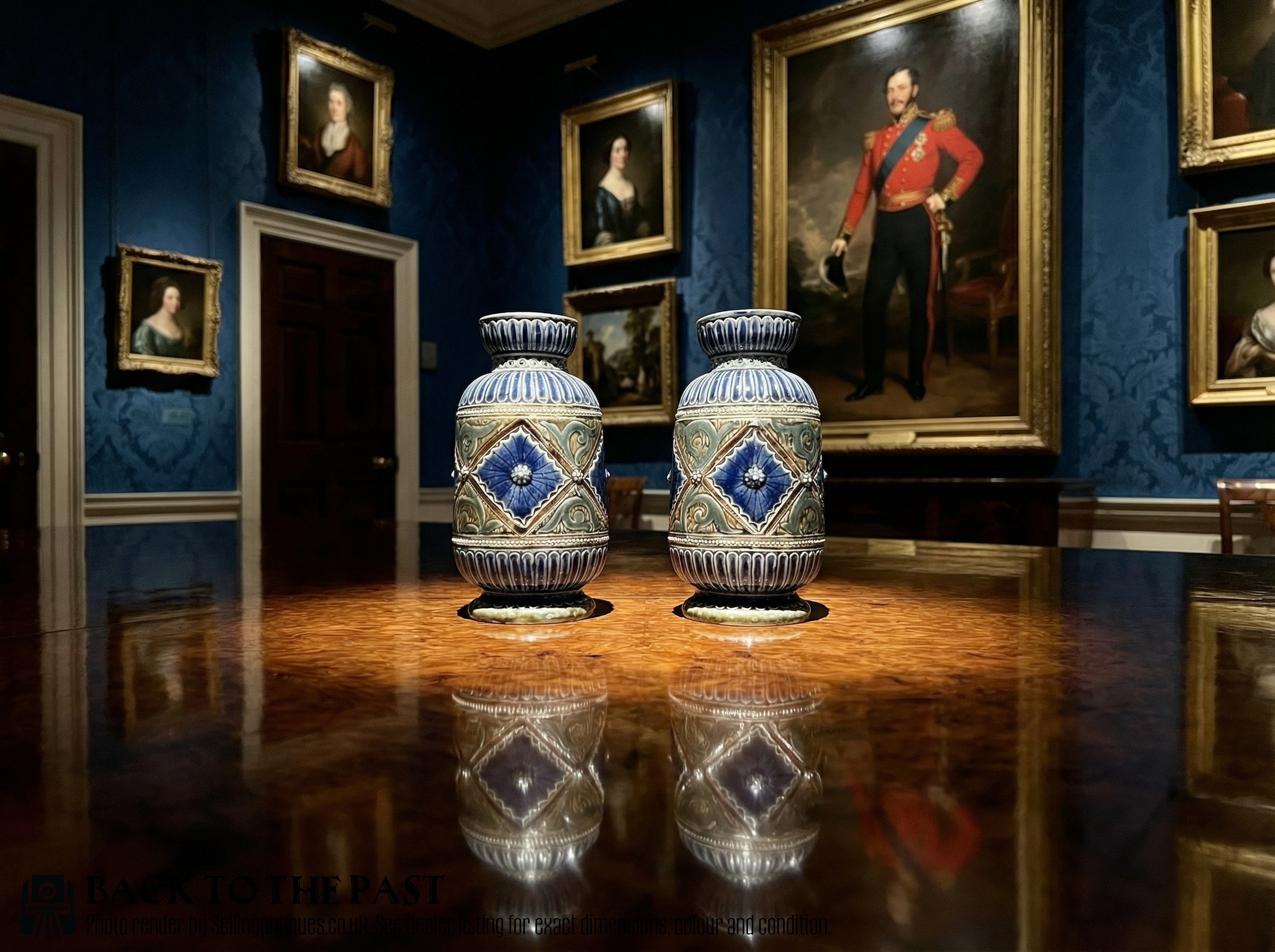
A blue stoneware vase is a heavy, vitrified ceramic vessel designed for display, often found in Victorian, Art Nouveau, and Arts and Crafts iterations. These pieces range from compact mantle items to large baluster vessels, ewers, and jardinieres.
Most examples originate from British potteries operating through the nineteenth and early twentieth centuries, alongside occasional Japanese imports. Collectors encounter standard production runs alongside specialist studio pieces carrying specific decorator ciphers.
How they were made
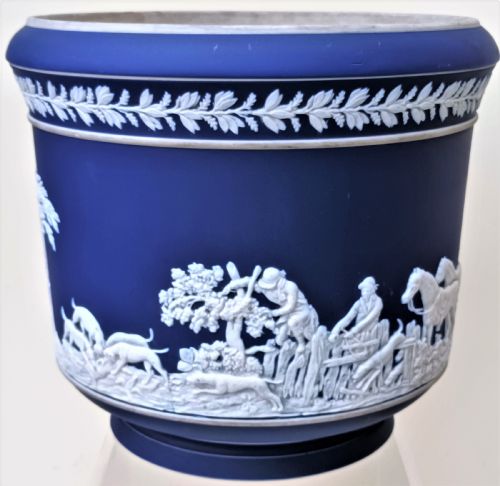
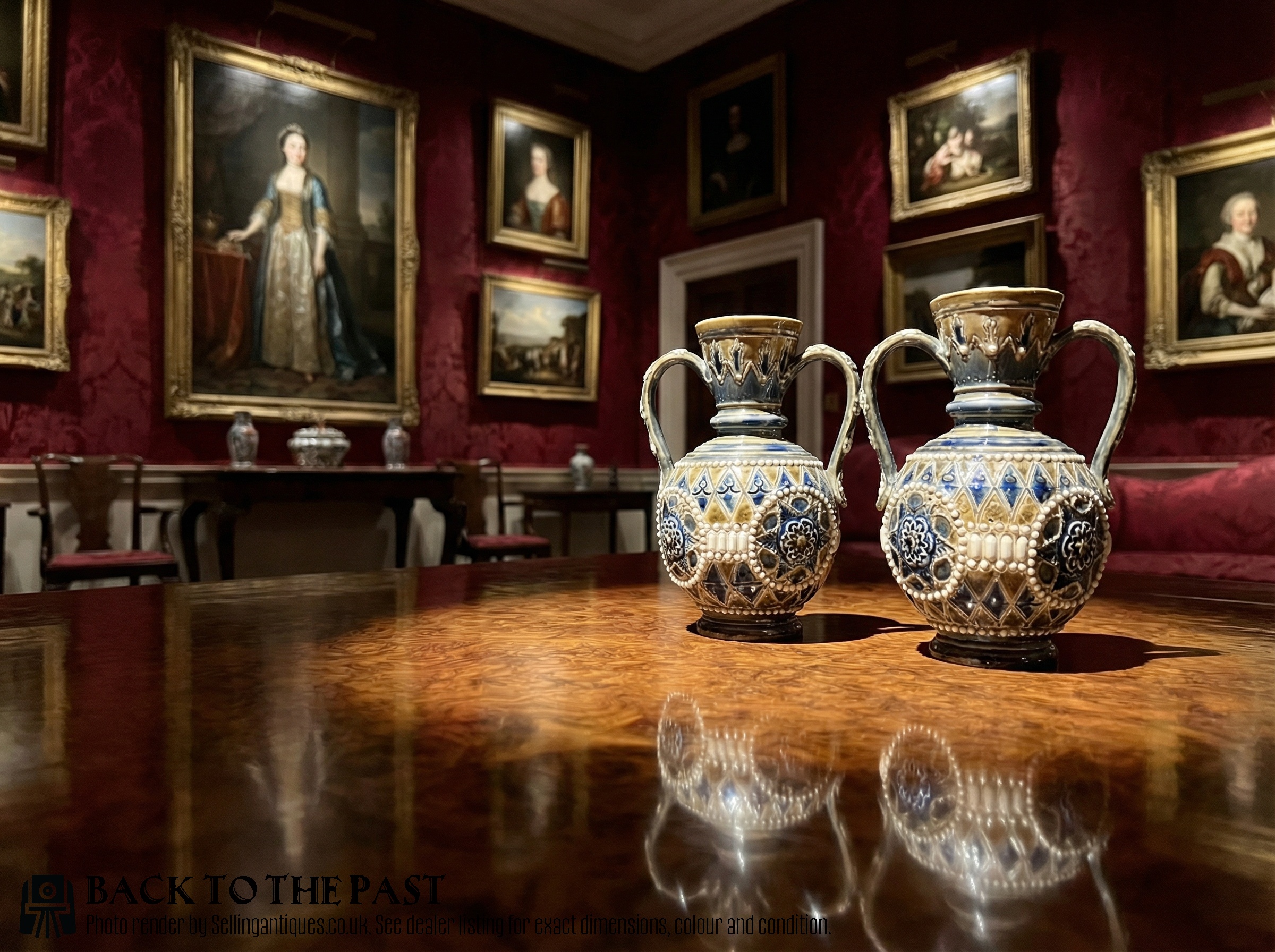
Potters shaped dense stoneware and ceramic bodies on the wheel or via moulds, applying salt glazes, enamel, and flambé surfaces before high-temperature firing. Some vessels incorporate applied white bas-reliefs, gold leaf, or textured slater's patent grounds.
Makers finished individual pieces with hand-painted floral motifs or incised patterns, often crediting specific artists who signed or initialled the completed work.
Blue Stoneware Vase Retail Price Guide 2026
Typical asking prices for blue stoneware vase among the pieces listed under this phrase on Sellingantiques today, from the lower quarter to the upper quarter. They describe what is for sale here now, not the wider market.
Listings feature Victorian and early twentieth century periods, spanning stoneware, jasperware, and glazed ceramic forms.
What varies in quality
Quality rests in the crispness of incised decoration, the depth of the glaze, and the precision of applied relief work. Pieces bearing documented artist ciphers or complex hand-painted enamel stand apart from standard factory output.
The architectural balance of the form and the uniformity of the salt glaze or flambé surface define the upper tier of surviving examples.
Royal Doulton·Doulton Lambeth·William Adams and Sons·Wedgwood·Louisa Wakely·Emma Shute·Emily Edwards·Emily Stormer·Ethel Beard·Florence Barlow
The Blue Stoneware Vase Glossary
- Stoneware
- A heavy, impermeable ceramic fired at high temperatures until vitrified. This dense body resists liquid absorption entirely without requiring interior glazing.
- Jasperware
- A fine-grained, unglazed stoneware developed in the eighteenth century, famous for its matte coloured ground and applied white classical relief figures. It remains tactile and stone-like to the touch.
- Flambé glaze
- A complex fired surface finish producing streaked, mottled patches of crimson, oxblood, and blue. The technique relies on controlled kiln reduction atmospheres.
- Baluster
- A tall vase form featuring a rounded lower body that tapers upward to a narrow neck. This classical silhouette provides a stable base for heavy ceramic walls.
- Jardiniere
- A large decorative pot designed to hold potted plants. These heavy vessels often match the glaze and decorative motifs of contemporaneous vases.
Blue Stoneware Vase: Frequently Asked Questions
What is a blue stoneware vase?
A blue stoneware vase is a durable ceramic vessel fired at high heat, combining vitrified clay bodies with rich cobalt or flambé surface colours. These decorative objects date predominantly from the Victorian era through the early twentieth century.
They function primarily as display pieces, ranging from small domestic mantel ornaments to substantial exhibition-scale ewers and baluster shapes.
How do I identify the maker?
Makers mark their pieces using impressed factory stamps, monogram ciphers, and registration numbers on the unglazed base. Many Victorian and Arts and Crafts examples also feature the distinct hand-painted initials of the individual artist who decorated the surface.
Cross-referencing these monograms with period factory records reveals the exact workshop and decorator.
Are these vases waterproof?
Stoneware bodies are naturally vitrified and non-porous, meaning the clay itself absorbs no water during use. However, antique pieces with applied exterior elements or delicate enamel decoration benefit from careful handling.
Many collectors use waterproof liners inside antique vessels to protect historical interior surfaces from mineral deposits.
How do I style them at home?
These vases suit placement on wooden sideboards, mantels, and display cabinets where their saturated glazes catch natural light. Their substantial weight anchors floral arrangements or stands alone as sculptural forms.
Pairing pieces from the same period unites disparate room schemes through shared material qualities.