



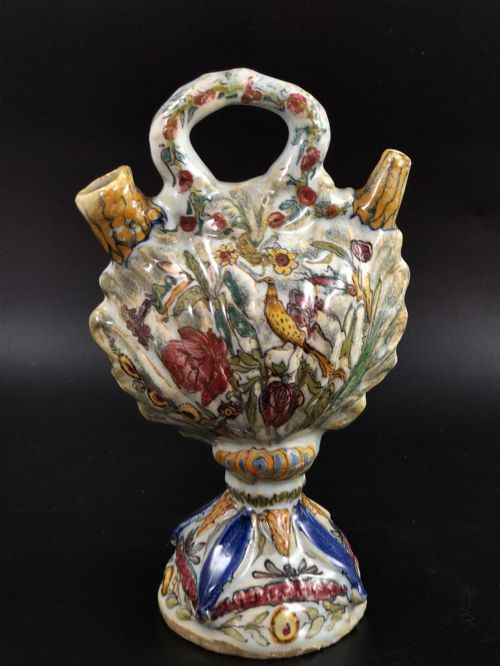
Antique Decorative Ceramics
When you search for antique decorative ceramics, you enter a diverse field of porcelain, earthenware, and stoneware spanning multiple centuries.
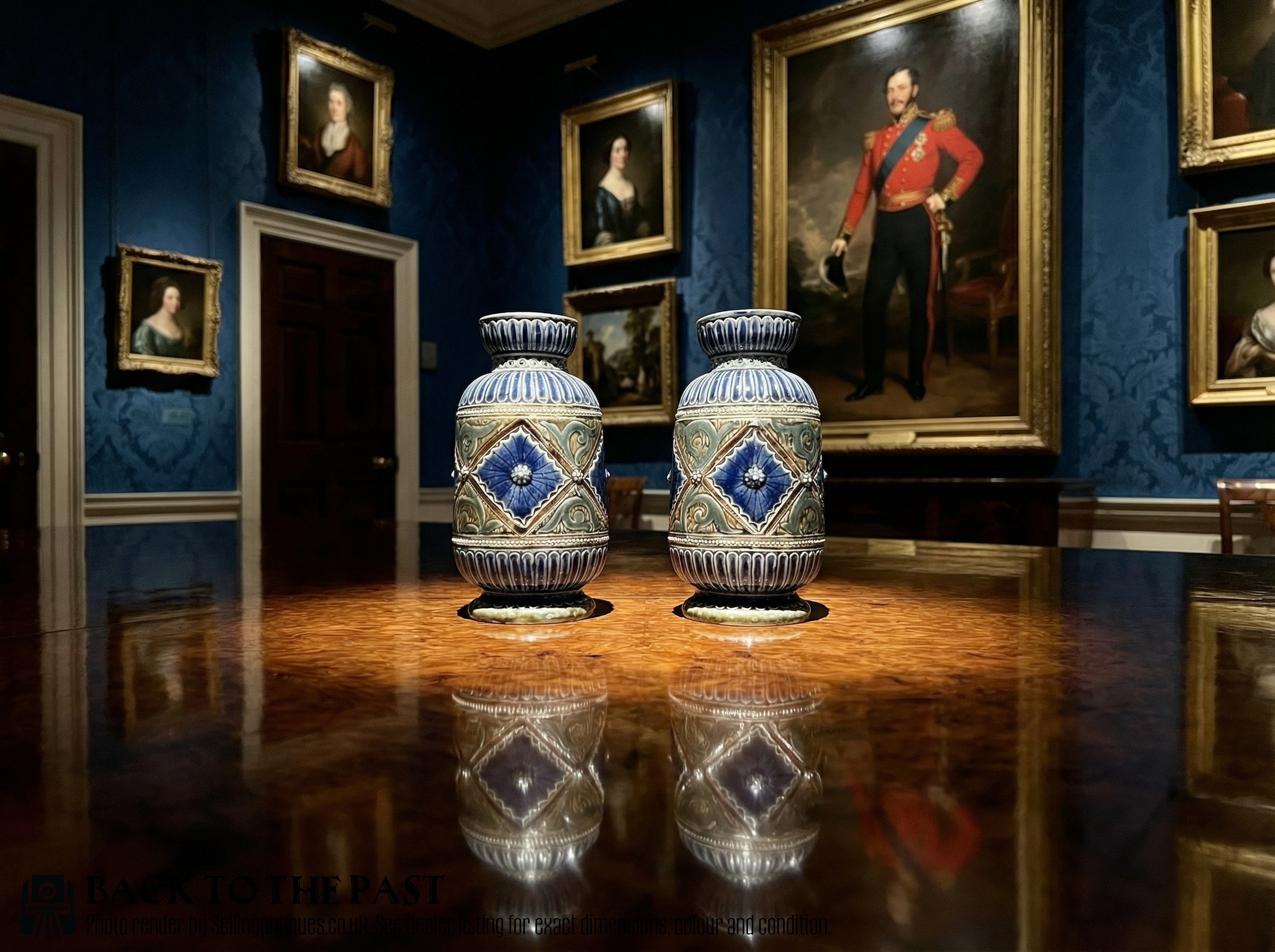
Antique Decorative Ceramics
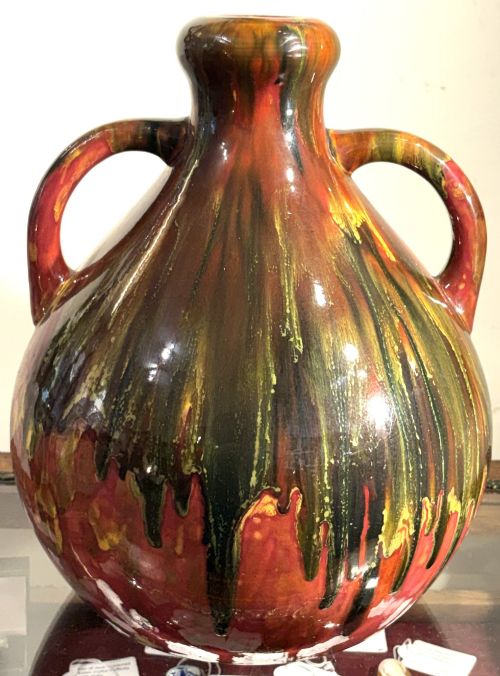
Antique decorative ceramics encompass a wide array of functional and ornamental objects produced across Europe and Asia. The selection on this page relies heavily upon nineteenth-century pieces, alongside eighteenth-century chargers and twentieth-century items.
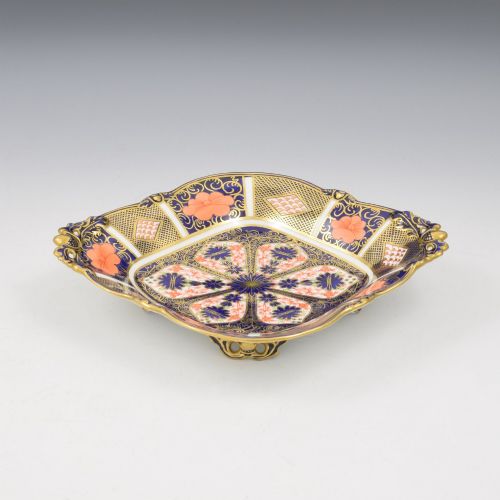
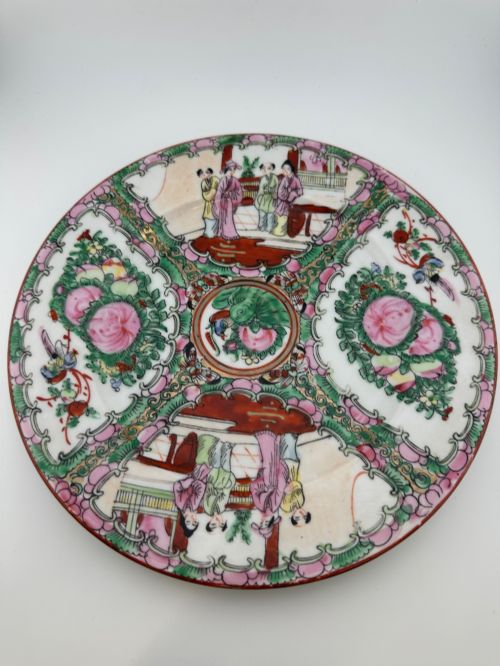
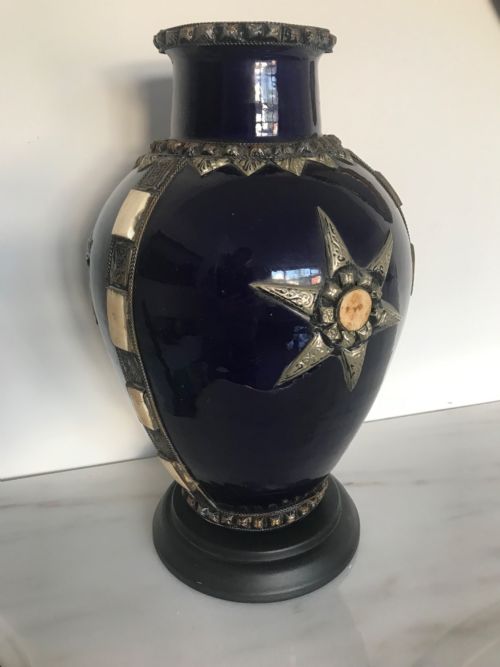
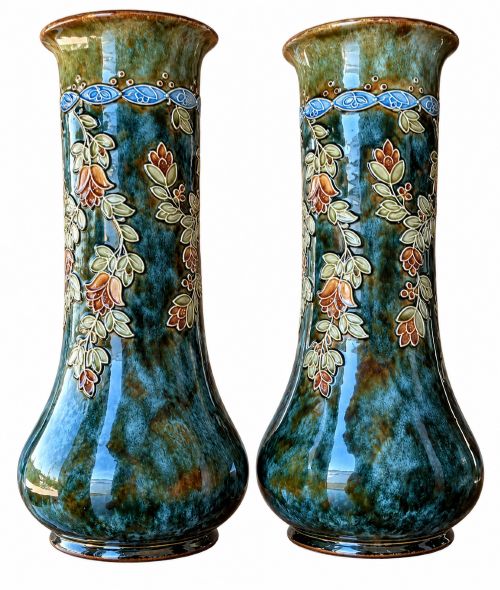
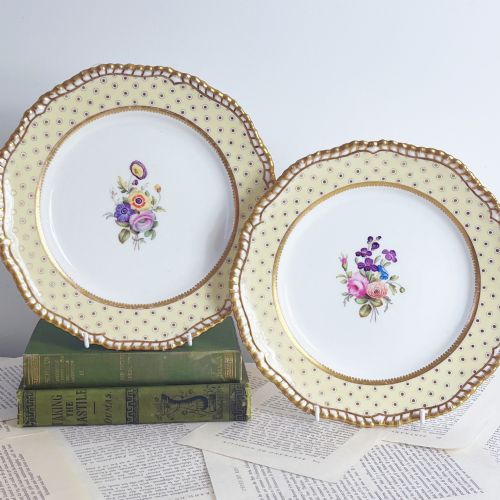
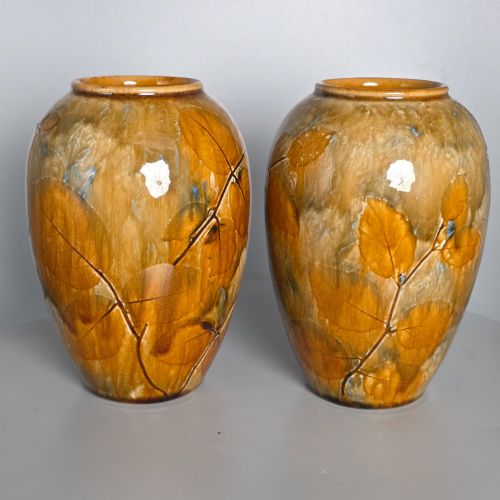
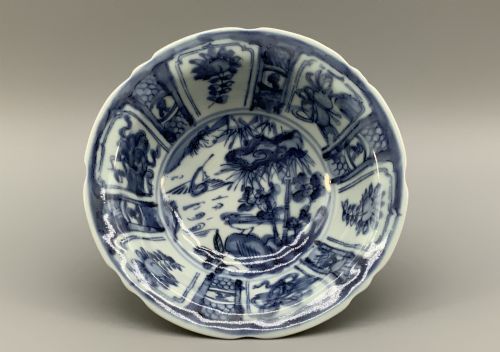
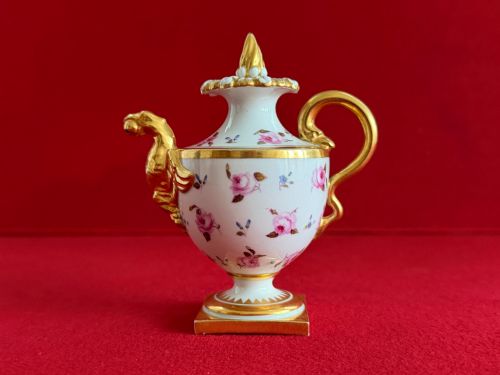
Buyers will encounter bowls, vases, jugs, and chargers shaped from clay, porcelain, and stoneware. Many pieces incorporate decorative elements such as cobalt blue glazes, hand-painted floral patterns, or gilding.
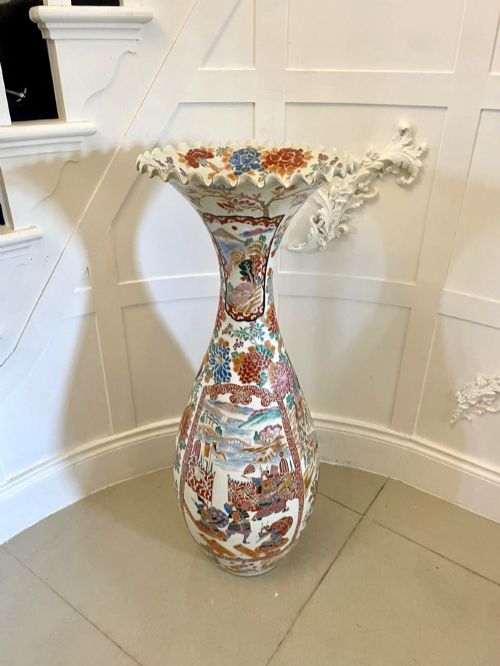
Origins range from English potteries to Japanese kilns and continental factories. These items reflect the domestic tastes and decorative arts of their respective periods.
How they were made
Potters shaped these ceramics using body materials such as porcelain, earthenware, stoneware, and terracotta. Glazes were then applied, including salt glaze, lustre, and enamel finishes, often followed by firing in kilns.
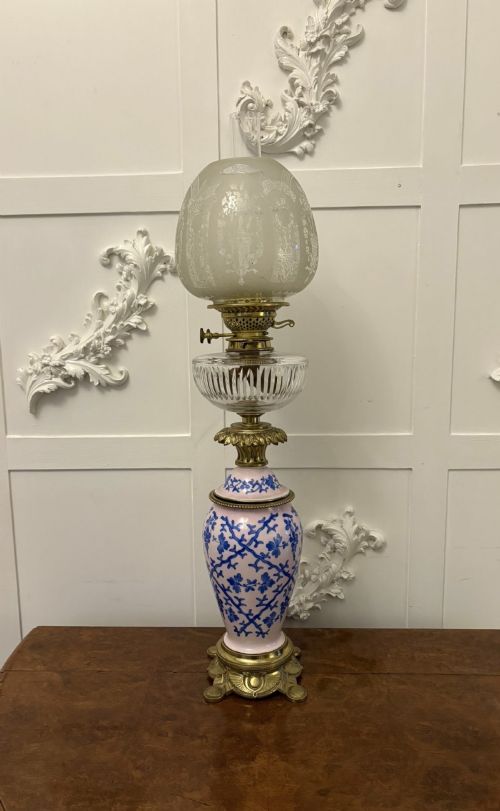
Many items feature additional embellishments applied after the primary ceramic body was completed. These include bronze and ormolu mounts, silver cabochons, and hand-painted surface decoration such as pate-sur-pate.
Listings feature eighteenth-century delftware alongside Victorian stoneware and twentieth-century porcelain from Japanese and European makers.
What varies in quality
Quality in these ceramics depends on the precision of the modelling and the skill involved in the hand-painting or surface decoration. Pieces displaying crisp detail and balanced proportions stand apart from simpler production ware.
The integration of secondary materials also influences the piece. High-quality items often feature well-cast ormolu, bronze, or silver mounts that complement the ceramic body rather than crowd it.
Royal Doulton·Flight Barr And Barr·Royal Crown Derby·Royal Worcester·Meissen
The Antique Decorative Ceramics Glossary
- Imari
- A style of Japanese porcelain decorated in underglaze blue and overglaze iron red, gold, and other colours. This palette was frequently imitated by European potteries.
- Stoneware
- A dense, hard pottery fired at high temperatures until vitrified. It is impermeable to liquids even without a glaze.
- Pate-sur-pate
- A ceramic decoration technique where a raised design is built up in successive layers of liquid clay slip. This creates a cameo-like relief effect against a contrasting background.
- Charger
- A large decorative plate or dish. Rather than serving food at the table, these items were primarily displayed on sideboards or hung on walls.
Antique Decorative Ceramics: Frequently Asked Questions
How do I display antique decorative ceramics safely?
Place vases, bowls, and chargers on stable surfaces away from high traffic areas where they might be knocked. Ensure shelves or cabinets can support the weight of denser items like stoneware and floor-standing vessels.
Keep ceramics out of direct sunlight to prevent fading on hand-painted or enamelled surfaces. Avoid displaying delicate pieces near heat sources that could cause thermal shock to older glazes.
Were these ceramics used daily or just displayed?
Many objects on this page, such as dessert services, jugs, and dairy bowls, were created for domestic service and dining table use. Over time, wear patterns often indicate whether a piece saw active service in a household.
Other forms, including large chargers, decorative plates, and ornamental vases, were intended purely for visual display. These items were designed to showcase wealth and artistic taste within the home.
What is the difference between porcelain and earthenware?
Porcelain is made from refined clay containing kaolin, fired at very high temperatures until the body becomes vitrified and translucent. It is non-porous and rings when struck.
Earthenware is produced from coarser clays fired at lower temperatures, resulting in a porous body that requires a glaze to hold liquids. It tends to be heavier and opaque compared to fine porcelain.
How can I identify the period of a ceramic piece?
Look for factory marks, impressed stamps, or hand-written signatures on the base of the item. Reference numbers and date ciphers often point directly to the year or decade of manufacture.
Examine the style of decoration, glaze composition, and manufacturing technique to narrow down the era. Aesthetic movements, Japonisme influences, and specific regional motifs help date pieces accurately.