


Gilt Leaf Porcelain
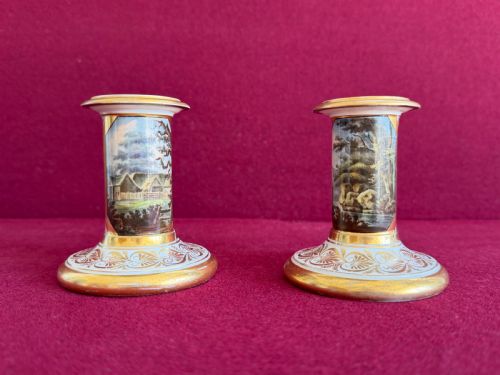
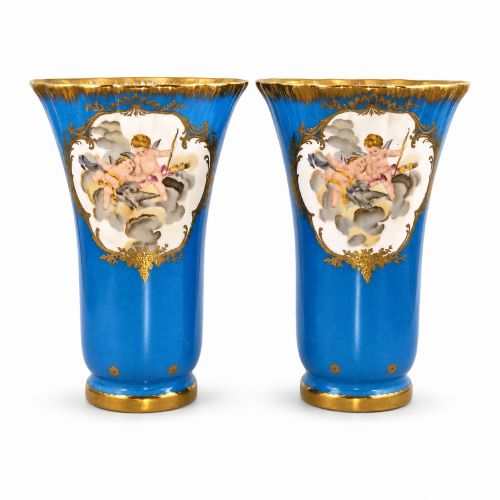
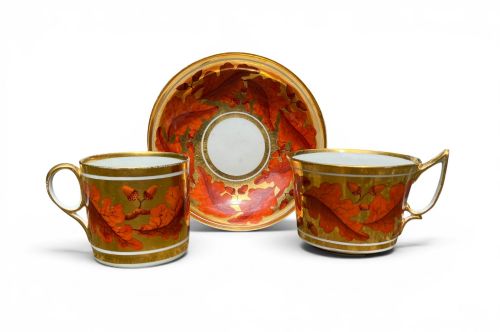
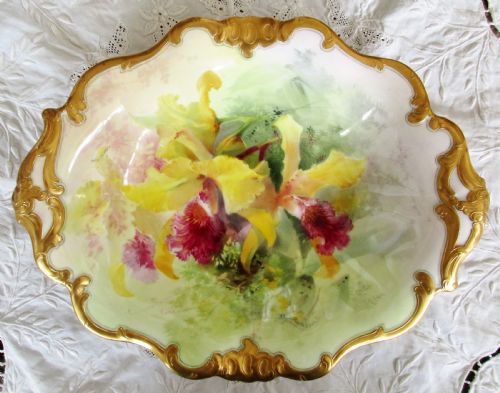
These gilt leaf porcelain pieces bring together metallic ornament and ceramic form, offering a tangible link to Georgian, Victorian, and later decorative traditions.
Gilt Leaf Porcelain
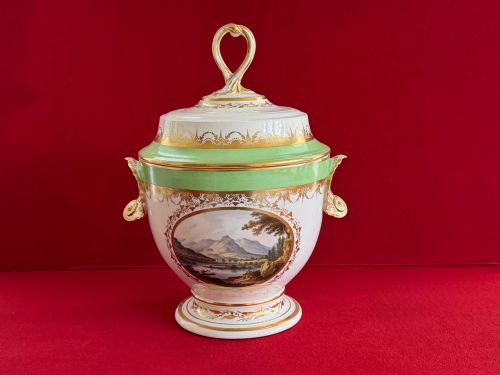
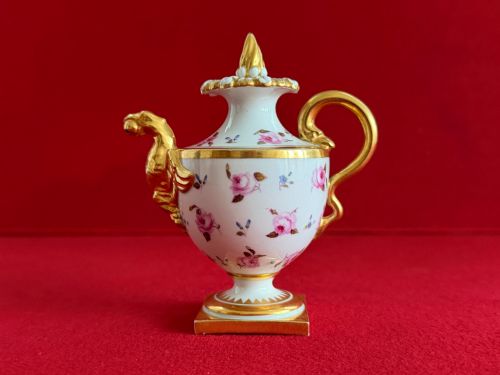
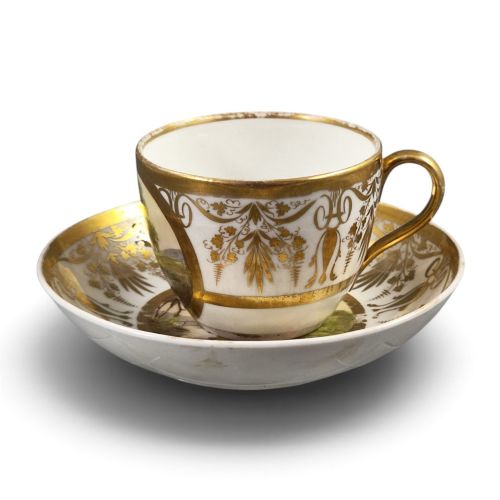
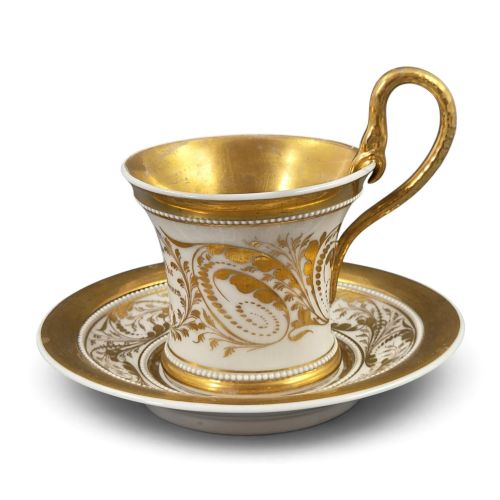
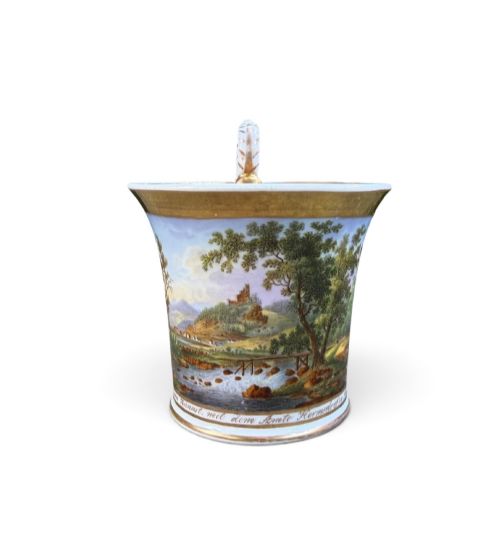
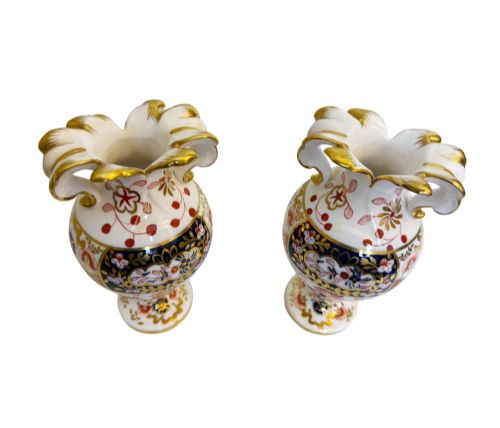
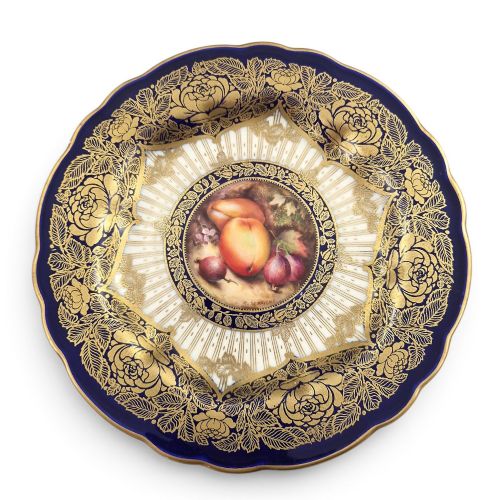
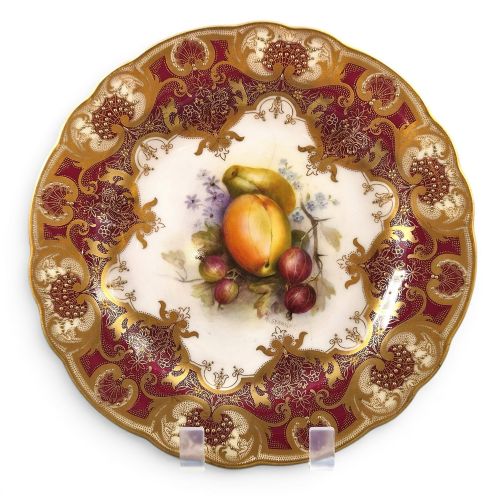
When you search for gilt leaf porcelain, you find items shaped as plates, vases, cups, and dishes that integrate gold leaf or gilding into their ceramic design.
The pieces on this page stem from periods including the Georgian, Regency, and Victorian eras, alongside Meiji period Japanese works and early twentieth-century creations.
Forms range from cabinet plates and ice pails to okimono and garniture vases, originating from English, continental European, and Asian workshops.
How they were made
Makers utilised porcelain, bone china, earthenware, and hard-paste porcelain as the physical body for these items, applying enamel and gold leaf or standard gilding by hand.
Techniques combined high-temperature kiln firing of the ceramic base with subsequent application of metallic leaf and painted scenes, requiring precise control to bond the gold to the glazed surface.
Several items double as vehicles for avian art, featuring hand-painted storks, butterflies, and hidden dragons.
What varies in quality
Execution of the painted and gilt decoration dictates the tier of a piece, separating standard production wares from works bearing named artists and detailed hand-painted landscapes or fruit.
Complexity of form and the presence of documented factory marks also define the range, alongside the crispness of the gilt leaf application and the preservation of the underlying ceramic body.
Flight Barr and Barr·Royal Worcester·KPM Berlin·Crown Derby·Kinkozan
The Gilt Leaf Porcelain Glossary
- Gilding
- The application of gold leaf or powdered gold onto the surface of porcelain. It provides the metallic sheen seen across the decoration of these items.
- Hard-paste porcelain
- A durable ceramic composition fired at high temperatures, typically composed of kaolin and petuntse. It forms the robust body of many continental and Asian pieces.
- Cabinet plate
- A decorative ceramic plate intended for display in a cabinet rather than for dining use. These often feature elaborate hand-painted scenes and gilt borders.
- Moraiage
- A Japanese ceramic technique using raised slip to create textured decorative motifs beneath glazes or metallic leaf. It appears on various Satsuma wares.
Gilt Leaf Porcelain: Frequently Asked Questions
How do I date a gilt porcelain dish?
Dating relies on factory marks stamped or painted on the underside, alongside stylistic cues from periods like the Georgian or Victorian eras. Shape and potting characteristics further narrow the decade of production.
Comparison with documented examples from makers such as Worcester or Crown Derby provides a reliable timeframe for each specific object.
Can I use these plates for serving food?
Most antique cabinet plates and decorated vessels are intended for display rather than daily culinary use. The delicate nature of historic enamels and gold leaf requires careful handling.
Hand washing in lukewarm water without harsh detergents is essential if a piece is ever utilised for dining occasions.
What is the difference between gilt and gold leaf?
Gilt generally refers to any method of applying a gold-coloured finish, which can include liquid gold paints or metallic dust fired onto the glaze. Gold leaf specifically involves beaten sheets of actual gold applied to the surface.
Both techniques appear across the listed items, depending on the period and the workshop traditions of the maker.
How should I clean antique porcelain?
Gentle dusting with a soft brush is the safest method for maintaining items with intricate gilt decoration. Moisture should be kept to a minimum to protect vulnerable enamel and metallic layers.
Avoiding abrasive cloths prevents the gradual wearing away of hand-applied details over years of ownership.