




British Art Pottery
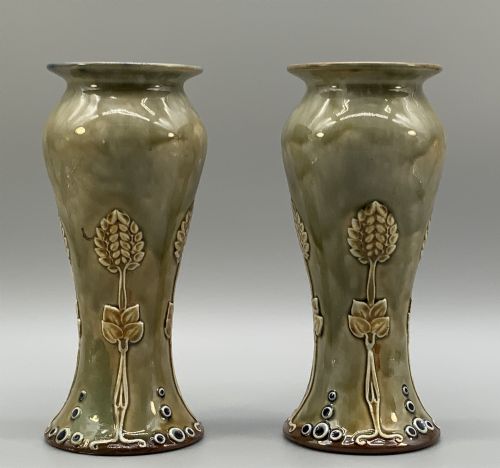
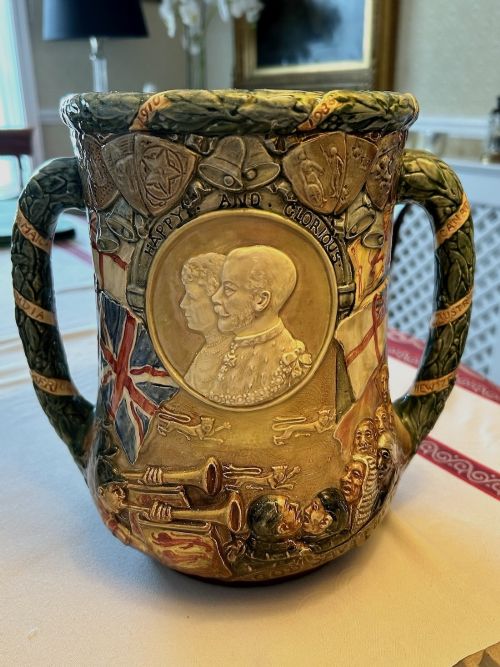
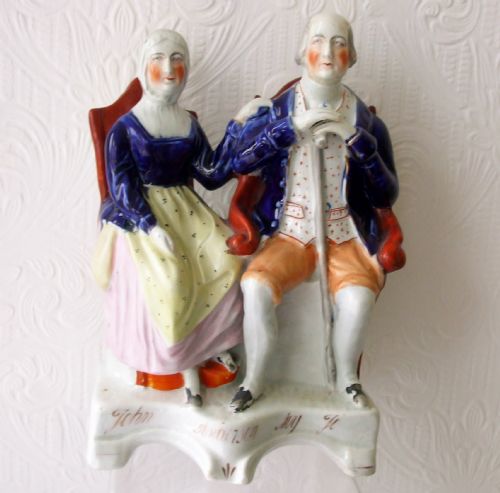
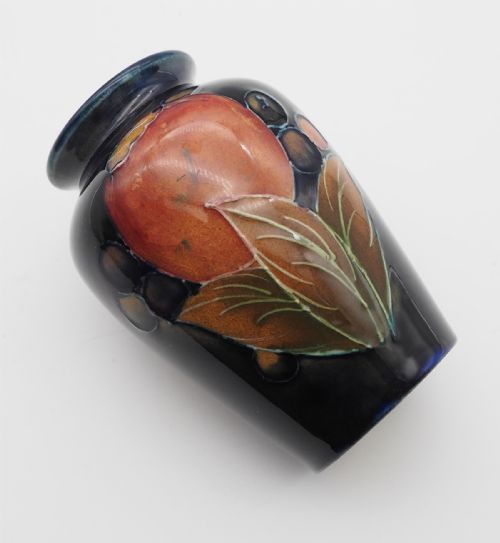
British art pottery encompasses handcrafted ceramic vases from the late nineteenth century, prized by collectors for their distinctive glazes and Arts and Crafts origins.
Identifying British art pottery
Makers such as Doulton Lambeth dominate the offerings, showcasing the shift from industrial output to studio-led craftsmanship. These pieces represent a pivotal movement in British ceramic history.
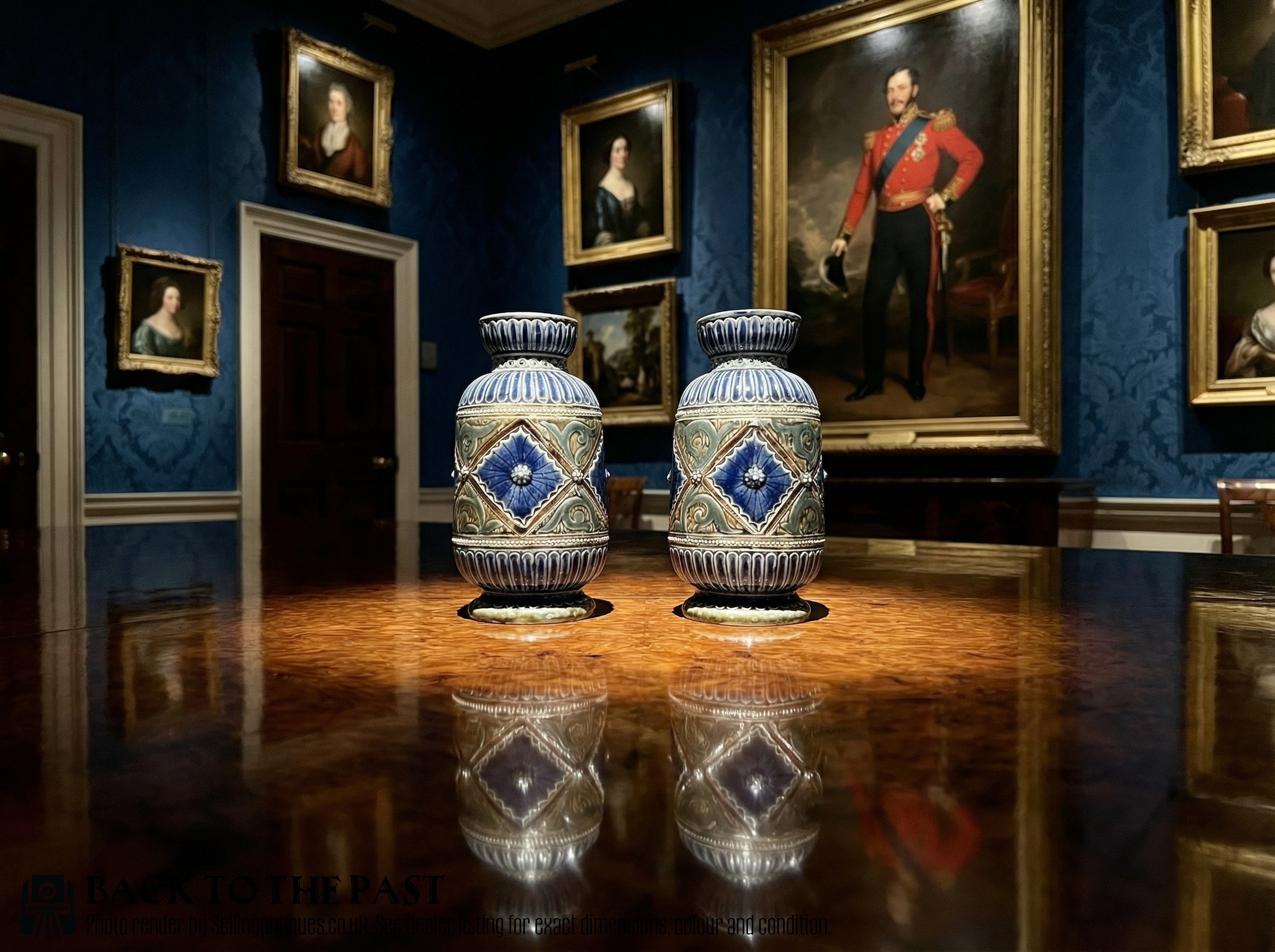
Vases form the primary object type available in this category, often appearing individually or as matched pairs. Each item reflects the specific decorative techniques favoured by late Victorian workshops.
Manufacturing and materials
Makers utilised robust stoneware and ceramic bodies to form the structure of each vase. These dense materials provided a stable canvas for subsequent surface decoration and glazing.
Specialised glaze formulations were applied to the fired clay, creating distinctive textures and visual depths upon the vessel surface. The interaction between the glaze and the underlying ceramic defines the finish of these objects.
Early Victorian potters occasionally left faint thumbprints in the wet clay, preserving a silent, permanent handshake across the centuries.
Assessing quality
The distinction between standard production and superior examples rests upon the execution of the surface decoration and the application of the glaze. Master decorators achieved greater control and artistic expression on finer pieces.
Attribution to named artists, such as Emily Edwards, elevates the standing of an object within the field. Signed or marked works demonstrate individual authorship that separates them from anonymous studio output.
Doulton Lambeth·Emily Edwards·Wedgwood
The British Art Pottery Glossary
- Stoneware
- A type of vitreous pottery fired at high temperatures until the clay body becomes non-porous. This material provides exceptional durability and a dense base for decorative glazes.
- Arts and Crafts
- A design movement promoting handcraftsmanship and traditional techniques in response to industrialisation. This ethos heavily influences the aesthetics of nineteenth-century studio ceramics.
- Doulton Lambeth
- A prominent London pottery studio known for producing artistic salt-glazed stoneware. Their workshops nurtured notable ceramic artists during the Victorian era.
- Glaze
- A glassy coating fused to ceramic surfaces through firing, used for decoration and sealing. Variations in its composition produce matte, glossy, or textured finishes.
Frequently Asked Questions
What is british art pottery?
British art pottery comprises handcrafted ceramic pieces produced by studio potters and factories during the late nineteenth century.
These works emphasise artistic design and glaze experimentation over mass-produced utility.
How do I date these vases?
Dating relies upon stylistic markers, period materials, and workshop stamps impressed into the stoneware body.
Pieces originating around 1880 often display distinct Victorian or Arts and Crafts characteristics that anchor them in time.
Who made these pieces?
Production was centred around prominent potteries and individual artists working within the British ceramic tradition.
Names such as Doulton Lambeth and decorators like Emily Edwards frequently appear on authenticated examples.
Where should I display them?
These vases require stable surfaces away from heavy foot traffic to protect their historic ceramic bodies.
Positioning them in natural light allows the nuanced glazes and decorative details to be fully appreciated.