
Antique Art Pottery
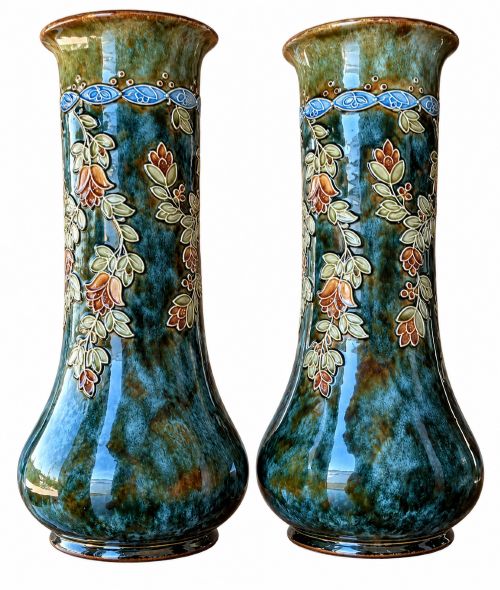
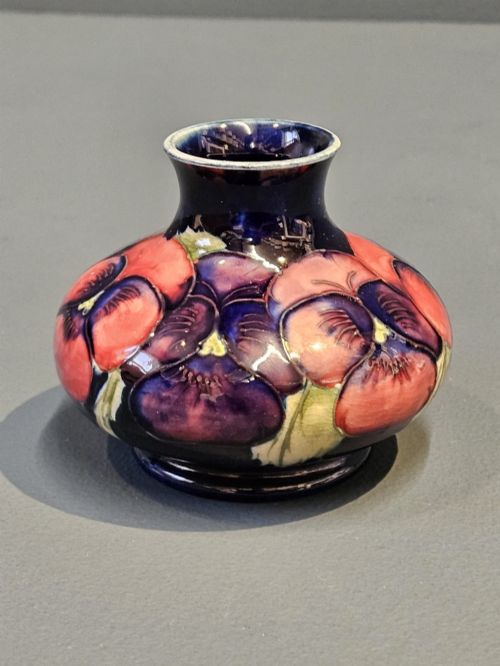
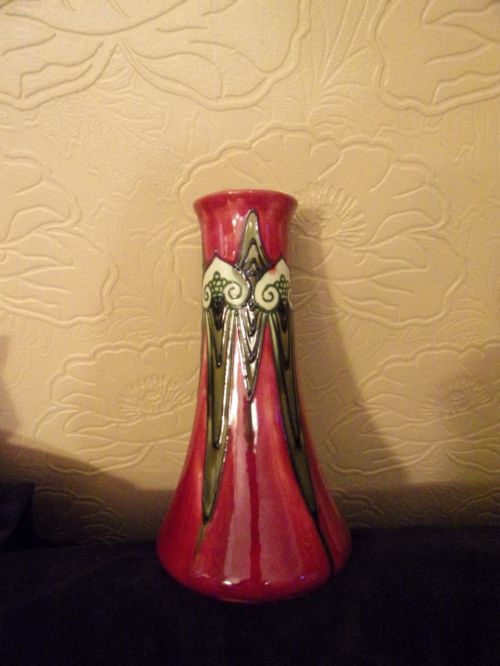
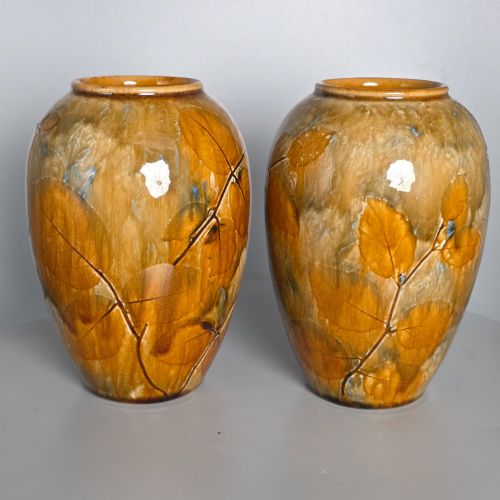
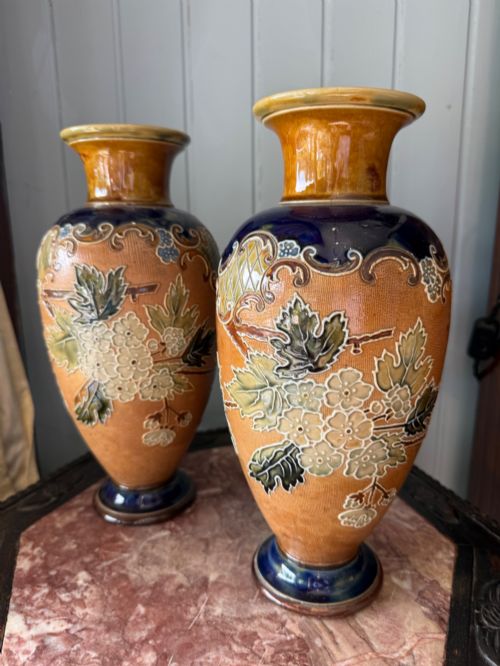
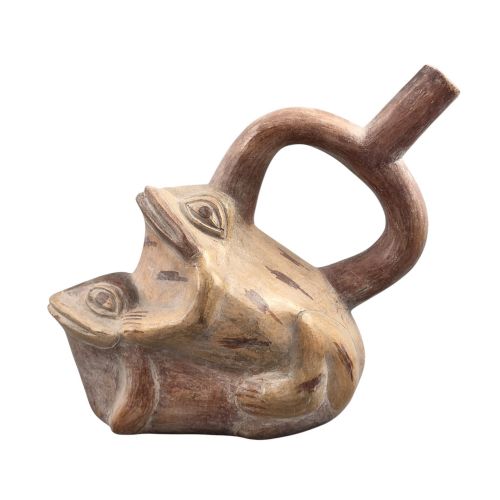
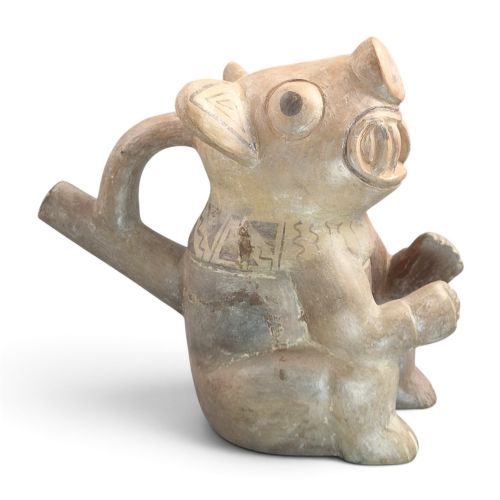
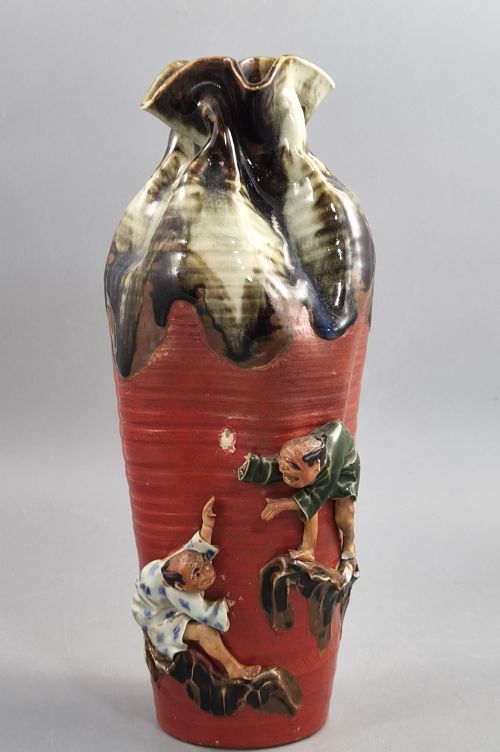
Antique art pottery brings sculptural form and rich glaze effects into your home, uniting the hand of the maker with domestic utility.
Understanding antique art pottery
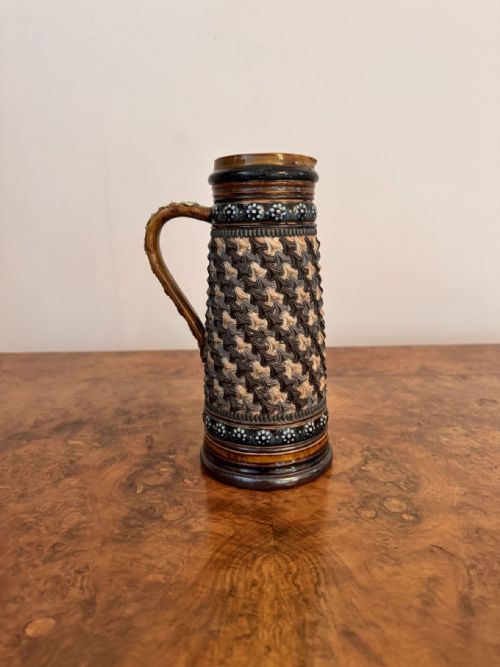
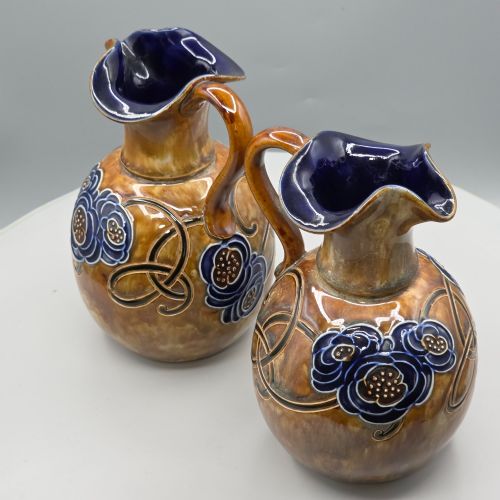
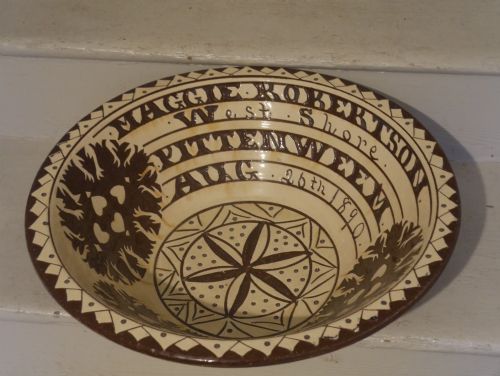
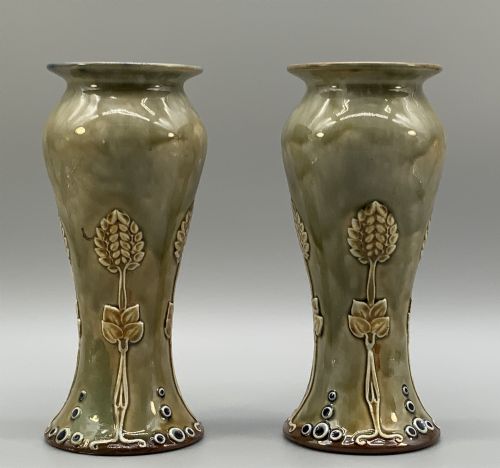
When you search for antique art pottery, you encounter a diverse range of vessels and decorative items produced during the late nineteenth and early twentieth centuries. These pieces reflect the shift from industrial mass production to studio and factory-based artistic expression.
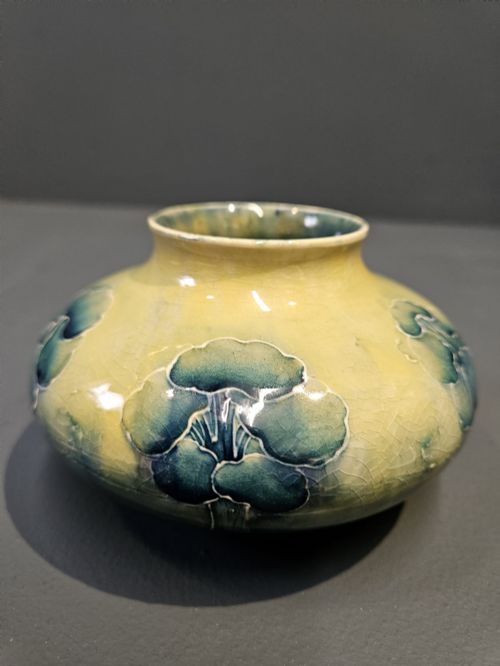
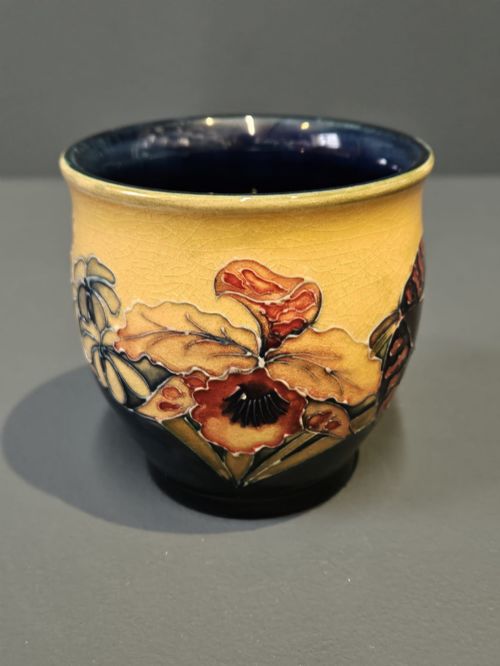
You are most likely to meet vases, chambersticks, and decorative jars from periods such as the Edwardian era, 1900, 1910, and 1920. Styles spanning Arts and Crafts and Art Nouveau dominate the selection, highlighting organic motifs and experimental studio glazes.
Earlier pieces in the broader record include seventeenth-century German stoneware and Georgian transfer-printed wares, though the core focus remains on turn-of-the-century studio and factory productions.
Materials and production methods
Potters utilised earthenware, ceramic, and stoneware bodies to form these decorative objects, often shaping them on a wheel or moulding them by hand. The choice of clay body directly dictated how the piece would hold its glaze in the kiln.
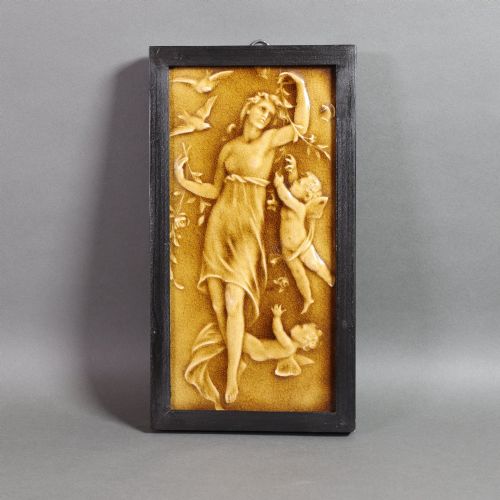
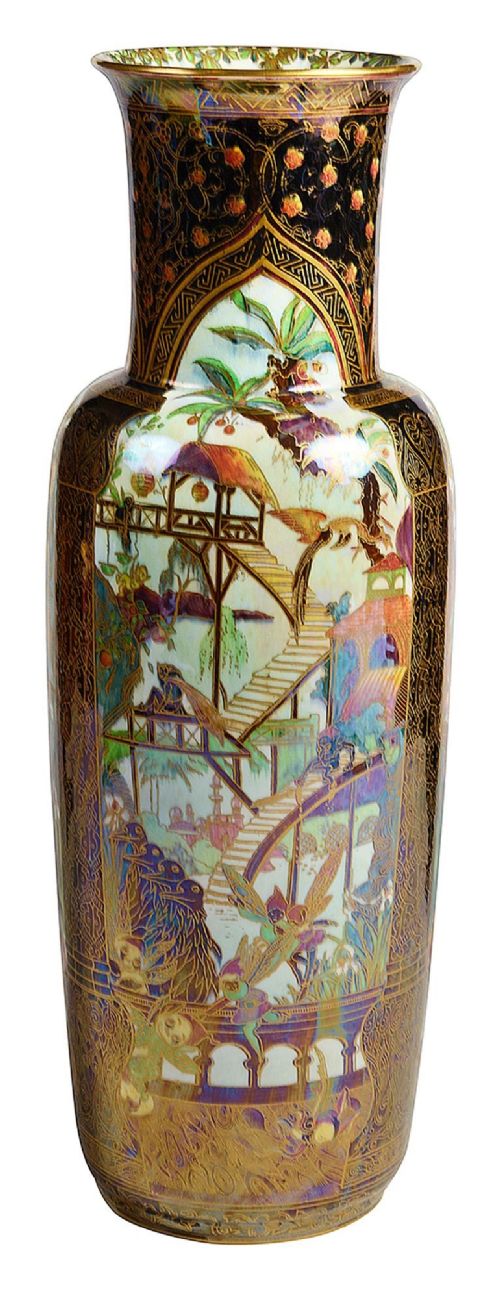
Surfaces were finished with complex glazes, sometimes enhanced with gold leaf accents to highlight raised decorative elements. The interplay between the ceramic body and the chemical reactions in the kiln produced the distinct coloration seen across the pieces.
Retail Price Guide 2026
Typical UK retail prices for art pottery, calculated from the Sellingantiques database of over a million retail prices indexed since 2003. This retail price guide relies exclusively on Sellingantiques data; no external sources or auction records are used, so the figures do not describe the wider market.
Listings feature items from the 1880s through to the 1920s, encompassing Edwardian productions alongside earlier seventeenth and nineteenth-century examples.
Judging quality in ceramic pieces
Quality rests primarily on the control and depth of the glaze effect, distinguishing experimental studio finishes from standard commercial output. A successful glaze exhibits rich variation in tone and texture without disruptive flaws.
The crispness of the modelling and the balance of the form dictate the aesthetic success of the piece. Superior examples display confident throwing and harmonious proportions that elevate utilitarian items into true decorative art.
Moorcroft·Doulton Lambeth·Royal Doulton·Brannam·Bernard Moore·Bretby
The Antique Art Pottery Glossary
- Stoneware
- A robust, vitrified ceramic fired at high temperatures that becomes impermeable to liquid without needing a glaze. It often appears in dense, weighty historical jugs and vases.
- Earthenware
- A porous pottery body fired at lower temperatures, requiring a vitreous glaze coating to hold water. It provides a warm, slightly softer base for decorative painting.
- Arts and Crafts
- A design movement valuing handcraftsmanship, traditional materials, and reform of industrial production methods. Objects from this style emphasise simple utility and honest construction.
- Art Nouveau
- An international style characterised by organic, flowing lines, asymmetrical plant motifs, and sinuous curves. It heavily influenced ceramic decoration around the turn of the twentieth century.
- Chamberstick
- A low candleholder featuring a wide drip pan and a loop handle for carrying from room to room. These domestic items were frequently rendered with artistic ceramic glazes.
Frequently Asked Questions
What is the difference between earthenware and stoneware?
Earthenware is fired at lower temperatures, leaving the clay body porous and slightly softer, which means it requires a glaze to hold liquids. It forms the base for many decorative plates and brightly coloured transfer wares.
Stoneware is fired much hotter until the clay vitrifies, making it dense, heavy, and naturally waterproof even before glazing. This material was historically favoured for robust jugs and durable utility vessels.
How can I tell Arts and Crafts pottery apart?
Arts and Crafts pottery typically displays hand-modelled forms, visible throwing lines, and organic textures that celebrate the labour of the maker. The decoration often draws inspiration from nature, focusing on simplified floral or geometric motifs rather than ornate rococo revival styles. Number codes, studio ciphers, and artist monograms frequently appear underneath the base rather than standard factory printed marks. The glazes tend to be earthy, muted, or matte rather than overly glossy.
What period do most art pottery pieces belong to?
The majority of decorative art pottery pieces originate from the late nineteenth century through to the early decades of the twentieth century. This era encompasses the Edwardian period, 1900, 1910, and 1920 productions.
During this window, potteries embraced studio experimentation, leading to the distinct Art Nouveau and Arts and Crafts styles seen across vases and decorative jars. Earlier historical pieces from the seventeenth and nineteenth centuries appear less frequently.