
Victorian Decorative Vase
A victorian decorative vase brings nineteenth-century drawing-room display to a mantel or console through varied ceramic and metal forms.
Victorian Decorative Vase
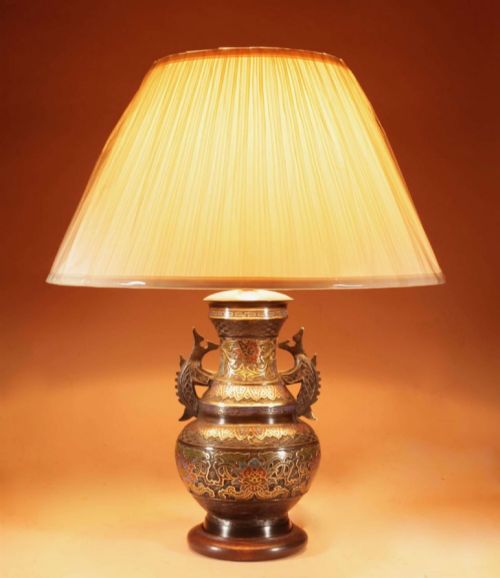
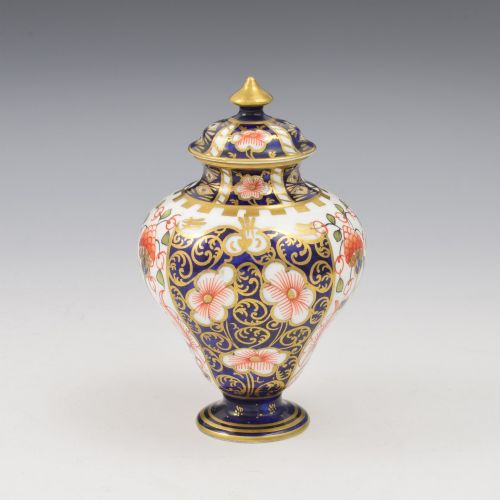
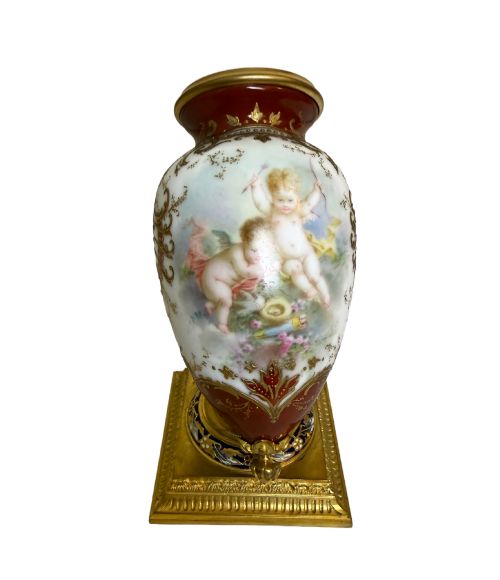
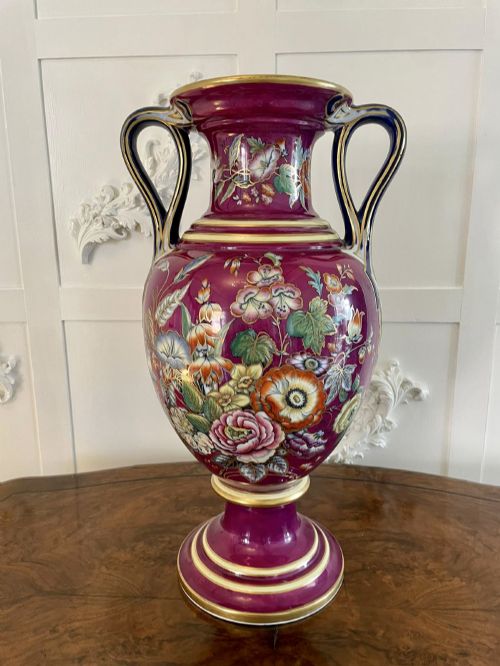
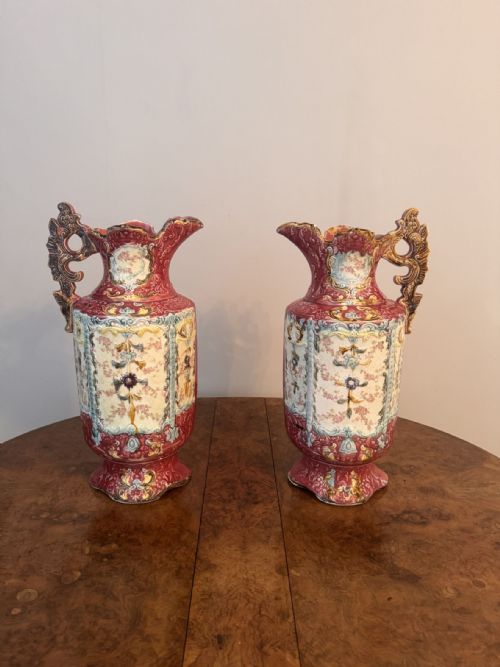
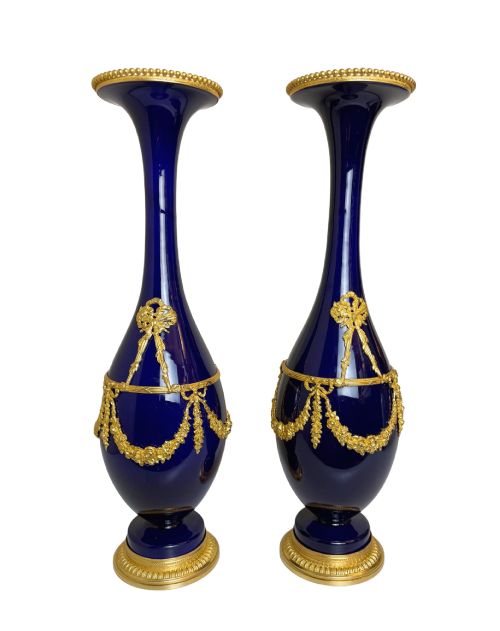
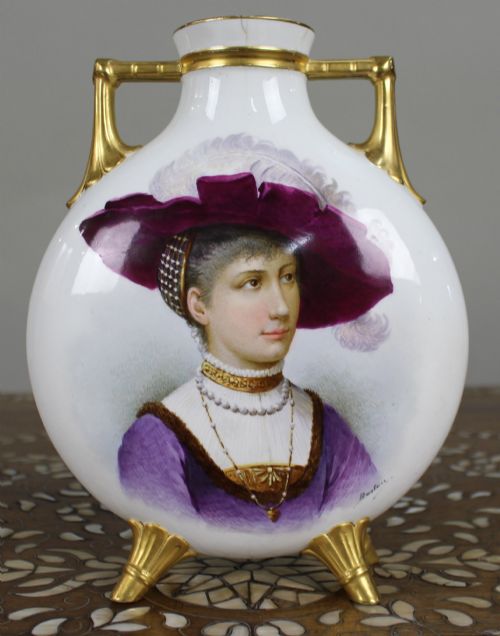
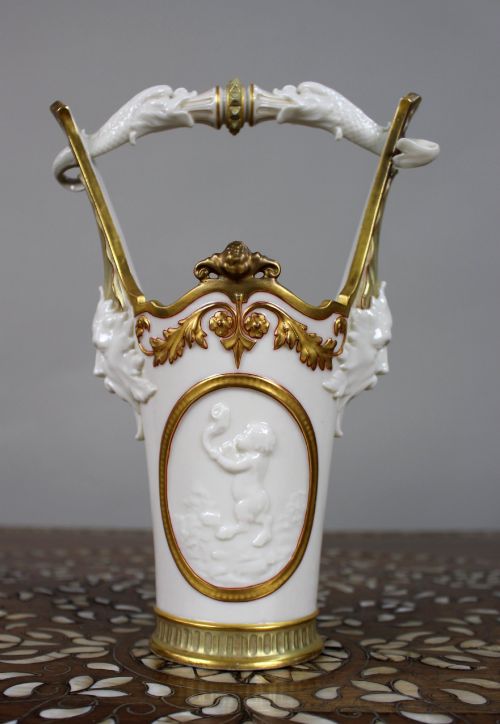
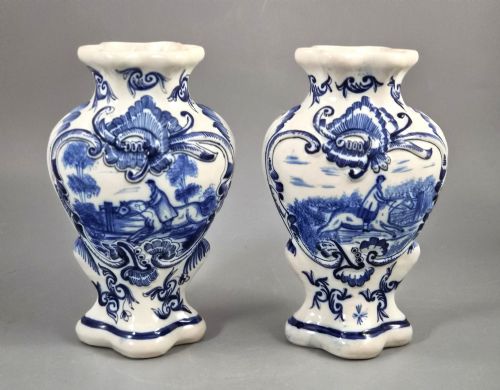
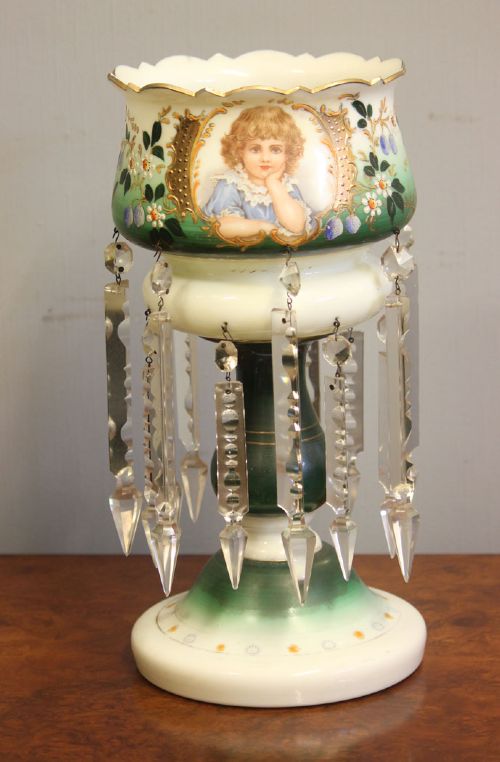
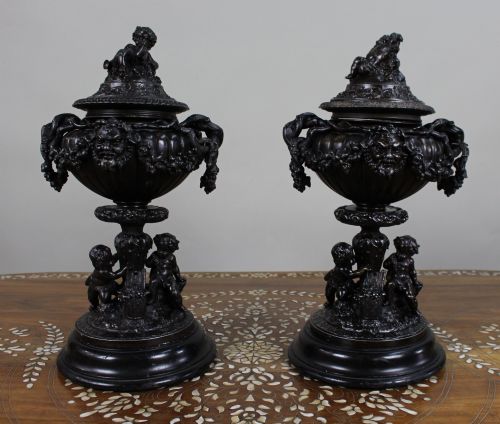
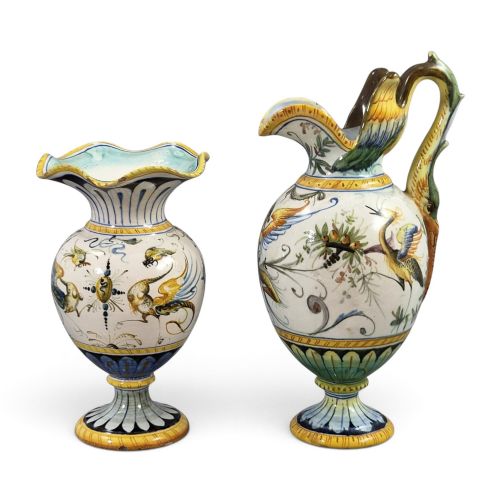
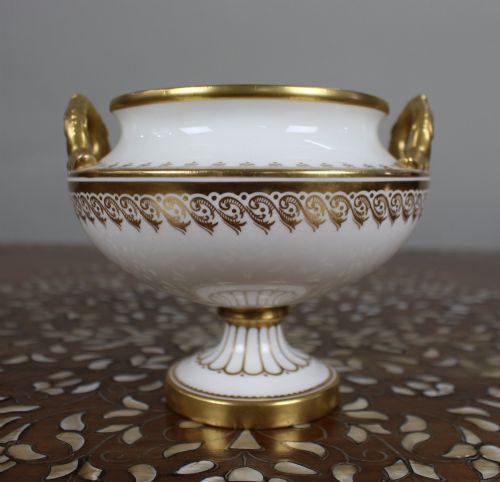
A victorian decorative vase encompasses diverse nineteenth-century display vessels, from porcelain campana shapes and earthenware ewers to bronze urns and pottery mantel lustres. The examples seen here range across English Staffordshire and Doulton factories, continental porcelain from Worcester, Derby, and Dresden, alongside Japanese bronze and ceramic imports.
Buyers meet pairs intended for symmetrical mantelpiece placement as often as single cabinet pieces, spanning ceramic baluster profiles, moon flasks, and handled ewers. Styles shift between neoclassical formality, French rococo revival, and arts and crafts interpretation within the Victorian and Edwardian periods.
Materials and Technique
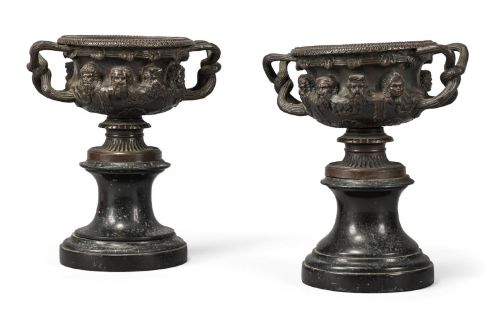
Pottery and porcelain bodies utilise hand painting, transfer printing, and rich gilding, alongside specialised glazes such as majolica, faience, and blush ivory. Bronze, brass, spelter, and silver provide cast and patinated metal alternatives, occasionally incorporating champleve enamel or applied gold leaf.
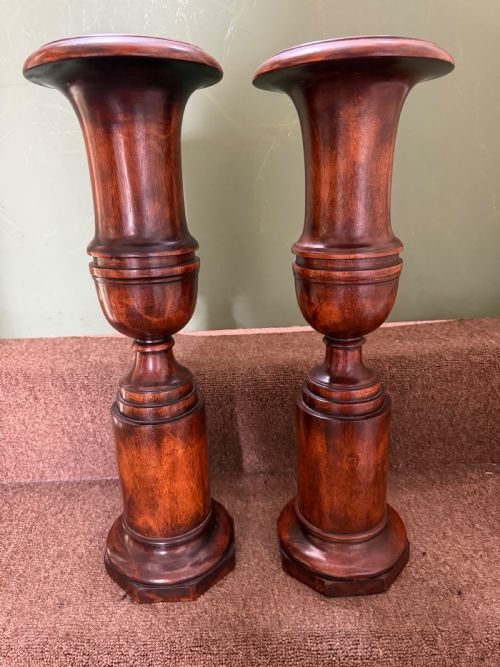
Turned wood variations employ walnut and lignum vitae for carved structural form, while secondary techniques include reticulated piercing, shell decoration, and hand-tooled metalwork.
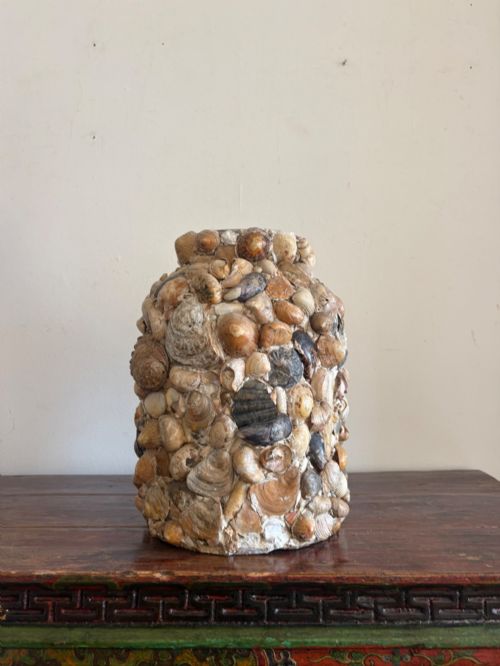
Several Victorian households repurposed humble seashells to coat ordinary jars, transforming coastal beach finds into elaborate parlour display vases.
Markers of Quality
Quality rests in the crispness of the casting or the precision of the ceramic hand painting, where named artists or established factory marks elevate standard production pieces. Weight, balance, and the preservation of original gilding or patination separate everyday utilitarian wares from exhibition-grade examples.
The sophistication of the design, whether in the modeling of bacchic masks on bronze urns or the intricate piercing of reticulated porcelain, dictates the standing of each piece.
Royal Crown Derby·Sevres·Fourmaintraux-Courquin at Desvres·Cantagalli Florence·Burmantoft's Pottery·Doulton Lambeth·Helena Wolfsohn Dresden·Thomas Webb·Royal Worcester·Ridgeways·Grainger Worcester·Mettlach Pottery·Stevenson and Hancock
The Victorian Decorative Vase Glossary
- Campana
- A bell-shaped urn or vase form popular in neoclassical design, frequently mounted on a square pedestal base.
- Ewer
- A large jug with a wide spout and arched handle, often produced purely for display alongside matching vases.
- Majolica
- A type of earthenware coated with an opaque tin glaze and painted with brightly coloured metal oxides.
- Lustre
- A ceramic finish utilising metallic glazes to produce an iridescent, reflective surface sheen.
- Reticulated
- Openwork decoration formed by cutting or piercing geometric or floral patterns through the ceramic wall before firing.
Victorian Decorative Vase: Frequently Asked Questions
How were Victorian decorative vases displayed?
These vessels typically occupied prominent positions on drawing-room mantelpieces, often arranged as balanced pairs flanking a clock or garniture set. Console tables and cabinet tops also accommodated them to showcase colour and form.
Larger urns and pedestal pieces stood directly on hearths or specialised wooden stands to anchor a room's decorative scheme.
Can I use these antique vases for fresh flowers?
Most ceramic and glass examples hold water safely, though precious metals, delicate earthenware, and unglazed pottery require caution to prevent interior staining or moisture damage. Metal liners or protective florist tubes often protect fragile historical interiors.
Many antique forms, particularly heavy bronze urns or narrow-necked cabinet pieces, served strictly as decorative ornaments rather than functional flower holders.
What defines the Neoclassical style in these pieces?
Neoclassical design draws directly on ancient Greek and Roman motifs, utilising symmetrical urn shapes, acanthus leaf scrolling, and classical handles. Decoration tends toward restrained gilding, architectural banding, and classical figures rather than asymmetric naturalism.
This aesthetic dominated nineteenth-century formal drawing-room displays alongside later revival movements.