


Hand Painted Porcelain Vessel
A hand painted porcelain vessel brings together centuries of ceramic artistry, offering decorative forms from Chinese jars to Victorian urns that define a room.
Hand Painted Porcelain Vessel
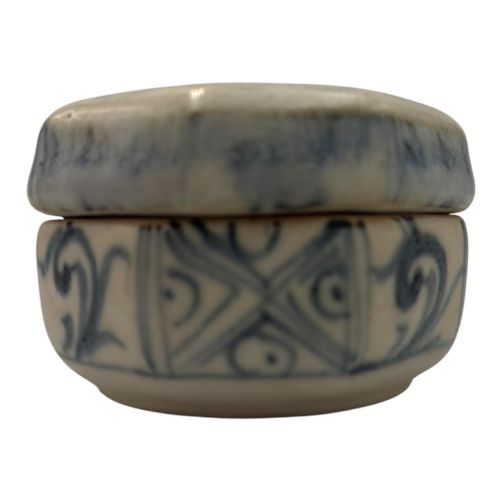
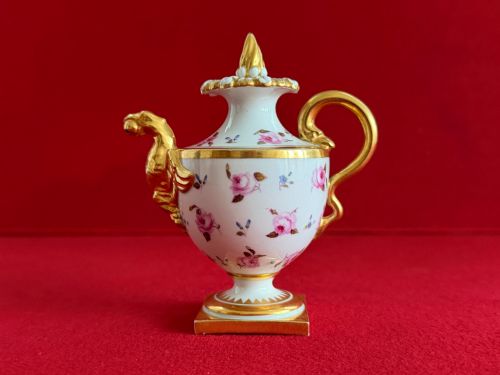
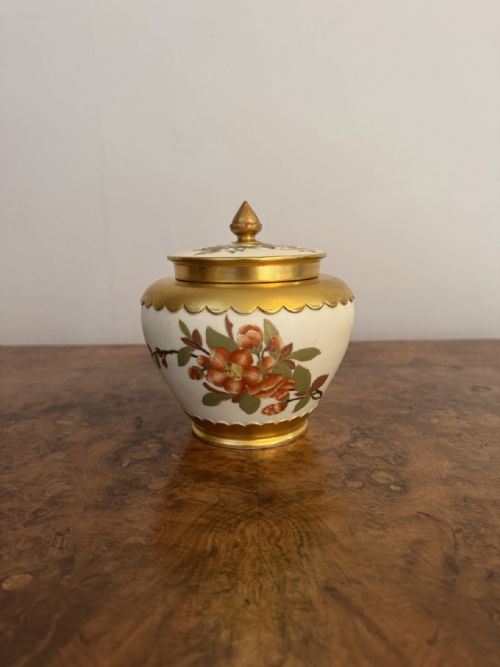
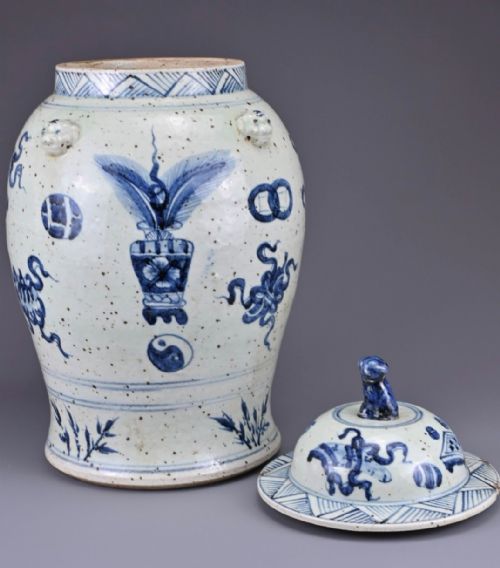
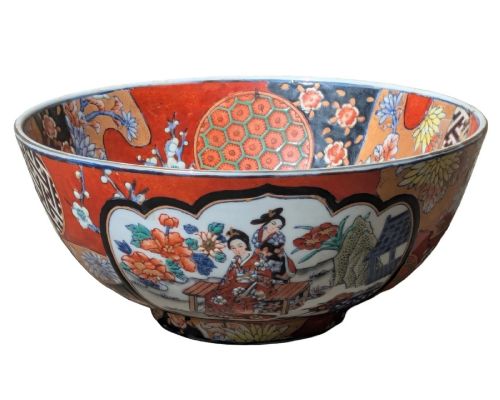
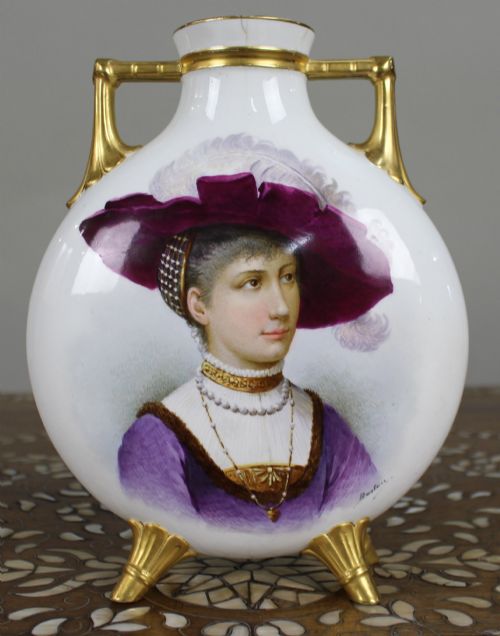
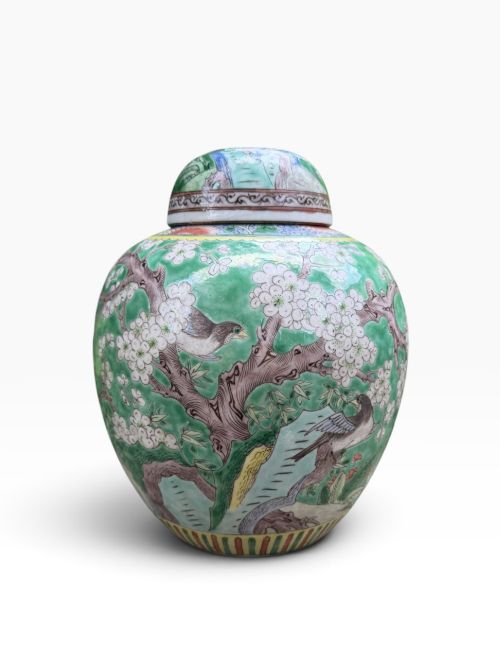
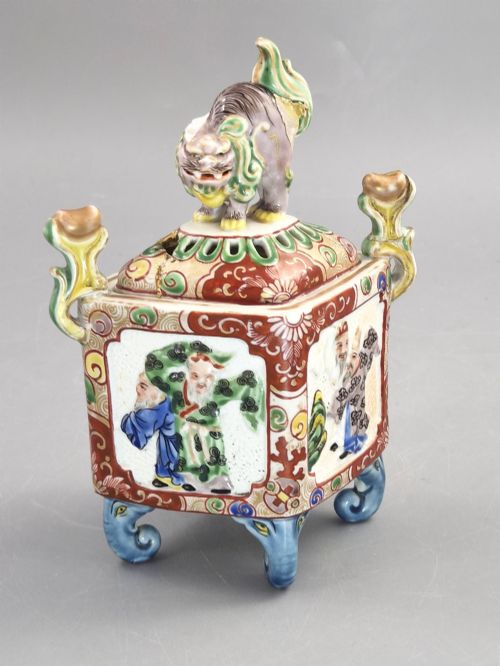
When you search for a hand painted porcelain vessel, you encounter a diverse selection of ceramic objects ranging from Japanese Imari bowls and Kutani incense burners to English Regency vases and urns. These pieces encompass decorative bowls, ginger jars, moon flasks, and lidded potpourri pots originating from various periods including the eighteenth, nineteenth, and twentieth centuries.
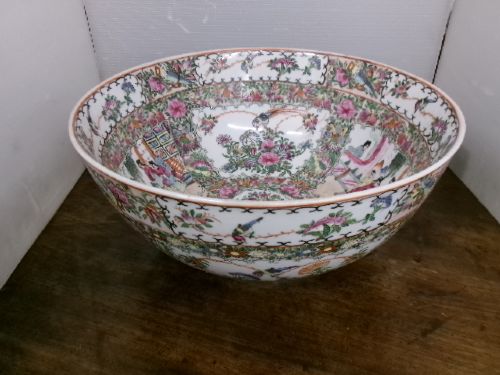
The most common versions on this page are nineteenth century Japanese Imari and Satsuma wares, alongside English porcelain vases from the Regency and Victorian eras. Alongside these, Chinese export and Canton pieces appear frequently, showing the global reach of hand painted ceramic production across different dynasties and decades.
Materials and Techniques
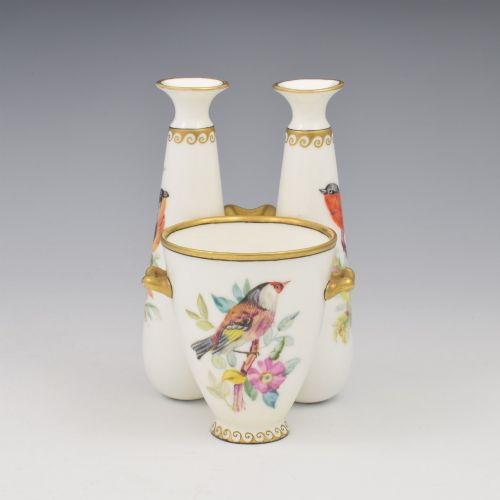
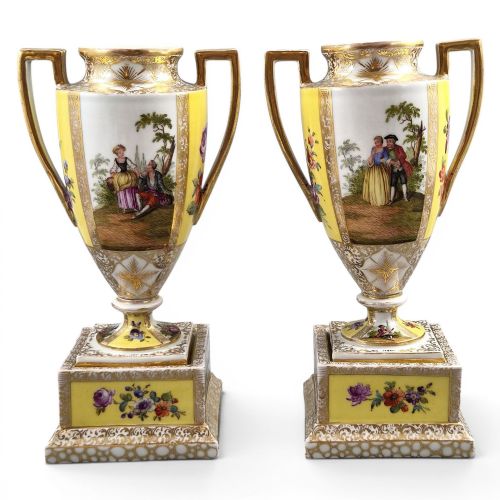
Makers shaped these vessels from ceramic and porcelain bodies, applying intricate designs using cobalt pigment, coloured enamels, and glaze before firing. Many pieces received additional enrichment through gold leaf and delicate gilding applied to highlights and rims.
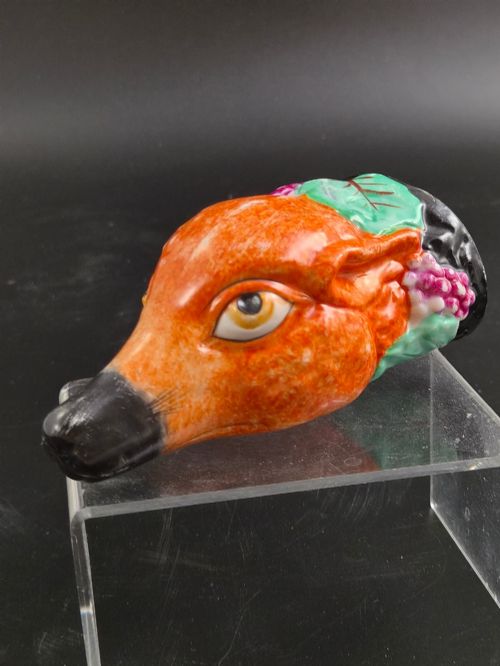
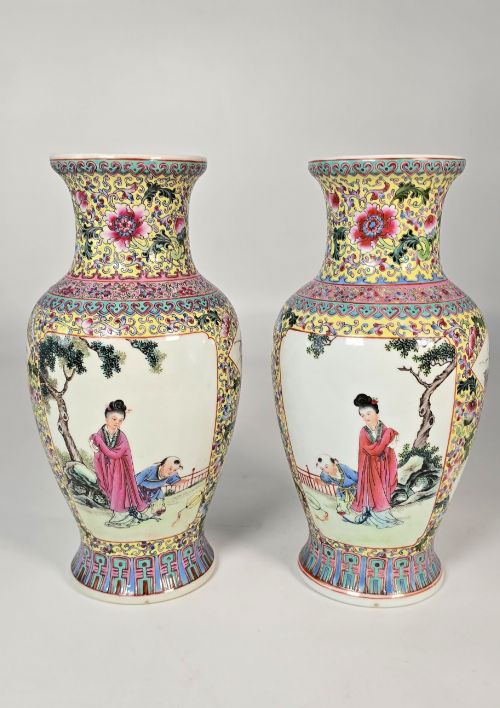
The hand painted decoration required steady brushwork to achieve the detailed floral, bird, and figural scenes seen on Japanese Kutani, Chinese Famille Rose, and English factory pieces. Artisans combined underglaze blue work with overglaze enamels, sometimes incorporating moulded elements like animal finials or elephant head feet.
Listings feature 18th Century, 19th Century, Regency, and 1940 periods across vases, bowls, and incense burners.
Factors of Quality
The refinement of the painted detail and the precision of the underlying porcelain body distinguish finer vessels from standard production. Superior examples display crisp brushwork, balanced composition, and skilful application of gold leaf or enamel without blurring.
The prestige of the maker or factory, whether an English establishment like Royal Worcester or a Japanese studio signed by a recognised artist, heavily influences the standing of a piece. Furthermore, the complexity of the form, such as shaped vases with intricate handles or covers, demonstrates greater technical accomplishment.
Flight Barr And Barr·Royal Staffordshire Porcelain·Royal Worcester·Helena Wolfsohn Dresden·Spode·Reissner Stellmacher And Kessel·H And R Daniel·Coalport·Minton·Royal Crown Derby
The Hand Painted Porcelain Vessel Glossary
- Imari
- A style of Japanese porcelain decorated in underglaze blue, iron red, and gold. This palette creates a rich, contrasting visual effect.
- Satsuma
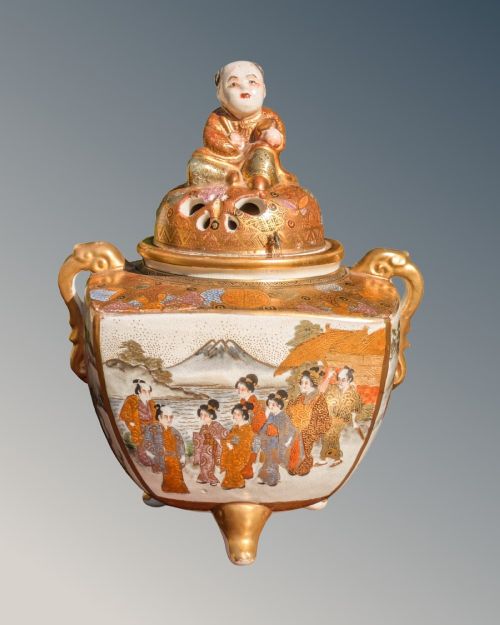
- A type of Japanese earthenware featuring a crackle glaze and ornate polychrome enamel paintings often heightened with gold. It became immensely popular for export during the Meiji period.
- Koro
- A traditional Japanese incense burner typically supported on three or more feet and fitted with a pierced cover. These ceramic vessels often feature detailed animal finials.
- Campagna
- A classical bell-shaped urn form popular in Regency and Victorian decorative ceramics. It derives its silhouette from ancient Roman metalwork discoveries.
- Famille Rose
- A major palette of Chinese porcelain enamel decoration introduced in the eighteenth century, dominated by opaque pink or rose colours. The style depicts naturalistic flowers, birds, and figures.
Hand Painted Porcelain Vessel: Frequently Asked Questions
How do I date an antique porcelain vessel?
Dating relies on identifying factory marks, stylistic traits, and the specific colour palettes used during particular periods. Examining the base of the ceramic often reveals painter marks or reign stamps that narrow down the era of manufacture.
Changes in glaze formulation and potting techniques also provide strong clues. Comparing a piece to documented examples from eras like the Meiji period or the Regency helps confirm its age.
What is the difference between porcelain and earthenware?
Porcelain is fired at much higher temperatures, resulting in a dense, vitrified body that is white and non-porous. When struck, true porcelain typically produces a clear, ringing tone.
Earthenware uses a softer clay body that remains porous unless sealed entirely by glaze. Pieces like Satsuma ware and certain decorative jars utilise this material for its receptive surface texture.
How were these vessels used historically?
Many of these pieces served practical functions in domestic and ceremonial settings, holding flowers, tea, potpourri, or incense. Covered jars and ginger jars stored dry goods or spices in wealthy households.
Larger urns and jardinieres functioned primarily as architectural ornaments for mantelpieces or reception rooms. Incense burners played a central role in traditional interior atmosphere and ritual.