55,671  PAGES BROWSED TODAY PAGES TODAY • 180 ANTIQUES UPLOADED TODAYNEW ARRIVALS
GIFTS
180 ITEMS ADDED TODAY
Sort Order
Items Per Page
Browse Categories
Sort order
Relevant Links
Items per page
ID #SA1233056
FOR SALE
£350
Email Phone Buy
Save
Rare Royal Staffordshire Porcelain Stirrup Cup, Circa 1820-1840
For sale by Ritas Bazaar
for sale €410     $445
£350

Ritas Bazaar

Sellingantiques Verified Since Nov 2025
Browse dealers 262 items
Id #SA1233056
PDF SHARE
SAVE

Rare Royal Staffordshire Porcelain Stirrup Cup, Circa 1820-1840

19th century
For Sale by Ritas Bazaar
Description

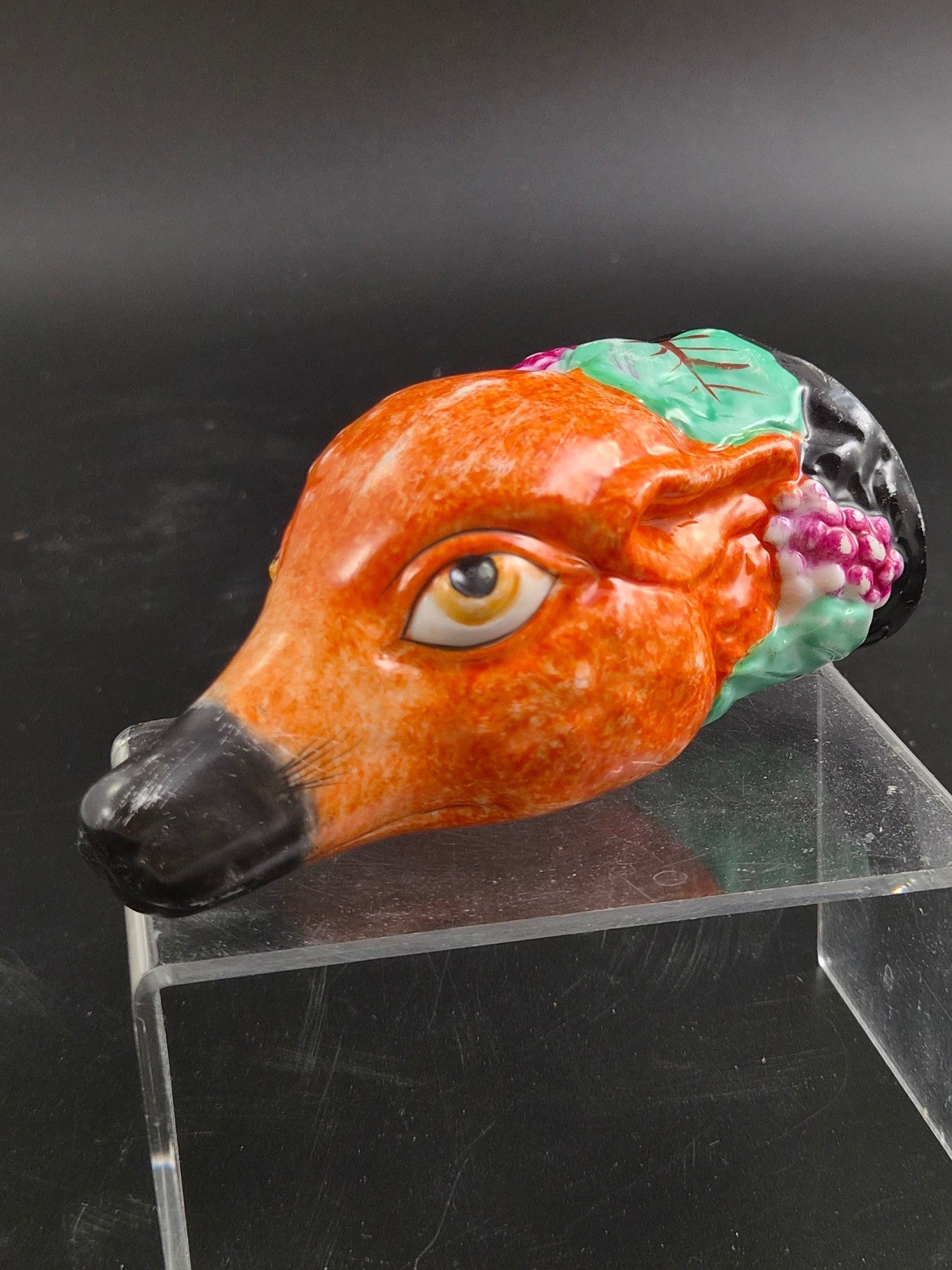
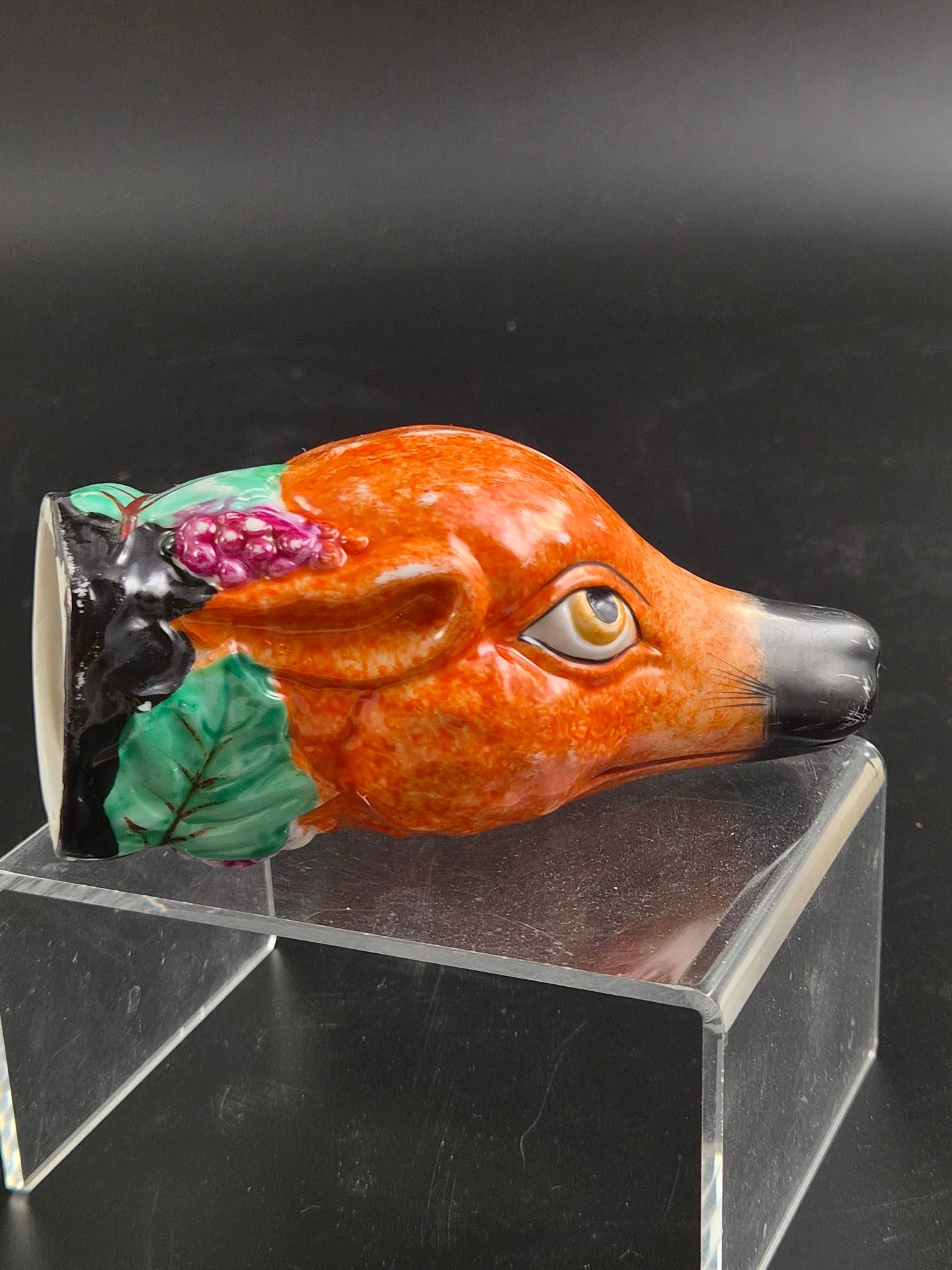
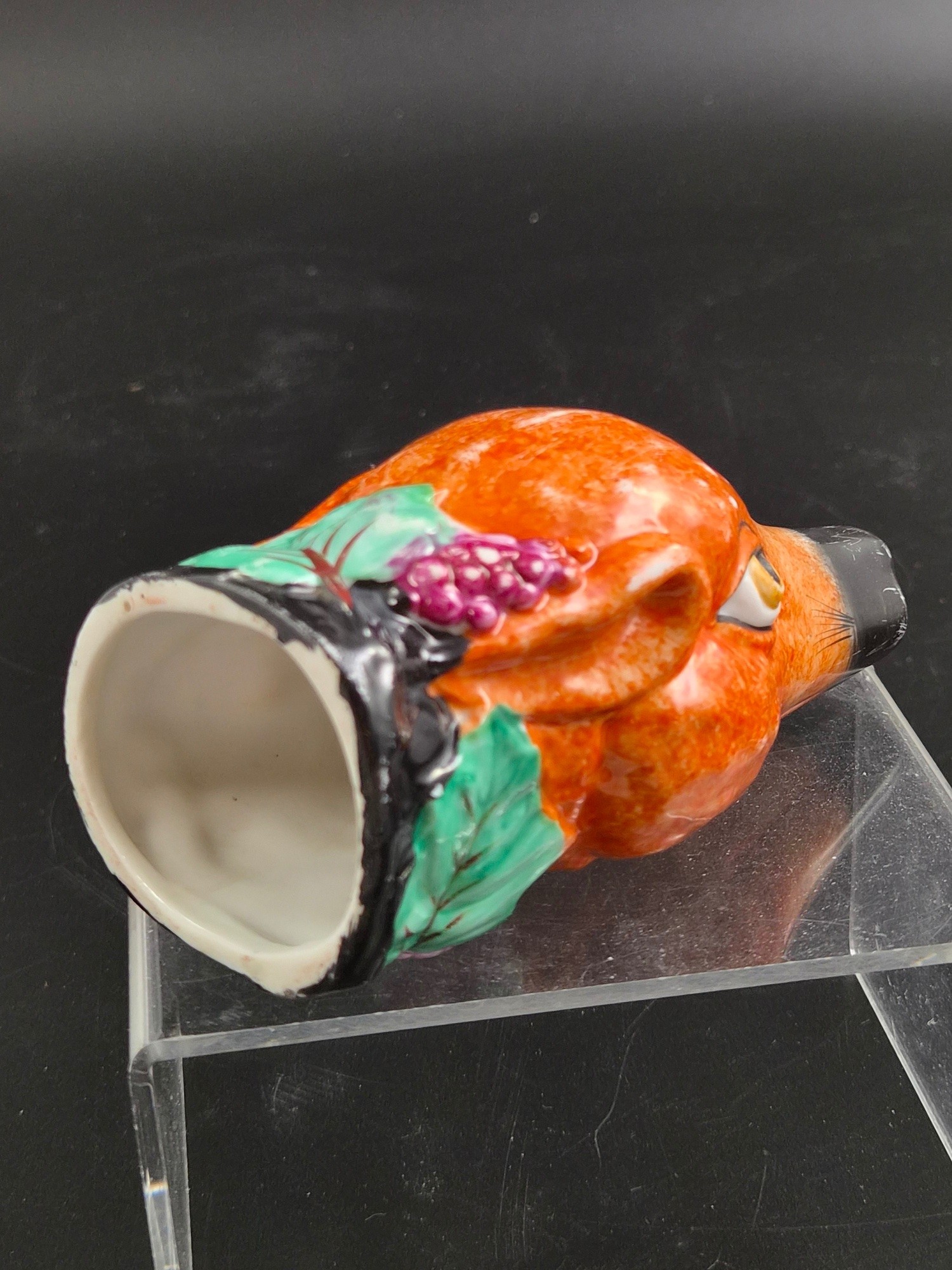
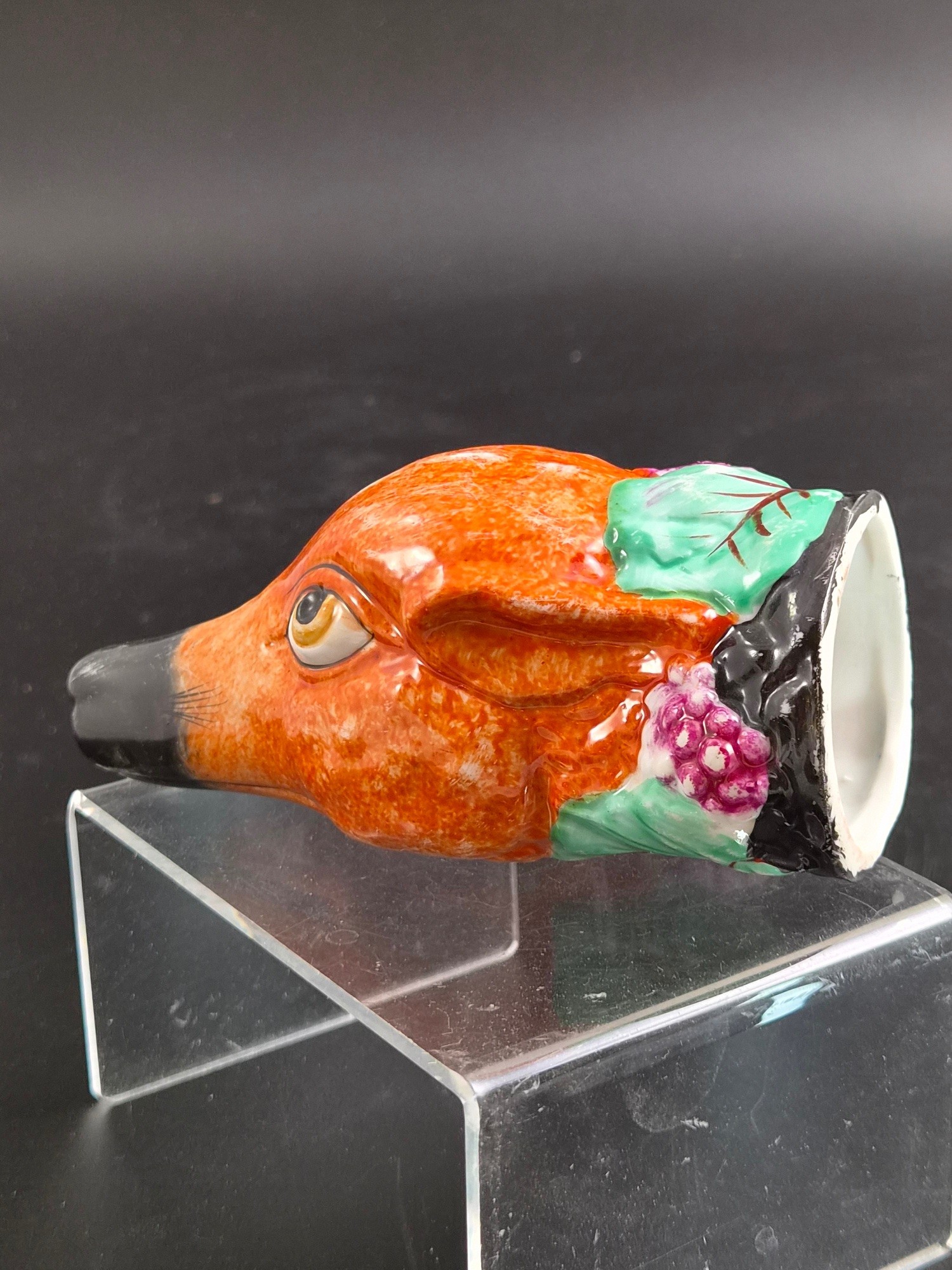
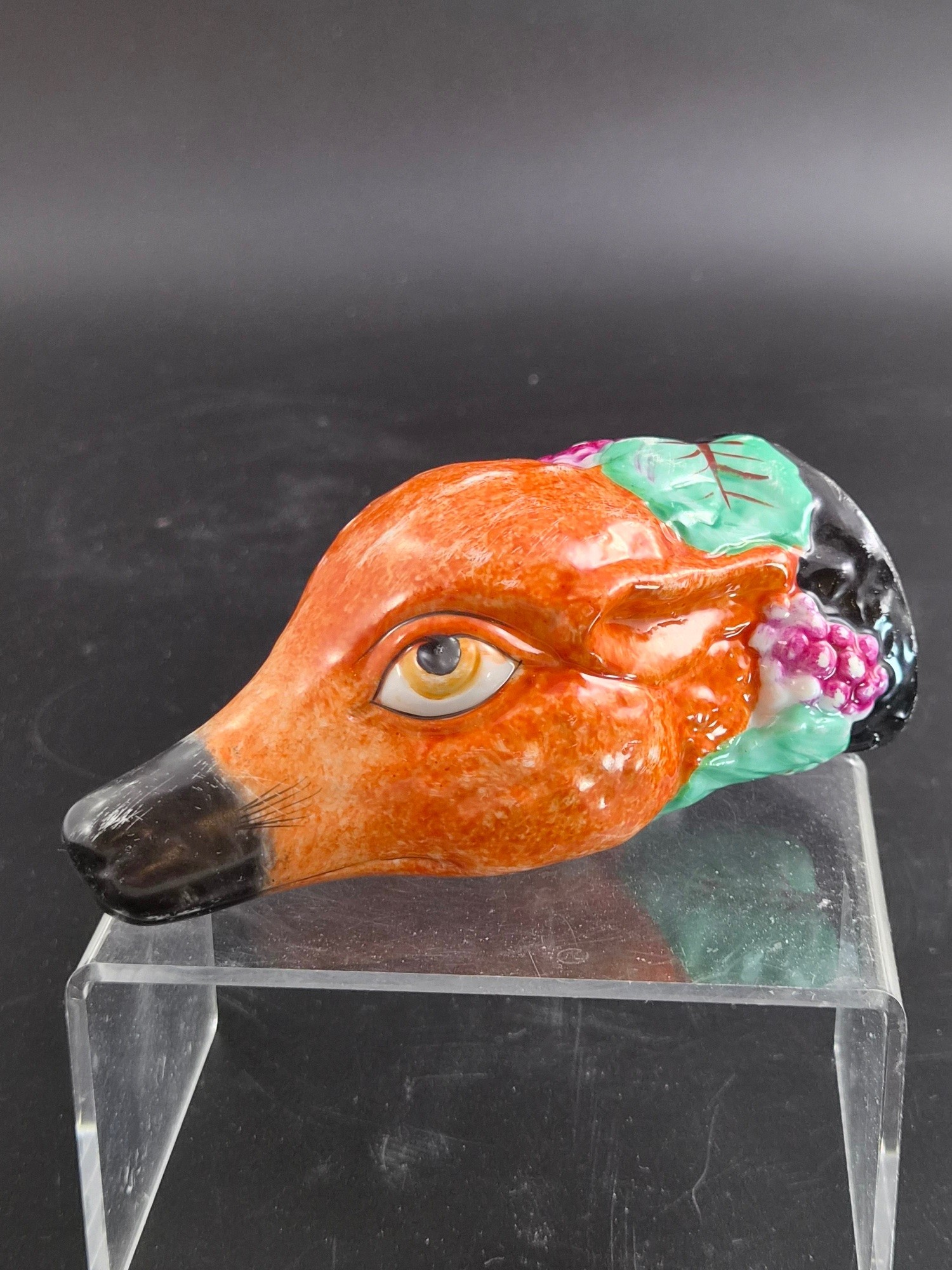
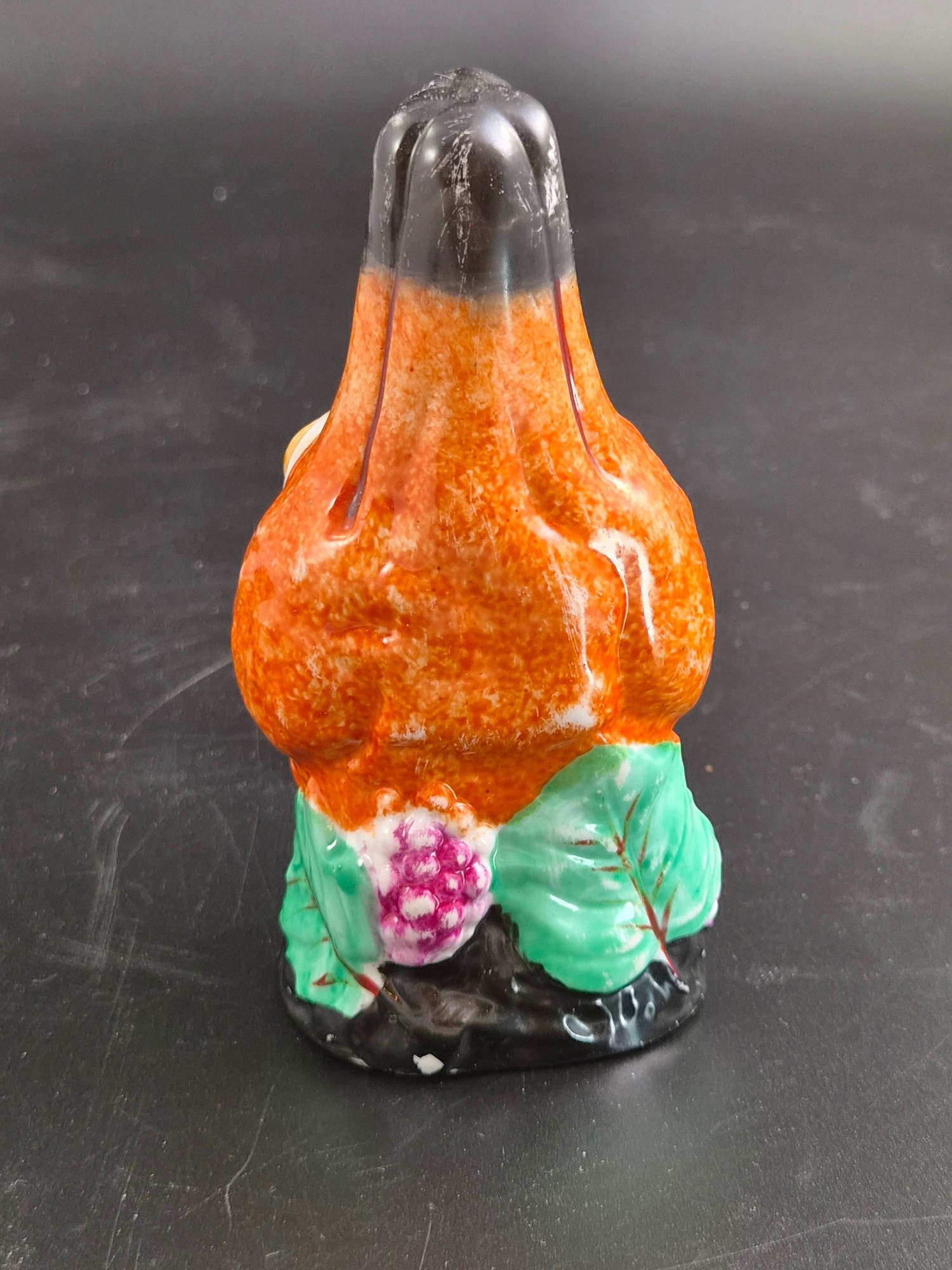
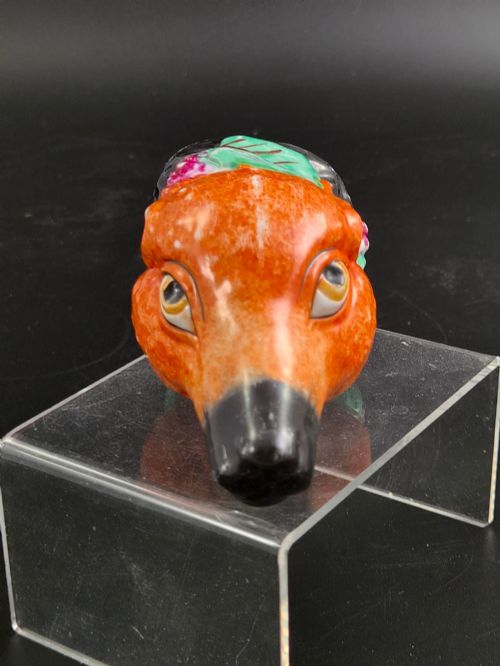
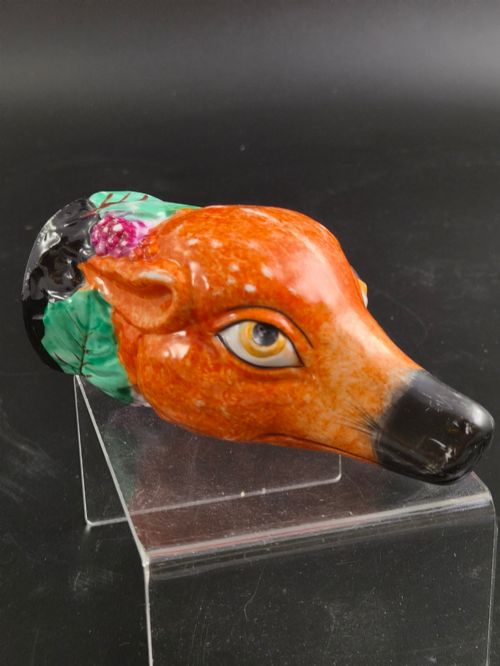
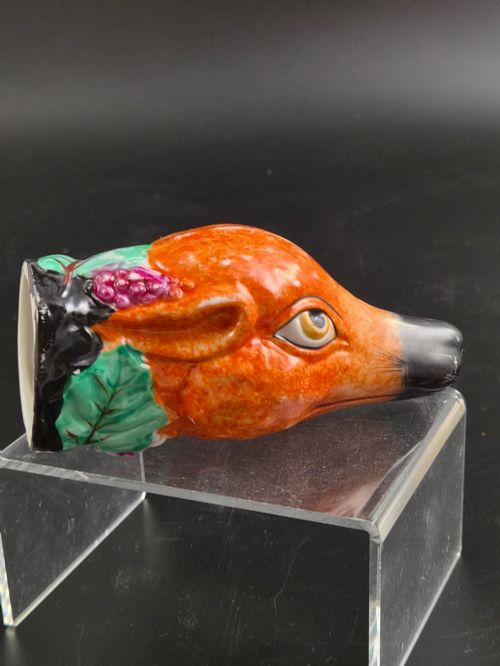
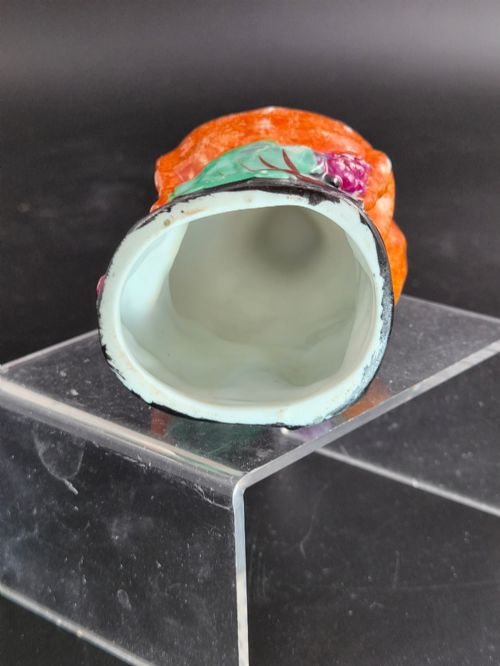
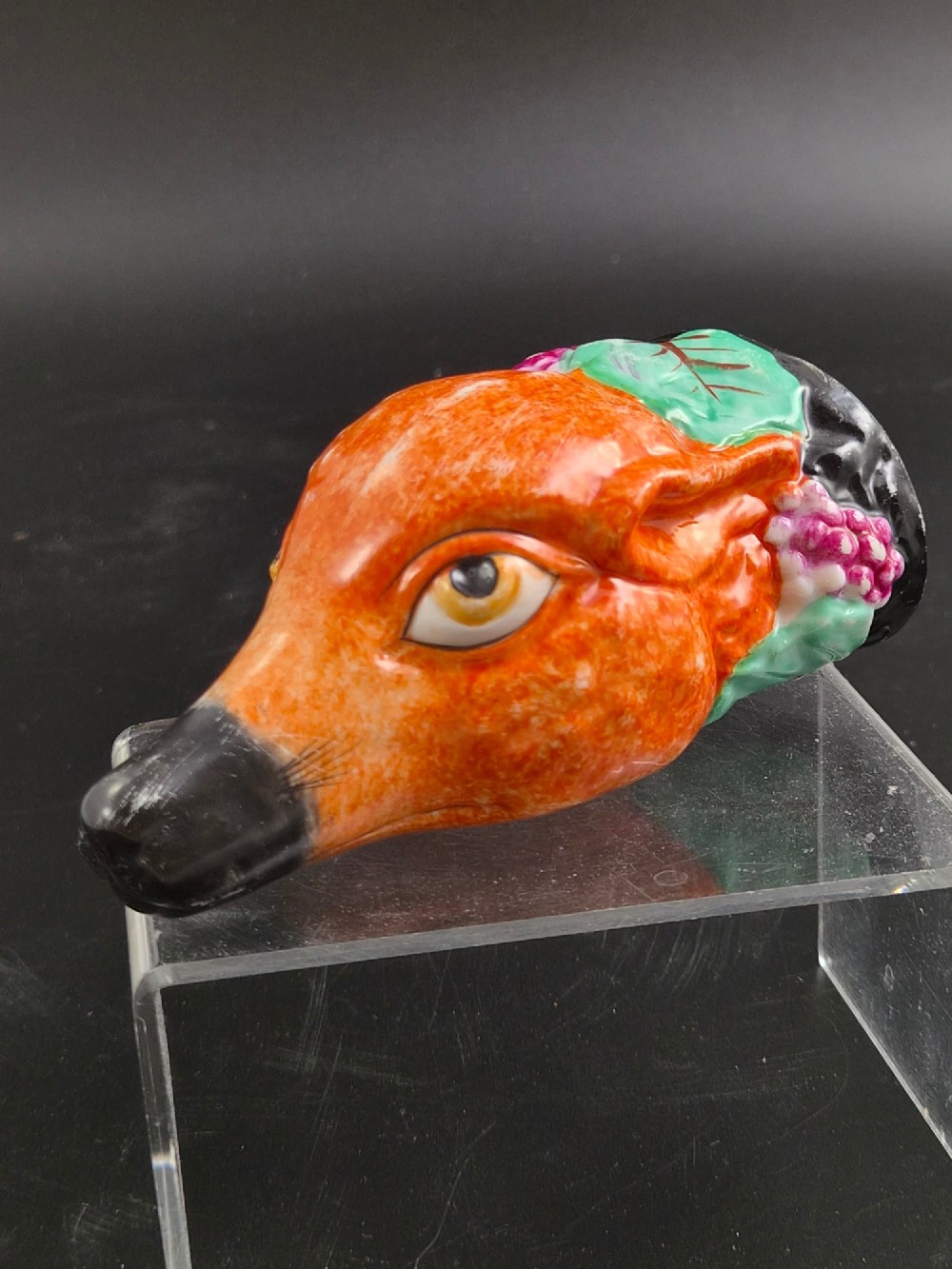
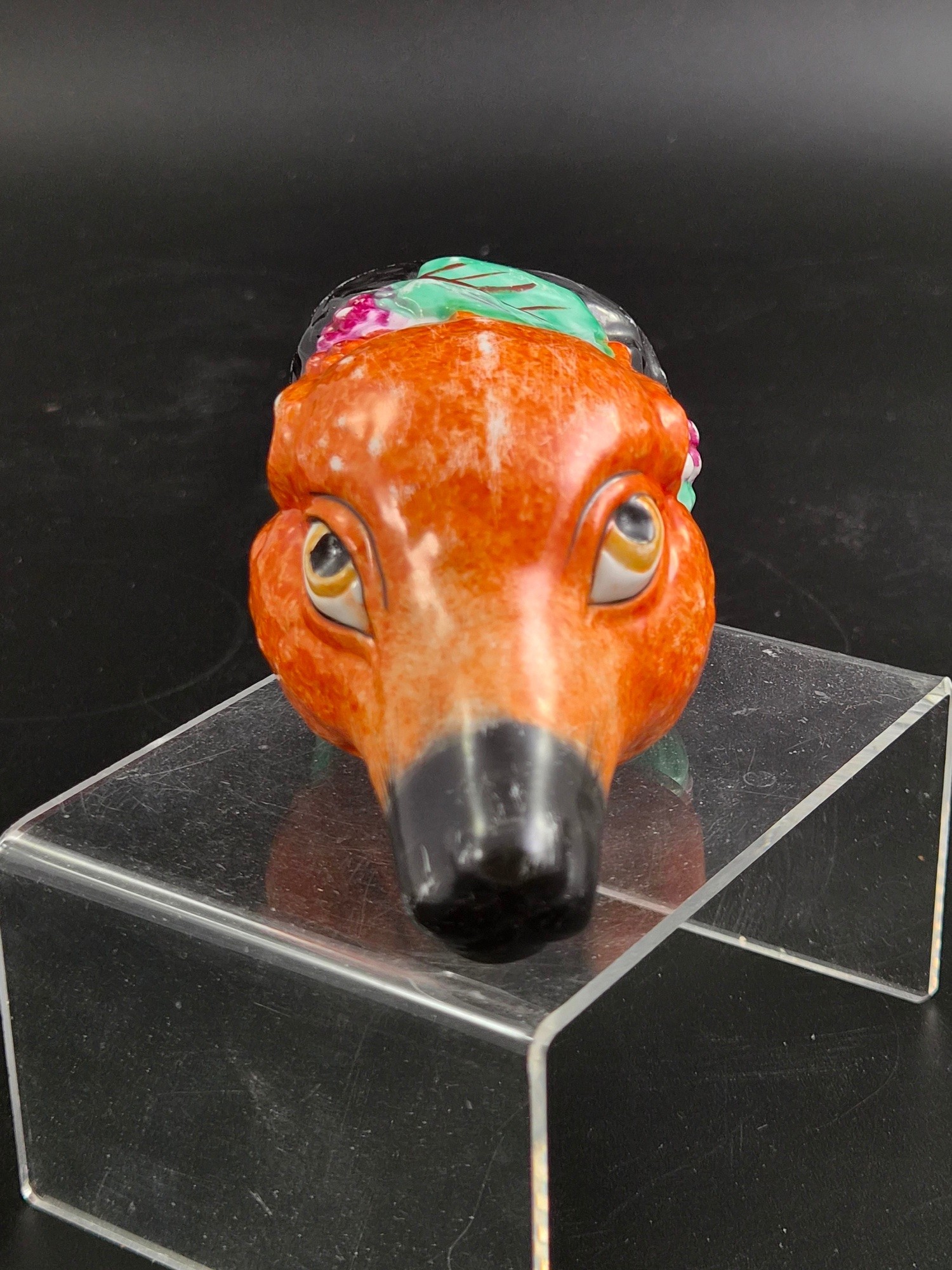
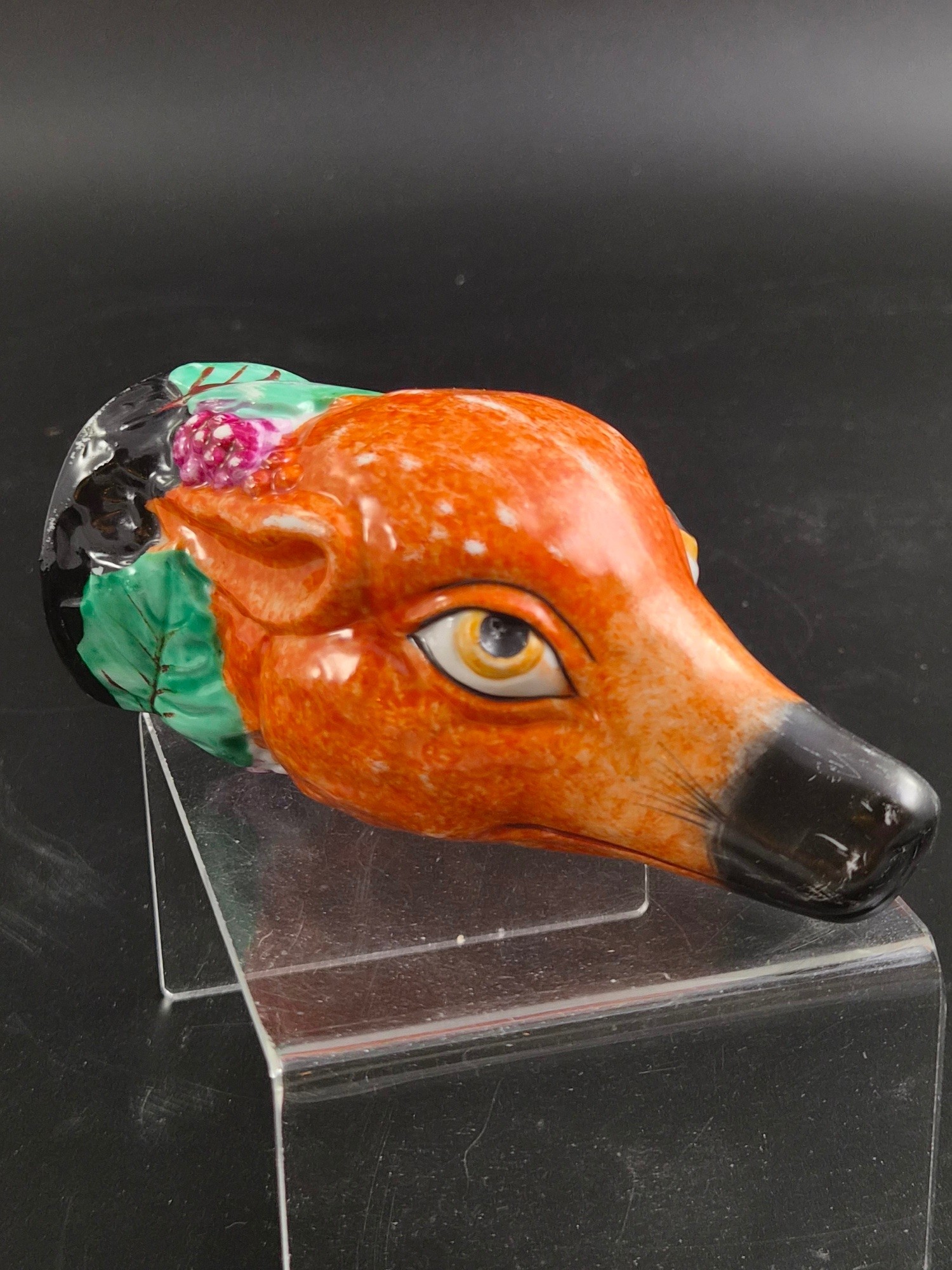
A rare antique porcelain stirrup cup, created by Royal Staffordshire, England, in the 19th century. This finely crafted piece takes the form of a fox's head, with its ears laid back, modeled in relief with a highly detailed and lifelike depiction of the fox's features. The base is adorned with hand-painted green vine leaves and purple grapes, adding to its elegant design. The bright colors and intricate details make this piece particularly special.
Stirrup cups date back to the late 18th and early 19th centuries. They were a traditional drinking vessel presented to riders on horseback either before setting off on a hunt or upon returning home, while their feet remained in the stirrups. Due to their association with hunting, many stirrup cups feature fox, stag, dog or horse heads as their bases. These cups were designed to be comfortable to hold and small in capacity, allowing the contents to be consumed quickly.
Stirrup cups were especially popular gifts among the upper classes, given to those who enjoyed hunting. Ceramic stirrup cups began to be produced around the 1770s, particularly in Staffordshire, one of England's major centers for ceramic production. Finding original stirrup cups from the 18th and early 19th centuries is incredibly rare, as few have survived over time.
Royal Staffordshire Pottery is celebrated for its rich and fascinating history. Established in 1793 in Longport, Stoke-on-Trent, it became a major pottery during the Industrial Revolution. The company gained international fame for its blue and white transferware designs. Over time, it introduced innovative styles such as Art Nouveau and Art Deco, and produced commemorative ware for significant events, including royal coronations and weddings.
The key features of Staffordshire pottery include durability, intricate hand-painted designs and high-quality craftsmanship, ensuring that each piece remains both functional and collectible for generations.
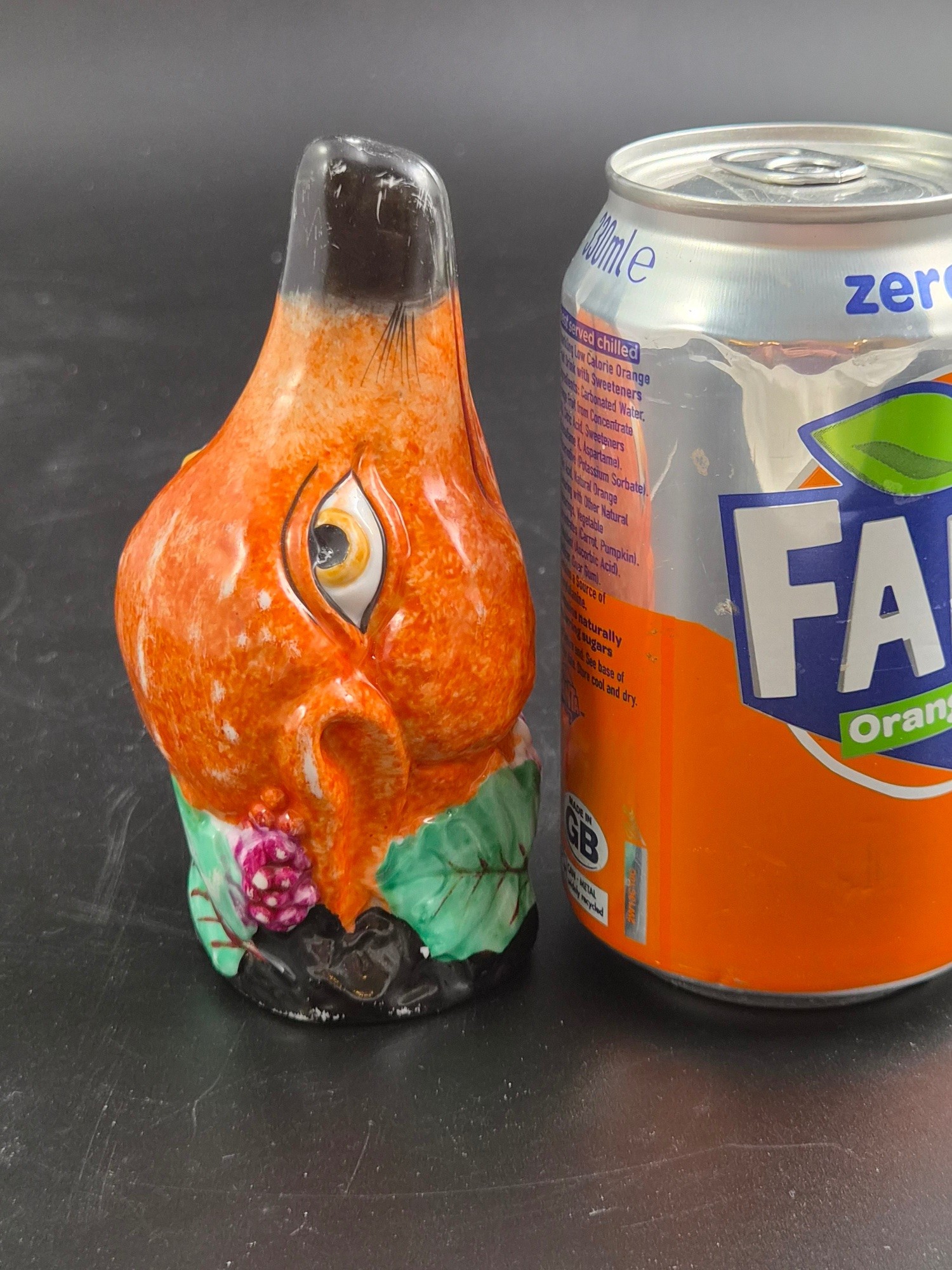
Length: 12.5 cm

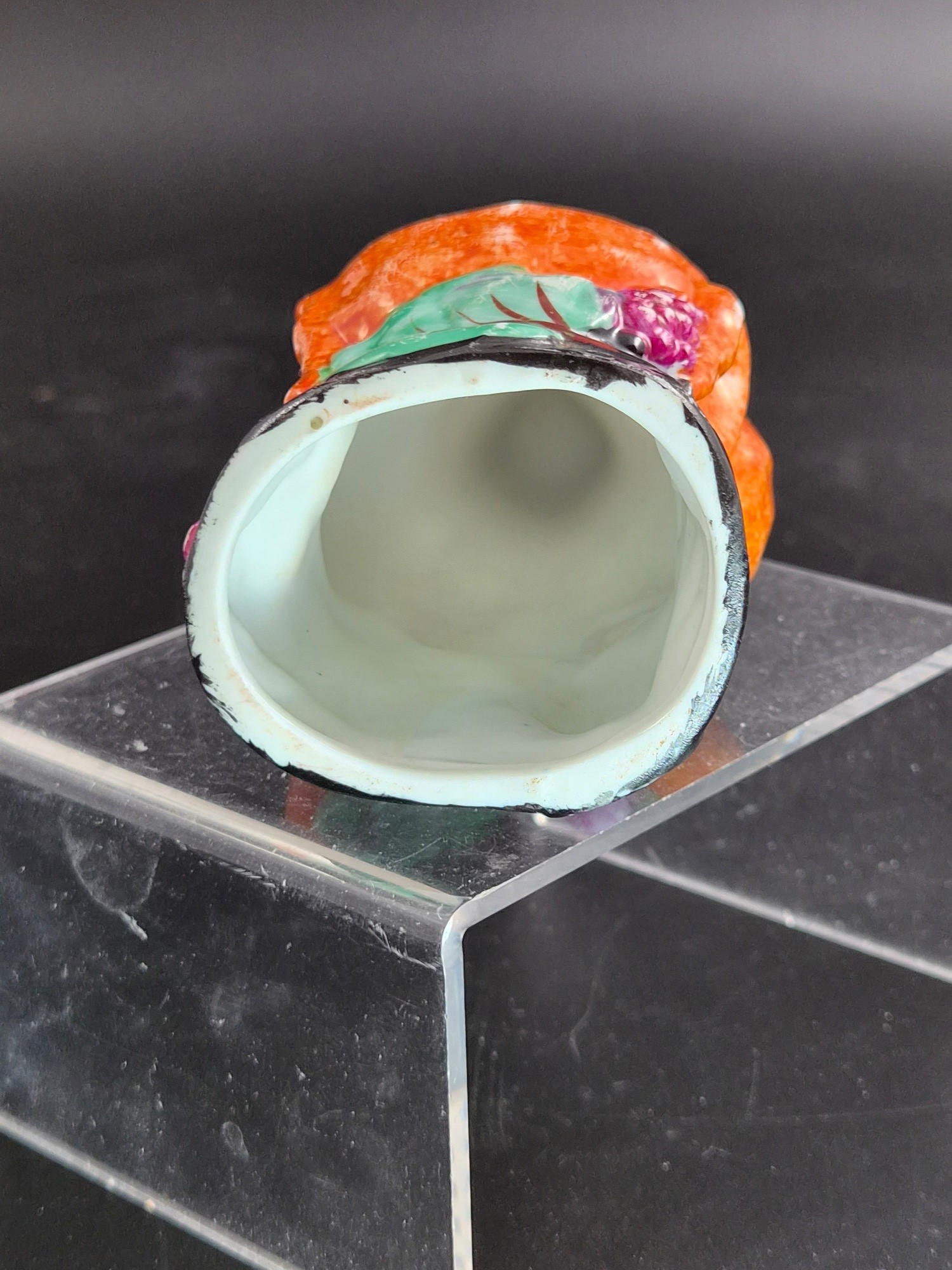
Condition: No visible signs of damage or restoration; excellent antique condition.

Please carefully review the accompanying photographs, as they form an integral part of the description. If you have any questions, feel free to ask. The item will be shipped with full tracking and insurance.

Declaration

Ritas Bazaar has dated this Porcelain Fox Stirrup Cup to the 19th Century.

Reference Numbers
Sellingantiques Reference
SA1233056
Description
A rare antique porcelain stirrup cup, created by Royal Staffordshire, England, in the 19th century.
“
This finely crafted piece takes the form of a fox's head, with its ears laid back, modeled in relief with a highly detailed and lifelike depiction of the fox's features.
Ritas Bazaar

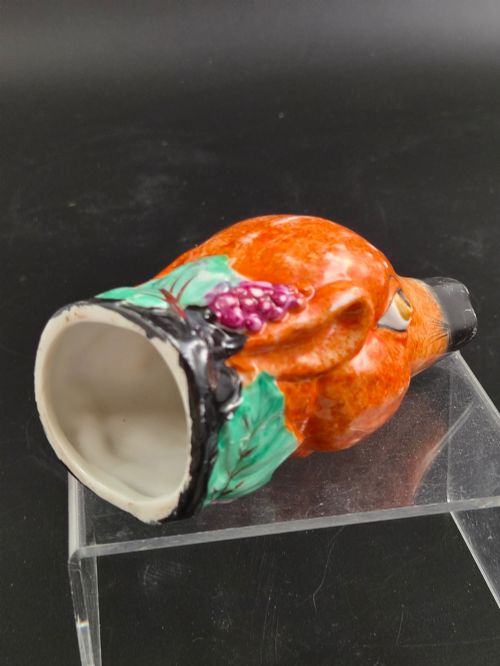
The base is adorned with hand-painted green vine leaves and purple grapes, adding to its elegant design. The bright colors and intricate details make this piece particularly special.

fig 1. A 19th-century Royal Staffordshire porcelain stirrup cup molded in the form of a fox head with painted orange, black, green, and purple enamels.
fig 1. Rare Royal Staffordshire Porcelain Stirrup Cup, Circa 1820-1840

Stirrup cups date back to the late 18th and early 19th centuries. They were a traditional drinking vessel presented to riders on horseback either before setting off on a hunt or upon returning home, while their feet remained in the stirrups. Due to their association with hunting, many stirrup cups feature fox, stag, dog or horse heads as their bases. These cups were designed to be comfortable to hold and small in capacity, allowing the contents to be consumed quickly.

fig 2. A 19th-century Royal Staffordshire porcelain stirrup cup molded in the form of a fox head with painted orange, black, green, and purple enamels.
fig 2. Rare Royal Staffordshire Porcelain Stirrup Cup, Circa 1820-1840

Stirrup cups were especially popular gifts among the upper classes, given to those who enjoyed hunting. Ceramic stirrup cups began to be produced around the 1770s, particularly in Staffordshire, one of England's major centers for ceramic production. Finding original stirrup cups from the 18th and early 19th centuries is incredibly rare, as few have survived over time.

fig 3. A 19th-century Royal Staffordshire porcelain stirrup cup molded in the form of a fox head with painted orange, black, green, and purple enamels.
fig 3. Rare Royal Staffordshire Porcelain Stirrup Cup, Circa 1820-1840

Royal Staffordshire Pottery is celebrated for its rich and fascinating history. Established in 1793 in Longport, Stoke-on-Trent, it became a major pottery during the Industrial Revolution. The company gained international fame for its blue and white transferware designs. Over time, it introduced innovative styles such as Art Nouveau and Art Deco, and produced commemorative ware for significant events, including royal coronations and weddings.

fig 4. A 19th-century Royal Staffordshire porcelain stirrup cup molded in the form of a fox head with painted orange, black, green, and purple enamels.
fig 4. Rare Royal Staffordshire Porcelain Stirrup Cup, Circa 1820-1840

The key features of Staffordshire pottery include durability, intricate hand-painted designs and high-quality craftsmanship, ensuring that each piece remains both functional and collectible for generations.

fig 5. A 19th-century Royal Staffordshire porcelain stirrup cup molded in the form of a fox head with painted orange, black, green, and purple enamels.
fig 5. Rare Royal Staffordshire Porcelain Stirrup Cup, Circa 1820-1840

Length: 12.5 cm

Condition: No visible signs of damage or restoration; excellent antique condition.

Please carefully review the accompanying photographs, as they form an integral part of the description. If you have any questions, feel free to ask. The item will be shipped with full tracking and insurance.

Date of Manufacture

Ritas Bazaar has dated this Porcelain Fox Stirrup Cup to the 19th Century.

Reference Numbers
Sellingantiques Ref
SA1233056
Ritas Bazaar
Sellingantiques verified Since Nov 2025
Dealer Profile

You can view the stock and full dealer information on the Ritas Bazaar Profile Page
PDF SHARE
SAVE
A 19th-century Royal Staffordshire porcelain stirrup cup molded in the form of a fox head with painted orange, black, green, and purple enamels.
1 / 10
Archive I A 19th-century Royal Staffordshire porcelain stirrup cup molded in the form of a fox head with painted orange, black, green, and purple enamels.

Rare Royal Staffordshire Porcelain Stirrup Cup, Circa 1820-1840
Archive II A 19th-century Royal Staffordshire porcelain stirrup cup molded in the form of a fox head with painted orange, black, green, and purple enamels. View II
Archive III A 19th-century Royal Staffordshire porcelain stirrup cup molded in the form of a fox head with painted orange, black, green, and purple enamels. View III
Archive IV A 19th-century Royal Staffordshire porcelain stirrup cup molded in the form of a fox head with painted orange, black, green, and purple enamels. View IV
Archive V A 19th-century Royal Staffordshire porcelain stirrup cup molded in the form of a fox head with painted orange, black, green, and purple enamels. View V
Archive VI A 19th-century Royal Staffordshire porcelain stirrup cup molded in the form of a fox head with painted orange, black, green, and purple enamels. View VI
Archive VII A 19th-century Royal Staffordshire porcelain stirrup cup molded in the form of a fox head with painted orange, black, green, and purple enamels. View VII
Archive VIII A 19th-century Royal Staffordshire porcelain stirrup cup molded in the form of a fox head with painted orange, black, green, and purple enamels. View VIII
Archive IX A 19th-century Royal Staffordshire porcelain stirrup cup molded in the form of a fox head with painted orange, black, green, and purple enamels. View IX
Archive X A 19th-century Royal Staffordshire porcelain stirrup cup molded in the form of a fox head with painted orange, black, green, and purple enamels. View X
Enlarged Archival View
Telephone 07938 910153
Location
Hertfordshire
United Kingdom
Verified Since Nov 2025
Items For Sale 262
Items Sold 55
Ritas Bazaar
Verified Since Nov 2025
View Dealer Info
Location: Hertfordshire, United Kingdom
Verified
Nov 2025
For Sale
262
Sold
55
A 19th-century Royal Staffordshire porcelain stirrup cup molded in the form of a fox head with painted orange, black, green, and purple enamels.
Rare Royal Staffordshire Porcelain Stirrup Cup, Circa 1820-1840
Ref: SA1233056
A 19th-century Royal Staffordshire porcelain stirrup cup molded in the form of a fox head with painted orange, black, green, and purple enamels.
Detail View 1
Detail View 2
Detail View 3
Detail View 4
Detail View 5
Detail View 6
Detail View 7
Detail View 8
Detail View 9
Archival Detail
Every single antique dealer on our platform is individually approved by our internal team. We verify their professional trade history, ethical standards, and photographic quality to ensure a secure, high-standard buying environment. Upon joining, every dealer agrees to a strict 9-point code of conduct. While issues can occasionally arise, our dealers typically resolve them swiftly and directly with the buyer. In fact, since our founding in 2002, Sellingantiques has only had to step in to help resolve an issue on roughly five occasions—a true testament to the quality of our dealers and their dedication to your happiness.
Our dealers are highly experienced in packing and shipping fragile, high-value antiques. Because you are in direct contact with the dealer, you will be able to easily go through all available shipping and insurance options together to ensure your item arrives safely.
Antiques are the ultimate green purchase. By choosing historical pieces over newly manufactured goods, you completely eliminate the carbon footprint of modern mass production while preserving exceptional, timeless craftsmanship.
Written by Sellingantiques from the dealer’s photographs and listing
  • ObjectCollectable Ceramics
  • Period19th century
  • StyleRegency
  • MaterialPorcelain, Enamel
  • ColourOrange, Green, Black
  • MotifsMolded fox head, hand-painted eyes, floral leaf border

This nineteenth-century collectable ceramic piece is a Regency Royal Staffordshire porcelain stirrup cup, taking the form of a molded fox head. The object is rendered in vibrant orange, green, black, and purple enamels, featuring a hand-painted eye with a detailed pupil, a glossy glaze finish, and a base decorated with green vine leaves and purple grapes. The item measures 12.5 cm in length and exhibits no visible signs of damage or restoration, remaining in excellent antique condition. Traditional drinking vessels of this type were historically presented to riders on horseback before or after a hunt while their feet remained in the stirrups. Today, this English country house collectable suits display as a decorative accent placed on a mantelpiece in a living room, study, or hallway. The compact vessel is designed to sit securely on its flat rim, making it an engaging conversation piece for collectors of historic ceramics and equestrian antiques.

A stirrup cup is a specialised drinking vessel historically fashioned from ceramic, silver, or pewter, designed without a flat base and handed to riders on horseback prior to a hunt.

19th-century stirrup cups were predominantly crafted from hard-paste or soft-paste porcelain, pearlware, and lead-glazed earthenware, finished with overglaze enamel hand painting.

Authentic pieces feature molded anatomical details, hand-applied polychrome enamels, visible brushwork, lead glazing, and appropriate age-related wear around the unglazed foot or rim.

These small decorative objects are commonly displayed on a mantelpiece, within a glass cabinet, or alongside books on a shelf to introduce traditional equestrian texture to a room.

Dust gently with a soft dry brush or microfibre cloth, avoiding harsh chemical cleaners, immersion in water, or abrasive rubbing that could damage fragile overglaze enamels.
items
Add keywords to the filter
Price
£100
£250000
Era
Period
Style
Material
Origin
Stock Location
Recently Added
Online Payments
Categories