





Antique Hunting Cup
An antique hunting cup is a companion for the field, shaped in silver, porcelain, glass, or leather to steady a rider on a brisk morning.
Antique Hunting Cup
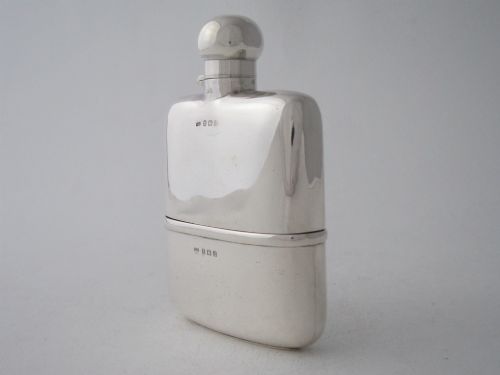
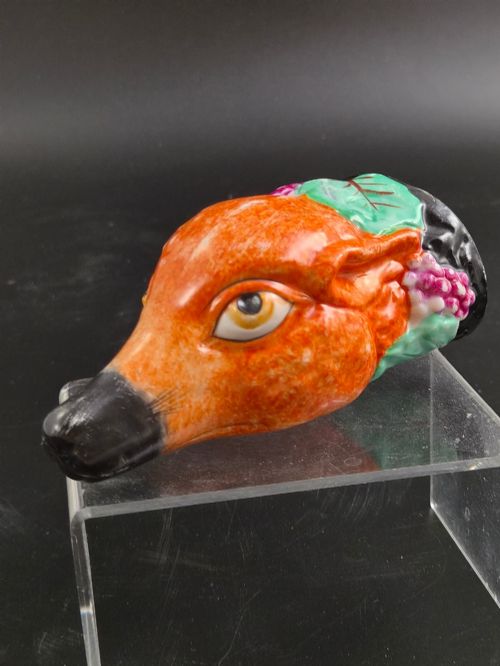
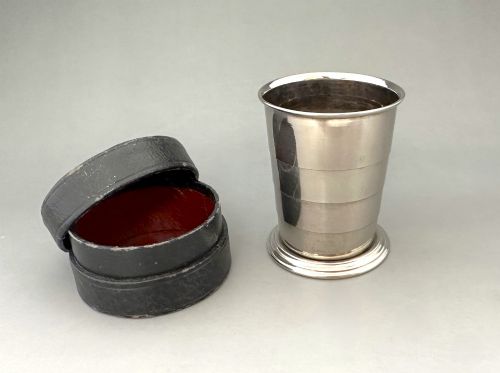
When you search for an antique hunting cup, you encounter a specialised group of drinking vessels designed for field sports and hospitality, ranging from porcelain stirrup cups formed as fox heads to silver-rimmed horn beakers and leather-bound spirit flasks. These pieces span the nineteenth and twentieth centuries, taking the form of flasks, mugs, tankards, and collapsible cups rooted in Regency, Victorian, Edwardian, and Art Deco traditions.
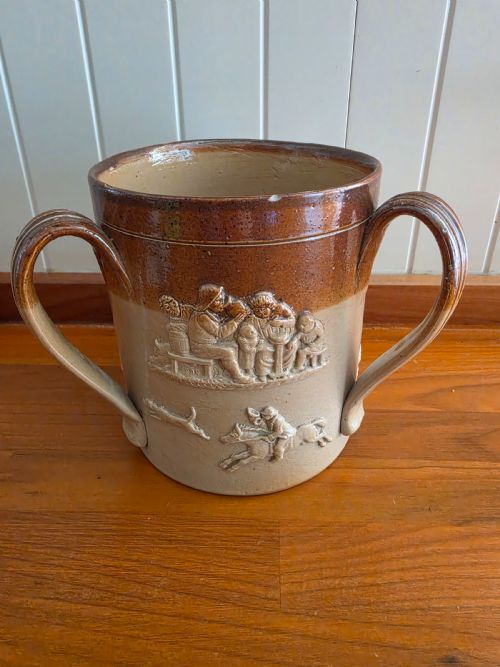
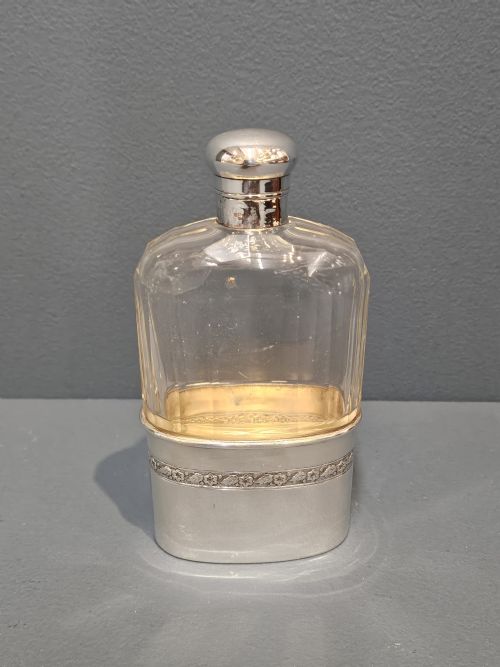
You are most likely to meet silver-plated and sterling silver hip flasks paired with removable cups, alongside porcelain stirrup cups fashioned by makers such as Royal Staffordshire or attributed to factories like Derby. Stoneware tygs and transfer-printed loving mugs also appear, often decorated with rural scenes or hunting motifs that connect directly to the sporting life of their era.
The materials reflect the practical demands of horseback pursuits and rural hospitality, balancing rugged durability with refined craftsmanship. Whether handling an English country pottery vessel or a silver spirit set from a known maker, you hold an object designed to be used outdoors rather than merely displayed on a shelf.
Materials and methods
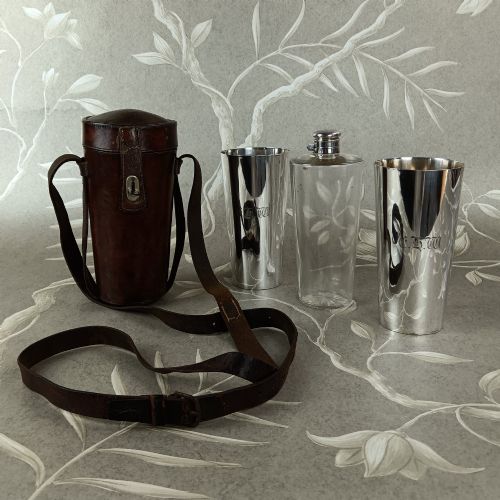
Metals form the backbone of many pieces, utilising sterling silver and silver plate shaped into flasks, beakers, and trophies, sometimes finished with a hammered texture. Leather and crocodile skin provide protective coverings for glass bodies, while glass and crystal offer clear containers for spirits.
Pottery and porcelain pieces rely on moulding and hand-painting, seen in the modelling of fox head stirrup cups and the transfer printing of hunting scenes onto earthenware. Natural materials such as horn, coconut shell, and carved wood utilise organic textures shaped through traditional turning and carving techniques.
Antique Hunting Cup Retail Price Guide 2026
Typical asking prices for hunting cup among the pieces listed under this phrase on Sellingantiques today, from the lower quarter to the upper quarter. They describe what is for sale here now, not the wider market.
Listings feature items spanning the nineteenth century through the 1930s, incorporating Victorian, Edwardian, Regency, and Art Deco styles.
Markers of quality
Quality reveals itself in the crispness of modelling on porcelain animal forms, where finer pieces capture the alert expression of a fox rather than a softened outline. In metalwork, the weight of the silver, the precision of the engraving, and the secure fit of a screw cap or collapsible mechanism set finer pieces apart.
The integrity of secondary materials dictates longevity, particularly the tight stitching of leather cases and the clarity of glass or crystal bodies. Maker marks from established firms provide a reliable indicator of superior workshop standards, distinguishing standard commercial production from exceptional commissions.
James Dixon & Sons·Hukin & Heath·Asprey London·John Hunt and Robert Roskell·W A Ellwick Ltd·Royal Staffordshire
The Antique Hunting Cup Glossary
- Stirrup cup
- A traditional drinking vessel handed to a rider while mounted in the stirrup before or during a hunt. These often take the form of animals, such as fox heads, so they cannot be set down flat.
- Hip flask
- A thin container designed to hold liquor comfortably in a pocket during outdoor activities. Many antique examples feature a matching cup that slides over the base.
- Tyg
- A large drinking vessel featuring three or more handles, allowing it to be passed securely among company. Early examples frequently appear in stoneware or earthenware.
- Loving mug
- A large two-handled mug intended for sharing beverages among friends or family at gatherings. They often feature transfer-printed scenes or commemorative inscriptions.
- Spirit set
- A fitted collection comprising a container for liquor and associated drinking vessels, often housed within a leather campaign case for travel.
Antique Hunting Cup: Frequently Asked Questions
What is a stirrup cup used for?
A stirrup cup was traditionally offered to riders seated on their horses before setting off on a hunt, allowing participants to share a final drink. Because many porcelain examples are shaped with animal heads or rounded bottoms, they had to be emptied and handed back rather than set on a table.
Over time, these cups became popular decorative items and symbols of rural hospitality. Their distinct forms reflect this singular purpose of being used exclusively in the saddle.
How do you date a silver hip flask?
Dating a silver hip flask relies primarily on hallmarked stamps impressed into the metal, which record the assay office, the standard of silver, and a specific date letter. Makers' marks also help narrow down the active years of production for firms like James Dixon & Sons or Hukin & Heath.
Stylistic cues, such as the geometric lines of Art Deco pieces or the heavy ornamentation of Victorian examples, provide supporting evidence when hallmarks are rubbed or absent. Leather cases and accompanying cups often share period characteristics that confirm the date of assembly.
Why do some cups have multiple handles?
Vessels like three-handled tygs and two-handled loving mugs were constructed to be passed safely among a group of people at communal gatherings. Each person could hold a separate handle, ensuring a firm grip while sharing the contents around the table.
This communal design encourages social drinking and conversation. Their presence in ceramic and metal points to centuries of shared hospitality in English homes and inns.
Are leather bound flasks waterproof?
Leather-bound flasks utilise an inner vessel of glass or metal to hold liquids securely while the exterior leather provides insulation and grip. The leather is stitched or fitted tightly around the body to withstand the bumps and weather encountered during outdoor pursuits.
While the outer skin may show wear or patination from use, the internal container remains the functional barrier for spirits. Proper care ensures the leather stays supple without compromising the inner reservoir.