





Antique Porcelain Vase Lid
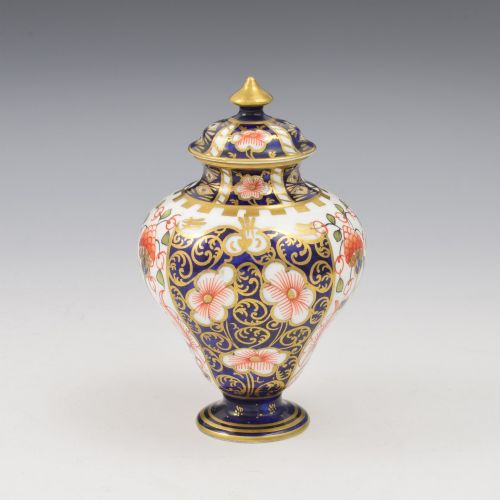
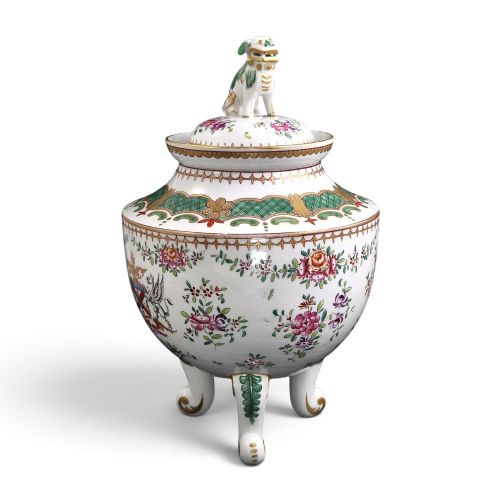
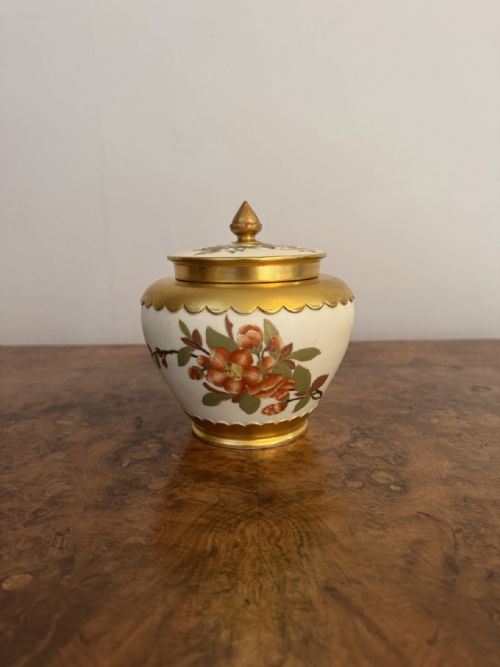
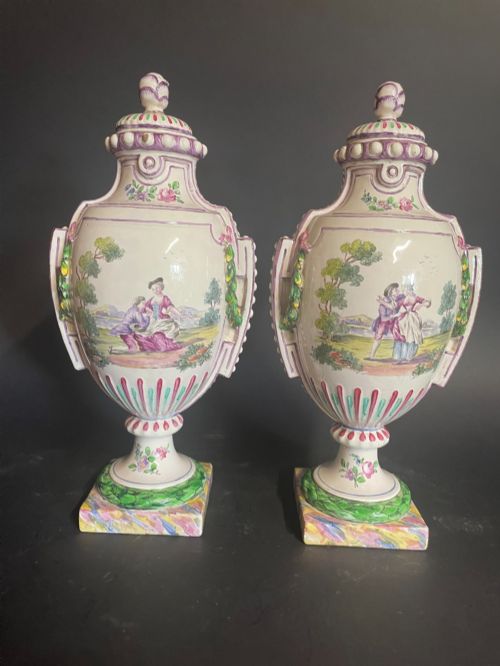
An antique porcelain vase lid is the surviving crown of a covered urn or ginger jar, sought after to complete mismatched vessels or display as independent cabinet fragments.
Antique Porcelain Vase Lid
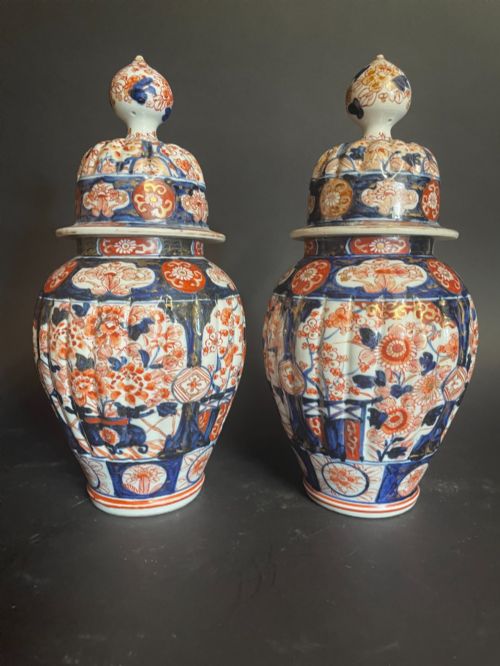
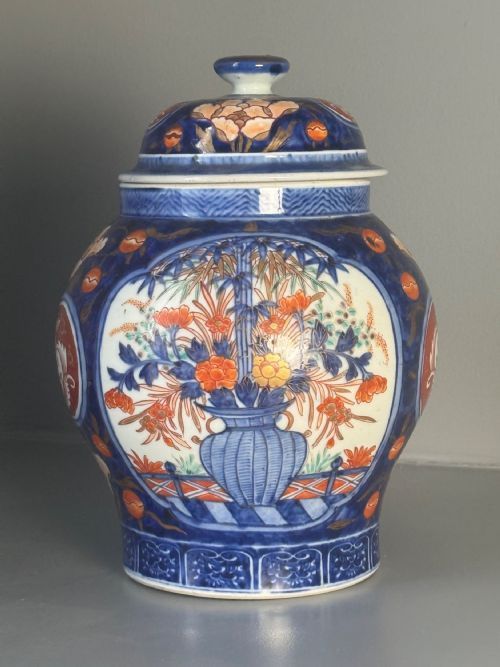
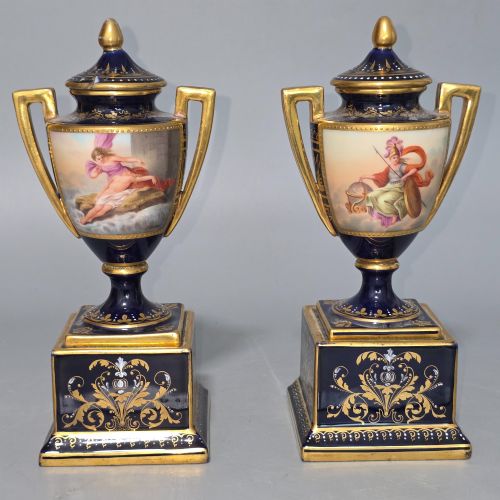
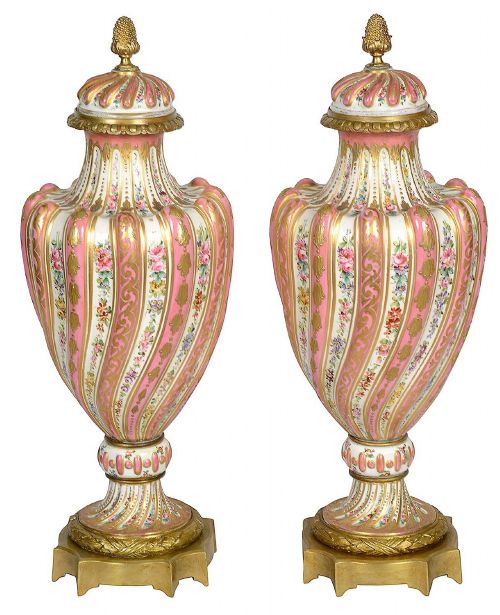
When you search for an antique porcelain vase lid, you encounter everything from small potpourri covers to monumental baluster jar tops spanning the eighteenth to the twentieth centuries. The selection includes domestic English earthenware from factories like Worcester and Derby alongside imported Chinese ginger jars, Japanese Imari pieces, and continental European porcelain.
Most examples you meet on this page belong to the nineteenth century, reflecting the Victorian taste for garnitures, urns, and decorative lidded vessels. These survivors often become separated from their bodies through centuries of handling, moving, and household use.
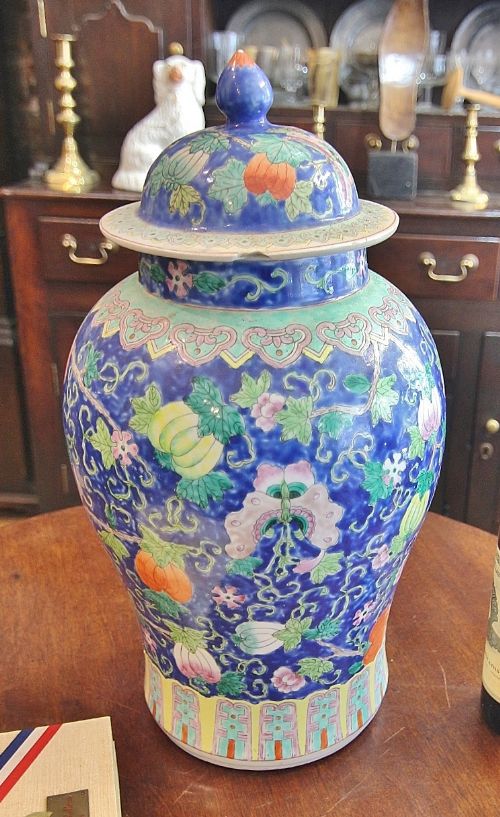
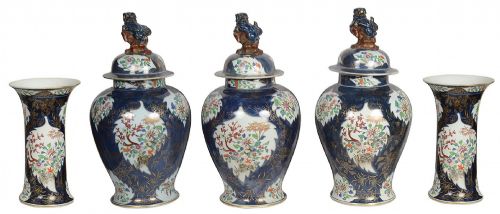
The forms range from simple domed caps to elaborate covers topped with sculpted finials, fruit motifs, or temple dogs. Identifying the right period involves matching the paste, glaze characteristics, and decorative palette to known manufacturing centres.
Materials and technique
Makers shaped these lids using refined porcelain, ceramic, and tin-glazed earthenware bodies, often finished with transparent or opaque glazes. Firing required precise kiln control to prevent warping, particularly on wide rims and hollow domed tops designed to fit snugly onto vase necks.
Decoration relied on hand-painted enamels, underglaze blue, and applied gold leaf or gilding. Many workshops employed transfer printing enhanced by overglaze enamel painting, followed by subsequent low-temperature firings to fix the colours.
Listings include eighteenth-century Georgian items alongside nineteenth-century Victorian and Edwardian pieces, utilising porcelain, tin-glazed earthenware, and gold leaf.
Assessing the work
Quality reveals itself in the crispness of the moulding and the precision of the hand-painted brushwork on the upper surface and finial. Finer pieces display carefully controlled enamel thickness, evenly distributed gilding, and a precise fit where the flange meets the inner rim of the vase.
Lids produced by major factories or signed by named decorators exhibit superior control over the ceramic body and glaze pooling. Inferior examples often show kiln specking, glaze pooling near the rim, or hasty decoration that lacks the depth found in exhibition-standard pieces.
Royal Crown Derby·Samson Paris·Royal Worcester·Chamberlain Worcester·Coalport
The Antique Porcelain Vase Lid Glossary
- Finial
- The sculptural knob or handle on top of a lid. It often takes the form of a bud, flower, scroll, or animal figure.
- Gilding
- The application of gold leaf or powdered gold to the ceramic surface. This technique highlights rims, handles, and raised decorative elements.
- Imari
- A decorative style originating in Japan featuring rich underglaze blue combined with iron red and gold. European factories frequently copied this vibrant palette.
- Potpourri
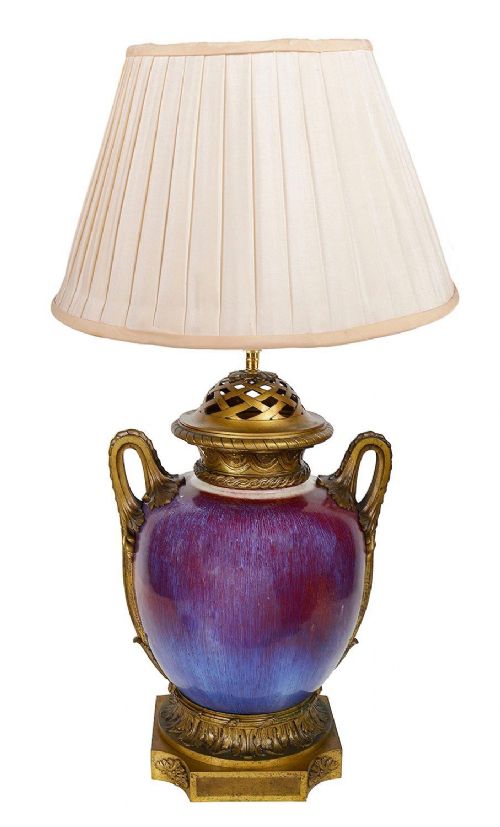
- A mixture of dried plant materials scented with spices, placed inside perforated lidded jars to perfume a room. The lids feature pierced holes designed to release the fragrance.
Antique Porcelain Vase Lid: Frequently Asked Questions
How do I match a lid to a vase?
Matching a lid requires careful measurement of the inner flange diameter, rim thickness, and opening depth. You must also compare the clay body, glaze colour, and decorative palette to ensure visual consistency with the base.
Even small variations in shrinkage during the original firing mean that exact matches remain uncommon. Collectors often look for pieces sharing the same period, factory origin, and hand-painting style rather than expecting a seamless fit.
What are potpourri lids used for?
Potpourri lids feature small pierced holes or openwork grilles designed to let scented dried flowers and spices fragrance a room. They sat atop specialised urns and jars in drawing rooms and parlours.
The perforated design separates these covers from standard vase lids, which were built solid to seal the vessel's contents or retain water for cut flowers.
How do I care for antique porcelain?
Clean antique porcelain lids gently using lukewarm water and a mild, non-abrasive detergent when necessary. Avoid harsh scrubbing, especially on pieces with overglaze enamel painting or fragile gold leaf.
Keep them away from direct sunlight and rapid temperature fluctuations to protect the glaze and prevent stress fractures in the ceramic body.
How do I distinguish eighteenth and nineteenth century pieces?
Eighteenth-century porcelain lids generally display softer paste bodies, subtle hand-mixed glazes, and hand-painted motifs characteristic of early factory production. Nineteenth-century examples often feature brighter chemical colour palettes, standardised moulding techniques, and factory transfer-print marks.
Examining the underside and interior rim reveals manufacturing clues such as kiln-support scars and potting marks that help determine the era of production.