


Victorian Porcelain Ornamental Vase
A victorian porcelain ornamental vase brings tactile nineteenth-century presence to a mantelpiece, offering rich hand-painted detail and classical forms.
Victorian Porcelain Ornamental Vase
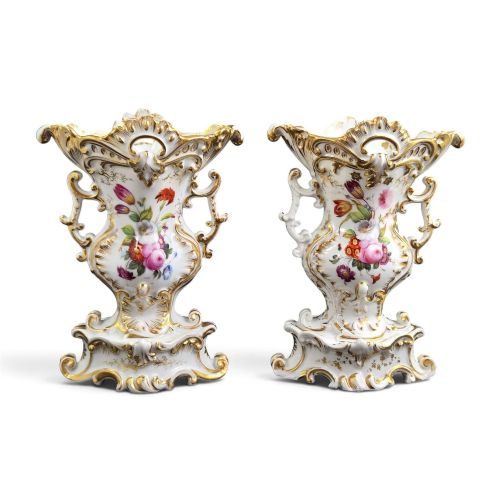
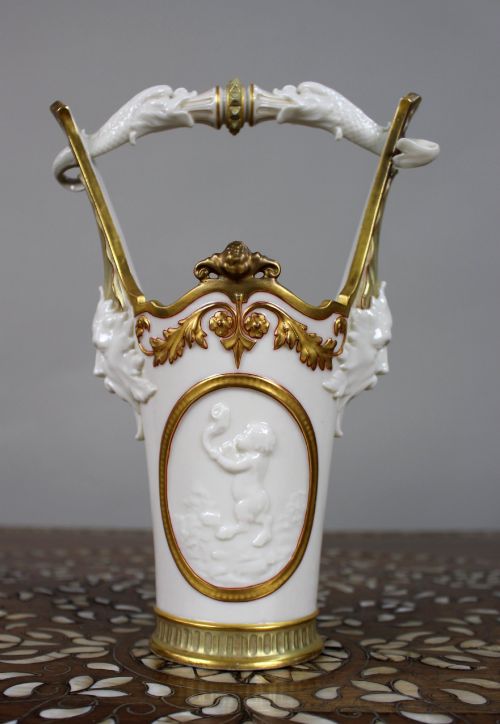
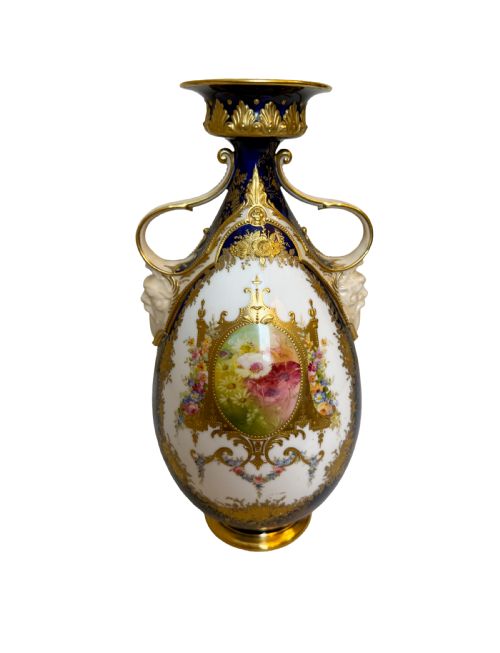
When you search for a victorian porcelain ornamental vase, you encounter a diverse range of decorative vessels spanning the nineteenth century and early twentieth century. The selection includes pedestal ewers, lidded urns, and decorative jugs that reflect the tastes of the period.
Most items on this page display stylistic influences from the Victorian Rococo Revival, Neo-Classical, and Aesthetic Movement eras. Pieces originate from prominent English factories alongside continental European workshops.
Forms range from intimate cabinet vases to substantial centrepieces and paired items designed for symmetrical placement. Hand-painted decoration and classical motifs dominate the selection.
How they were made
Potters utilised fine porcelain and bone china as the primary substrates for these decorative vessels. Bodies were shaped through casting or throwing before receiving detailed hand-painted artwork and glaze.
Gilding, gold leaf, and enamel were applied to highlight relief moulding and frame painted scenes. Bronze and cast metal mounts occasionally supplement the porcelain bodies on ewers and urns.
The listings show a concentration of nineteenth-century pieces utilising porcelain, enamel, and intricate gilding techniques.
What varies in quality
The sophistication of the hand-painted decoration largely determines the distinction between standard production and exceptional examples. Signed artwork by noted factory artists elevates the standing of individual pieces.
The crispness of the porcelain moulding and the richness of the gilding and enamel work dictate visual presence. Paired items demonstrating matched proportion and uniform decoration hold greater cohesion.
Jacob Petit·Royal Worcester·Royal Doulton·Royal Vienna·Royal Crown Derby·Hadley and Sons Worcester·Coalport
The Victorian Porcelain Ornamental Vase Glossary
- Ewer
- A large jug with a wide spout and sculpted handle, often produced as a decorative pair with matching vases. These vessels derive their shape from historical wine-serving pitchers.
- Gilding
- The application of gold leaf or gold paint to highlight ceramic details and rims. This technique adds reflective warmth to the porcelain body.
- Rococo Revival
- A nineteenth-century design style characterised by asymmetrical scrollwork, naturalistic floral motifs, and curved ornamentation. It draws inspiration from eighteenth-century French aesthetics.
- Urn
- A decorative vase typically featuring a footed base, a rounded body, and sometimes a lid or handles. These pieces often incorporate classical architectural motifs.
- Enamel
- Opaque glass-based pigment applied to the porcelain surface and fired to create permanent coloured decoration. It provides vibrant hues alongside hand-painted scenes.
Victorian Porcelain Ornamental Vase: Frequently Asked Questions
How do I display a porcelain ewer?
Place ewers on sturdy mantelpieces, pedestals, or side tables where their sculpted handles and spouts can be appreciated from multiple angles. Avoid positioning them in areas of high foot traffic where accidental knocks might occur.
Because many ewers were originally produced as pairs, keeping them together maintains visual balance in a room. Ensure they sit away from direct sunlight to protect hand-painted enamel colours over time.
Are these vases watertight?
Most ornamental pieces from this period were designed purely for display rather than functional use as flower holders. Internal unglazed areas or fragile applied decoration mean they are not suited for holding water.
Utilising them for dried stems or artificial arrangements preserves the interior and prevents moisture damage to the ceramic body. Prioritise their decorative integrity over practical utility.
How do I identify the period?
Examine the base for factory marks, registration numbers, and artist signatures which often provide clues to the manufacturing decade. Stylistic markers such as Aesthetic Movement motifs or Rococo Revival curves also help narrow down the date.
Compare the quality of the paste, gilding techniques, and hand-painted subjects against documented examples from the same potteries. Consistency in materials points towards authentic nineteenth-century production.