
Victorian Ceramic Vase
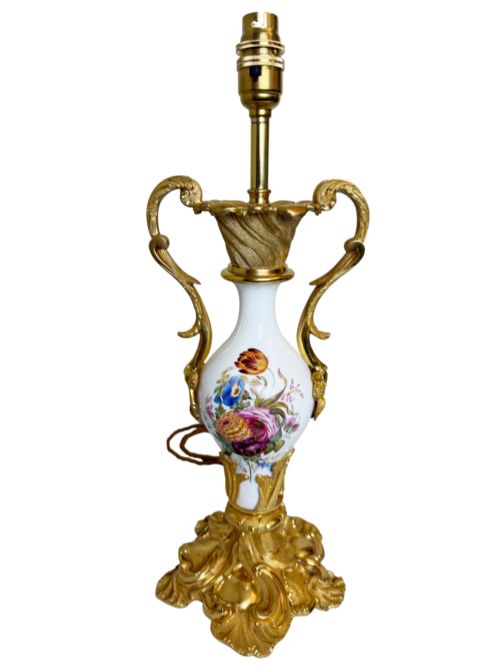
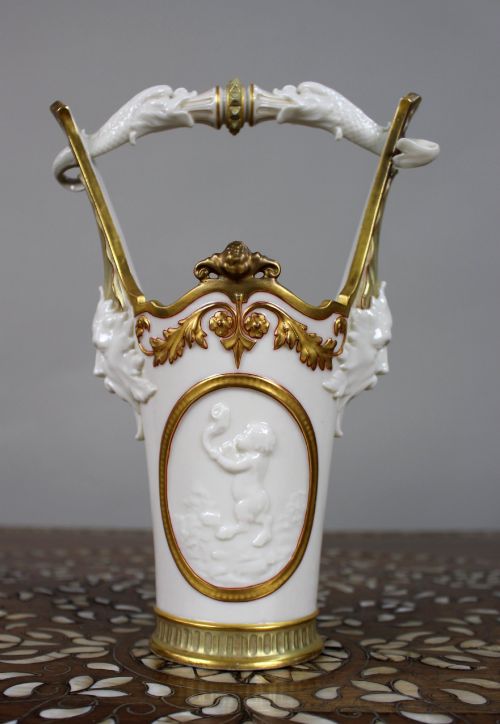
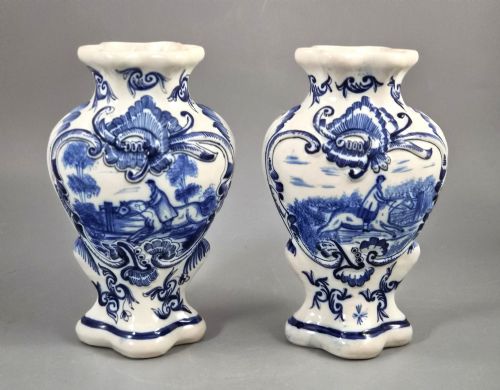
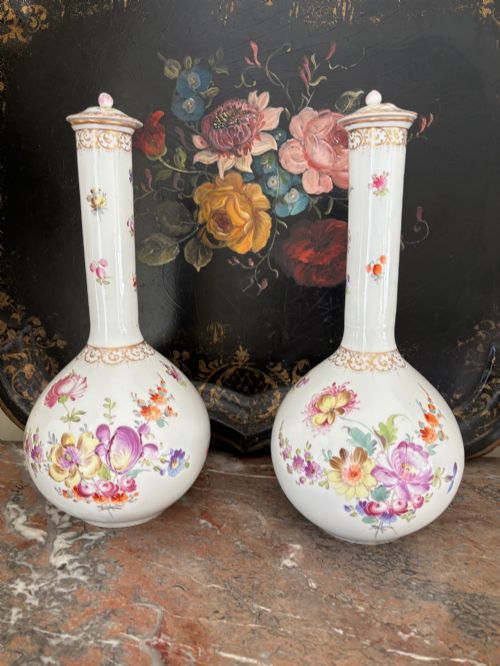
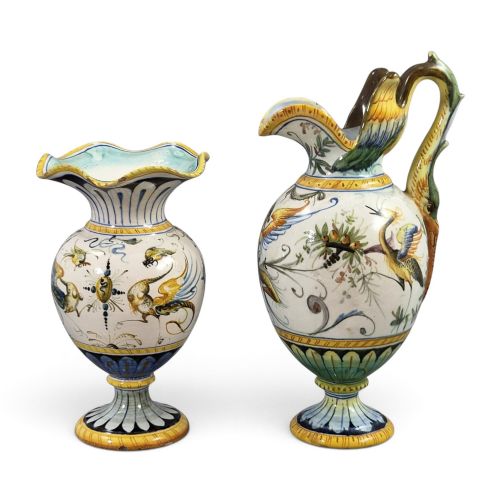
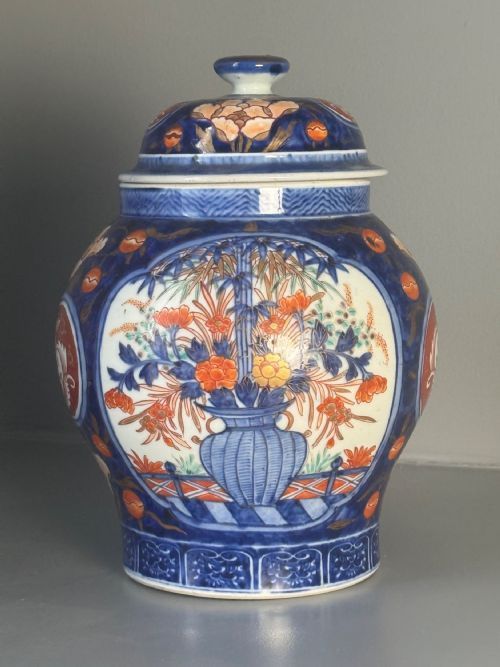
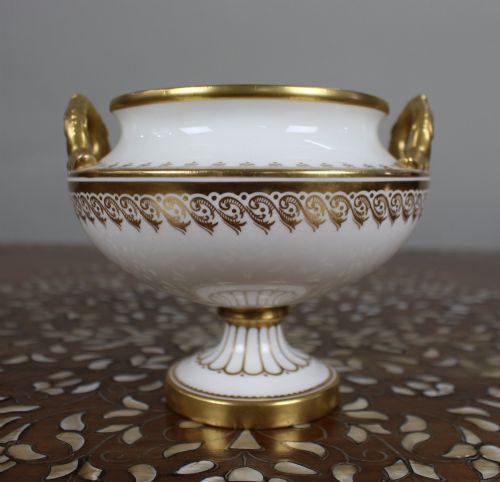
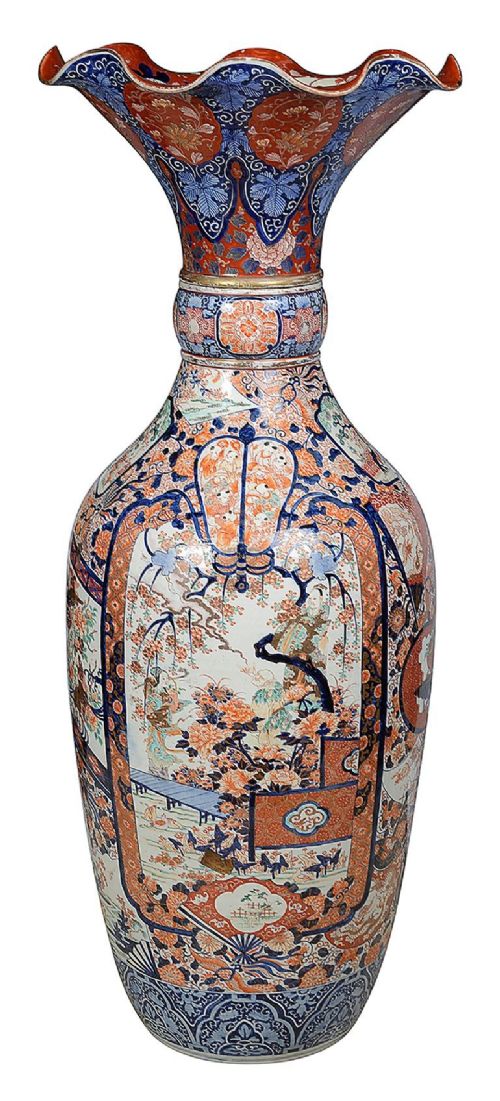
A victorian ceramic vase brings the exuberant hand-painted flora, rich glazes and sculptural forms of the nineteenth century straight into a modern room.
Victorian Ceramic Vase
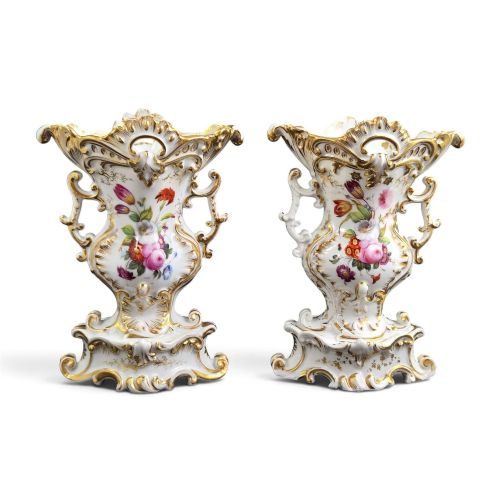
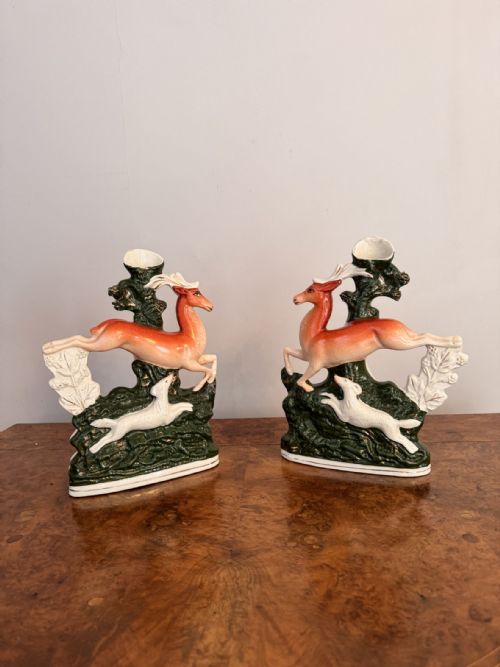
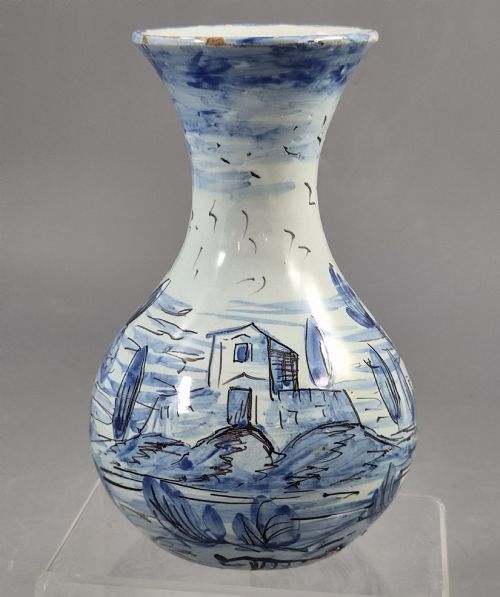
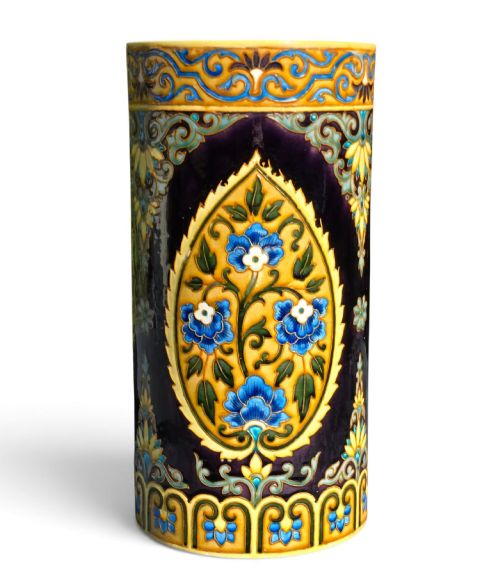
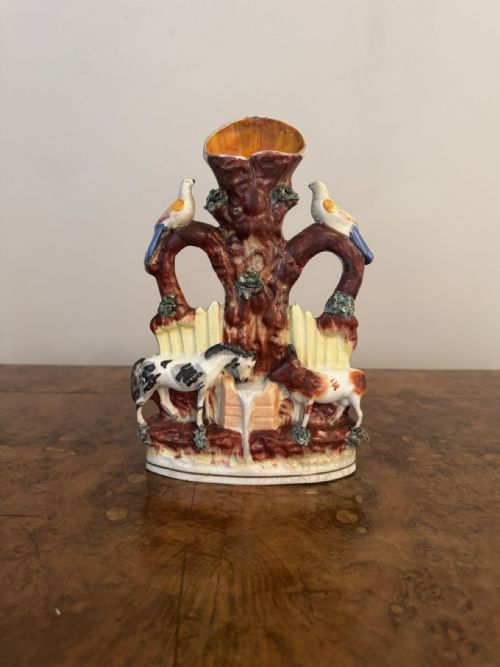
When you search for a victorian ceramic vase, you encounter everything from modest earthenware spill vases modelled as animals to monumental porcelain exhibition pieces from renowned factories. The selection spans utilitarian Staffordshire figures and earthenware jars alongside refined porcelain urns and French faience.
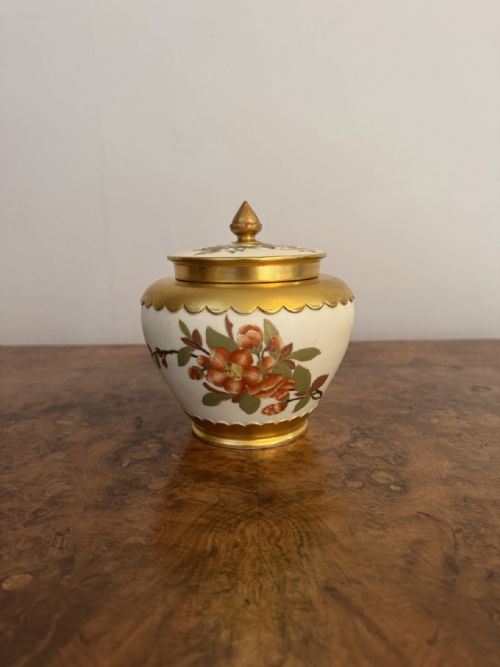
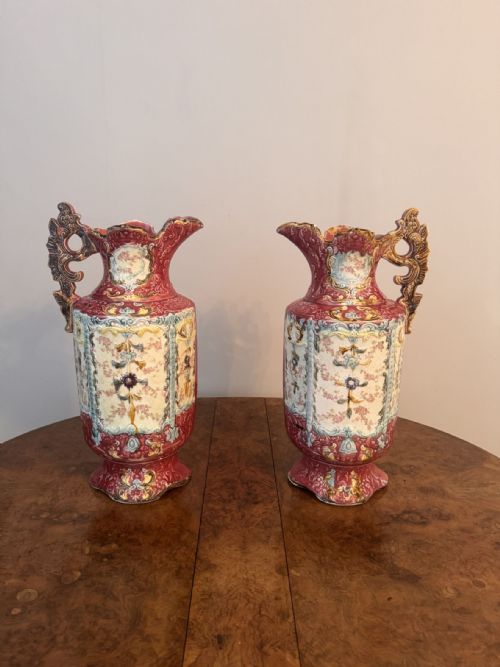
Makers across Britain and continental Europe produced these vessels in diverse styles ranging from Rococo Revival and Renaissance Revival to Arts and Crafts. Pairs of spill vases and lidded potpourri pots appear frequently, designed originally to ornament mantelpieces and side tables.
Origins stretch from English potteries in Staffordshire and Worcester to French workshops, Austrian kilns and Italian majolica centres. Buyers find both cabinet-sized cabinet pieces and substantial floor-standing umbrella stands.
Materials and Technique
Potters shaped these vessels using porcelain, earthenware, stoneware and terracotta, applying rich glazes and enamel colours to the surfaces. Many pieces combine hand-painted floral or ornithological decoration with raised gold leaf and gilding.
Techniques varied from traditional throwing and moulding to slip casting and faience production, followed by multiple firings in the kiln. Factories employed specialist artists to hand-paint botanical and figural scenes directly onto the ceramic body.
Styles span Rococo Revival, Arts and Crafts, Renaissance Revival and Japanese Meiji period influences.
Assessing Quality
Quality rests upon the crispness of the moulding and the skill of the hand-painted decoration rather than the mere presence of ceramic materials. Superior pieces display finely detailed brushwork, precise gilding and harmonious colour palettes that remain crisp across the entire surface.
The reputation of the manufactory and the individual artist's touch separate standard decorative output from exceptional exhibition pieces. Heavier potting and clumsy painted details indicate commercial production, while delicate execution marks the top of the range.
Royal Worcester·Doulton Lambeth·Cantagalli·Sitzendorf·Jacob Petit·Théodore Deck·Locke And Co·Helena Wolfsohn·William Adams And Sons·Lauder Pottery
The Victorian Ceramic Vase Glossary
- Spill vase
- A narrow receptacle designed to hold wooden spills used for lighting candles or fires. These vessels frequently took the form of domestic animals or rustic figures.
- Majolica
- A type of earthenware coated with an opaque tin glaze and painted with metallic oxide colours. The technique produced vibrant, glossy surfaces popular throughout the nineteenth century.
- Campana
- A bell-shaped urn or vase form derived from classical antiquity. This classical silhouette appeared frequently in English and continental porcelain.
- Faience
- Tin-glazed earthenware produced in various European traditions, particularly associated with French and English decorative workshops. It allowed for intricate painted surface designs.
- Moon flask
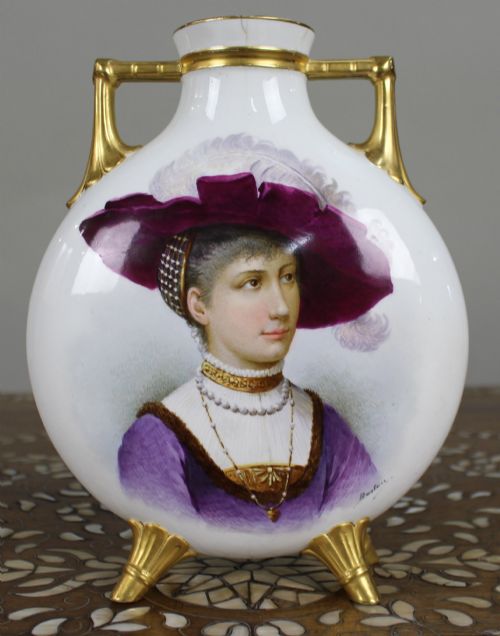
- A flattened circular flask resting on a base, often fitted with small side handles. Makers utilised the broad flat surfaces for detailed hand-painted floral scenes.
Victorian Ceramic Vase: Frequently Asked Questions
What is a spill vase used for?
These narrow vessels held slender wooden tapers called spills, which residents used to transfer a flame from the fireplace to lamps or candles before the invention of safety matches.
Over time, they evolved into purely decorative mantelpiece ornaments, often modelled as lively animals or classical urns.
How do I care for antique ceramics?
Dust these decorative items gently with a dry, soft cloth and keep them away from direct sunlight to protect hand-painted enamel colours and gilding.
Avoid washing glazed earthenware or porcelain in water, particularly if they feature delicate overglaze decoration or gilt highlights that can wear away.
What distinguishes porcelain from earthenware?
Porcelain is fired at extremely high temperatures, resulting in a dense, vitrified body that is often translucent and rings when tapped gently.
Earthenware is fired at lower temperatures, producing a porous, opaque body that requires a glaze to become impermeable to liquids.
How are periods identified?
Makers marked their wares with impressed stamps, painted ciphers or printed backstamps that record specific factory periods or registration years.
Stylistic cues such as exuberant gilding, specific pastel palettes and classical revival motifs also help date pieces to the nineteenth or early twentieth century.