
Decorative Pottery Vessel
When you want a decorative pottery vessel, you are looking for an expressive ceramic piece that brings colour and form into a room.
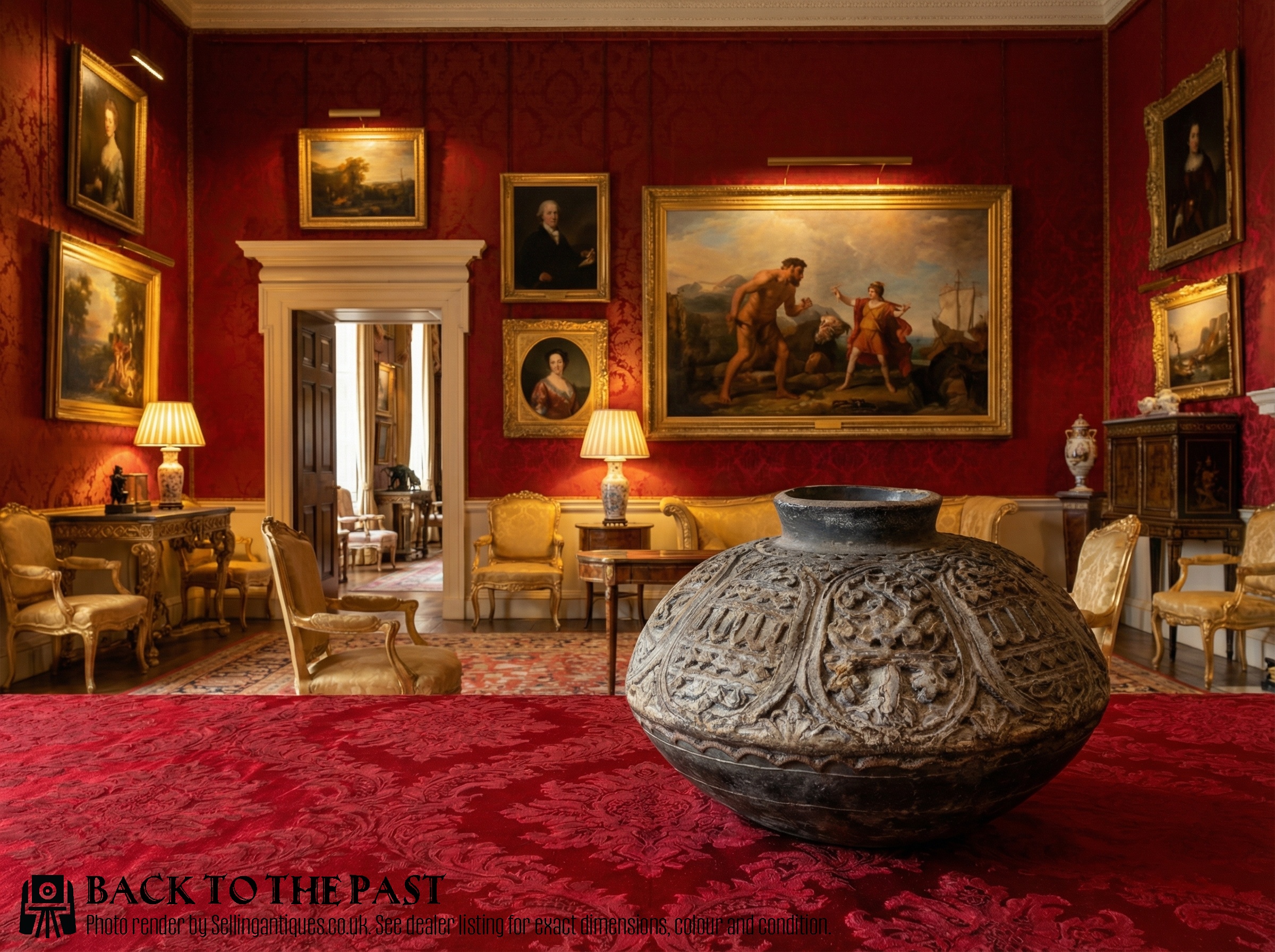
Decorative Pottery Vessel
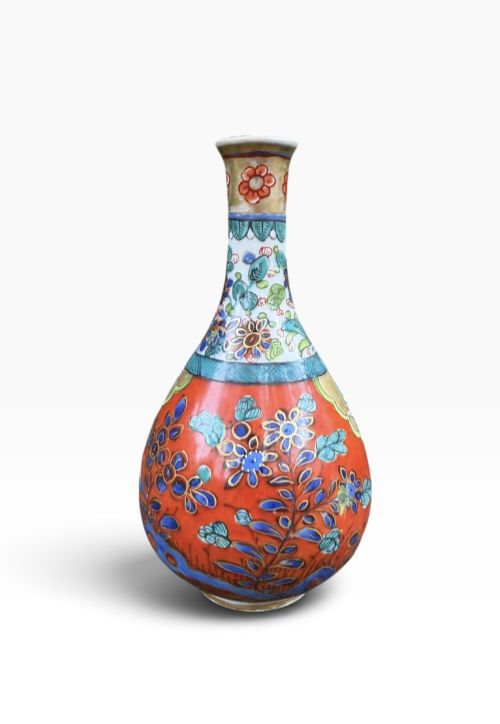
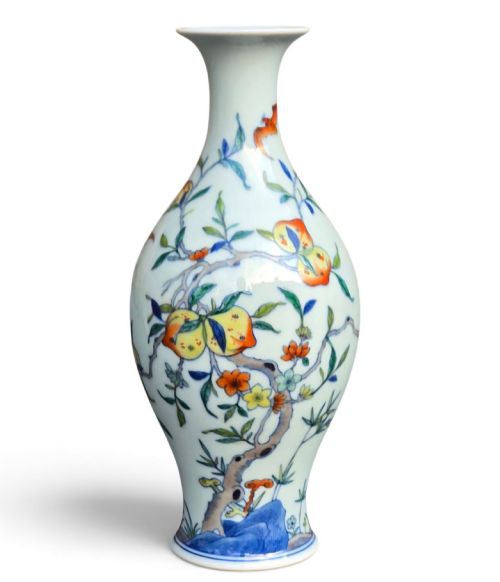
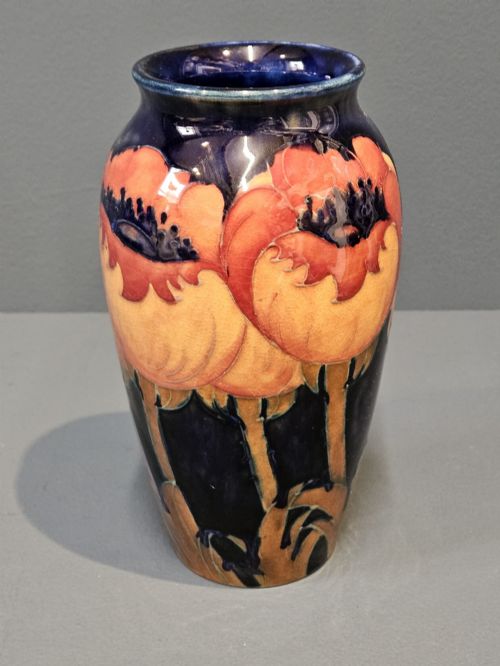
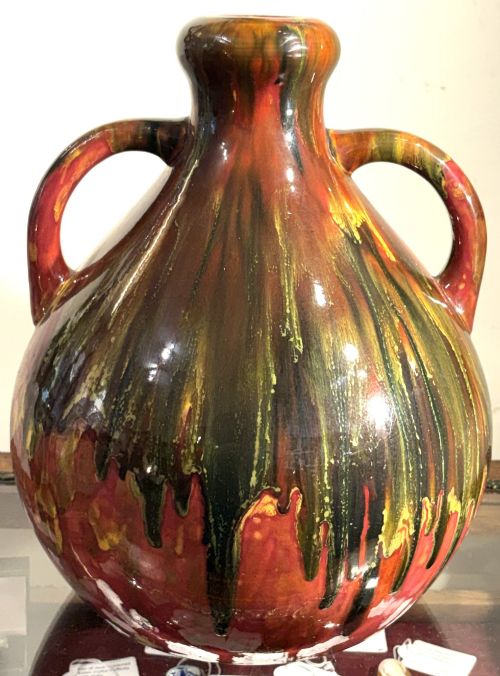
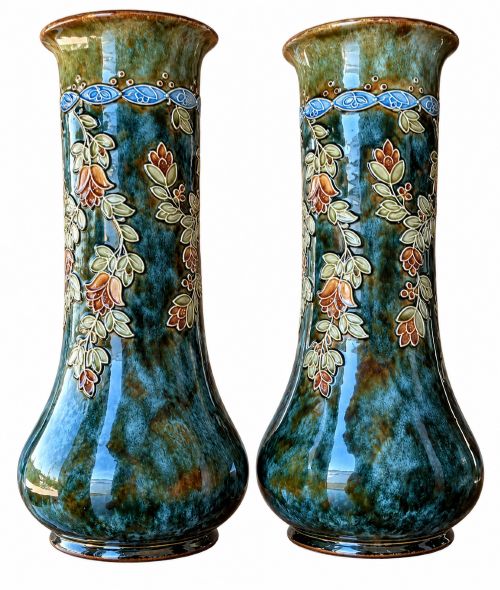
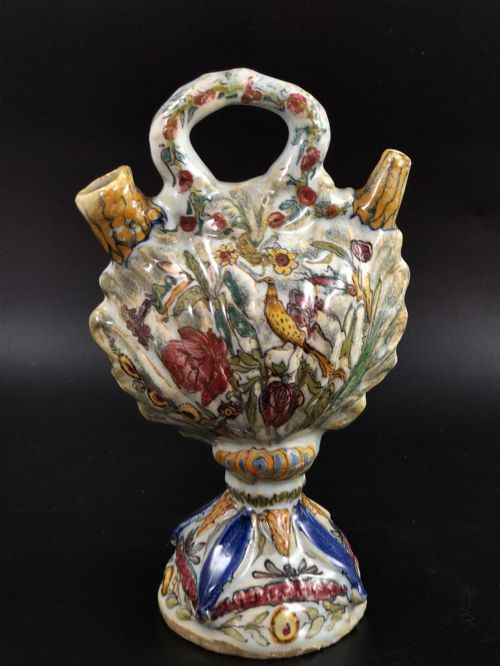
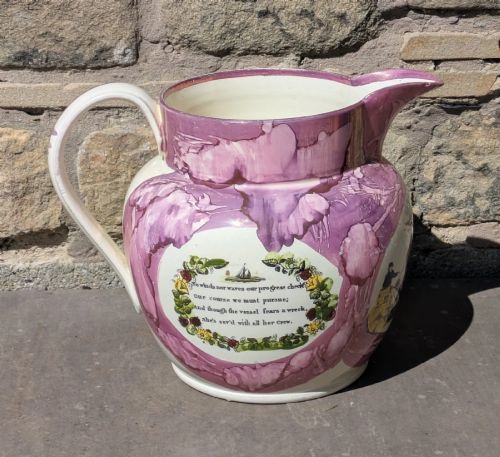
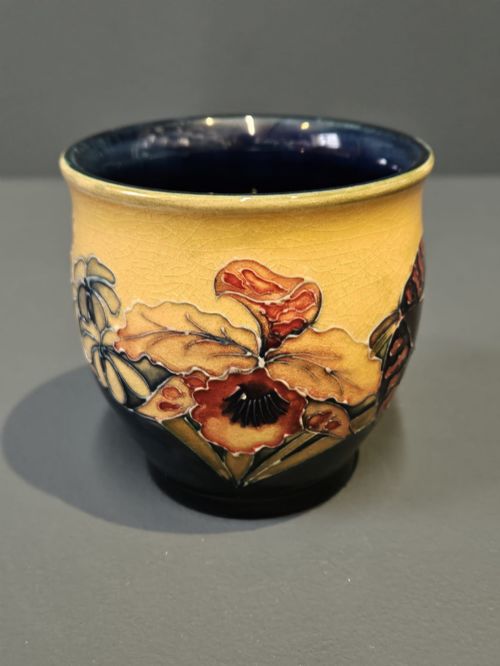
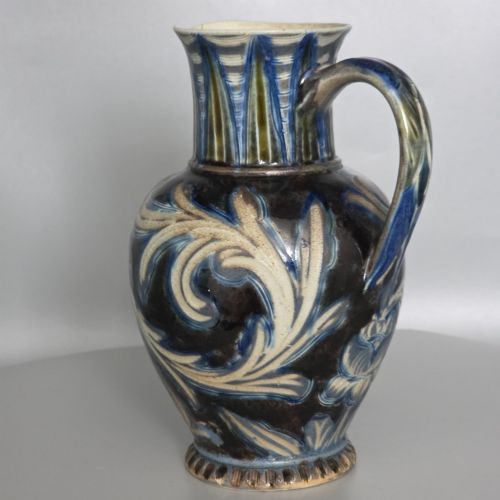
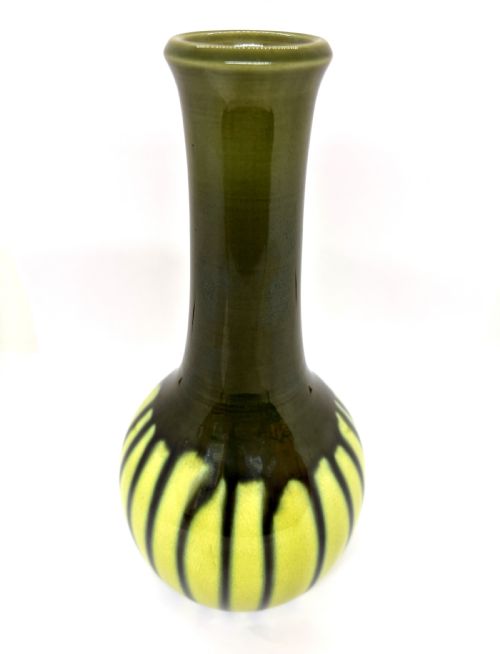
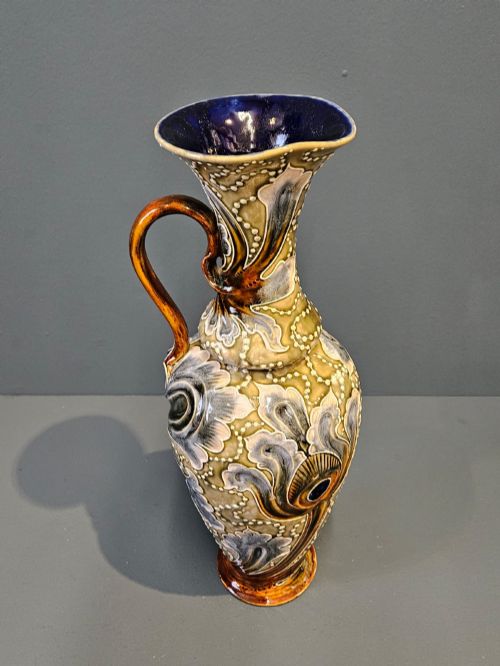
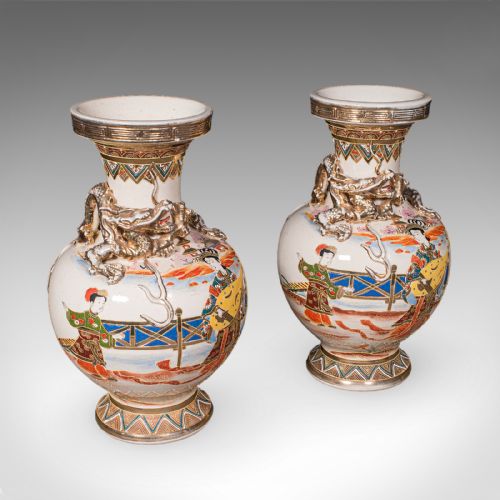
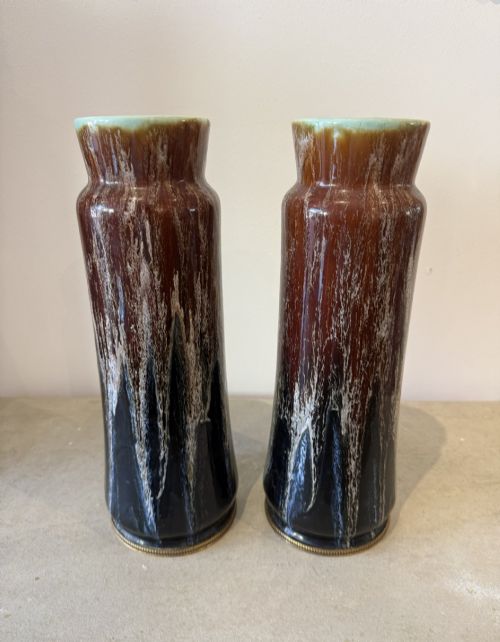
A decorative pottery vessel encompasses diverse ceramic objects created for display rather than utility, ranging from tall baluster vases to handled ewers and wide bowls. These items span many periods, with nineteenth-century examples and early twentieth-century studio pottery frequently appearing across the selection.
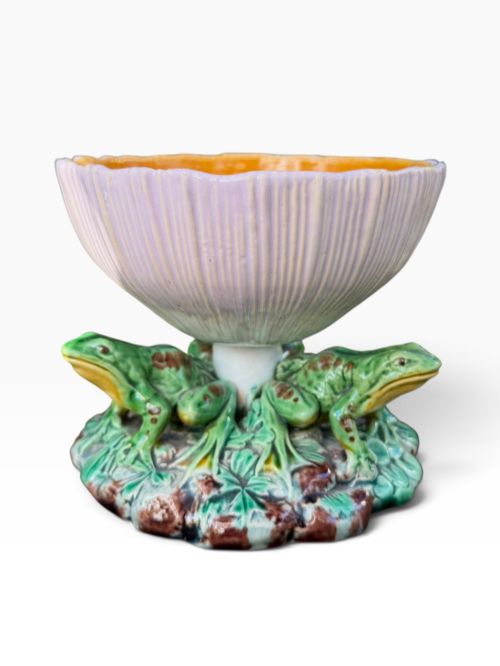
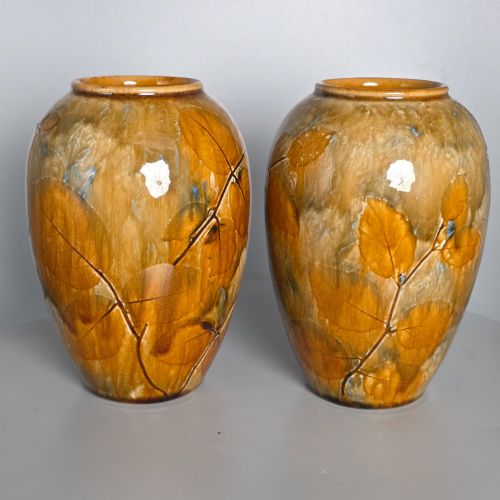
Makers shaped these vessels in varied regional traditions, producing British stoneware, Japanese Satsuma ceramics, French earthenware, and Italian majolica. Collectors encounter both matched pairs designed for formal mantel placement and singular statement jars or pilgrim flasks.
The styles shift from traditional floral motifs and maritime themes to bold Art Nouveau tendrils and geometric Art Deco designs. Each decorative pottery vessel reflects the prevailing aesthetic of its decade of manufacture.
How they were made
Potters shaped earthenware, stoneware, and porcelain bodies by hand or on the wheel before applying specialised glazes and enamel colours. Many nineteenth-century and early twentieth-century examples employ salt glazing, slip-painting, or lustrous metallic finishes.
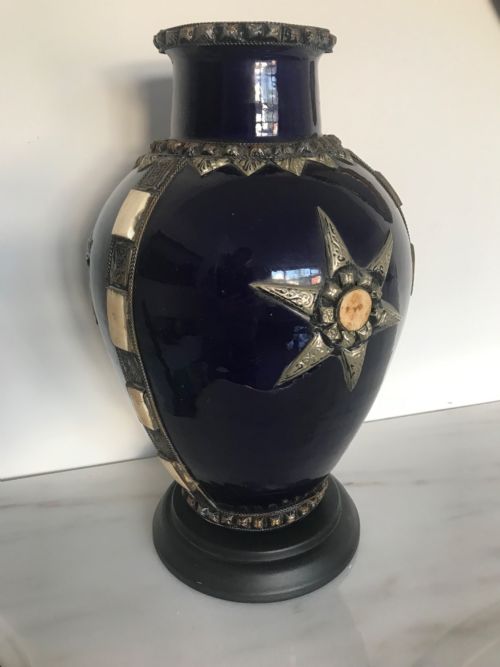
Surface ornamentation often involves incised patterns, hand-painted pictorial scenes, or applied decorative elements such as metal mounts, silver cabochons, and gold leaf. Firing techniques determined the ultimate depth of the ceramic body and the permanence of the surface pigments.
The listings here include earthenware, stoneware, and porcelain vessels spanning the Victorian era through the early twentieth century.
What varies in quality
The quality of a decorative pottery vessel depends on the crispness of the incised details, the control of the glaze during firing, and the precision of the hand-painted brushwork. Pieces executed by named artists or major potteries display superior technical mastery in their balanced proportions and complex surface decoration.
Somewhat simpler vernacular items rely on rustic charm and honest materials rather than fine detail, whereas premier studio pieces show deliberate artistic intent in every stroke and glaze variation.
Royal Doulton·Doulton Lambeth·Burmantoft s Pottery·Bretby Pottery·Royal Worcester·Minton·Mettlach Pottery·Royal Crown Derby·Carlton Ware·Sir Edmund Elton
The Decorative Pottery Vessel Glossary
- Baluster
- A vertical ceramic form characterised by a rounded lower body that tapers towards a narrow neck. This shape provides a stable base for display.
- Ewer
- A large jug featuring an indented spout and a curved handle, traditionally used for pouring liquids but valued here for its sculptural silhouette.
- Majolica
- A type of tin-glazed earthenware decorated with brightly coloured metal oxides over an opaque white background. It produces vibrant pictorial surfaces.
- Stoneware
- A dense, impermeable ceramic fired at high temperatures until the clay body vitrifies. It accepts salt glazes and deep surface incisions exceptionally well.
- Lustre
- A metallic surface sheen applied to pottery and fired in a reduced oxygen environment to create an iridescent, rainbow-like reflection.
- Cabochon
- A smooth, rounded gemstone or moulded decorative stud applied in relief to the surface or metal mount of a vessel.
Decorative Pottery Vessel: Frequently Asked Questions
How were antique ceramic vessels used?
Many of these vessels functioned as ornamental centrepieces on mantelpieces, sideboards, or display cabinets within period homes. Some specific forms, such as pilgrim flasks and ewers, originated from functional prototypes before becoming purely decorative.
Over time, owners prized them for their artistic contribution to interior decoration rather than any practical utility.
How do I style these vessels at home?
You can display a decorative pottery vessel as a standalone sculptural object on a shelf, or pair symmetrical vases on either end of a mantel. Matching pairs create a formal look, while individual jars or bowls introduce varied focal points to a room.
Consider the background tones of your interior to let the glaze colours and surface textures stand out clearly.
How do I tell different periods apart?
Distinguishing periods relies on observing stylistic markers, manufacturing techniques, and material types present in the piece. Nineteenth-century items often feature elaborate historicist or Japanese-inspired motifs, while early twentieth-century examples frequently display Art Nouveau organic lines or clean Art Deco geometries.
Maker marks, stamps, and signatures stamped into the base also help pinpoint the exact era of production.