


Antique Grey Ceramic
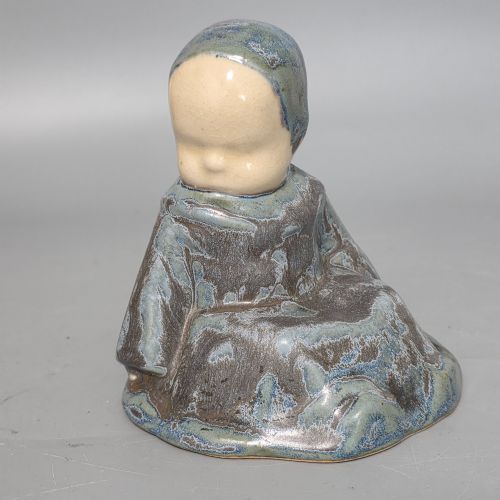
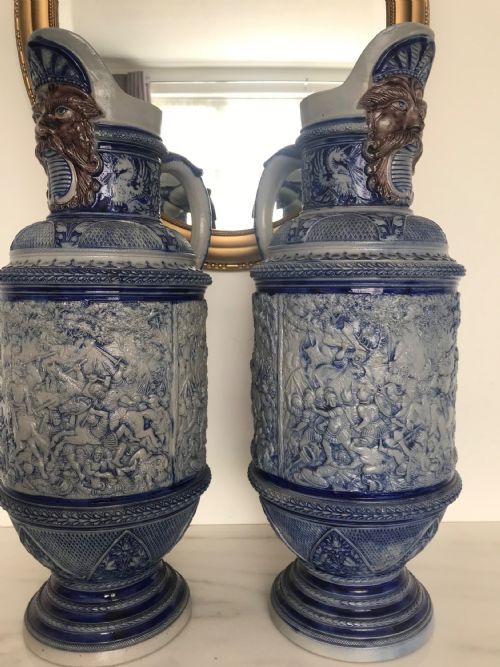
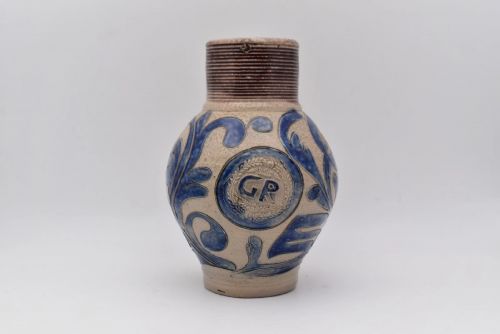
These antique grey ceramic pieces bring heavy earthenware, salt-glazed stoneware and delicate porcelain into the room, offering centuries of fired form for the collector.
Antique Grey Ceramic
When you search for antique grey ceramic, you encounter a remarkably broad span of objects, ranging from ancient Chinese pottery figures and Pre-Columbian whistles to European salt-glazed stoneware jugs, Victorian table lamps and studio vases.
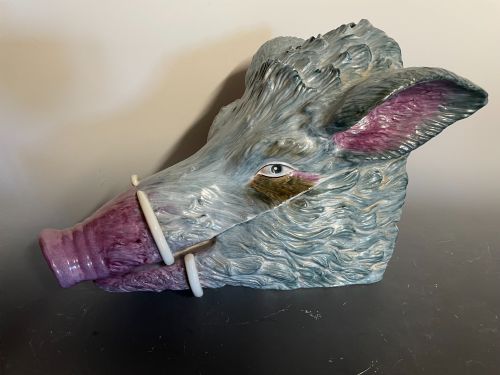
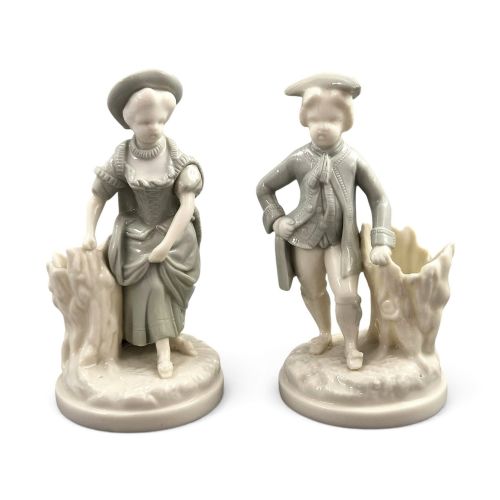
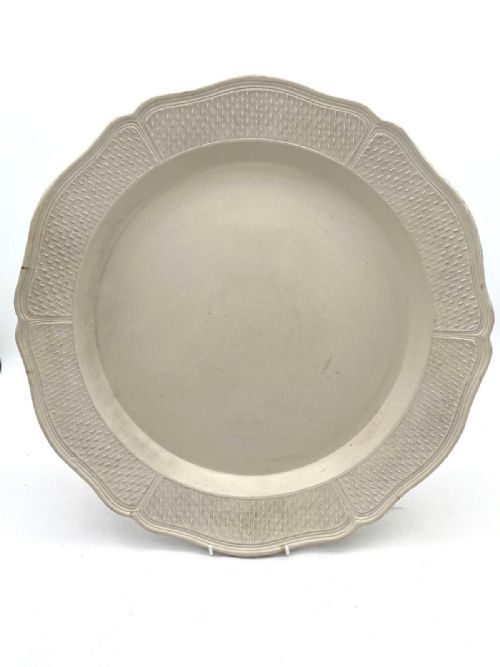
The domestic forms include chargers, tankards, harvest cups, garden pancheons and salt cellars, alongside decorative animal figures, figural salts and monumental garden lions.
Originating across England, Germany, France, China, Japan, Peru and India, these works stretch from pre-sixteenth century traditions through the Georgian, Victorian and Art Deco eras.
How they were made
Makers shaped these items from ceramic, stoneware, porcelain, terracotta and earthenware, employing methods that include throwing on the wheel, hand-modelling and mould-pressing.
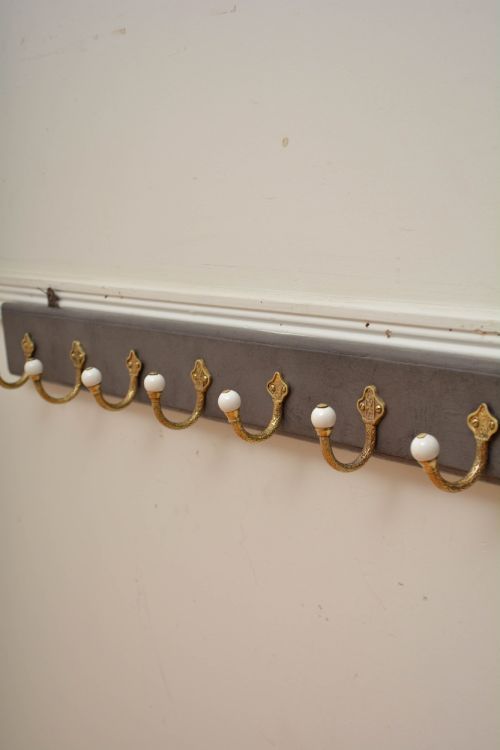
Surfaces received treatments such as salt glazing, enamel, paint and pate-sur-pate, while metal components like cast brass and ormolu were sometimes added to jugs, lamps and coat racks.
A fifteenth-century Pre-Columbian ceramic frog whistle waits alongside heavy Victorian garden lions and a porcelain monkey with its child.
What varies in quality
The depth and consistency of the glaze, particularly on salt-glazed stonewares and early pottery vessels, distinguish standard utility wares from masterworks produced by established kilns and factories.
Berthe Savigny·Simon Peter Gerz·Makuzu Kozan II·Carl Thieme Dresden
The Antique Grey Ceramic Glossary
- Salt Glaze
- A vitreous coating of small orange-peel texture formed by throwing common salt into the kiln during the high-temperature firing of stoneware. This technique creates a durable finish seen on German jugs and large chargers.
- Stoneware
- A robust, non-porous ceramic fired at high temperatures until the clay body vitrifies. It forms the impermeable structure of many historic pitchers and tankards.
- Terracotta
- A porous, unglazed or glazed fired red-brown earthenware clay used for figures, jars and garden lions. The material records deep modelling from ancient and later periods alike.
- Pate Sur Pate
- A French ceramic technique where a design is built up in successive layers of liquid white clay slip onto a contrasting coloured body before firing. This painstaking method creates low-relief cameo effects on decorative vases.
- Bartmann
- A type of German stoneware jug featuring a bearded mask applied to the neck, often associated with sixteenth and seventeenth-century production in regions like Siegburg and Westerwald.
Antique Grey Ceramic: Frequently Asked Questions
What periods do these grey ceramics cover?
The selection spans from pre-sixteenth century pieces, such as ancient Chinese pottery and Pre-Columbian ceramic frog whistles, through the seventeenth, eighteenth and nineteenth centuries.
Later examples extend into the early twentieth century, including Art Deco designs from Royal Copenhagen and Japanese studio pottery.
Where were these ceramic items made?
The pieces originate from diverse global traditions, including European kilns in England, Germany and France, alongside Asian workshops in China and Japan.
Other examples stem from historical traditions in Peru and India, representing regional methods in terracotta, stoneware and porcelain.
How were larger garden and domestic items used?
Large forms such as garden pancheons, olive jars and heavy pottery lions served practical functions around estates, dairies and gardens.
Utilitarian vessels like harvest cups and tankards were built for communal drinking and storage before transitioning into decorative display pieces.