


Antique Indian Vessel
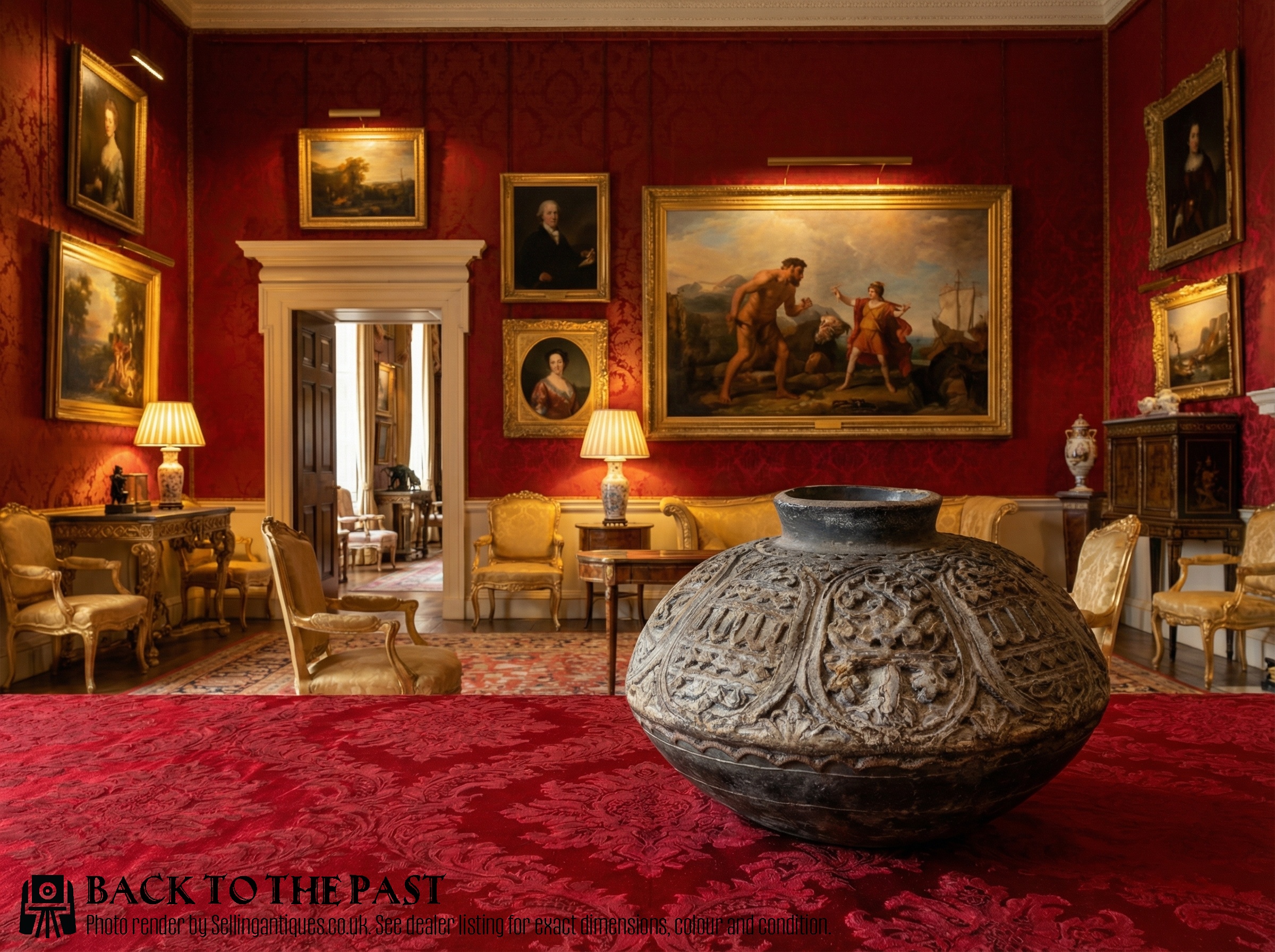
An antique Indian vessel brings domestic metalwork and carved wooden forms from the nineteenth and early twentieth centuries into a modern room.
Antique Indian Vessel
Every antique Indian vessel on this page represents a distinct functional object from the subcontinent, spanning utilitarian containers, ceremonial ewers, and decorative display pieces. Buyers seek these items for their rich surfaces, historical context, and the varied regional traditions they embody.
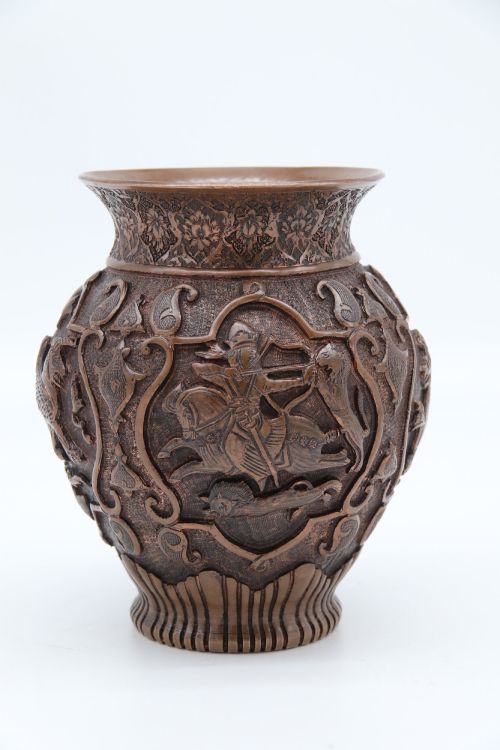
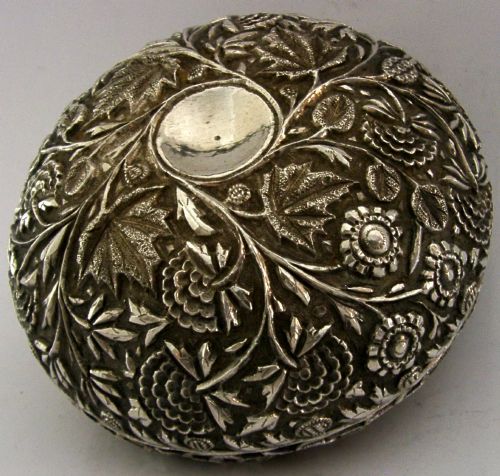
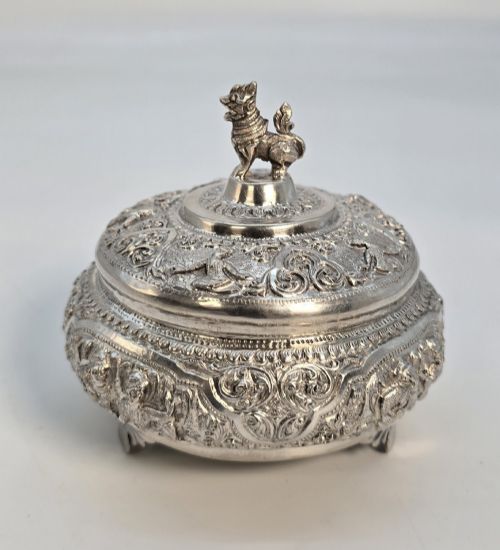
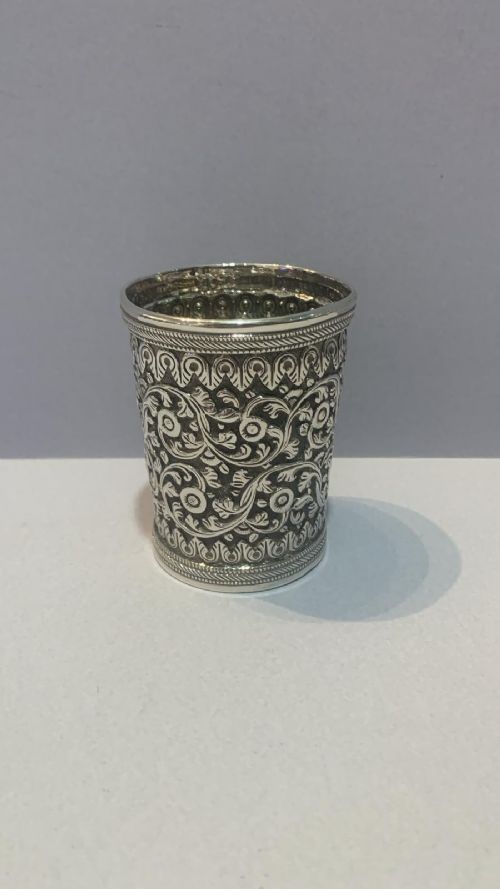
The selection ranges from large campaign buckets and jardinières in brass to solid silver beakers, repoussé copper vases, and intricately painted papier-mâché or wooden lidded pots. These works date primarily from the nineteenth century through the Edwardian period, capturing the diverse aesthetic output of the Raj era.
Objects include specialised forms such as ritual water carriers, spice powder boxes, betel nut containers, and hanging incense burners alongside standard decorative bowls and vases. This variety allows collectors to select pieces tailored to specific materials like silver, bronze, or inlaid marble.
Materials and construction
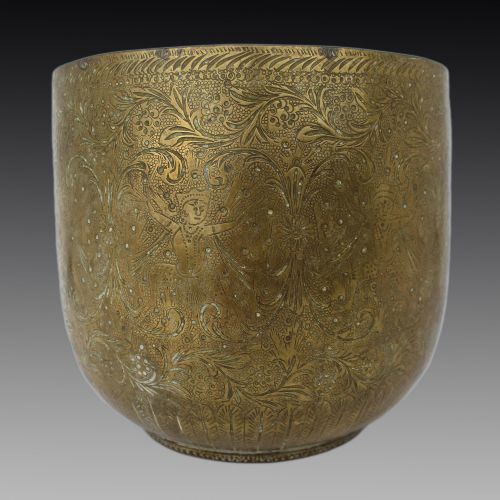
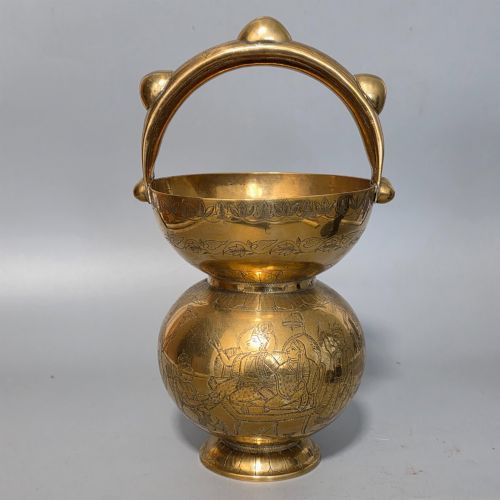
Metal vessels dominate the selection, utilising brass, copper, bronze, and solid silver shaped through hammering, casting, and repoussé techniques. Artisans achieved intricate surface patterns by hand-engraving, deeply carving, and chasing botanical or figurative motifs into the metal.
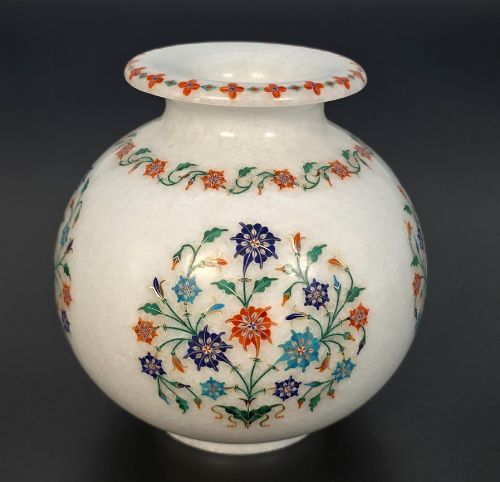
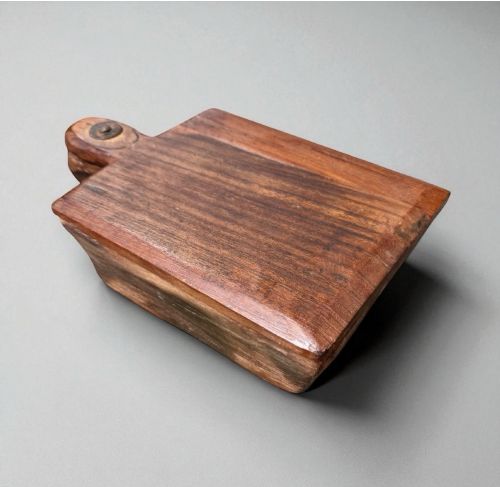
Organic and composite materials feature prominently alongside metalwork, including carved coconut shell, inlaid marble with pietra dura work, and painted wood or papier-mâché. These surfaces often display traditional polychrome decoration or precise stone inlay executed during the nineteenth century.
Listings span the nineteenth century through the Edwardian period, featuring regional styles from Kashmir, Kutch, and the wider Raj.
Distinguishing quality
Quality rests upon the crispness of the hand-chased or repoussé decoration and the weight of the material, particularly in silver beakers, bowls, and heavy bronze ewers. Finer examples display deep, deliberate carving rather than shallow or mechanical stamping, preserving the distinct character of regional workshops.
The integrity of applied elements, such as inlaid stones in marble vases or the preservation of original painted surfaces on Kashmiri papier-mâché and wood, dictates the standing of a piece. Superior works maintain their structural form and surface clarity without heavy distortion or loss to intricate ornamental details.
The Antique Indian Vessel Glossary
- Repoussé
- A metalworking technique where the artisan hammers the design from the reverse side to form a raised pattern in relief on the front. This method creates the tactile surface seen on many nineteenth century copper and silver bowls.
- Kashmiri
- Pertaining to the northern region known for distinctive painted papier-mâché and wooden vessels featuring birds, foliage, and intricate floral patterns. These pieces often display vibrant polychrome finishes.
- Pietra dura
- An artistic technique of using cut and fitted polished coloured stones to create inlaid images on a marble base. Examples include floral motifs set directly into stone vases from the Raj period.
- Campaign bucket
- A sturdy portable container originally designed for travel or military use, typically fashioned from heavy brass with secure handles. These functional items translate well into robust decorative cachepots.
- Aftaba
- A traditional long-necked metal ewer used for ritual washing or pouring water, frequently cast in bronze or brass. Many feature zoomorphic handles shaped like mythical sea creatures such as makaras.
Antique Indian Vessel: Frequently Asked Questions
How do I date an antique Indian vessel?
Dating relies on stylistic markers associated with the nineteenth century, the Raj period, and regional workshops documented in the titles. Materials such as solid silver, brass, and hand-painted papier-mâché also provide chronological clues.
Examine the construction methods, such as hand-engraving versus machine finishing, to separate nineteenth century examples from later twentieth century reproductions.
What were brass and copper vessels used for originally?
Many metal vessels served practical domestic or ceremonial roles, including holding water, carrying spices, storing betel nut, or burning incense. Items like seer measures functioned as standard units for trade.
Religious and ritual vessels, such as kamandals and aftabas, held holy water or served during domestic ceremonies in Hindu and regional traditions.
How should I clean a tarnished silver or brass vessel?
Preserve the patination by dusting gently with a soft dry cloth rather than applying aggressive chemical polishes that remove historic surface character. Light cleaning maintains the aged appearance valued by collectors.
Consult a specialist conservator before attempting to wash painted wooden or papier-mâché surfaces, as moisture can damage delicate pigments.
What is Anglo-Indian metalwork?
Anglo-Indian refers to objects produced in India during the British colonial period that combined traditional local craftsmanship with European forms or tastes. These pieces bridge Eastern techniques with Western domestic utility.
Workshops in regions like Kutch and centres associated with art schools produced these hybrid items in silver and brass for both local elites and British officers.