



Earthenware Water Vessel
An earthenware water vessel carries centuries of utility and form, shaped from clay and glaze across diverse cultures.
Earthenware Water Vessel
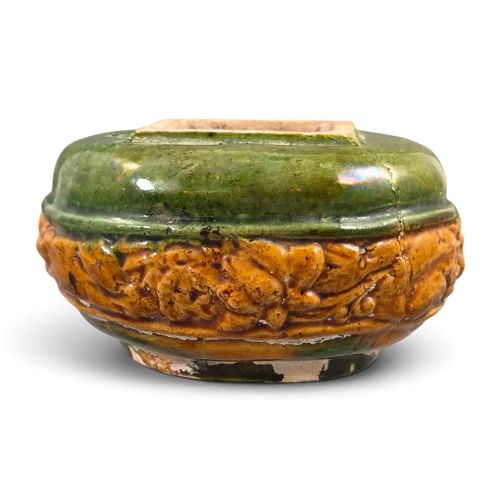
Every earthenware water vessel serves as a tangible link to historical domestic storage and ritual use across various periods. When exploring this selection, buyers encounter forms ranging from ancient ceramic waterpots to Mediterranean painted pottery and European folk jugs. The pieces span centuries, including items from the Tang to Liao Dynasty, the Victorian era, and the Meiji to Taishō period.
The objects take diverse shapes, functioning as pitchers, water filters, amphorae, and holy water stoups. Mediterranean folk art, Italian Renaissance Revival, and rustic European folk styles appear frequently among the listings. These variations reflect the distinct cultural contexts and utilitarian needs of their respective makers.
Materials and Construction
Makers shaped each earthenware water vessel primarily from clay, terracotta, and earthenware, occasionally utilising stoneware for enhanced durability. These materials formed the fundamental body of the piece, shaped by hand or wheel before drying and firing. Potters then applied ceramic glaze, lead glaze, or enamel to seal the porous body and add surface decoration.
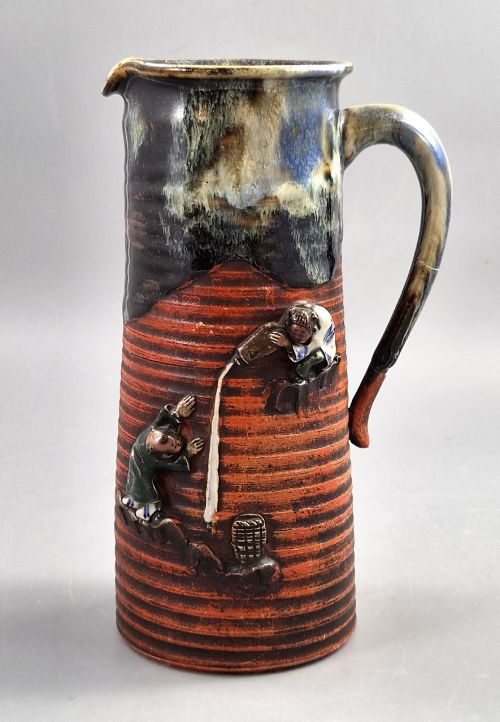
Surface treatments vary widely, incorporating incised patterns, painted designs, and cream sprigging. Some examples feature specialised manufacturing techniques, such as patented filtration systems or sculptural figural applications seen in Sumida Gawa wares. The combination of local clay bodies and regional glazing traditions determines the final appearance of each vessel.
Some Victorian filter companies patented their vessels to reassure buyers their drinking water was free from nineteenth-century impurities.
Assessing Quality and Execution
Quality in an earthenware water vessel lies in the skill of the throwing, the stability of the clay body, and the precision of the glaze application. Superior examples demonstrate balanced proportions, clean lines, and intentional decorative details that reflect the maker's mastery of the medium. Finer pieces maintain their structural integrity and surface decoration with minimal degradation over time.
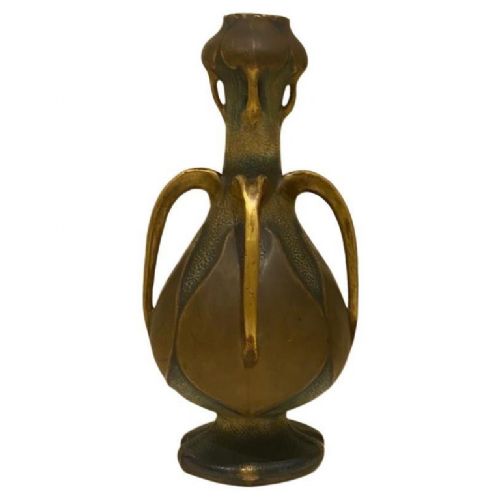
The sophistication of the glaze and the clarity of incised or painted motifs further distinguish better examples from simpler utilitarian items. Artistically ambitious pieces, such as those by Paul Dachsel or specialised patent makers, show greater attention to sculptural form and surface finish. Wear and historical patina contribute to authenticity, but the baseline execution remains the primary measure of quality.
Dee Filter Company·Paul Dachsel
The Earthenware Water Vessel Glossary
- Earthenware
- Porous pottery fired at relatively low temperatures, requiring a glaze to hold liquids. It represents one of the oldest and most widespread ceramic traditions.
- Amphora
- A two-handled jar with a narrow neck used since antiquity for the storage and transport of liquids. These vessels often feature a pointed base or a stable foot depending on their specific origin.
- Sprigging
- A decorative technique where moulded clay reliefs are applied to the surface of a vessel before firing. This method adds contrasting texture and ornamentation to stoneware and earthenware bodies.
- Lead glaze
- A shiny, transparent coating containing lead compounds applied to pottery before a final firing. It provides a waterproof surface and enhances the underlying clay or slip colours.
- Stoneware
- A dense, vitrified pottery fired at higher temperatures than earthenware, making it completely non-porous without a glaze. It offers superior strength and resistance to liquids.
Earthenware Water Vessel: Frequently Asked Questions
What is an earthenware water vessel?
An earthenware water vessel is a functional or decorative container made from porous clay, often finished with a protective glaze.
These items range from ancient scholar's waterpots to Victorian filter jugs and Mediterranean storage jars.
How do I care for antique pottery?
Antique pottery requires gentle handling and protection from sudden temperature changes and moisture.
Display these pieces in stable environments away from direct sunlight to preserve the clay and glaze.
Can these vessels still hold water?
Many historic vessels retain their structural integrity, but older porous earthenware can sweat or seep moisture.
It is generally advisable to use inert internal liners or keep them as dry decorative objects.
How are different periods identified?
Period identification relies on examining the clay body, glaze chemistry, stylistic motifs, and manufacturing techniques.
Comparing known examples from eras like the Tang Dynasty or the Victorian period helps establish a timeline.