


Carved Pottery Vessel
These carved pottery vessel pieces span centuries of ceramic artistry, offering tactile depth and rich historical character to any collector.
Carved Pottery Vessel
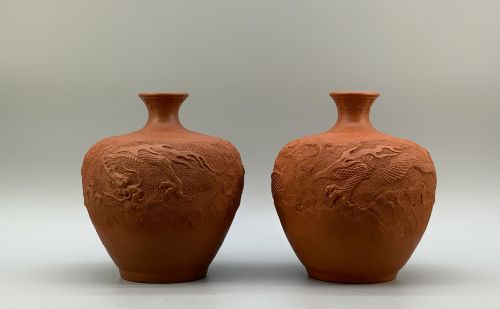
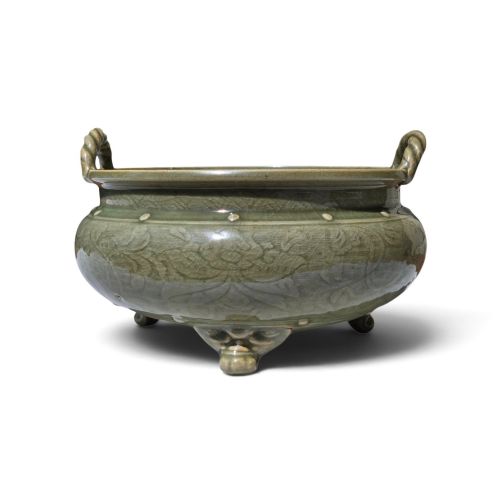
A carved pottery vessel brings together centuries of global ceramic tradition, ranging from ancient Chinese celadon wares to Japanese red clay pieces. When you search for a carved pottery vessel on this page, you encounter forms such as vases, incense burners, jugs, bowls, and urns spanning periods from the fifteenth century through the twentieth century. These items manifest distinct regional aesthetics, including Ming and Song Dynasty traditions alongside European stoneware and earthenware productions.
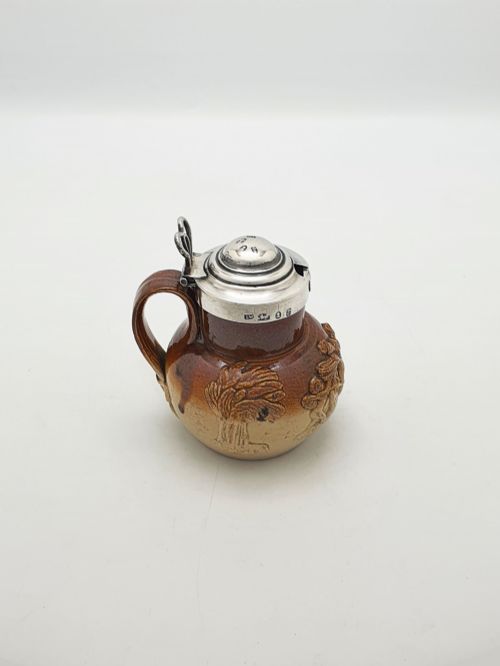
The assortment on this page includes specific utilitarian and decorative items like stoneware cooking dishes, water filter urns, and figural representations. Japanese pieces frequently feature red clay with dragon and phoenix motifs, while Chinese examples showcase celadon glazes and incised peony designs. Collectors also find nineteenth-century British salt-glazed jugs mounted with sterling silver collars, demonstrating the diverse functional applications of these ceramics across different eras.
Materials and construction methods
The construction of a carved pottery vessel relies on foundational ceramic materials such as stoneware, terracotta, earthenware, and porcelain. Artisans shape these bodies by hand or on the wheel before applying specialised finishes like celadon glaze or red clay slips. Certain English utility and commemorative pieces incorporate added metal elements, specifically sterling silver collars and hinged lids.
Surface decoration involves incising, carving, or moulding motifs directly into the clay body prior to firing. Potters utilise techniques that produce subtle relief work, capturing intricate details like ducks, lotus flowers, dragons, and phoenixes. The integration of carved texture with glaze application defines the tactile quality inherent in these historic ceramics.
Ceramic frogs occasionally whistle across the centuries, preserved in clay since the ancient Pre-Columbian Chimú tradition.
Understanding quality differences
Quality in a carved pottery vessel depends on the crispness of the incised carving and the evenness of the glaze application. Superior examples display deep, deliberate toolwork that integrates harmoniously with the form, whereas lesser pieces exhibit shallow or blurred surface details.
The execution of form and the purity of the ceramic body further distinguish fine specimens from standard utilitarian wares. Master potters achieve balanced proportions and subtle tonal variations in glazes like celadon, elevating decorative objects well beyond basic domestic kitchenware.
Doulton Lambeth·Mougin·Tokoname
The Carved Pottery Vessel Glossary
- Celadon
- A term for ceramics featuring a pale green or grey-green glaze originating in East Asia. This glaze often pools in the carved recesses of the pottery to create varied tonal depths.
- Stoneware
- A robust, vitrified pottery body fired at high temperatures until non-porous. It provides a durable foundation for heavy-use vessels and domestic kitchenware.
- Earthenware
- Porous pottery fired at lower temperatures, commonly found in historic utilitarian and decorative objects. It frequently requires a glaze to hold liquids.
- Terracotta
- Unglazed or glazed fired red clay used for sculptural and ornamental ceramic pieces. The natural iron content in the clay produces its characteristic warm reddish brown hue.
- Incised
- Surface decoration cut into the damp clay body with a sharp tool before firing. This technique creates permanent linear patterns and pictorial motifs.
Carved Pottery Vessel: Frequently Asked Questions
Are these ceramic vessels waterproof?
Vitrious stoneware and glazed porcelain pieces generally hold water safely for display purposes. Earthenware and terracotta items can remain slightly porous over long periods.
Check individual pieces for internal glazing before filling them with water. Use a hidden glass liner for unglazed or porous vessels to protect furniture.
How can I date an old pottery vessel?
Examine the base, throwing marks, and glaze characteristics for clues regarding manufacturing techniques of specific periods. Stylistic motifs like Ming dynasty carvings or Victorian decorative elements also provide chronological markers.
Compare the clay body and weight against documented examples from similar eras and regions. Expert consultation helps verify specific centuries of origin.
What is celadon glaze?
Celadon refers to a family of transparent green or grey ceramic glazes developed extensively in historic China. The colour results from iron oxide interacting within a reduction kiln atmosphere during firing.
This glaze settles thickly into carved vessel details, accentuating incised floral or animal motifs. It remains a hallmark of traditional Asian ceramic art.