


Gilt Porcelain Jug
A gilt porcelain jug brings metallic shine and delicate ceramic form together, offering a touch of historic display to a room.
Gilt Porcelain Jug
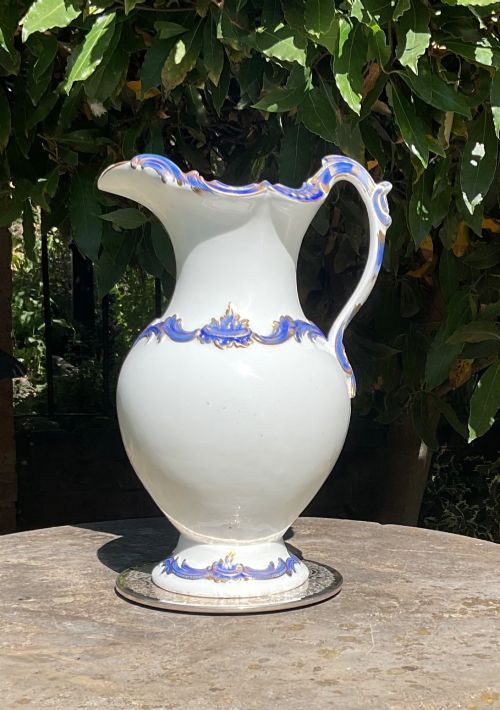
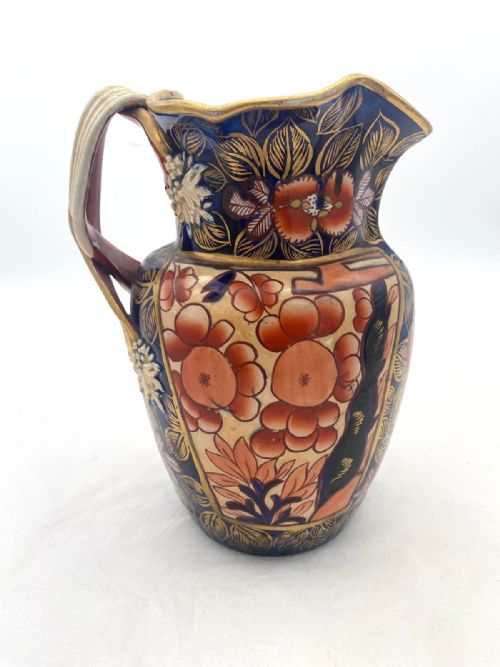
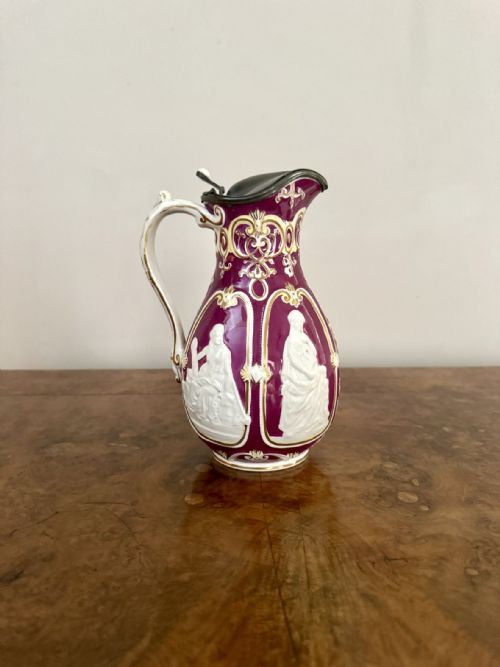
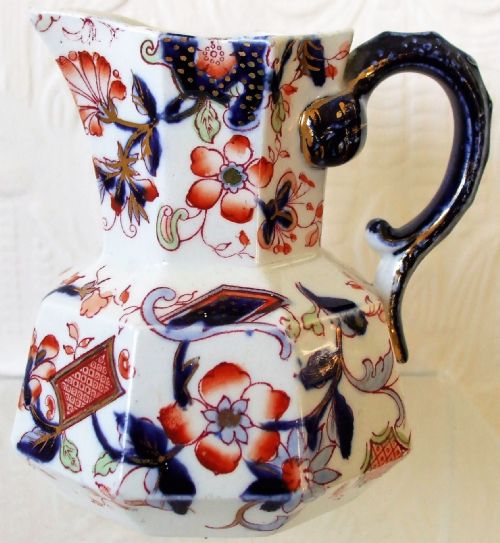
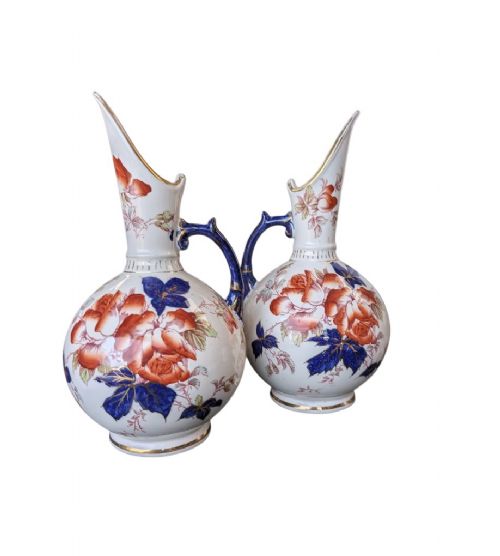
A gilt porcelain jug is a ceramic vessel embellished with gold leaf, gilt, or gilding, appearing across various forms including water jugs, cream jugs, ewers, and pitcher sets. These pieces span centuries from the eighteenth century through the Victorian, Edwardian, and later periods, reflecting changing domestic and decorative fashions.
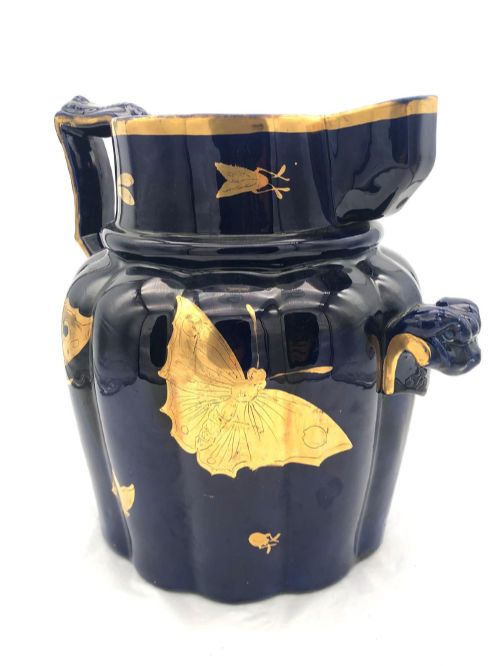
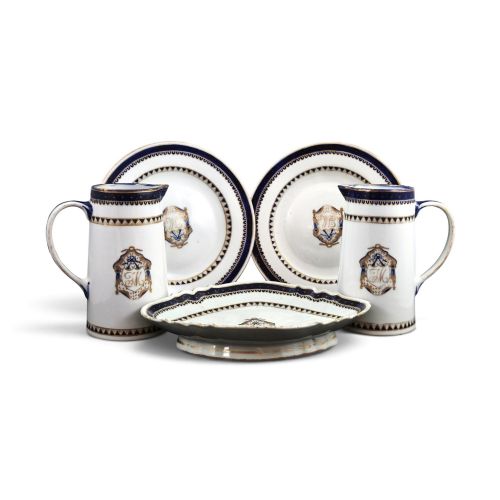
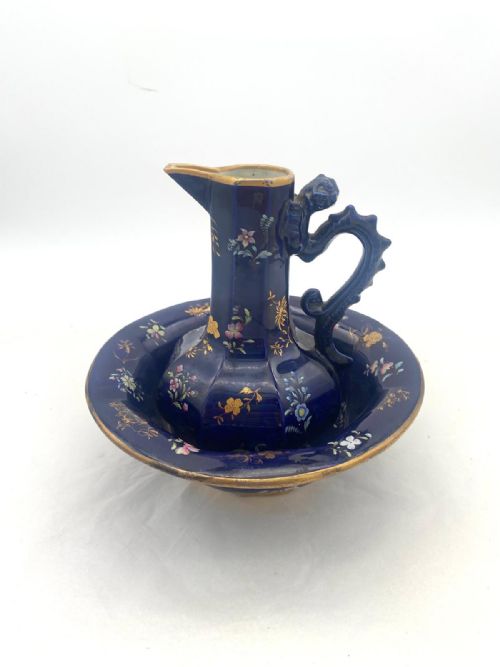
Most examples found in these listings originate from English factories and continental makers, ranging from small cream jugs for the tea table to large decorative ewers and basin sets. Forms vary from simple sparrow beak jugs to elaborate pieces decorated with hand-painted fruit, armorial crests, and cobalt blue grounds.
Materials and manufacture
Potters shaped these vessels using porcelain, ironstone, and earthenware, often applying glazes before adding detailed hand-painted designs or transfer printing. The white ceramic body provided a smooth canvas for complex patterns including Chinoiserie scenes and botanical motifs.
Makers applied gold leaf, gilt, or gilding by hand to handles, rims, and borders, sometimes firing the pieces multiple times to bond the metallic decoration to the ceramic surface. Grotesque handles, reticulated patterns, and moulded details required skilled modelling before the final kiln firing.
Gilt Porcelain Jug Retail Price Guide 2026
Typical asking prices for gilt porcelain jug among the pieces listed under this phrase on Sellingantiques today, from the lower quarter to the upper quarter. They describe what is for sale here now, not the wider market.
Some nineteenth-century makers fashioned handles into strange animal shapes, turning an ordinary water jug into a miniature menagerie.
Judging quality and execution
Quality in a gilt porcelain jug rests upon the precision of the hand-painting, the crispness of the moulded details, and the preservation of the gold leaf application. Finer pieces demonstrate careful brushwork in floral sprays or armorial crests and balanced proportions in handles and spouts.
The weight and purity of the porcelain body also distinguish standard production items from exceptional factory output. Well-preserved gilding without excessive rubbing indicates both careful historical use and superior original craftsmanship during the manufacturing process.
Mason's Ironstone·Royal Worcester·Chamberlain Worcester·Doulton Burslem·Stevenson and Hancock
The Gilt Porcelain Jug Glossary
- Ewer
- A large jug with a wide spout and handled base, traditionally used for holding water or as a decorative display object.
- Gilding
- The application of gold leaf or gold powder to the surface of porcelain to create metallic highlights and borders.
- Ironstone
- A dense, durable type of earthenware patented in the nineteenth century, known for its strength and utility in heavy tableware.
- Reticulated
- Decorated with an openwork pattern resembling netting or lattice, cut into the ceramic body before glazing and firing.
- Sparrow Beak
- A small eighteenth-century cream jug featuring a distinctive pinched lip that resembles the beak of a small bird.
Gilt Porcelain Jug: Frequently Asked Questions
How were gilt porcelain jugs used?
These vessels served practical roles on the dining table for holding cream, water, or milk during formal tea and meal services. Many larger examples functioned as decorative ewers or formed part of matching jug and basin sets used in domestic bedchambers.
Over time, ornate pieces transitioned from functional tablewares to cabinet objects and display items valued for their painted decoration and gilded highlights.
How do I distinguish Victorian pieces from earlier periods?
Earlier pieces from the eighteenth and early nineteenth centuries often exhibit softer paste porcelain bodies, hand-painted sprigs, and simpler forms like the sparrow beak jug. Marks on the base, if present, tend to be hand-pencilled or impressed rather than transfer-printed.
Victorian and later examples frequently feature heavier ironstone bodies, registration marks, brighter cobalt blues, and transfer-printed or heavily gilt botanical and scenic designs.
What does blush ivory mean?
Blush ivory refers to a specialised cream-coloured ceramic ground developed by manufacturers like Royal Worcester in the late nineteenth century. The matte finish provides a soft background for delicate hand-painted floral motifs and raised gold gilding.
Pieces with this finish were immensely popular during the Victorian and Edwardian periods for decorative vases, jugs, and tea wares.