
Hand Painted Fruit China
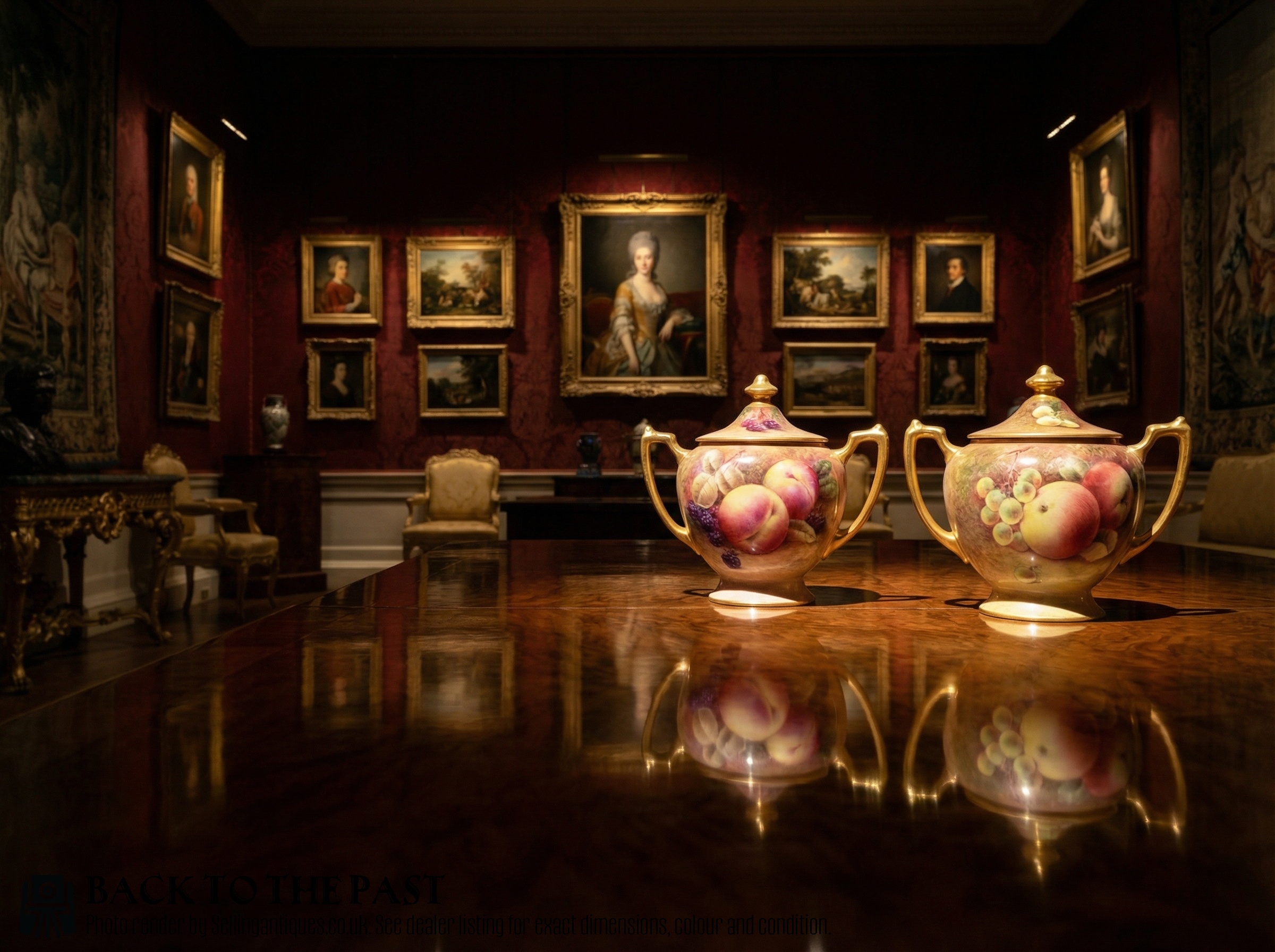
Hand painted fruit china brings together delicate porcelain and botanical colour, offering buyers vibrant depictions of orchard produce finished with gold leaf.
Hand Painted Fruit China
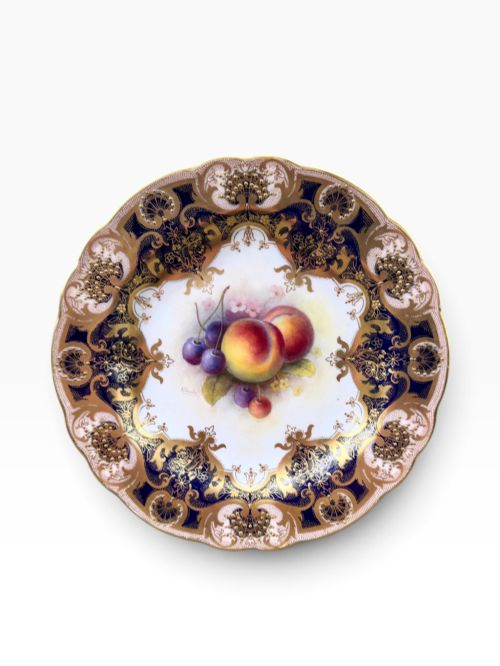
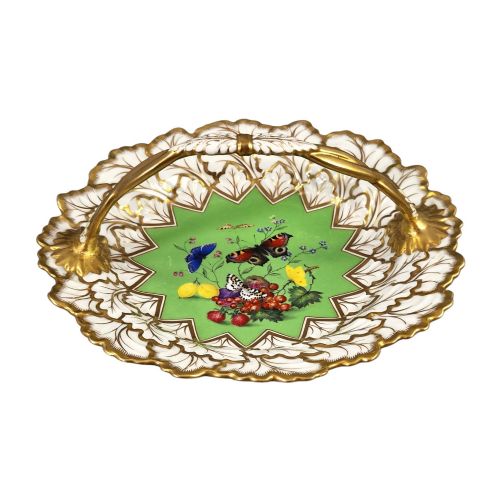
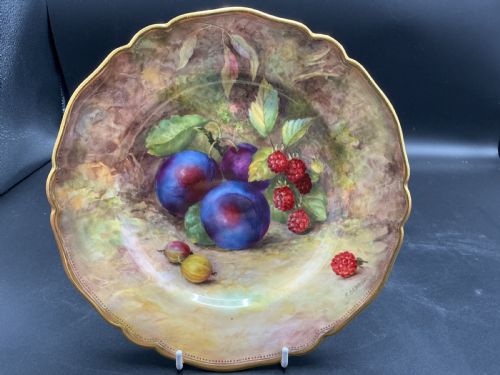
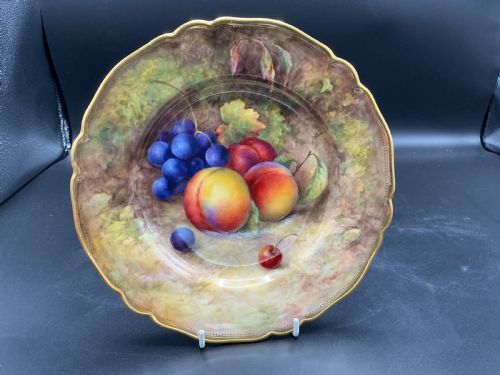
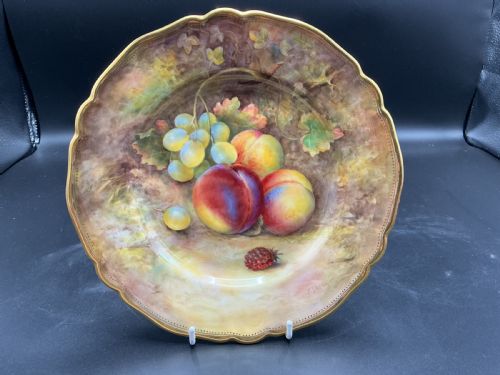
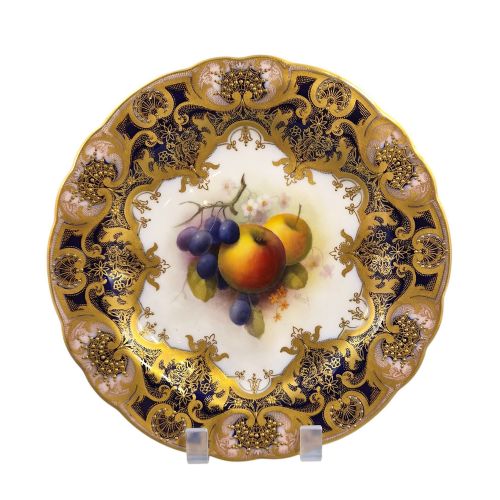
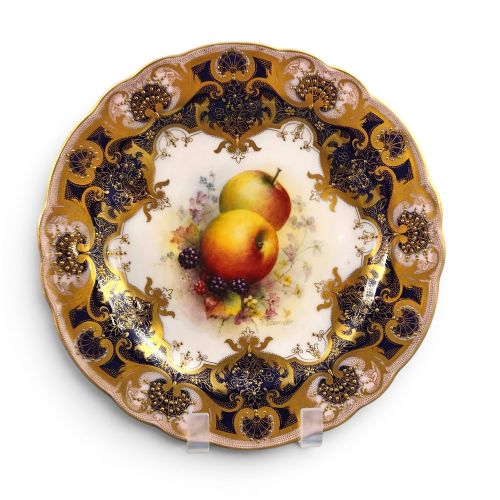
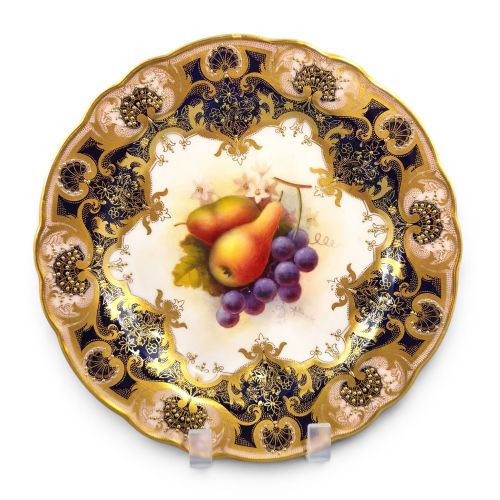
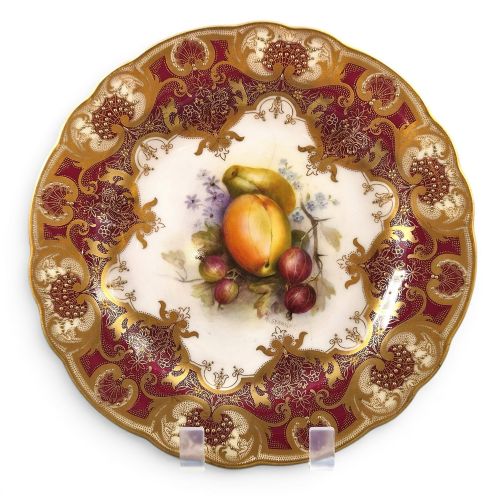
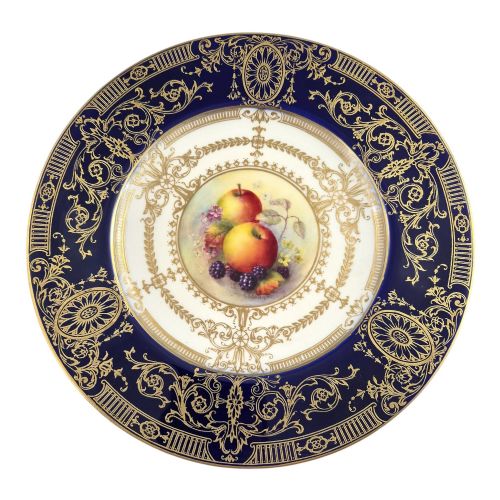
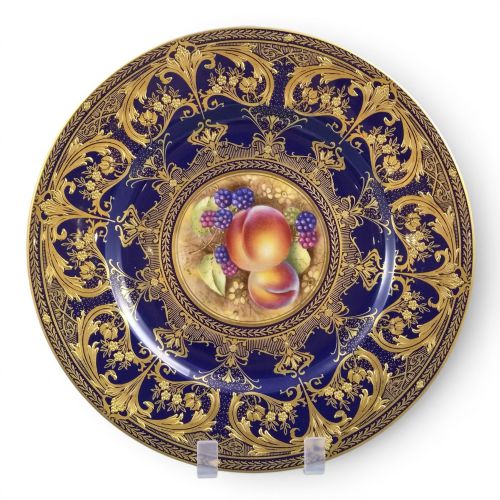
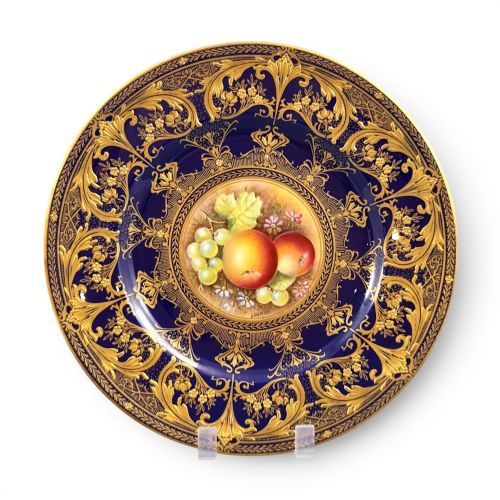
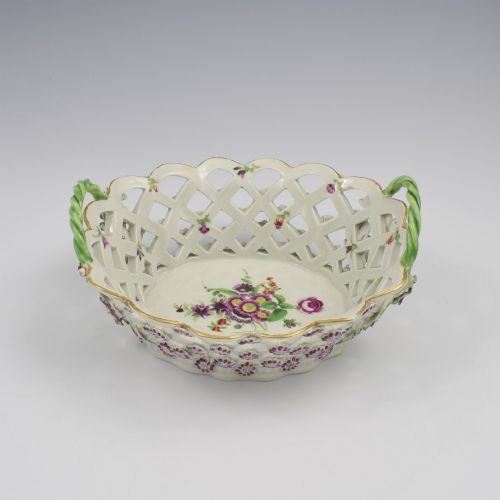
Hand painted fruit china primarily comprises cabinet plates, decorative bowls, and vases created across the nineteenth and twentieth centuries. Buyers frequently encounter nineteenth-century ironstone comports and twentieth-century porcelain cabinet pieces bearing meticulous orchard studies.
English manufactories dominate these selections, led by nineteenth-century Regency pieces and extensive twentieth-century output. Traditional English fine china and porcelain provide the primary canvas for these detailed fruit motifs.
Materials and Technique
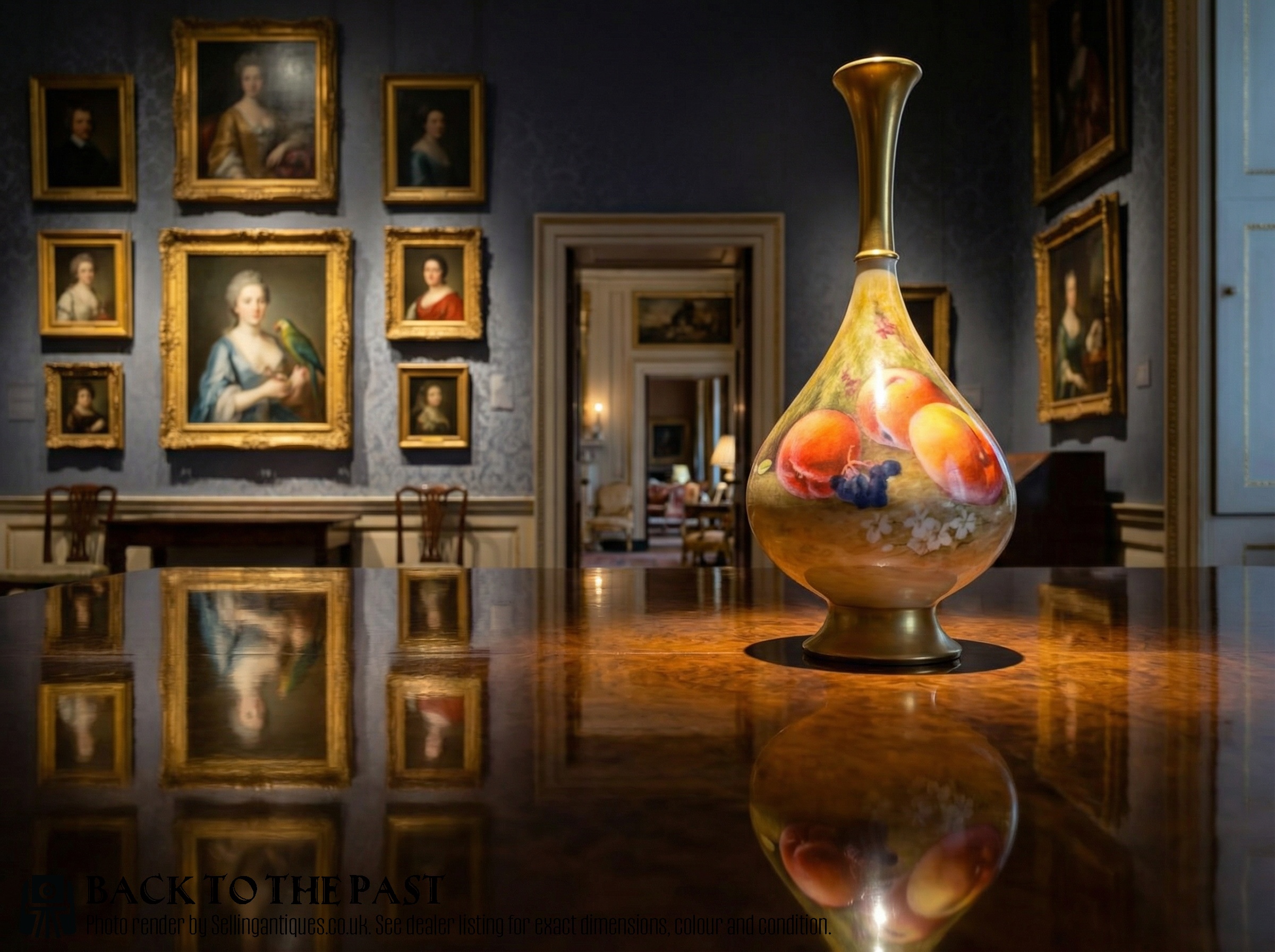
Potters shaped fine porcelain, bone china, and ironstone to form the foundational vessels before applying vibrant enamel pigments by hand. Artisans built up the fruit subjects through layered brushwork to achieve realistic depth and naturalistic colour.
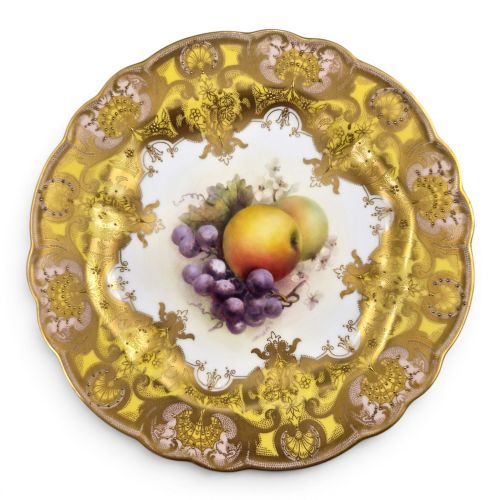
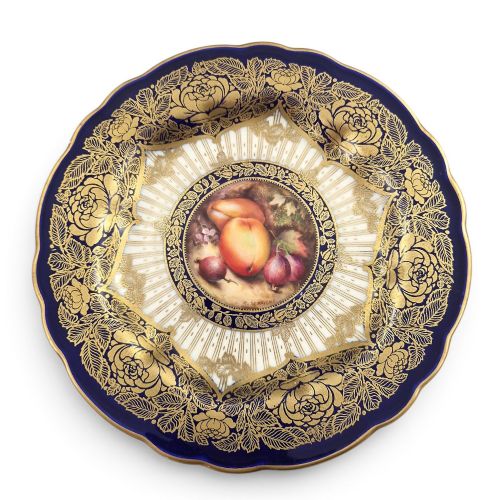
Gilding and gold leaf accent borders and edges, often framing the central painted compositions. Firing fixed the enamels and gold onto the ceramic body, sealing the glossy finish.
Hand Painted Fruit China Retail Price Guide 2026
Typical asking prices for hand painted fruit china among the pieces listed under this phrase on Sellingantiques today, from the lower quarter to the upper quarter. They describe what is for sale here now, not the wider market.
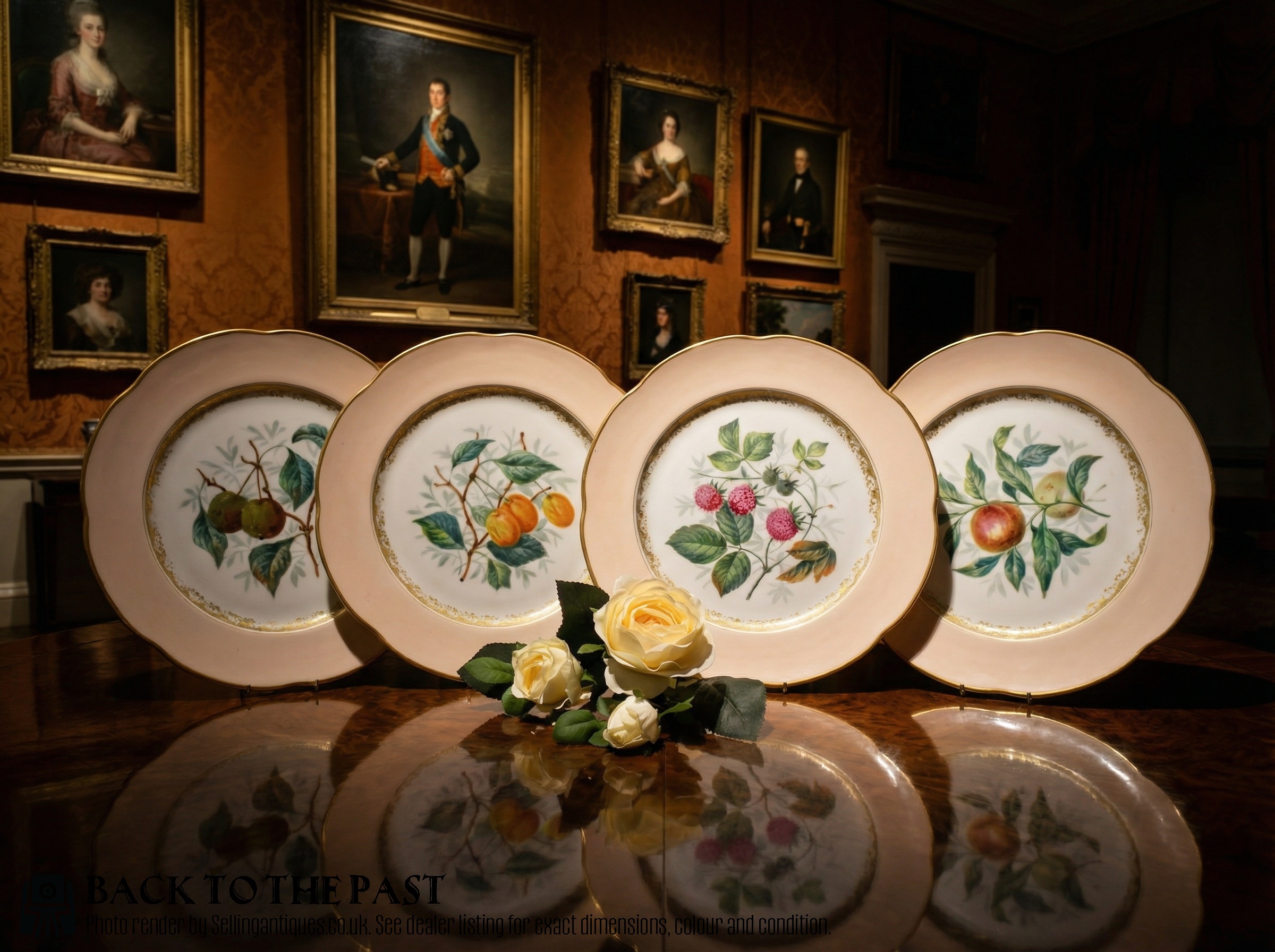
Painters meticulously rendered every peach bloom and bruised plum by hand, ensuring no two apples on these plates ever shared the same blemishes.
Craftsmanship and Execution
Execution of the painted fruit subject distinguishes finer examples, where delicate shading and botanically accurate detail show the hand of a skilled decorator. Signed works by established artists command attention through superior brushwork and compositional depth.
The application of gilding and gold leaf varies from modest rim lines to elaborate raised ornamentation. Rich enamel saturation and crisp definition across the porcelain surface elevate the standing of individual plates and vessels.
Royal Worcester·Flight Barr And Barr·Meissen·Derby Porcelain·Kornilov Brothers·Coalport
The Hand Painted Fruit China Glossary
- Cabinet plate
- A decorative ceramic dish intended for display rather than dining use. These pieces often feature elaborate hand-painted scenes and gilded borders.
- Comport
- A raised dish or bowl used historically for serving fruit or dessert. They stand upon a central foot or pedestal.
- Enamel
- A glass-based opaque pigment applied to ceramic surfaces and fired for permanent colour. It provides the vivid hues seen in fruit decoration.
- Gilding
- The application of gold leaf or gold paint to ceramic edges and handles. This technique adds metallic contrast to the painted motifs.
- Ironstone
- A heavy, durable type of earthenware developed in the nineteenth century. It serves as a sturdy body for decorative wares.
Hand Painted Fruit China: Frequently Asked Questions
How should I display cabinet plates?
Cabinet plates suit wall mounting using specialised hangers or placement on plate stands within enclosed display cabinets. This protects the delicate enamel and gold leaf from accidental knocks.
Keep pieces away from direct sunlight to preserve the vibrant tones of the hand-painted fruit over time.
Were these items meant for dining?
Most items bearing hand painted fruit china designs functioned as decorative display pieces rather than everyday tableware. Comports and large display plates occasionally served fruit at formal meals.
Cabinet plates and specialised vessels were created primarily to showcase artistic skill in wealthy interiors.
How do I identify a signed piece?
Artists often signed their fruit studies near the edge of the central painting using fine brushwork. Signatures match factory records from makers active during the nineteenth and twentieth centuries.
Backstamps on the underside of the porcelain help confirm the period and manufactory alongside the decorator signature.
What distinguishes ironstone from porcelain?
Ironstone offers a heavier, more robust ceramic body developed for durability during the nineteenth century. Porcelain feels lighter, more translucent, and traditionally signifies finer cabinet wares.
Both materials accepted hand-painted fruit designs and gilding, though porcelain often received more intricate artist attention.