
English Bone China Plate
An English bone china plate brings fine ceramic artistry and centuries of heritage straight to the table or cabinet.
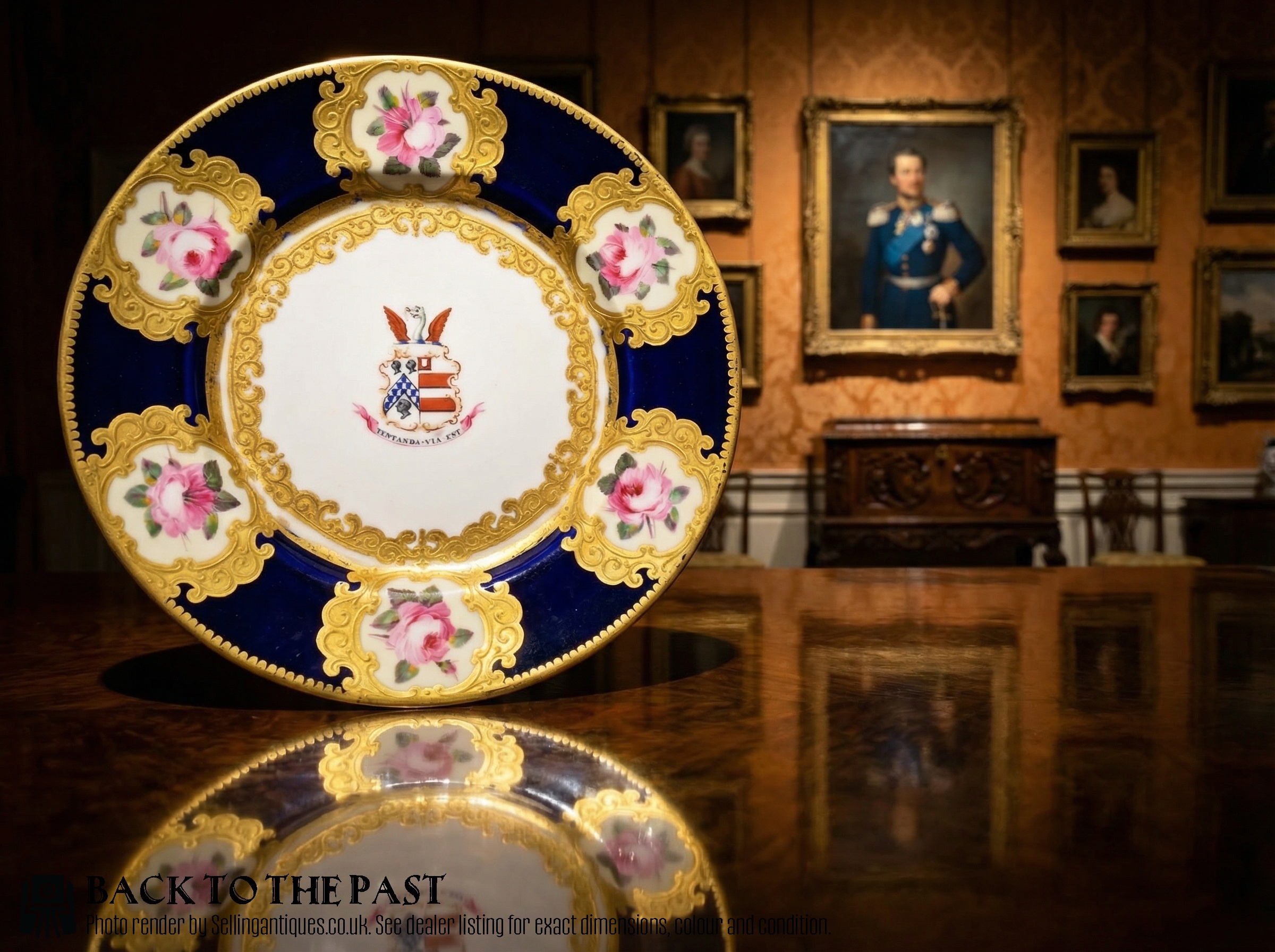
English Bone China Plate
An English bone china plate represents a refined tradition of ceramic production stretching from the Georgian era through the twentieth century. When searching for an English bone china plate, buyers encounter diverse forms ranging from cabinet plates and decorative pieces to dessert plates and serving dishes.
The selection encompasses pieces created during the Regency, Victorian, Edwardian and later periods. Makers utilised traditional techniques to produce items that served both functional dining purposes and decorative display within the home.
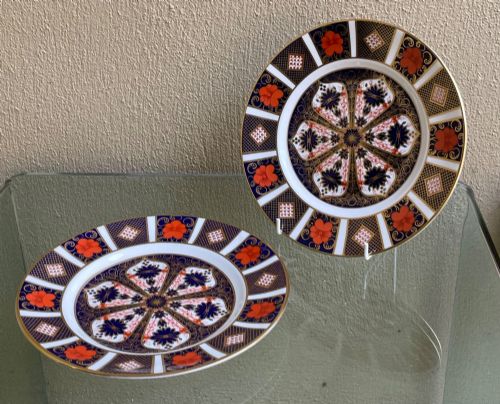
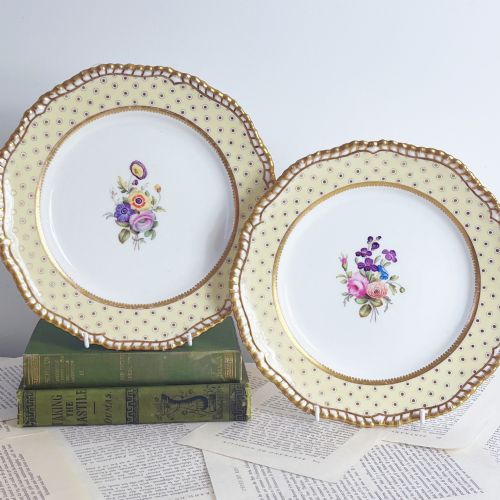
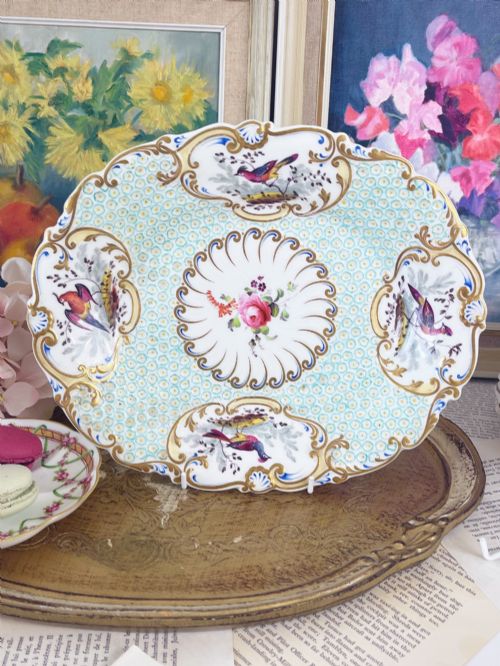
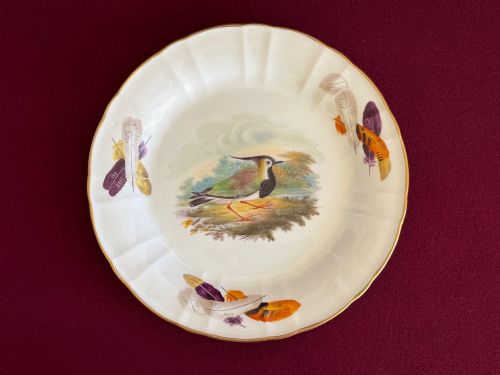
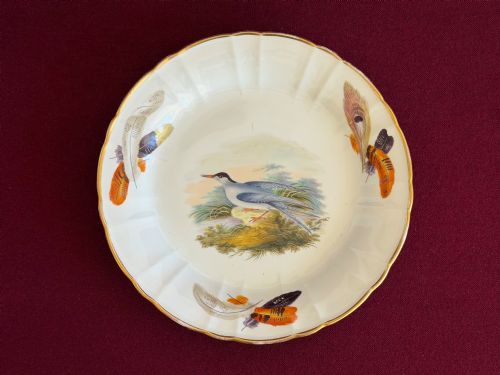
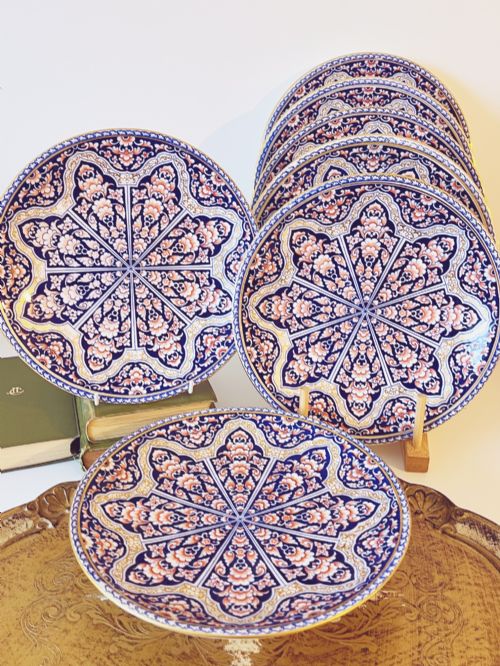
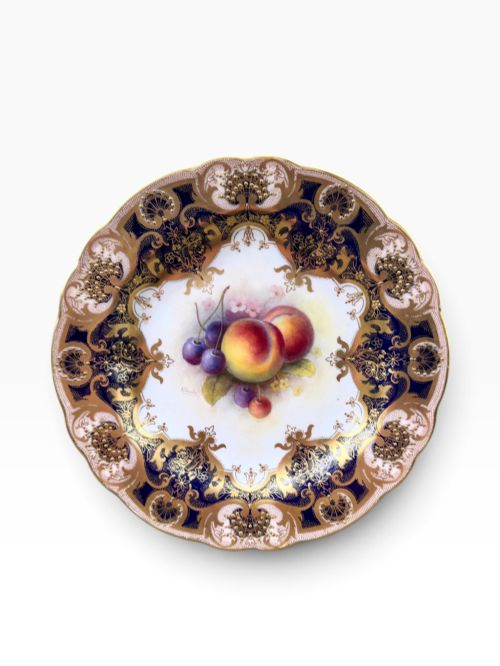
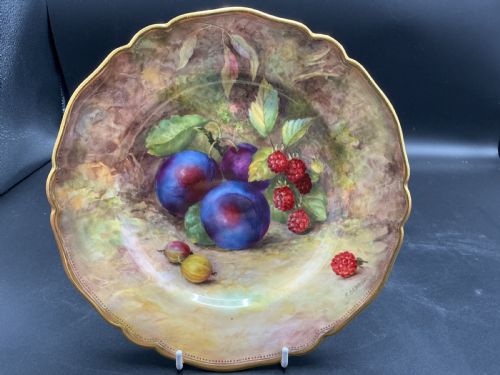
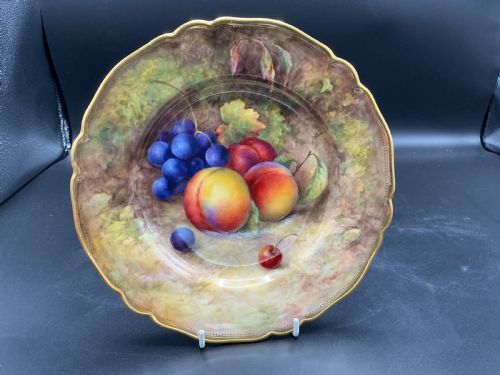
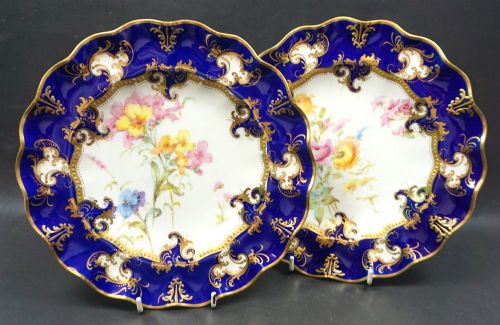
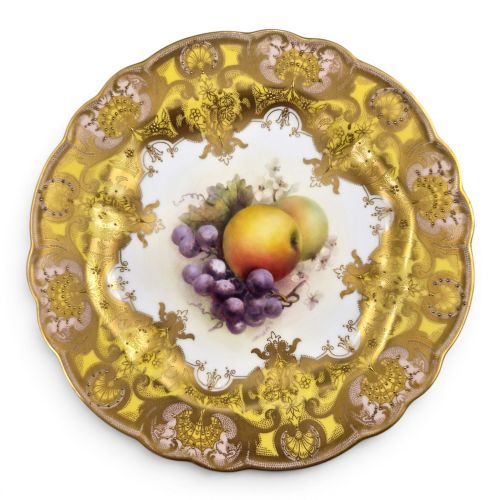
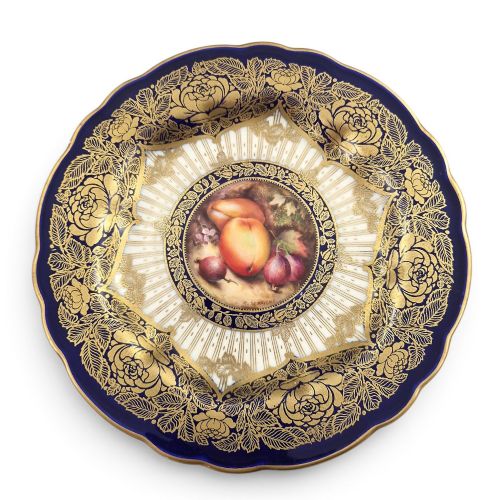
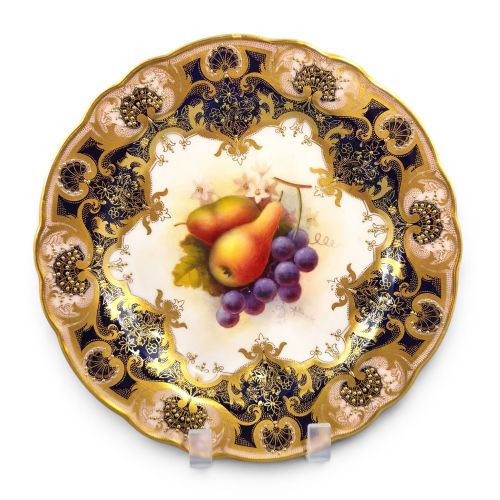
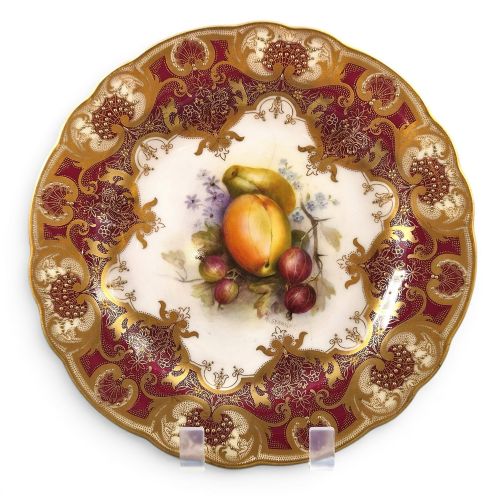
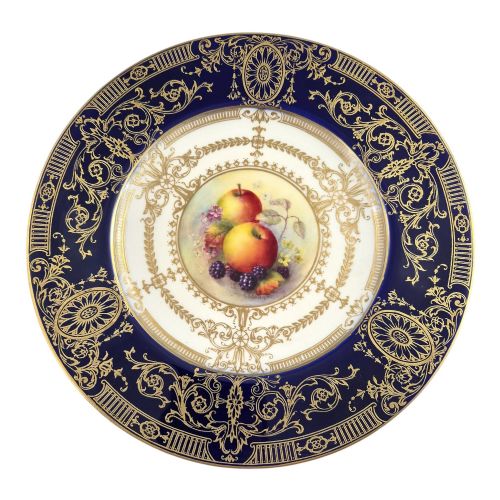
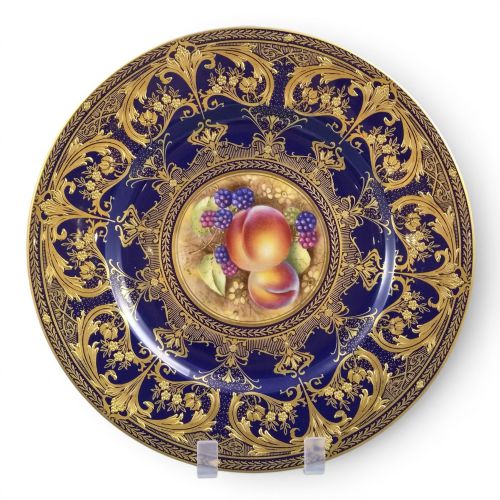
Examples on this page span styles such as Imari, Regency, Victorian and English Traditional. Many items bear handpainted decoration including botanical studies, birds, fruit and armorial crests.
How they were made
Potters combined bone ash with china stone and china clay to create a durable, translucent body known as bone china. Artisans shaped these mixtures into various forms including cabinet plates, soup dishes and serving dishes.
Decoration relied heavily on meticulous handpainting by skilled artists who rendered detailed birds, botanical subjects and fruit studies. Workshops applied gold leaf, enamel and gilding to accentuate rims, borders and central motifs.
English Bone China Plate Retail Price Guide 2026
Typical asking prices for english bone china plate among the pieces listed under this phrase on Sellingantiques today, from the lower quarter to the upper quarter. They describe what is for sale here now, not the wider market.
Some plates preserve the exact portrait of a common tern or a painted 'crazy cow' for posterity.
What varies in quality
Quality rests upon the skill of the artist responsible for the handpainted imagery, with named painters commanding greater attention. The precision and delicacy of the enamel work and gold gilding also distinguish finer examples from standard production.
The sophistication of the ceramic body and the crispness of moulded details such as basketweave textures or rope edges reveal the maker's technical mastery. Armorial crests and bespoke commission pieces demonstrate a higher tier of craftsmanship.
Royal Crown Derby·Spode·H & R Daniel·Wedgwood·Royal Worcester·Minton·Royal Doulton·Copeland·Coalport·Derby·Worcester·Chamberlain Worcester
The English Bone China Plate Glossary
- Bone china
- A type of porcelain developed in England containing bone ash, known for its high strength, chip resistance and translucency. It allowed makers to produce thinner and more delicate tableware than traditional hard-paste porcelain.
- Cabinet plate
- A decorative plate intended for display in a cabinet or on a wall rather than for everyday dining. These pieces often feature elaborate handpainted scenes or armorial crests.
- Gilding
- The application of gold leaf or gold powder onto the ceramic surface to decorate rims and patterns. It adds a lustrous metallic finish that catches the light.
- Imari style
- A decorative scheme inspired by Japanese export porcelain featuring a palette of iron red, underglaze blue and gold. English potteries frequently adopted this aesthetic during the Georgian and Victorian periods.
- Armorial
- A design incorporating a family coat of arms or crest. These bespoke ceramics were typically commissioned by landed gentry and noble families.
English Bone China Plate: Frequently Asked Questions
How were antique plates used?
Antique plates served both functional dining roles and decorative functions within the home. Dessert plates and serving dishes appeared during formal dining courses.
Cabinet plates were often displayed on walls or inside glazed furniture to showcase wealth, artistic taste and family crests.
How do I care for antique bone china?
Careful handling and gentle handwashing in warm water using mild soap protect the delicate ceramic body and gold gilding. Avoid sudden temperature changes to prevent thermal shock.
Keep pieces away from modern abrasive scourers and dishwashers to preserve the original handpainted enamels and gilt surfaces.
How can I tell the period of a plate?
Examining the style of decoration, ceramic body and any visible factory marks helps determine the period. Regency pieces often display neoclassical motifs, while Victorian examples embrace richer colours and eclectic patterns.
Date codes, pattern numbers and artist signatures stamped or painted on the reverse provide precise chronological clues.