


Gilded Porcelain Display Plate
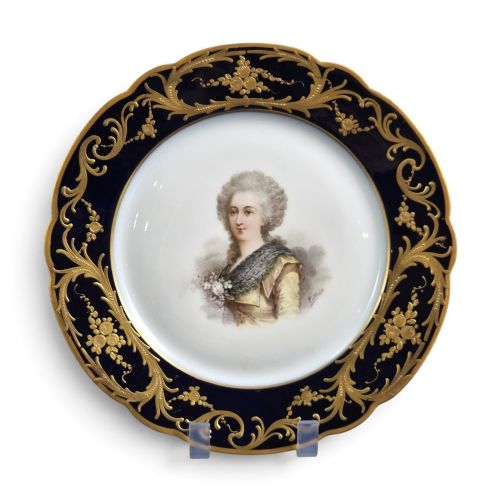
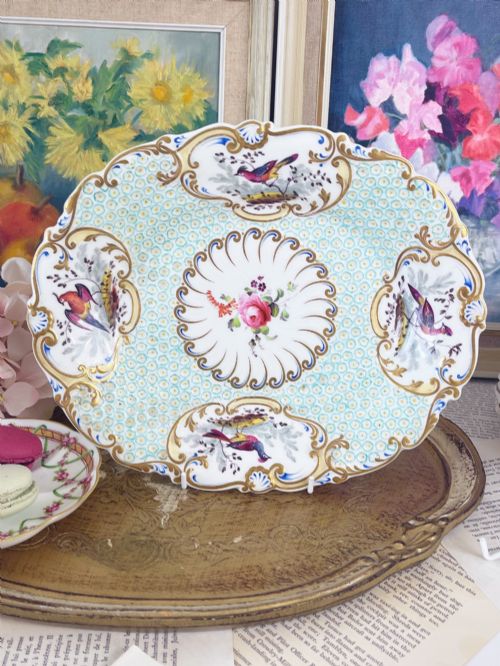
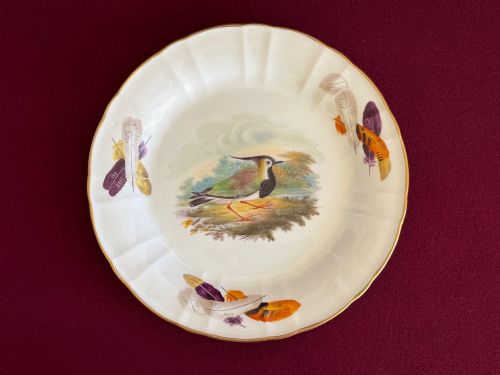
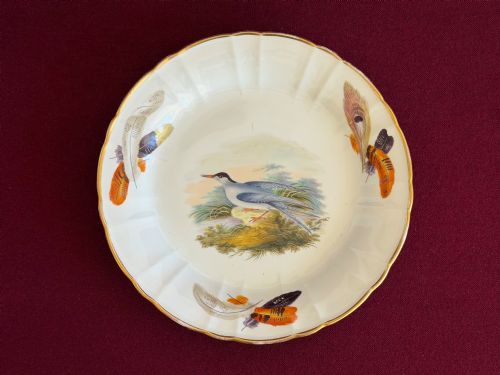
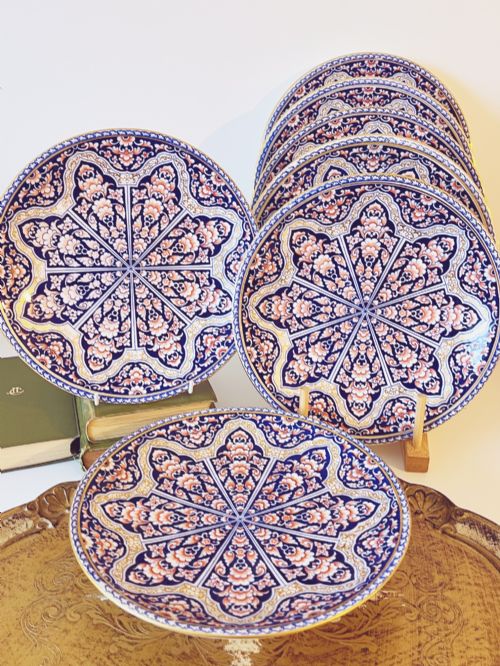
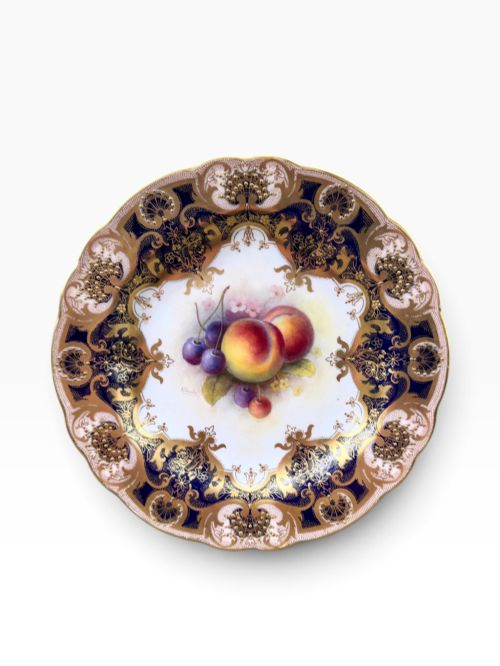
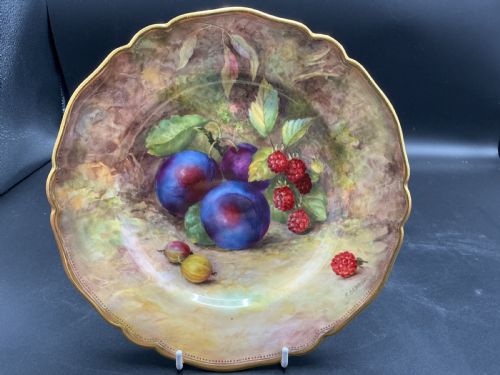
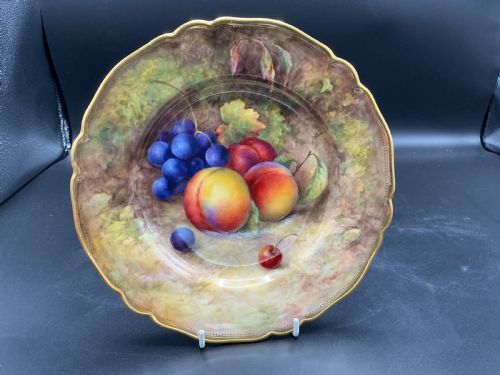
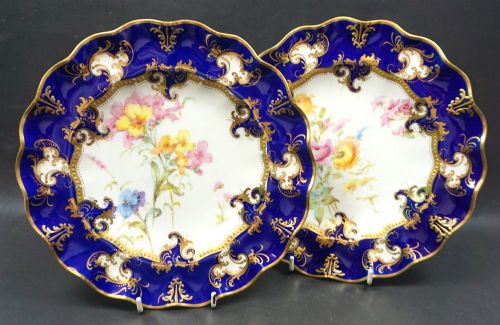
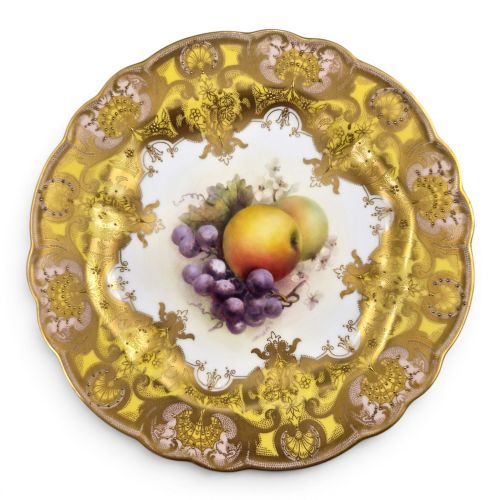
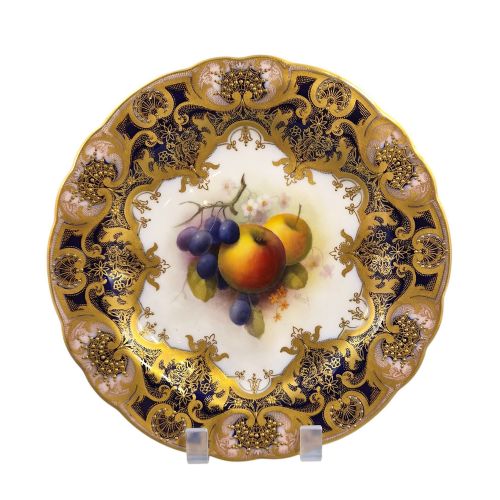
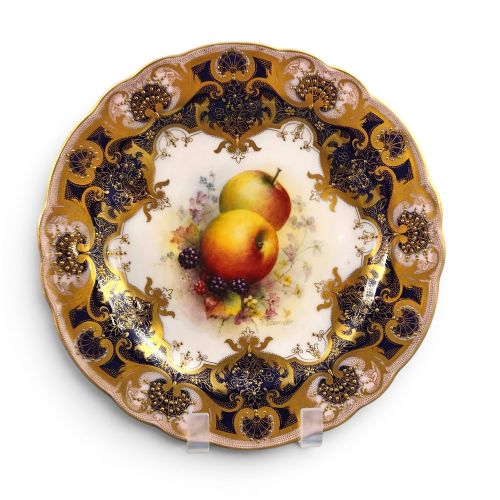
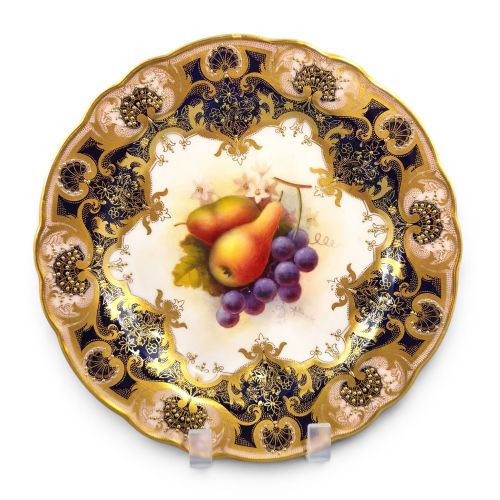
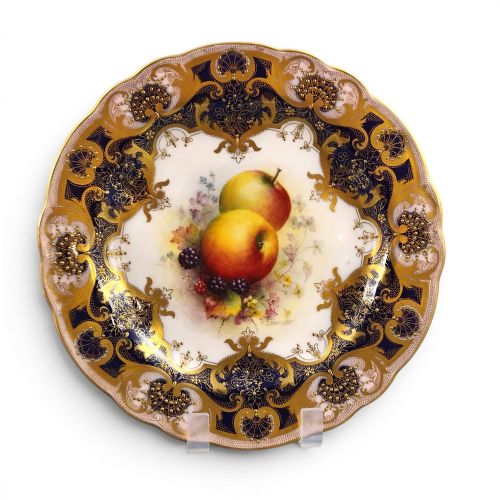
A gilded porcelain display plate brings vibrant hand-painted scenes and rich metallic lustre straight into a cabinet or onto a wall.
Gilded Porcelain Display Plate
When you search for a gilded porcelain display plate, you are looking at decorative ceramics designed to be admired rather than used for everyday dining. These items frequently appear as cabinet plates, chargers, and dessert service pieces intended to show off artistic skill.
The selection ranges widely across the nineteenth and twentieth centuries, taking in Victorian botanical studies, Edwardian fruit painting, and Japanese Imari patterns. British factories such as Royal Worcester and Royal Crown Derby sit alongside continental porcelain and Asian imports.
Most examples combine crisp porcelain bodies with elaborate gilt borders, hand-painted birds, flowers, or portraits. They survive from periods when formal dining rooms demanded ornamental display items of considerable visual weight.
Materials and technique
Potters shaped hard-paste porcelain, bone china, and soft-paste bodies before firing them to create smooth white surfaces suitable for detailed pigments. Enamel paints were applied by hand, often depicting birds, fruit, and landscapes with fine brushwork.
Gold leaf, liquid gilt, and gilding were brushed or dusted onto rims and borders, then fired and burnished to catch the light. Pierced work, reticulation, and scalloped edges required careful cutting while the clay remained damp.
Gilded Porcelain Display Plate Retail Price Guide 2026
Typical asking prices for gilded porcelain display plate among the pieces listed under this phrase on Sellingantiques today, from the lower quarter to the upper quarter. They describe what is for sale here now, not the wider market.
Listings span the nineteenth century up to the 1970s, featuring bone china, hard-paste porcelain, and enamel.
What varies in quality
Quality rests principally on the skill of the painter and the prestige of the maker. Hand-painted fruit studies by known artists carry greater distinction than standard transfer-printed or generic floral patterns.
The crispness of the porcelain moulding, the depth of the hand-applied gilding, and the preservation of the enamel colours separate ordinary production wares from exceptional cabinet pieces.
Royal Worcester·Royal Crown Derby·Barr Flight And Barr·Royal Doulton
The Gilded Porcelain Display Plate Glossary
- Cabinet plate
- A decorative ceramic plate intended for display in a glass-fronted cabinet rather than for serving food. These pieces usually feature elaborate hand-painted subjects and heavy gilding.
- Charger
- A large ornamental plate or dish placed beneath other courses or hung on a wall for display. They often measure significantly larger than standard dinner plates.
- Reticulation
- An openwork pattern pierced through the clay body of the plate before firing. This technique creates delicate geometric or floral lattice borders.
- Gilding
- The application of gold leaf or gold paint to ceramic surfaces. It highlights rims, handles, and decorative borders.
- Hard-paste porcelain
- A dense, vitrified ceramic material fired at high temperatures. It resists scratching and provides a durable base for enamel painting.
Gilded Porcelain Display Plate: Frequently Asked Questions
How were display plates used?
These items were meant for visual enjoyment in formal rooms, often exhibited in glazed cabinets or on sideboard plate stands.
They also formed parts of grand dessert services reserved for special dining occasions.
Can I hang them on walls?
Many period pieces feature pierced rims or were fitted with hanging wires during their history.
Modern display wires can support them safely if chosen to fit the exact rim depth without causing friction.
How do I identify the maker?
Makers usually stamped, painted, or impressed factory marks onto the underside of the ceramic body.
Date ciphers and artist signatures near the central painting often reveal the exact year and painter.
What periods are common?
Nineteenth-century Victorian and Regency examples appear alongside Edwardian and 1930s creations.
Japanese Imari pieces from the Meiji era frequently complement these British and European works.