
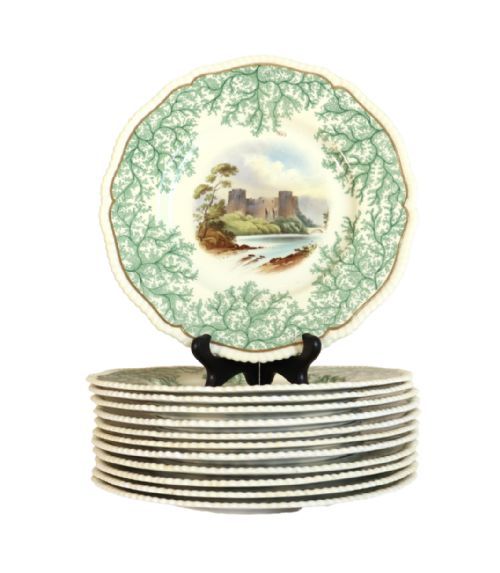
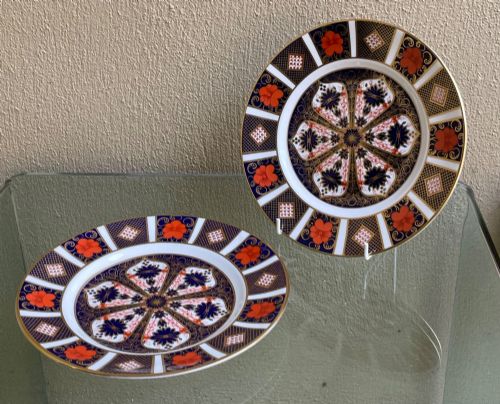
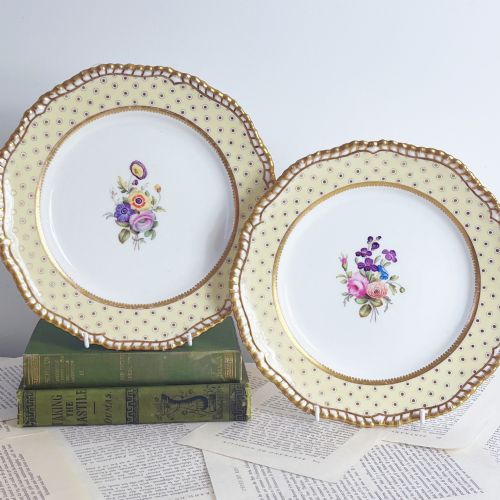
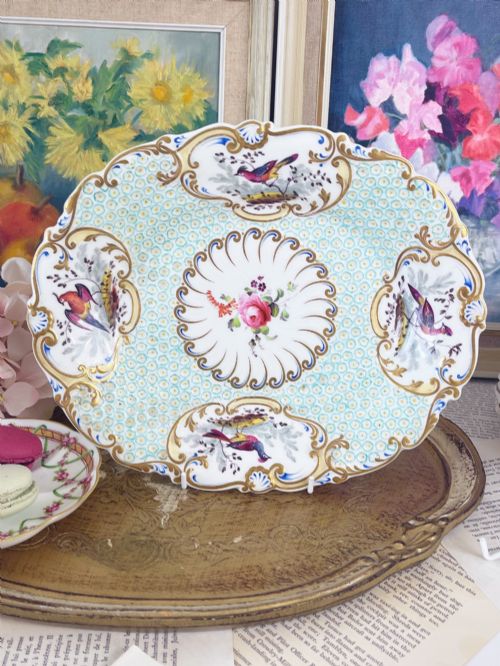
English Porcelain Cabinet Plate
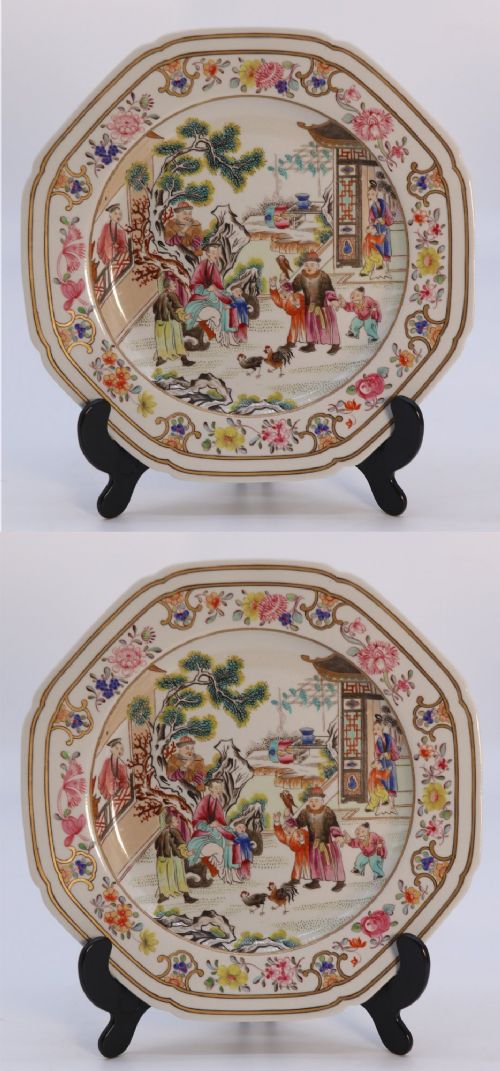
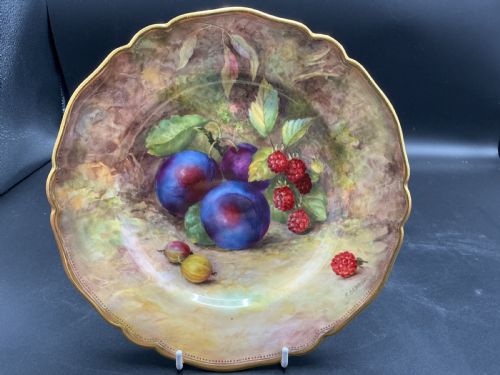
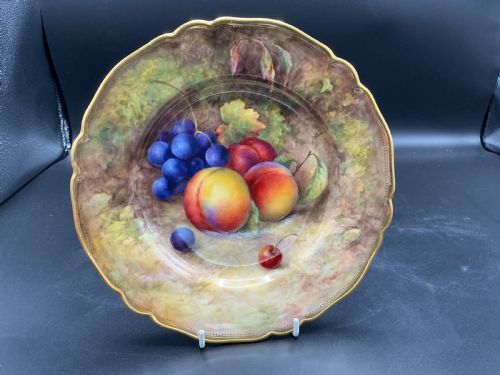
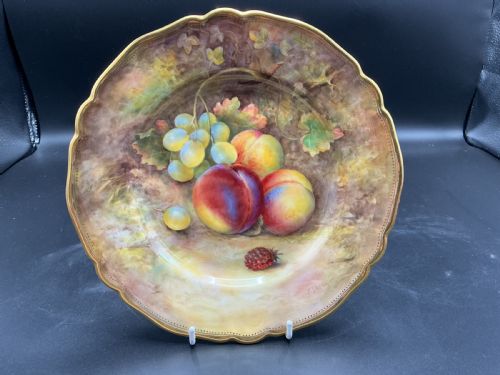
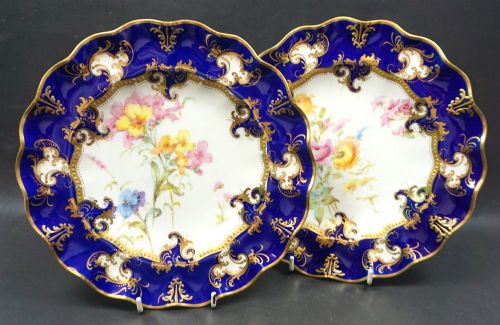
These english porcelain cabinet plate pieces are decorative ceramics meant for display, offering hand-painted flowers, cobalt borders, and intricate gilding for any collection.
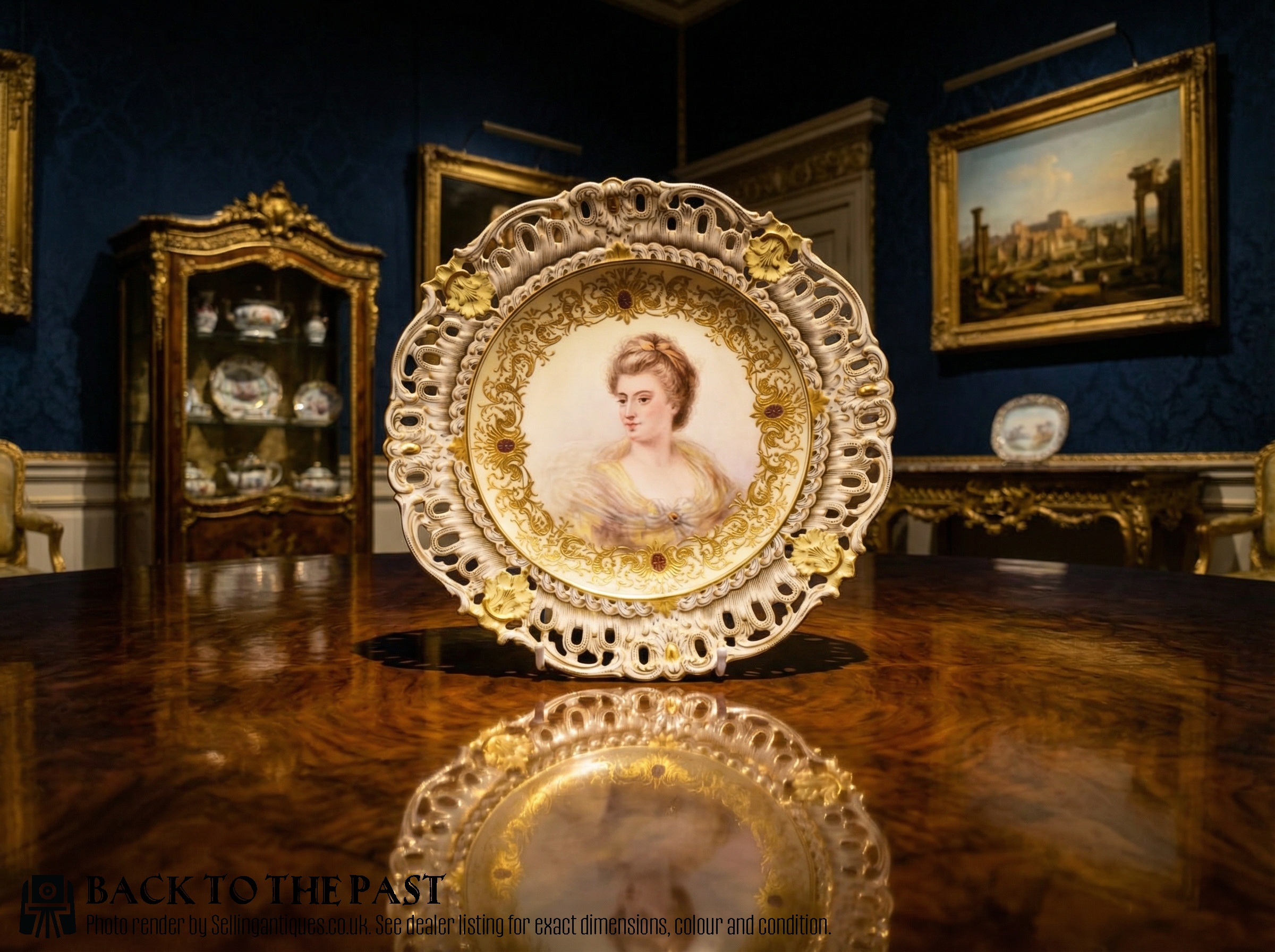
Identifying an english porcelain cabinet plate
An english porcelain cabinet plate represents a specialised category of decorative ceramics produced for display rather than dining. These pieces emerge across several periods including the 18th century, Regency, Victorian, and Edwardian eras.
The inventory shows various forms including cabinet plates, decorative plates, serving dishes, and lobed dishes. Makers utilise materials such as porcelain, soft-paste porcelain, enamel, gold leaf, gilding, and gold gilt.
Collectors frequently encounter styles spanning Georgian, Regency, Victorian, and Victorian Neoclassical. Each piece demonstrates the distinct artistic output of historic English factories.
Manufacture and materials
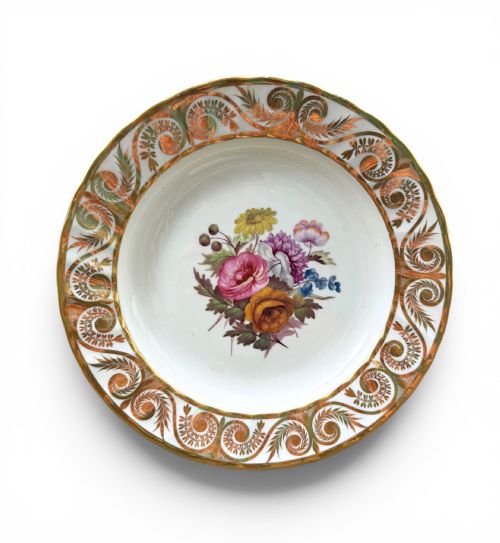
Potteries utilise hard or soft-paste porcelain as the base body for these decorative plates. Artisans then apply hand-painted designs featuring botanical subjects, cobalt borders, and elaborate enamel work.
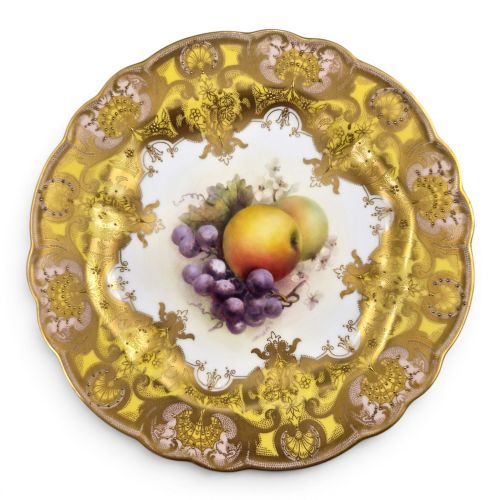
Gilding techniques involve the application of gold leaf, gold gilt, or standard gilding to rims and borders. Specialised methods like pate sur pate build up raised layers of slip against a contrasting ground.
Retail Price Guide 2026
Typical UK retail prices for english porcelain cabinet plate, calculated from the Sellingantiques database of over a million retail prices indexed since 2003. This retail price guide relies exclusively on Sellingantiques data; no external sources or auction records are used, so the figures do not describe the wider market.
Listings feature porcelain pieces spanning the 18th century through the Edwardian period, utilising enamel, gold leaf, and soft-paste porcelain.
Assessing quality
The standard of painting drives the distinction between average and exceptional examples. Detailed botanical studies by named artists command greater attention than standard factory decoration.
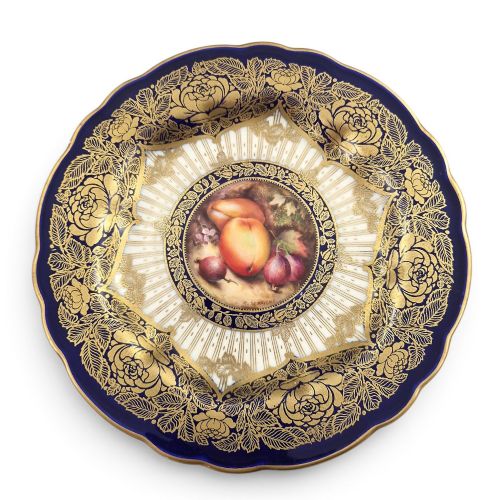
The precision of the gilding and the depth of the cobalt borders contribute significantly to the visual weight of a piece. Preservation of the enamel colours and the integrity of the porcelain body remain central to the overall standard.
Minton·Royal Worcester·Anstice Horton and Rose·Derby Porcelain·Ridgway·Coalport·Barr Flight and Barr Worcester·Mintons·Royal Doulton
The English Porcelain Cabinet Plate Glossary
- Cabinet plate
- A decorative ceramic dish intended for display in a cabinet or on a wall rather than for table service. These items often feature elaborate hand-painted scenes and rich gilding.
- Soft-paste porcelain
- An artificial porcelain composition fired at lower temperatures than hard-paste porcelain. This material produces a warm, creamy body common in 18th-century English wares.
- Pate sur pate
- A porcelain decoration technique where successive layers of white slip are built up to create a cameo-like relief. The method requires immense skill from the ceramic artist.
- Gilding
- The application of gold leaf or gold paint to ceramic surfaces. This finish highlights rims, handles, and borders on fine porcelain.
- Cobalt border
- A deep blue decorative band fired onto the porcelain beneath or over the glaze. It provides a striking contrast to gilt highlights and central painted motifs.
Frequently Asked Questions
What is an english porcelain cabinet plate?
An english porcelain cabinet plate is a decorative ceramic item designed specifically for display in a cabinet or on a wall. These pieces typically feature hand-painted artwork, intricate gilding, and decorative borders rather than serving functional dining purposes.
Production spans multiple eras including the 18th century, Regency, and Victorian periods. Factories applied various techniques such as pate sur pate and enamel painting to create distinct ornamental objects.
How were cabinet plates used historically?
Historically, cabinet plates served as ornamental displays within wealthy homes to showcase the owner's taste and the manufacturer's artistic skill. They were housed in glass-fronted cabinets or mounted on walls.
Unlike everyday tableware, these plates avoided regular use at the dining table. This preservation kept the hand-painted surfaces and delicate gilding intact over generations.
What subjects appear on these plates?
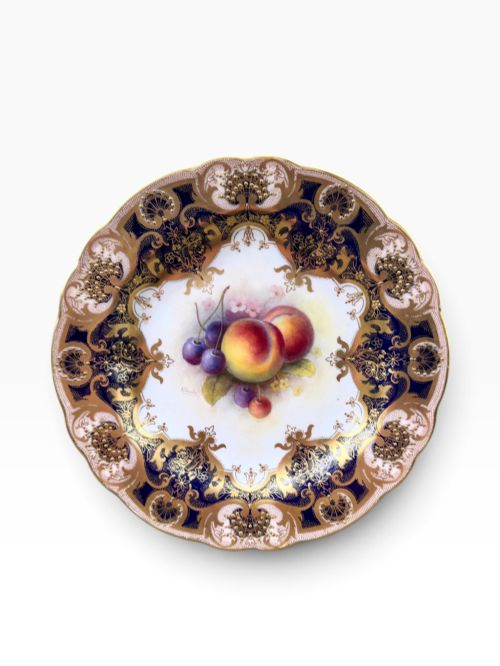
Painted subjects on these plates frequently include botanical illustrations such as flowers, orchids, peonies, and fruit. Artists painted these intricate details by hand within central medallions or across the entire surface.
Borders often incorporate cobalt blue grounds complemented by heavy gilding or gold leaf. Exhibition pieces sometimes feature specialised artistic techniques like pate sur pate.