
Gold Gilt Porcelain
Gold gilt porcelain pieces bring together luminous ceramic bodies and rich metal leaf decoration, offering collectors decorative presence across centuries of European and Asian production.
Gold Gilt Porcelain
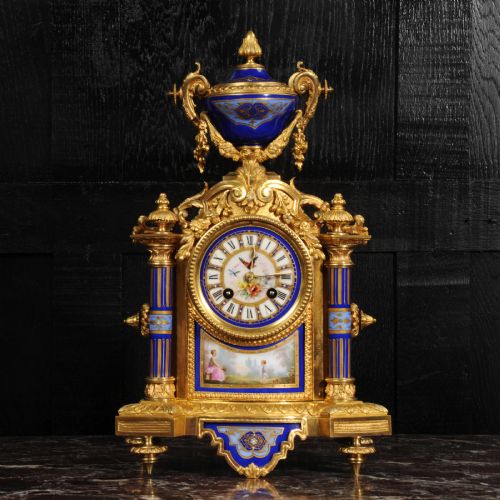
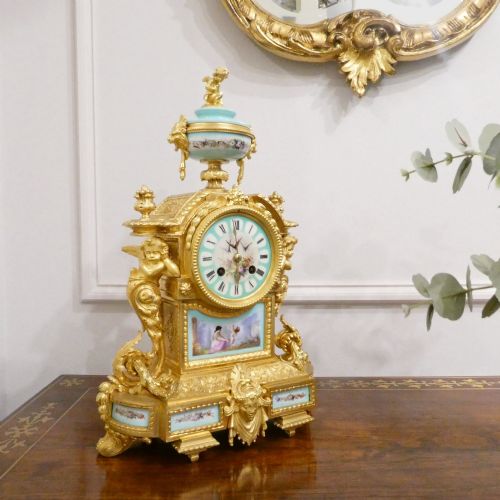
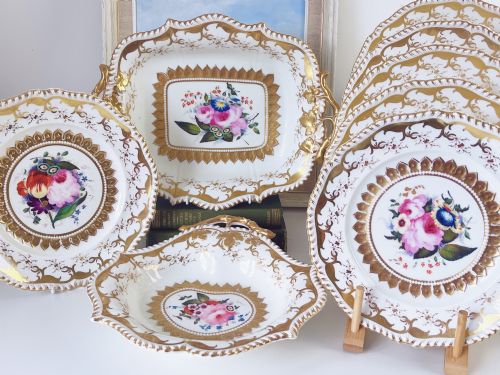
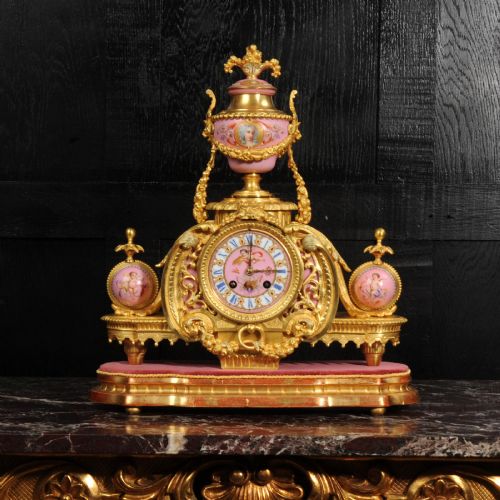
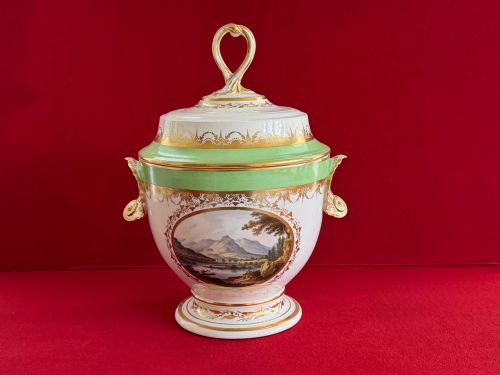
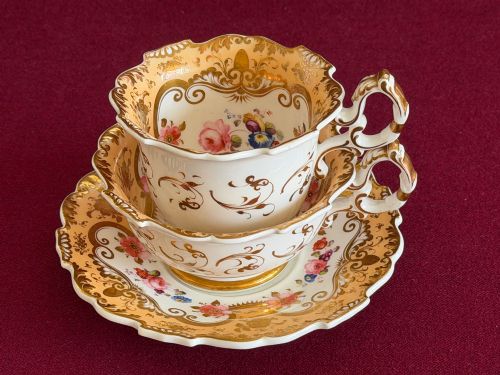
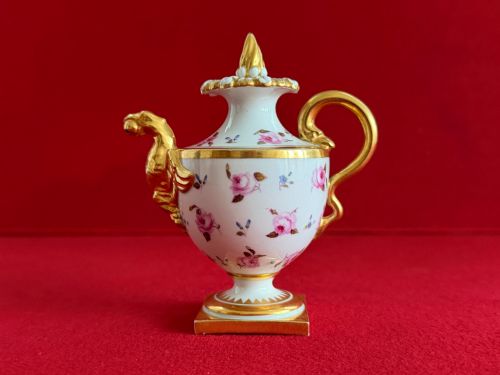
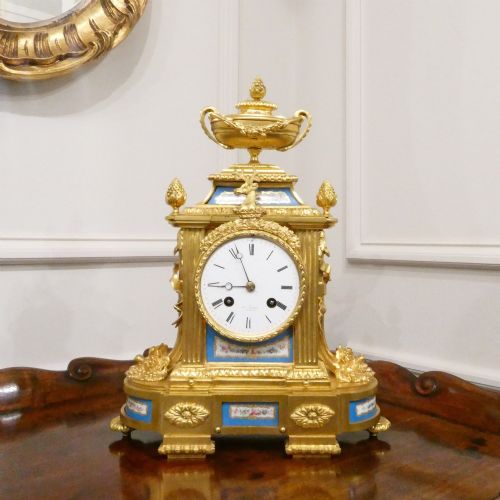
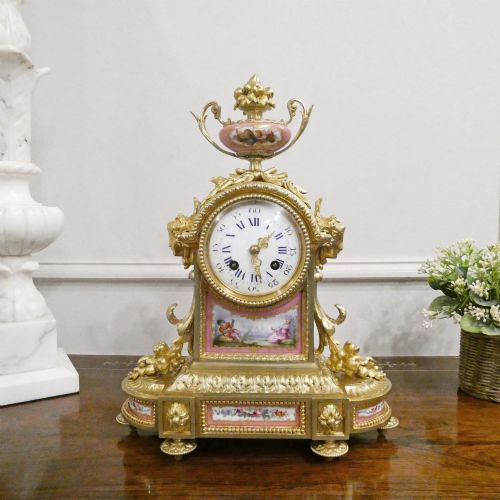
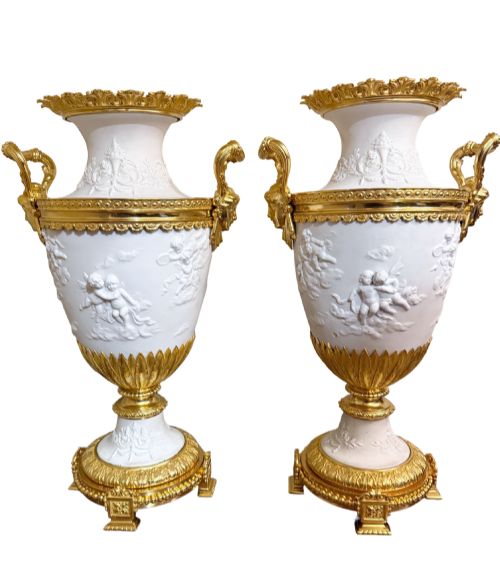
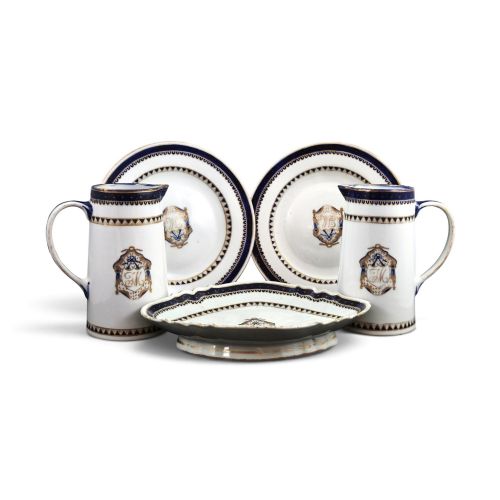
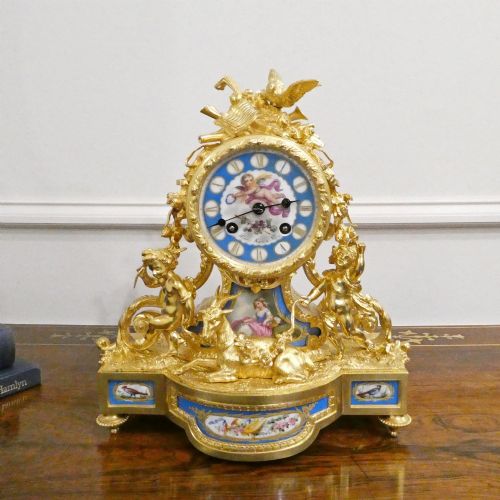
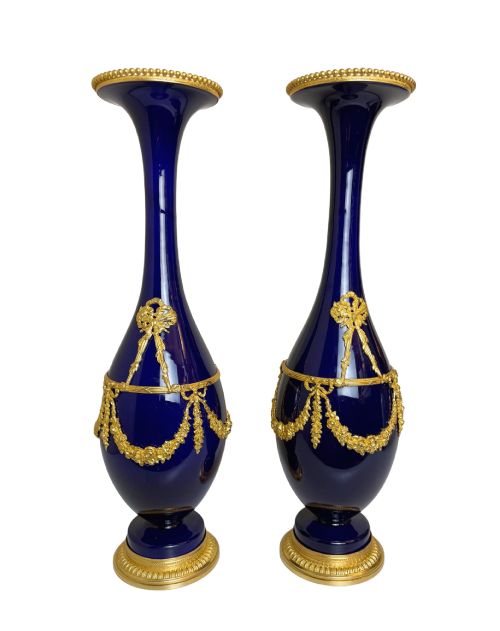
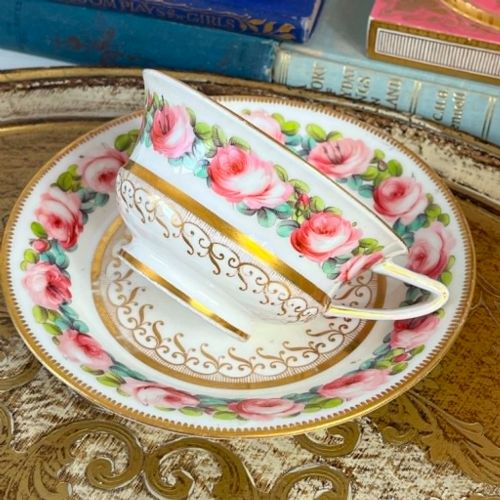
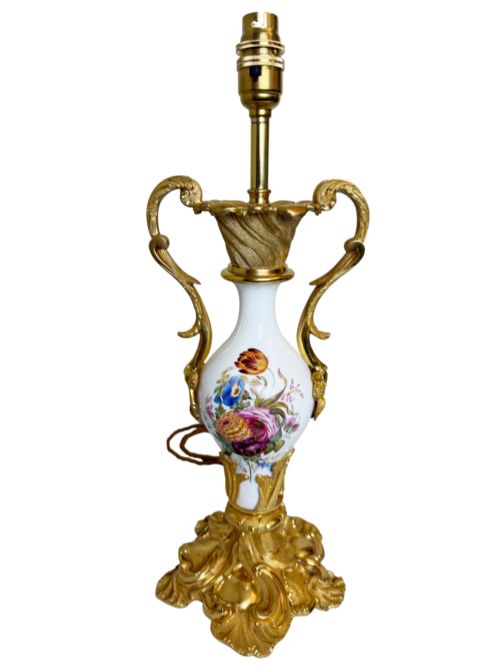
When searching for gold gilt porcelain, buyers encounter a wide range of decorative and functional objects including mantel clocks, cabinet plates, vases, and teacups. These works span multiple periods from the Georgian era through the Victorian period and into the early twentieth century.
English factories such as Worcester, Derby, and Davenport appear frequently alongside continental makers like KPM Berlin and Sèvres. Items take forms ranging from utilitarian tablewares to highly ornate display urns and mounted clock cases.
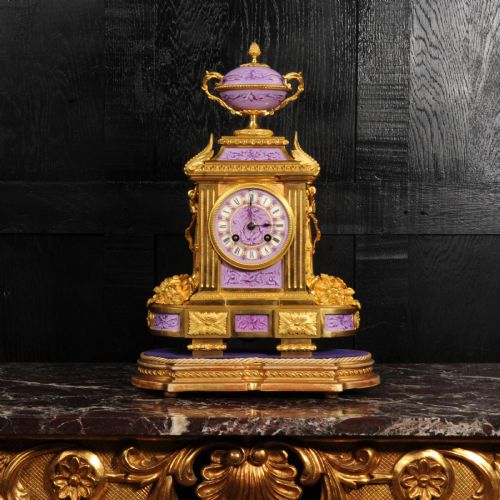
The material vocabulary of these items combines ceramic bodies with applied metallic highlights. Gilt bronze mounts and ormolu frequently complement the glazed porcelain surfaces.
How they were made
Makers shaped porcelain bodies from fine clay mixtures including bone china before firing them in kilns to achieve durable ceramic bases. Artisans then applied enamel paints and metallic embellishments by hand prior to subsequent low-temperature firings.
Gilding was executed using gold leaf, liquid gold, or gold plate applied to the ceramic surface or to supporting metal mounts such as ormolu and gilt bronze. Clockmakers and bronziers collaborated with porcelain manufactories to integrate ceramic panels into elaborate housing structures.
Listings feature 19th Century, Georgian, Victorian, and 1930 periods across porcelain, enamel, gold leaf, and ormolu materials.
What varies in quality
Quality separates through the precision of handpainted details, such as botanical illustrations or topographical landscapes, compared to standard transfer-printed decoration. The crispness of the gilt application and the weight of the underlying bronze mounts also indicate higher craftsmanship.
The reputation of the manufactory and the skill of individual decorators documented on the piece elevate its standing. Preservation of the original gilding and complete, matching components determine the integrity of complex items like clocks and tea services.
Grainger Lee And Co·Achille Brocot·Henry Marc·Japy Freres·Flight Barr And Barr·KPM Berlin·Royal Worcester·Martial Redon
The Gold Gilt Porcelain Glossary
- Ormolu
- Gilded bronze fittings used extensively in French clock cases and furniture. The technique involves applying finely ground high-carat gold mercury amalgam to a bronze base.
- Bone china
- A type of soft-paste porcelain incorporating animal bone ash. This composition provides a bright white body and increased translucency.
- Cabinet plate
- A decorative ceramic plate intended for display rather than dining use. These pieces often feature elaborate painted scenes by named artists.
- Gilding
- The application of gold leaf or gold powder to a surface. On porcelain, it is fired to bond the metal permanently to the glaze.
Gold Gilt Porcelain: Frequently Asked Questions
How do I date antique gilt porcelain?
Dating relies on factory marks stamped or painted under the glaze, alongside stylistic cues from periods like the Georgian or Victorian eras. Shape profiles and decorator signatures also help narrow the timeline.
Comparison with documented patterns from manufactories provides additional verification for specific production decades.
Were these porcelain clocks used daily?
Mantel clocks mounted with porcelain panels served primarily as formal parlour or drawing room timekeepers rather than utilitarian objects. Their ornate ormolu mounts and handpainted scenes made them status symbols for the home.
Movements required careful winding and maintenance by owners who valued both timekeeping and decorative display.
How should I clean gilt porcelain?
Maintenance requires gentle dusting with a soft, dry brush to protect delicate overglaze enamel and gold leaf. Moisture and chemical cleaners should be avoided to prevent abrasion.
Professional handling is recommended for pieces with complex ormolu mounts or structural repairs.
What is the difference between porcelain and bone china?
Traditional porcelain uses clay, feldspar, and quartz fired at high temperatures to create a hard, vitrified body. Bone china integrates bone ash into the formula, producing a warmer white tone and greater chip resistance.
Both materials readily accept gold leaf and enamel painting techniques.