
Antique Porcelain Plates
Decorated porcelain plates, roughly 20 to 32cm across, made for dessert and dinner services or purely to be looked at on a wall or in a cabinet.
Antique Porcelain Plates
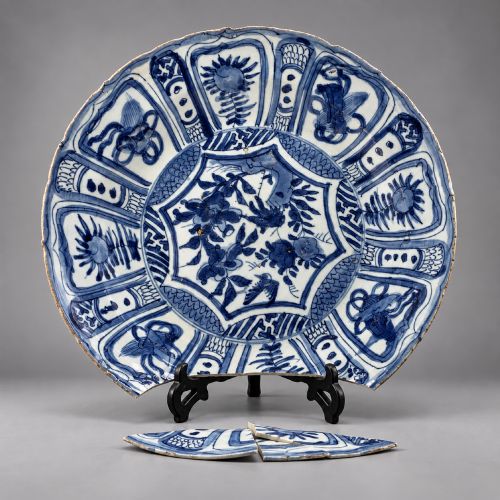
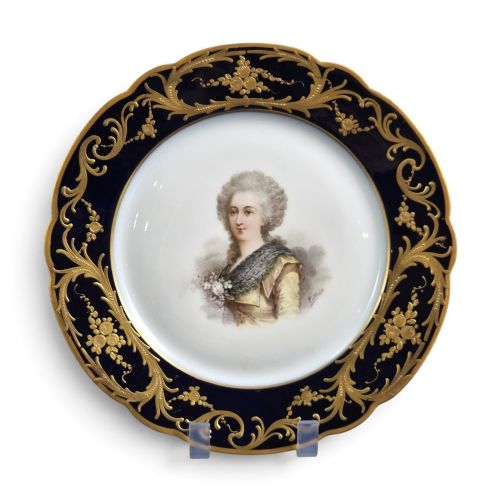
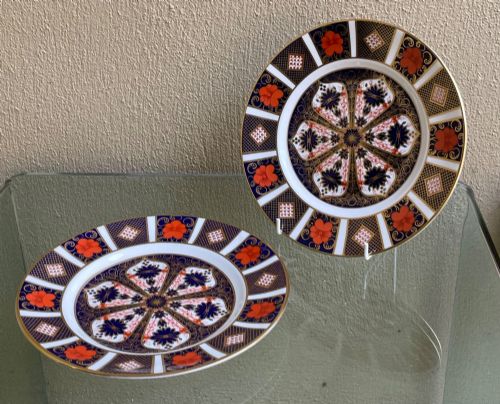
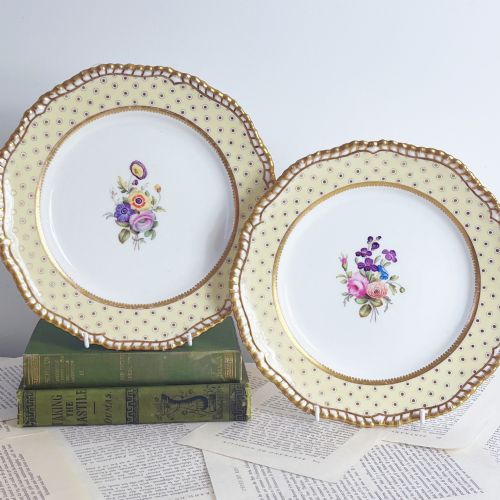
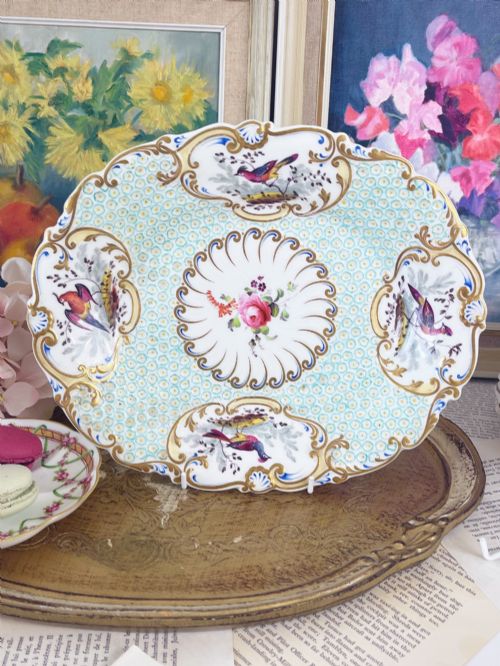
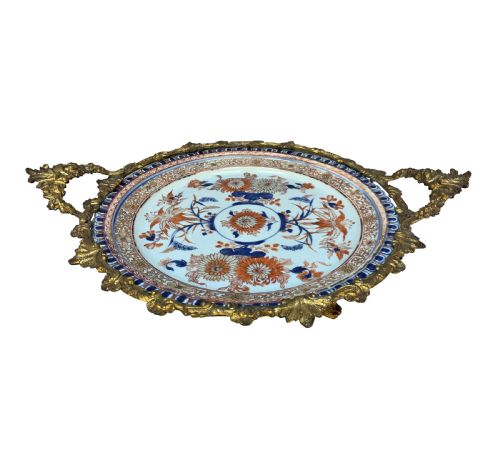
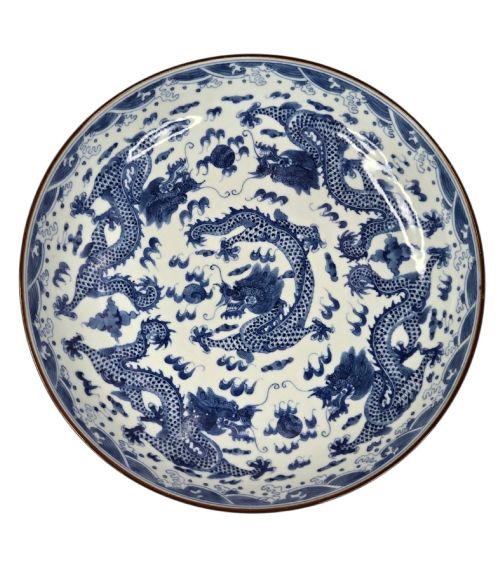
Two things dominate the heading. Japanese Imari plates, worked in underglaze cobalt with iron-red and gilding, and English named-factory dessert or cabinet plates from Worcester, Derby, Coalport and Minton. Alongside them sit Chinese export wares, Continental cabinet plates in the Sèvres and Vienna taste, and the odd charger, saucer or part service.
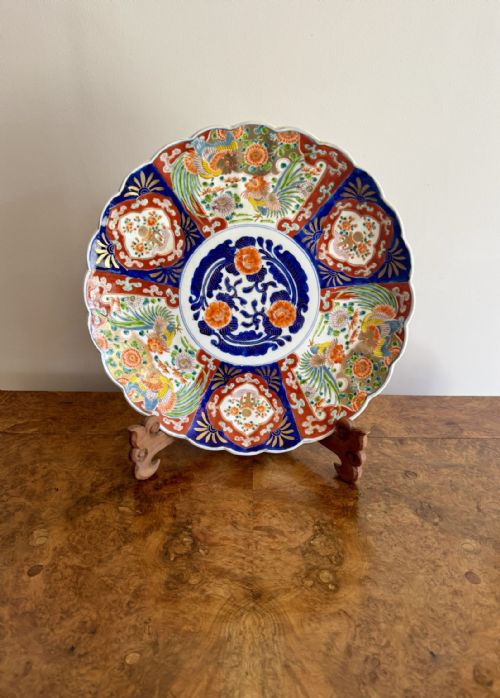
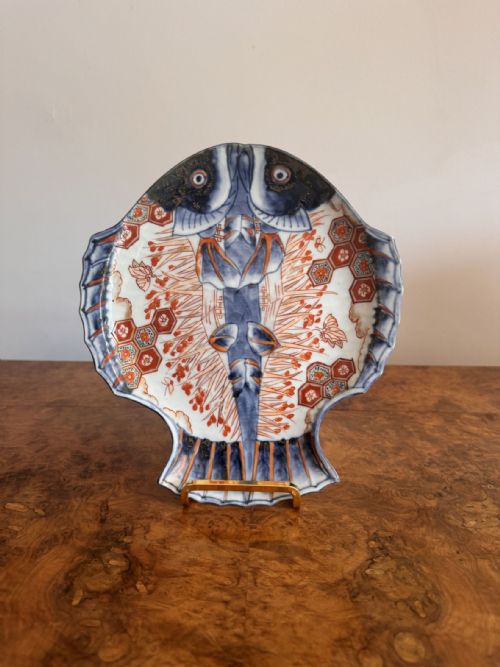
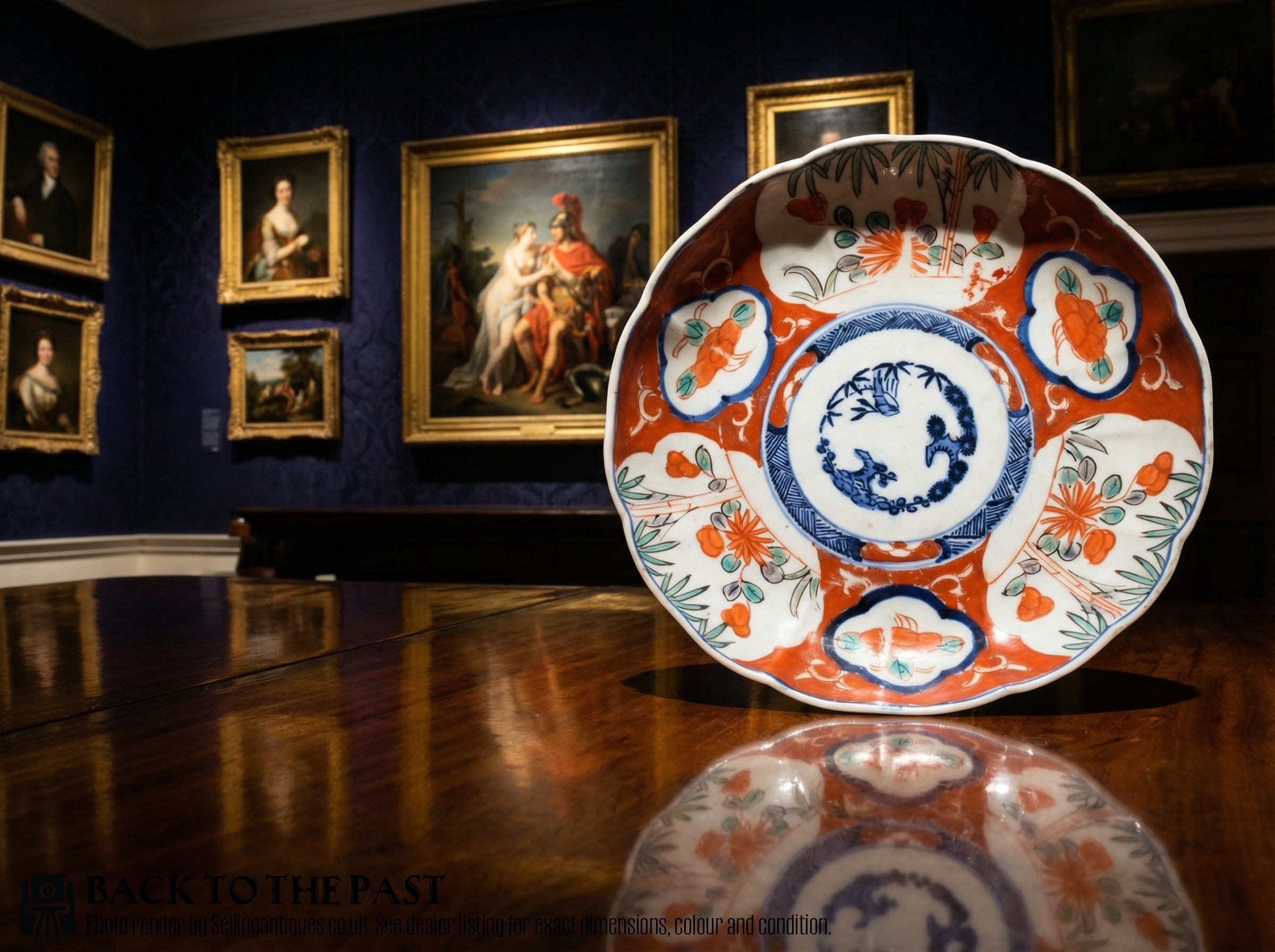
A single Japanese Imari plate is the thing you are most likely to meet. 'Imari' appears in 118 of 495 titles, and it accounts for about a third of what is listed live on Sellingantiques. Round is not a given either: the Imari group throws up shell-shaped, hexagonal, octagonal, square and oval plates, and 'unusual shaped' is a phrase dealers reach for repeatedly.
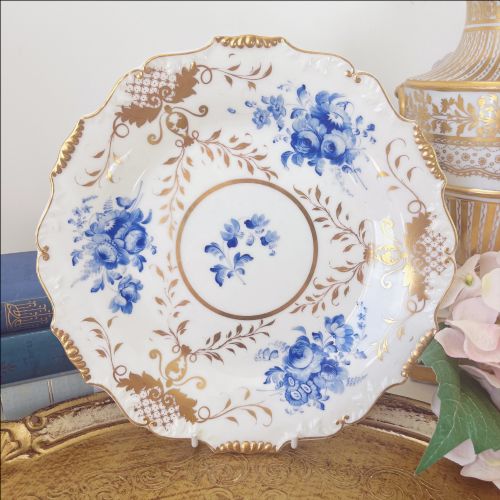
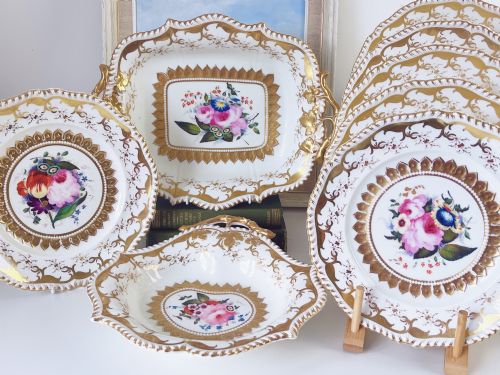
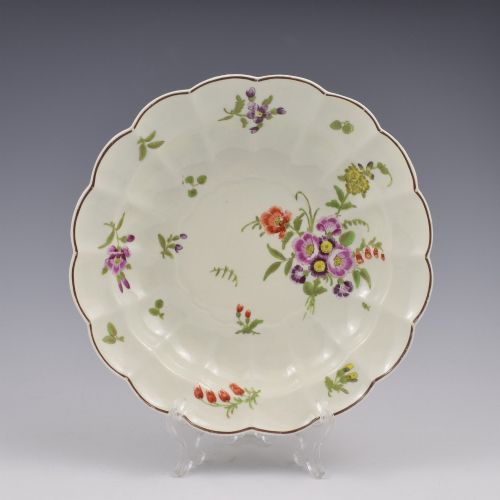
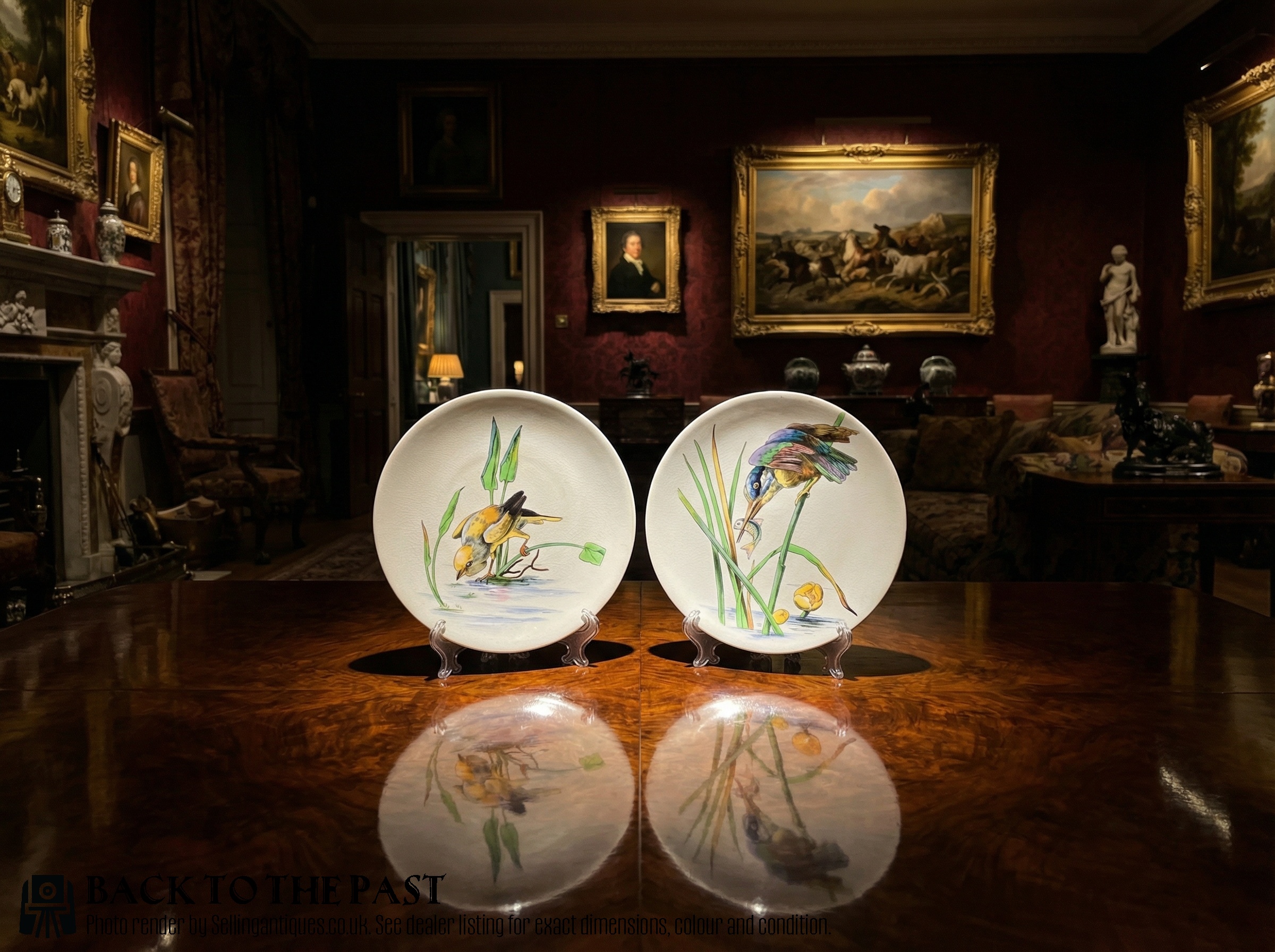
The English group is the next largest, roughly a fifth. 'Dessert' runs through 74 titles and 'cabinet' through 64, the difference being what the plate was for: one came from a service and was eaten off, the other was made to be displayed. Titles here often quote a pattern number, which pins the design to a factory.
Dating is broad rather than precise. The dealers' own field runs 1750 to 1960, with '19th Century', '1900s' and '18th Century' doing most of the work, and only 178 of 495 listings carrying a clean year. Sampled titles reach further at both ends, from a Wanli Kraak deep plate to painted fruit cabinet plates dated into the 1970s, and the title text often carries better information than the period tag.
Where The Range Splits
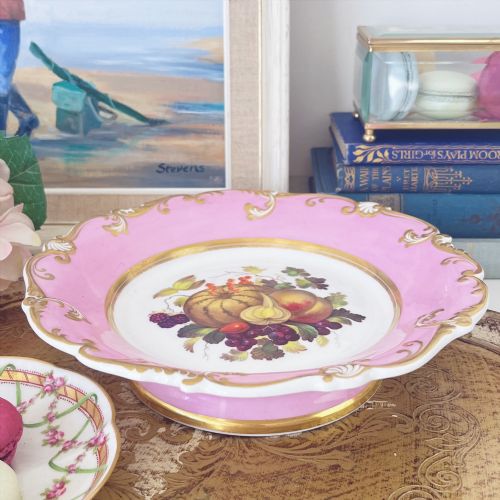
A signature is the sharpest divide. Ten titles use the word 'signed', and the sample names painters including Sebright, Shuck, Baldwyn, Stinton, Ayrton, Rouse, Steele, Webster, Dewsberry and Birbeck. Signed cabinet plates, painted fruit above all, occupy the very top of the range, while a plain 'Japanese Imari plate' sits at the bottom.
Being able to name anything at all lifts a plate. A title with a factory plus a pattern number or a named pattern sits well above one reading only 'Antique Victorian plate' or 'Chinese Plates'. Armorial decoration works the same way, tying a piece to a family or a commission, and the 20 armorial titles include a service made for the Nawab of the Carnatic and a plate supplied to the King of Siam.
Then there is quantity and scale. Pairs run to 70 titles, and sets of twelve, fourteen and seventeen cluster toward the top. Size does the same: 'large' in 27 titles, 'charger' in 17, with a 55cm Imari plate and a 60cm Vienna charger the biggest recorded. Departures from a plain round shape are priced above the plain ones.
Antique Porcelain Plates Retail Price Guide 2026
Typical UK retail prices for porcelain plates, calculated from the Sellingantiques database of over a million retail prices indexed since 2003. This retail price guide relies exclusively on Sellingantiques data; no external sources or auction records are used, so the figures do not describe the wider market.
19th Century is the period label used most on Sellingantiques for porcelain plates, with 1900s next and 18th Century third.
The Antique Porcelain Plates Glossary
- Imari
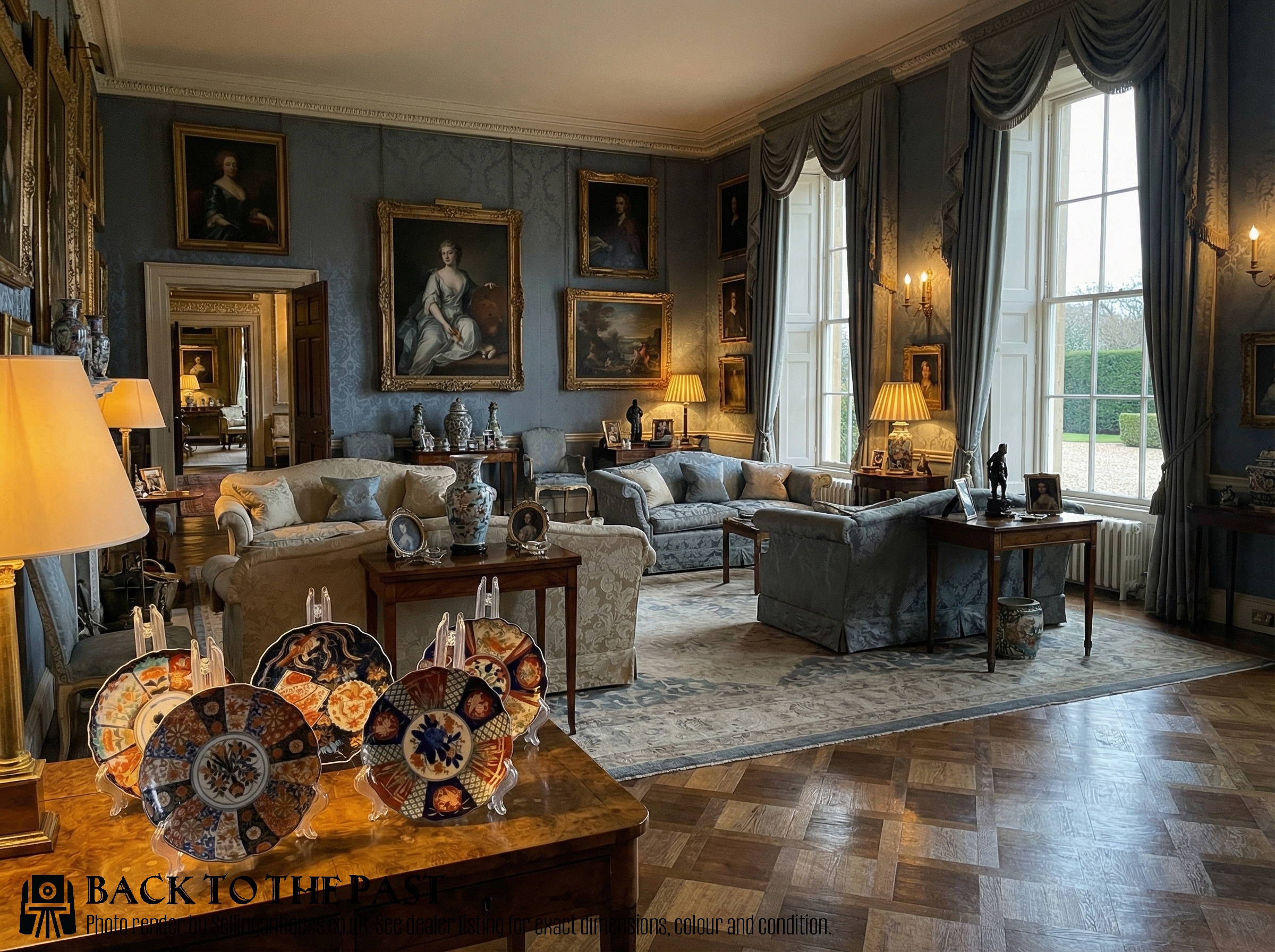
- Japanese palette of underglaze cobalt blue with iron-red and gilding, named for the port it shipped from. Imitated in China and in England too.
- Cabinet plate
- Made to be displayed rather than used, and the term appears in 64 titles. Signed painted decoration is common in this group.
- Dessert plate
- The smaller plate from a dessert service, and usually the most heavily decorated part of it. Used in 74 titles.
- Charger
- An oversized display plate or platter, in 17 titles, with diameters quoted up to 55cm.
- Armorial
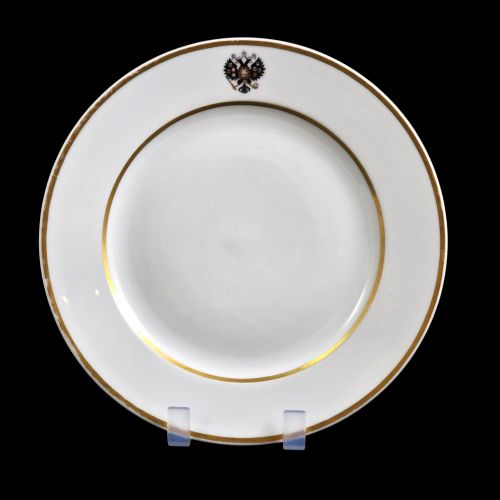
- Decorated with a coat of arms or family crest, often made to commission. Twenty titles use the word.
- Ground
- The overall coloured background of a plate: cobalt, apple green, pink, burgundy or celeste bleu.
Antique Porcelain Plates: Frequently Asked Questions
Which kind turns up most often?
Japanese Imari. The word appears in 118 of 495 titles, 'japanese' in 109, and the two together in 79, and Imari makes up about a third of current stock on Sellingantiques.
English named-factory dessert and cabinet plates are the next largest group, with Worcester in 77 titles, Derby in 37, Coalport in 20 and Minton in 18.
What is the difference between a dessert and a cabinet plate?
A dessert plate came from a service and was eaten off. It is usually the most decorated part of that service, and often smaller than a dinner plate.
A cabinet plate was made to be displayed, on a wall or behind glass. The signed painted work, painted fruit especially, sits in this group.
Are these plates always round?
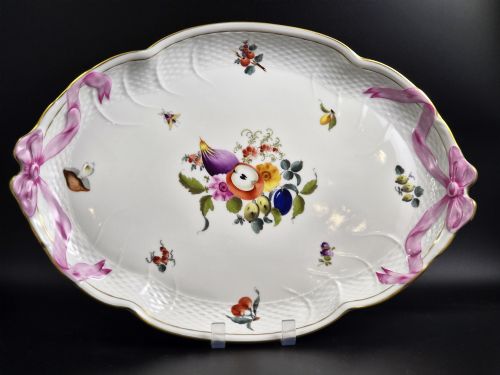
No. The Imari group alone runs to shell-shaped, hexagonal, octagonal, square and oval plates, and dealers flag these as unusual shapes repeatedly.
Rims vary as well. Scalloped and shaped edges appear across the heading, and some rims are pierced through in openwork before firing.
How reliable is the dating on a listing?
The period field is broad. '19th Century' covers 103 listings, '1900s' 91 and '18th Century' 62, with reign labels like Georgian, Regency and Victorian overlapping those bands rather than tightening them.
Only 178 of the 495 listings carry a clean year, and plenty of titles that quote a circa date in words are still tagged undated. The title text usually says more than the tag.
Do pairs and sets come up?
Often. 'Pair' appears in 70 titles, and group lots run deeper than that.
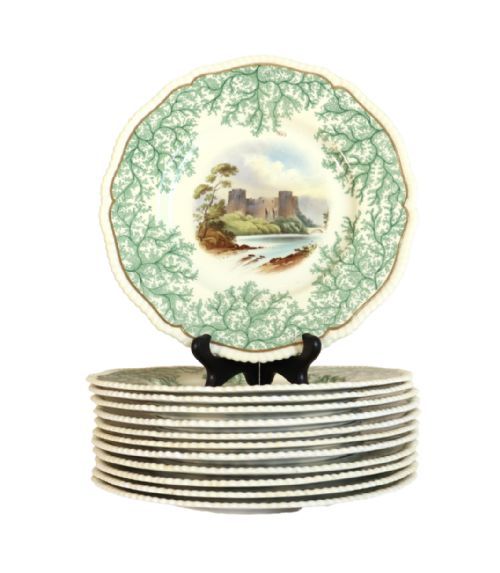
Sets of twelve appear in Sèvres-style and Satsuma, seventeen Tonquin China dessert plates in another listing, and a matching collection of fourteen Japanese Imari. Sets cluster toward the top of the range.
What counts as a large plate here?
Anything called a charger. The word is in 17 titles, and it means an oversized display plate or platter rather than something from a service.
The largest recorded by diameter are a 55cm Japanese Imari plate and a 60cm Vienna charger, with a 20-inch Sèvres charger and an 18.25-inch Cantonese charger behind them.