


Antique Platters
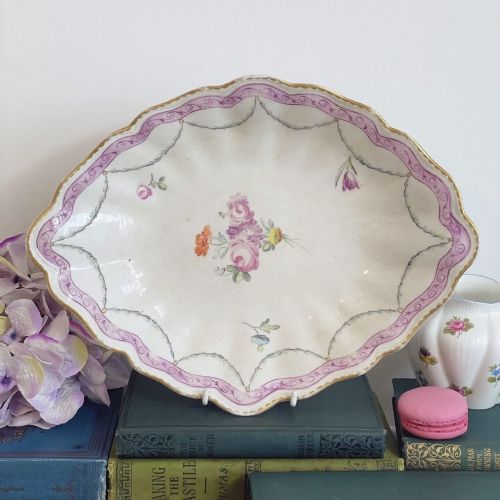
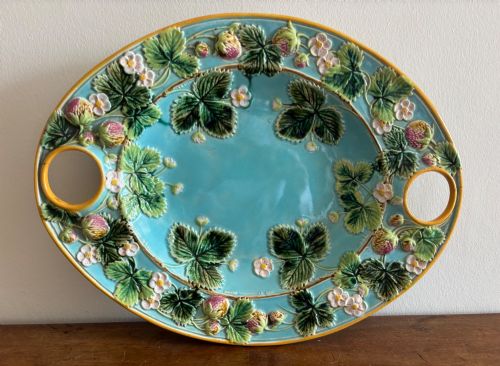
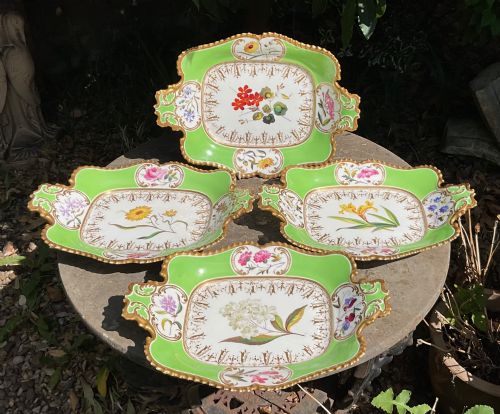
Large flat tableware for presenting joints, fish and fruit at table: round plates and chargers, oval meat platters, and shaped dishes, most of them ceramic and many now hung or stood as display pieces.
Antique Platters
Under the platters heading sits large flat tableware of every stripe. The word "plate" turns up in most titles and "charger" in a fifth of them, with "meat" and "serving" marking the elongated ashet end of the range. Ceramic dominates, with a small tail of pewter, silver-plate, brass and cloisonné.
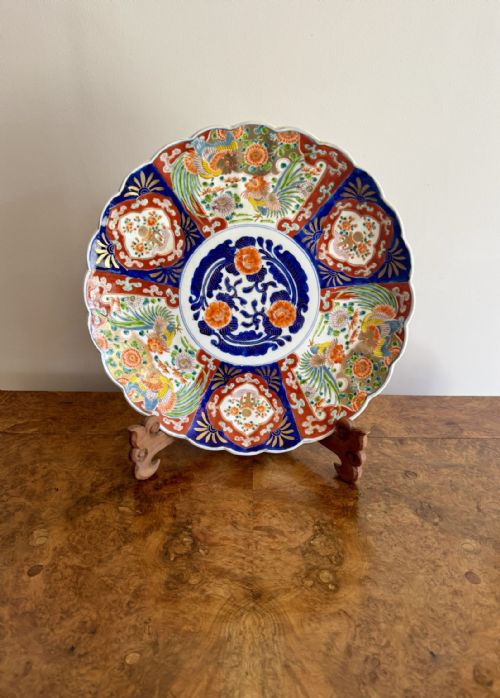
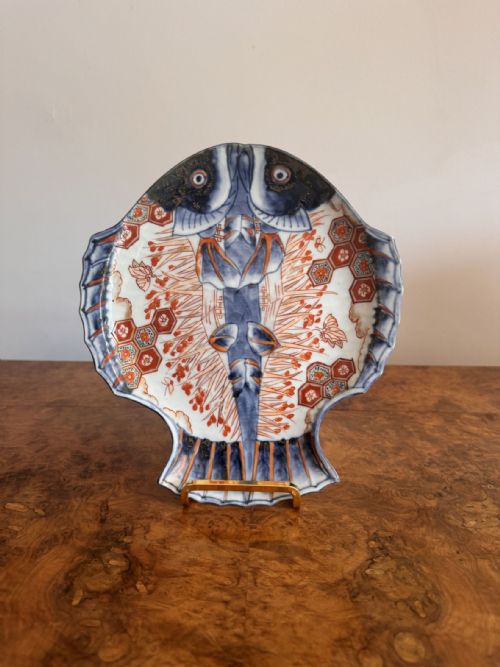
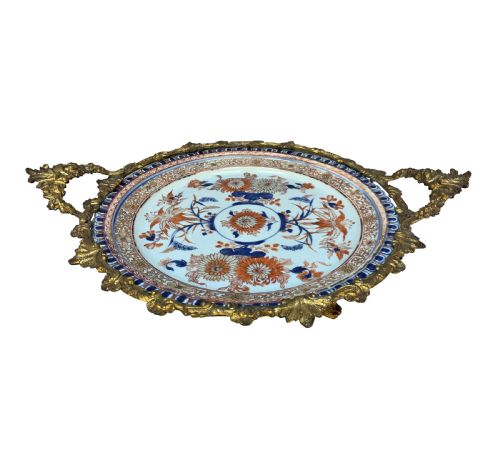
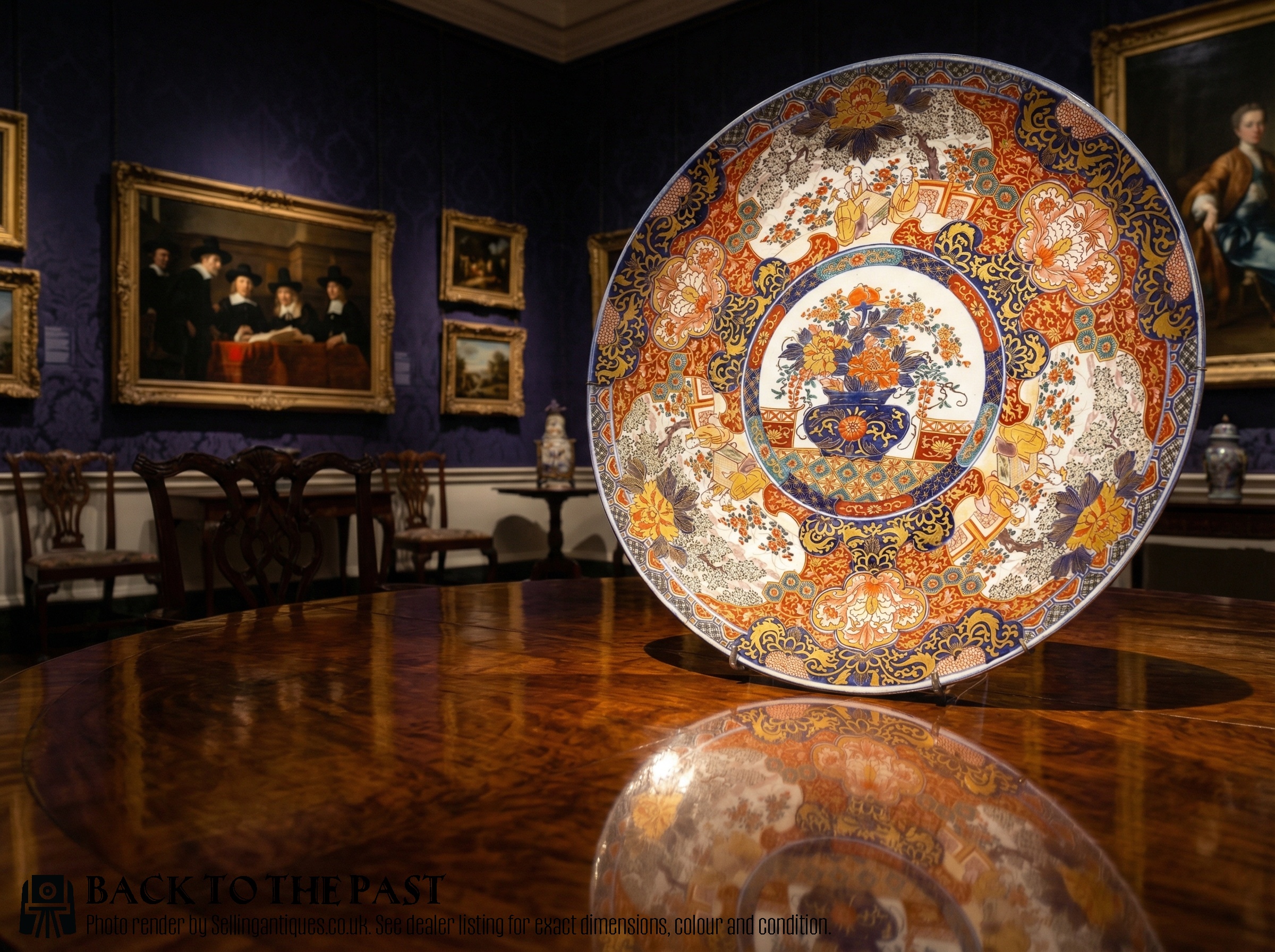
The piece you are most likely to meet is a single large decorative plate or charger, either Japanese Imari porcelain or English blue-and-white. Imari is the strongest thread in the titles, and it arrives in every shape the potters could manage: scalloped, octagonal, square, oval, and once modelled as a fish. Several are given to Arita.
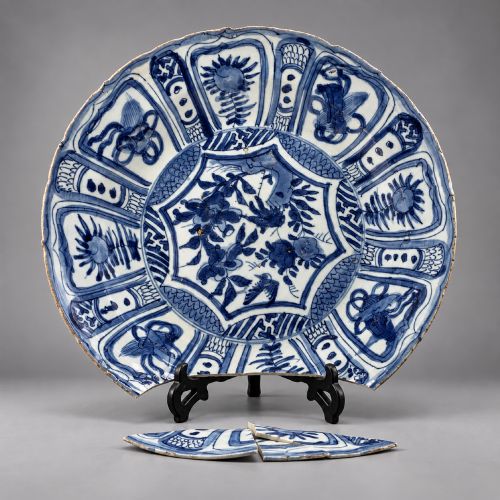
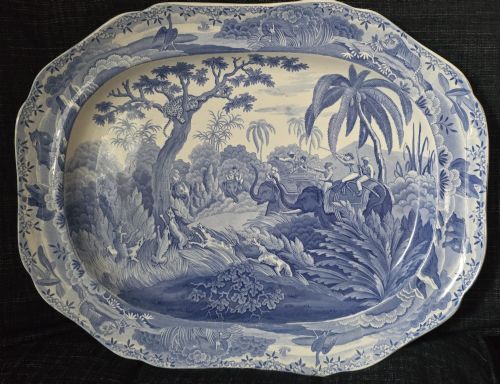
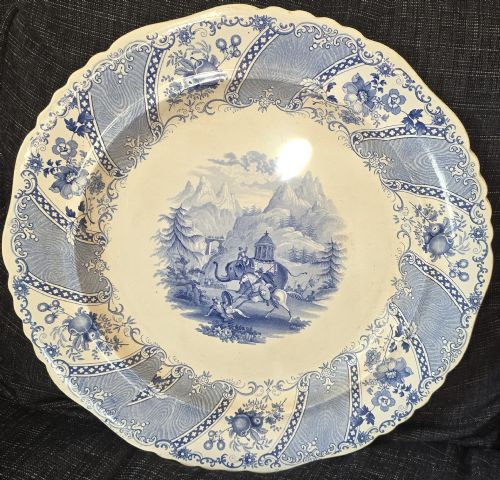
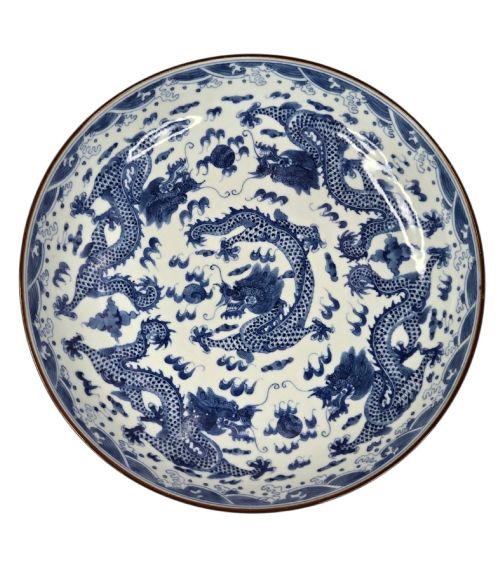
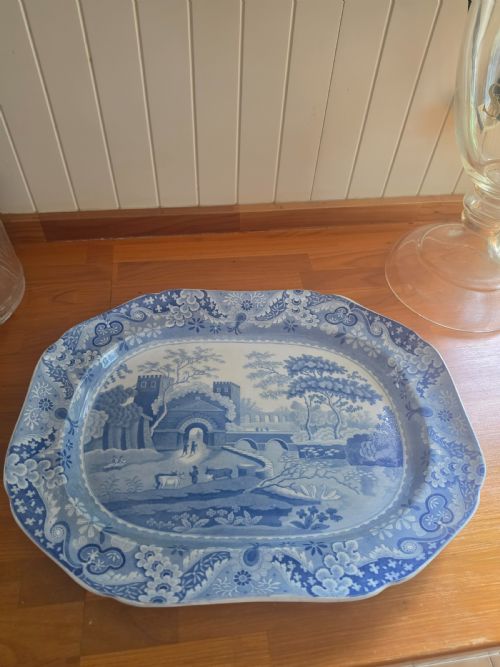
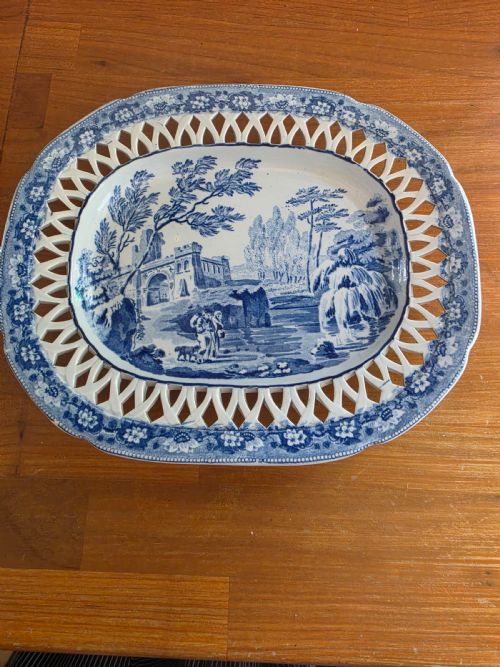
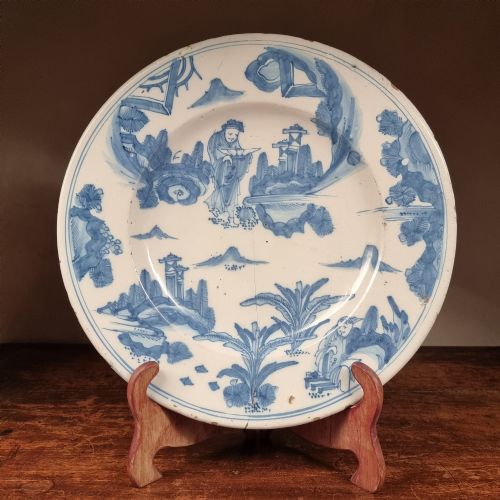
English blue-and-white transferware and ironstone forms the other main block, including oval meat plates and named patterns such as Elephant, Returning Woodman, Classical Ruins and Chinese Garden. Behind those come tin-glazed delft chargers, English, Dutch and Continental, and a smaller run of Chinese and East Asian dishes: Swatow, Longquan celadon, Canton, a Qing dragon charger.
Dating is loose. Only about half the listings carry a clean year, and the two biggest period labels are the vague ones, "19th Century" and "1900s", which are dealers' honest approximations rather than dates. The stated field runs 1750 to 1940, though sampled pieces reach a 14th-century celadon dish at one end and English pewter of the 1680s at the other. Around fourteen come to market in a typical year on Sellingantiques, listed by more than fifty different dealers.

Where The Range Splits
Size is part of the point. "Large" qualifies a fifth of the titles, and the biggest stated measurements cluster at the top of the range: a 55cm Imari plate, a 34cm Longquan celadon dish, a 32cm Chinese blue-and-white plate. Small round plates sit at the quieter end.
Decoration then separates the field. Titles draw a line between hand-painted and handpainted polychrome pieces and transfer-printed ones, and the painted work carries more weight. Form does the same job: square, octagonal, oval, fish-shaped and scalloped Imari plates sit above the plain round ones, and a named pattern or a documented service lifts an English piece again.
Numbers matter as much as either. Singles far outnumber multiples, with plural "plates" in only twelve titles, so sampled pairs, trios and sets of four, six and seven stand well above comparable single pieces. Cloisonné appears just twice in the whole run, both near the top.
Antique Platters Retail Price Guide 2026
Typical UK retail prices for platters, calculated from the Sellingantiques database of over a million retail prices indexed since 2003. This retail price guide relies exclusively on Sellingantiques data; no external sources or auction records are used, so the figures do not describe the wider market.
Among the one-offs to pass through: an Imari platter modelled as a fish, and two Japanese cloisonne enamels, one with an ibis and one with phoenix birds.

The Antique Platters Glossary
- Charger
- A large circular dish meant for display or presentation rather than an individual place setting. Around a fifth of titles use the word.
- Meat plate
- The oval or oblong platter made for a joint of meat, and one of the recurring English forms here.
- Ashet
- Scots and northern term for a large serving platter, used in the archive for a trio of ironstone examples.
- Imari
- Japanese porcelain palette of underglaze blue with iron-red and gilding, named for the port it shipped from. The most common term in titles after "plate".
- Transferware
- Printed rather than hand-painted decoration, and the basis of the English blue-and-white that circulates in this category.
- Reeded rim
- The moulded concentric ridges around the rim of a pewter plate, described as single, triple or multiple reeded.
Antique Platters: Frequently Asked Questions
Are these actually platters or plates?
Both, plus chargers. "Plate" appears in most titles, "charger" in about a fifth, and "meat" or "serving" in a smaller group that covers the oval platter forms.
So the heading gathers large flat tableware generally rather than oval meat dishes alone.
What are most of them made from?
Ceramic. Japanese Imari porcelain, English blue-and-white transferware and ironstone, and tin-glazed delft account for the bulk of what circulates.
Metal turns up rarely but persistently: English pewter with reeded, incised and plain rims, an Old Sheffield plated meat dome, a silver-plated cake platter, Indian silver-plate dishes and a brass armorial plate from Pau.
How old are Imari plates and chargers listed here?
Japanese Imari is the strongest single thread in the titles, and it sits mainly under the loose labels, "19th Century" and "1900s".
Shapes vary widely within that: scalloped, octagonal, square and oval, with one modelled in the form of a fish. Some titles name Arita, the kiln region, as the more precise attribution.
Do they come in sets or as single pieces?
Single pieces far outnumber sets. Plural "plates" occurs in only twelve titles against seventy-eight that say "plate".
When multiples do appear they are pairs, trios and sets of four, six and seven, and they sit well above comparable singles in price.
Which English blue-and-white patterns show up?
Named patterns in the archive include Elephant, Returning Woodman, Classical Ruins, Chinese Garden and Lovick's. The word "pattern" itself appears in thirteen titles.
Many of these are meat plates and larger platters in transfer-printed earthenware or ironstone, with "English Georgian" a recurring label.
What sits at the top of the range?
A Qing dragon charger holds the top overall figure. An armorial set connected to a named Indian service accounts for the highest English asking figure.
The two Japanese cloisonné pieces, one with an ibis and one with phoenix birds, also sit near the top. A pair of early-19th-century blue-and-white plates marks the bottom.