




Antique Serving Dishes
Large flat or shallow dishes made to carry food to the table rather than to eat from: meat platters, dessert dishes, chargers and the stands that sat beneath tureens.
Antique Serving Dishes
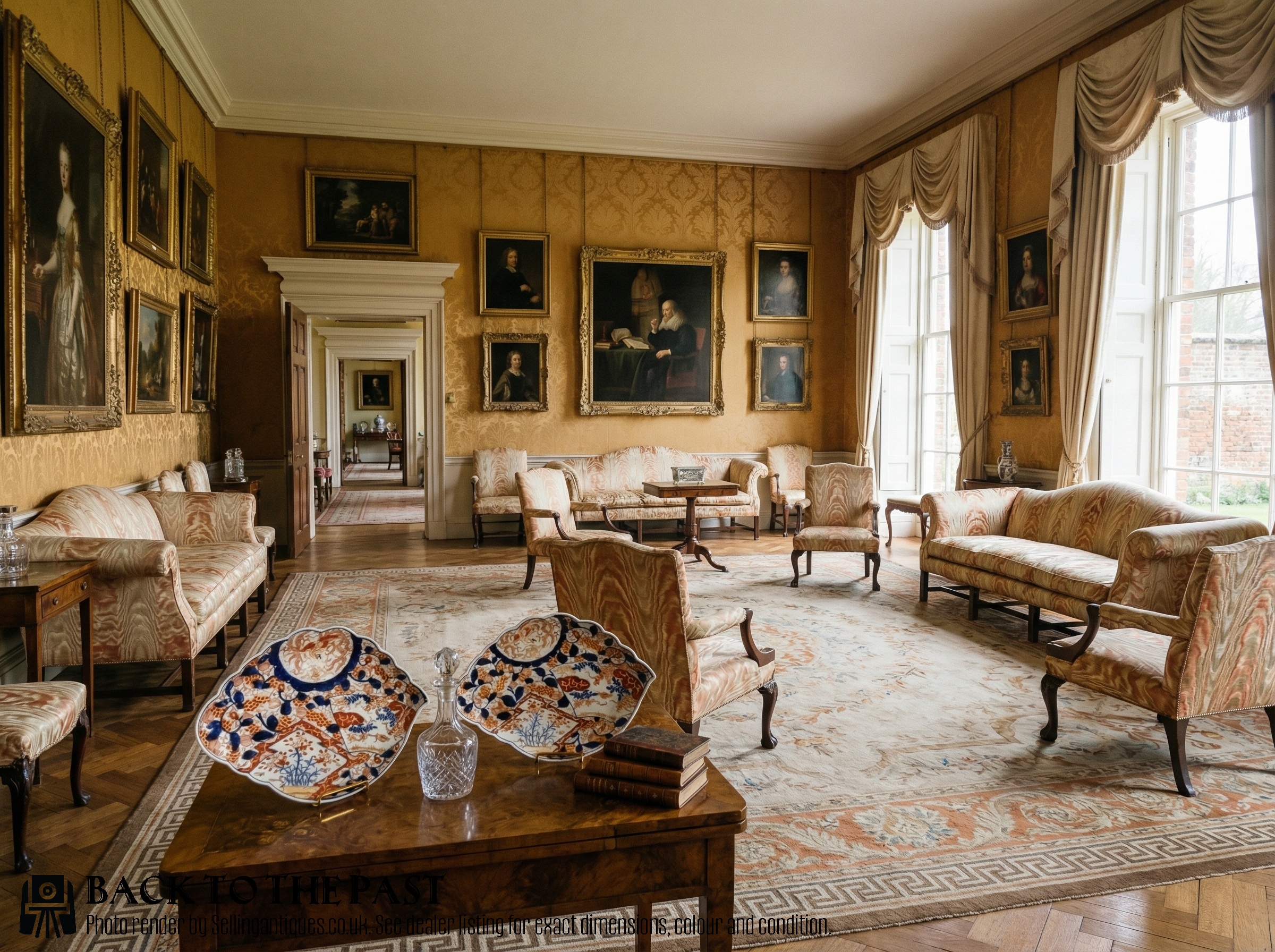
The word "plate" turns up in most titles on Sellingantiques, and what it usually means is a single large ceramic plate or platter. These were made broader and shallower than a dinner plate because their job was to bring a joint, a fish or a dessert course to the table.
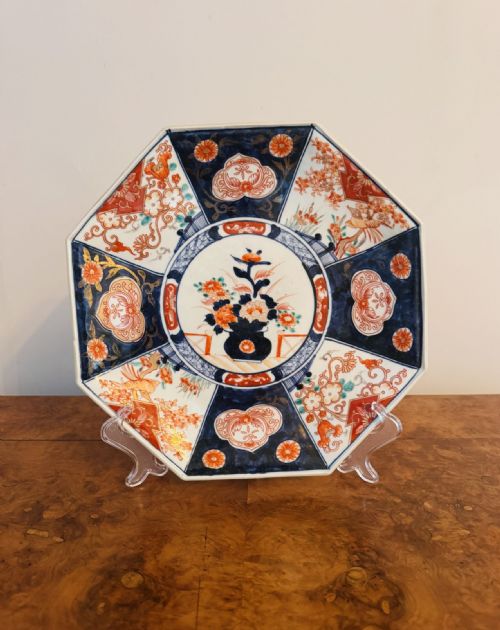
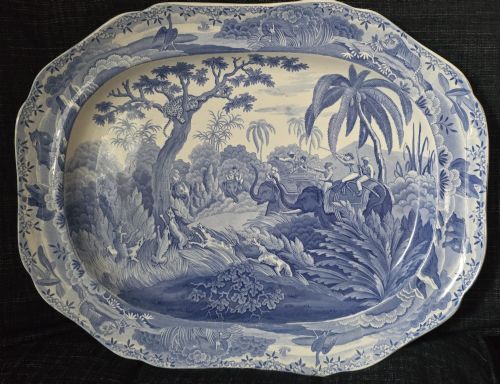
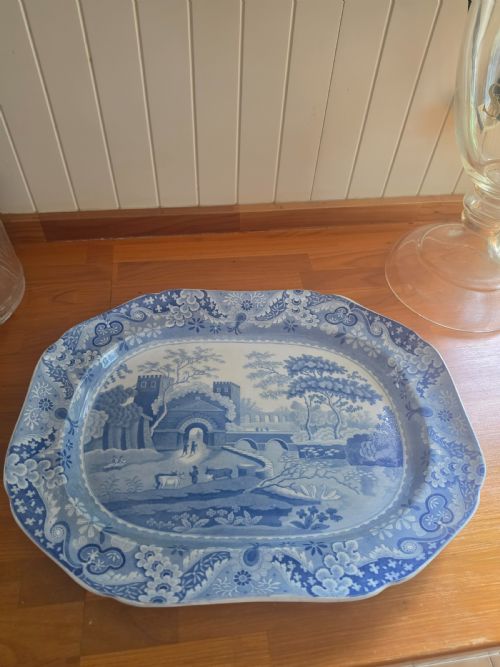
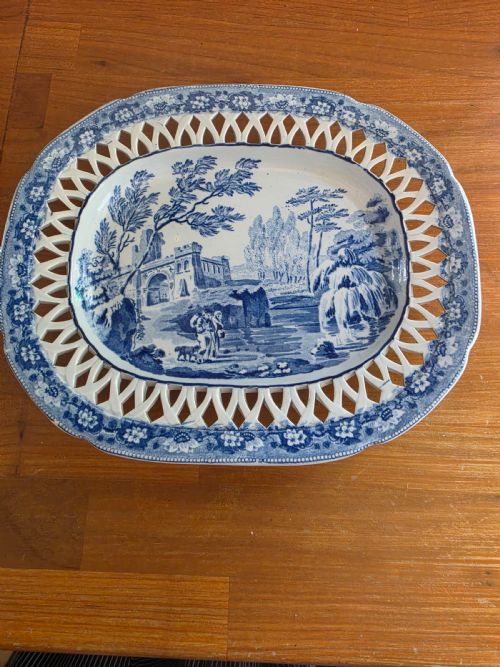
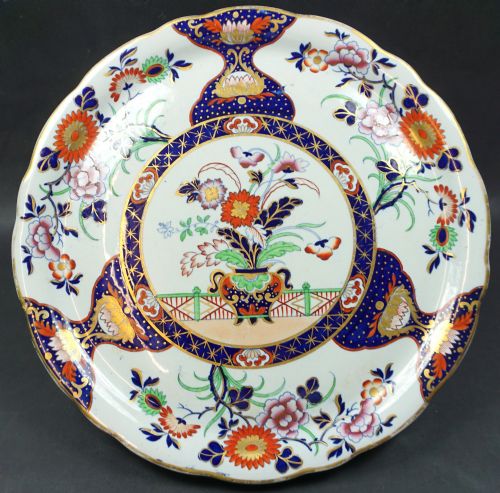
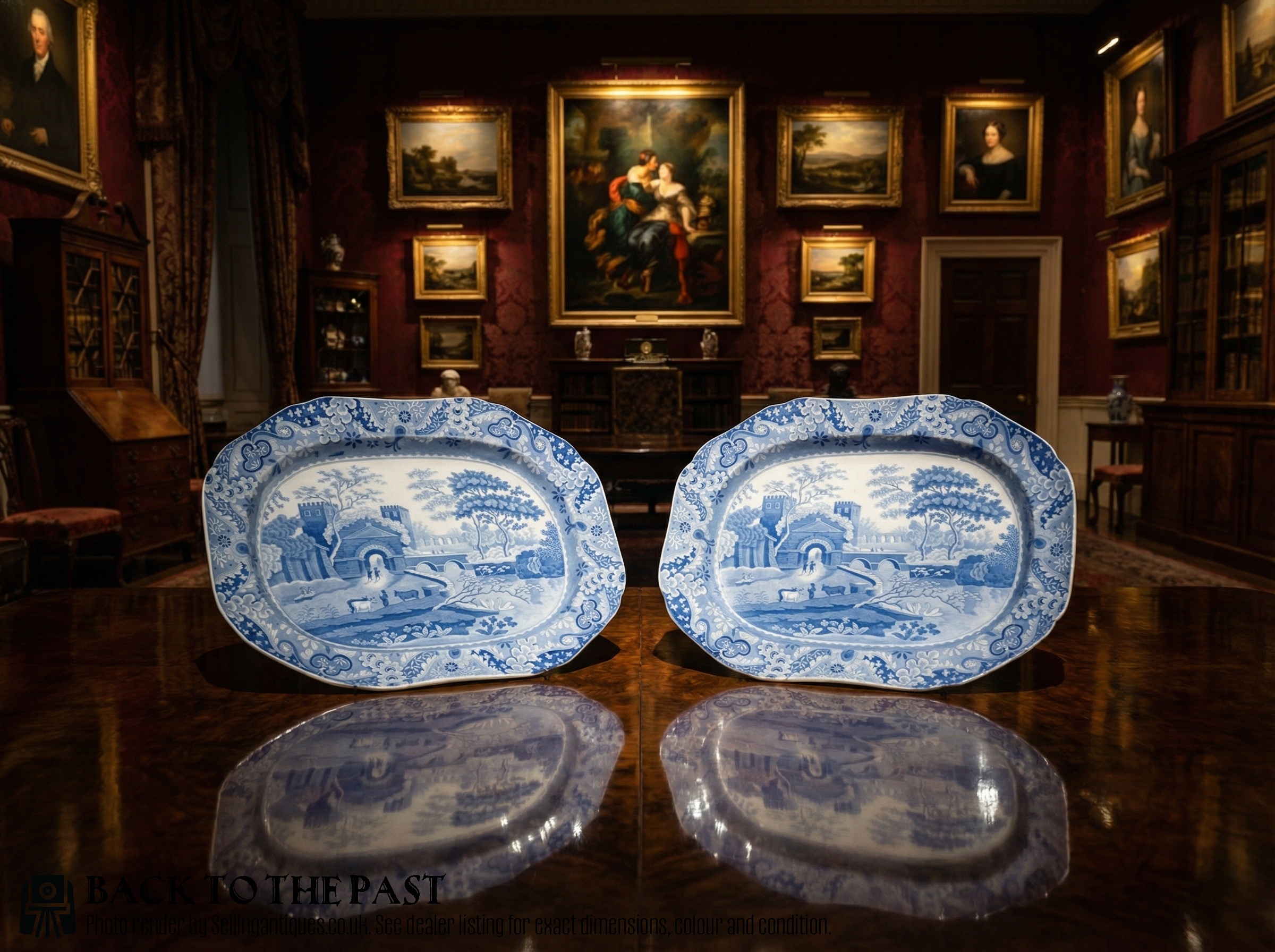
Two styles dominate and there is very little between them. One pole is English blue and white pottery, transfer-printed, described as a meat plate, serving plate, platter or ashet, and often carrying a named pattern such as Classical Ruins, Bridge of Lucano, Buffalo or Chinese Garden. The other is Japanese Imari porcelain, hand painted, and often large or shaped.
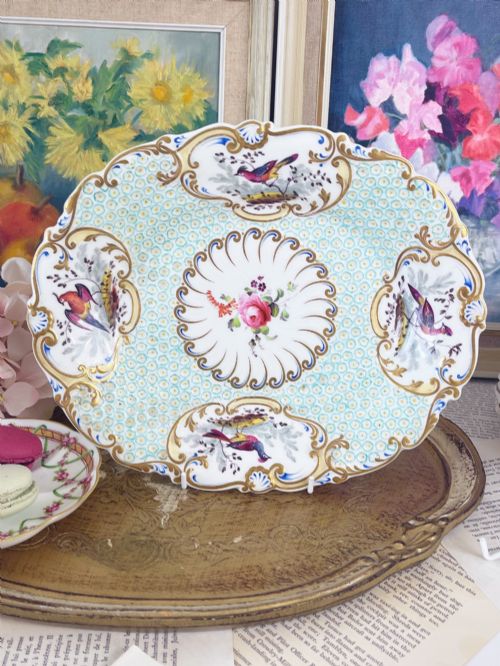
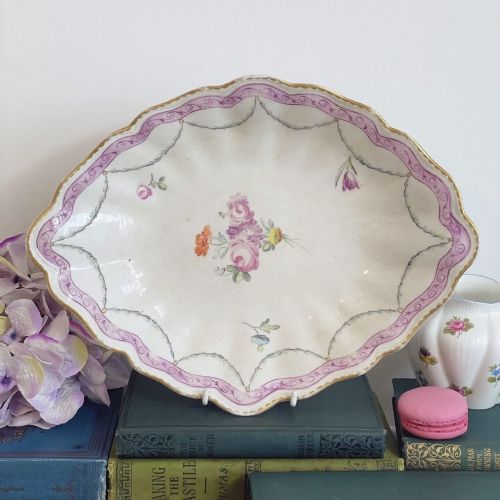
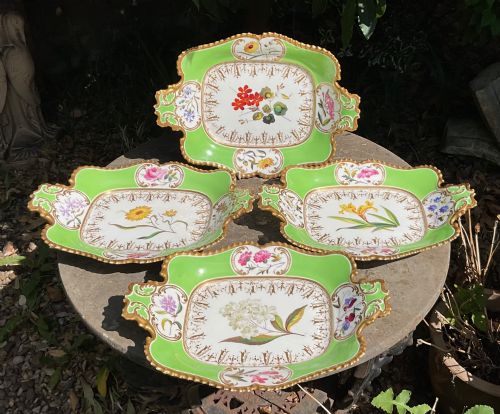
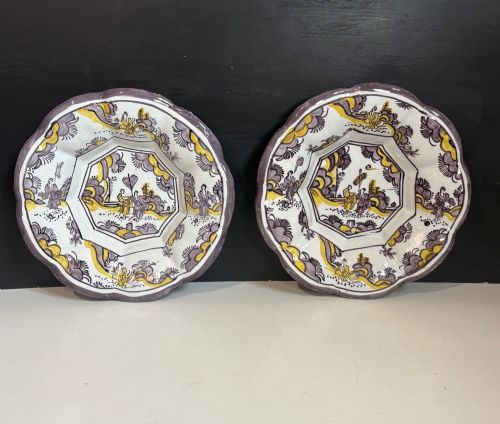
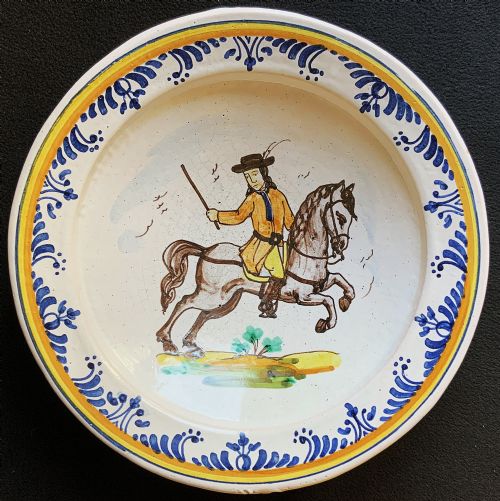
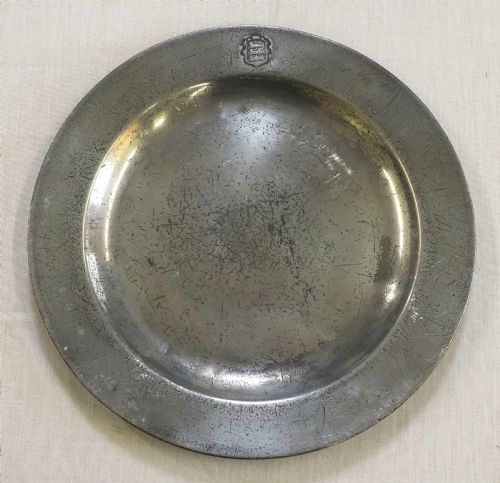
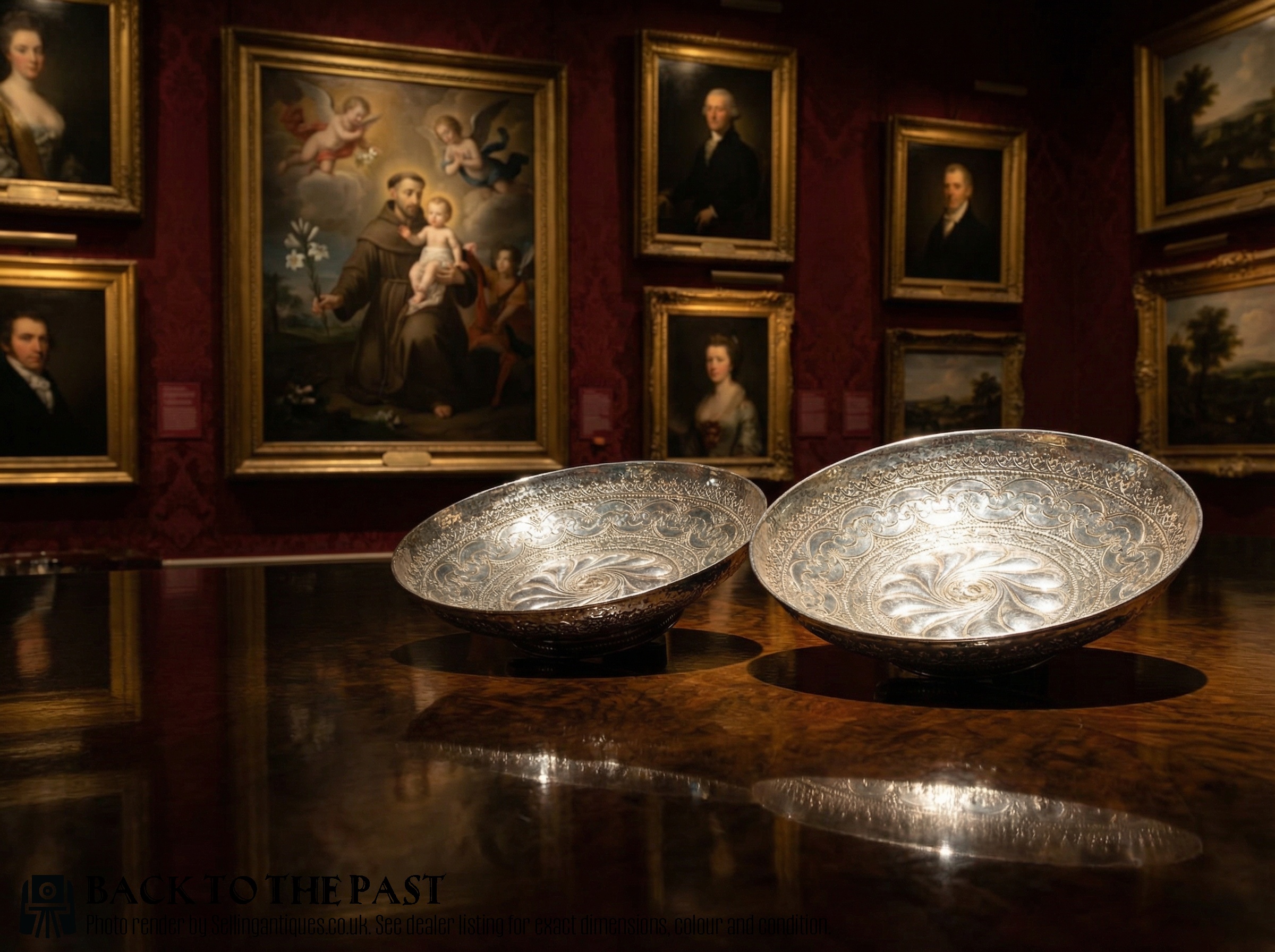
Smaller groups sit around those two. English porcelain dessert dishes and part services appear, pierced, lobed or leaf-shaped, sometimes in sets of four. Tin-glazed chargers in delft and faience turn up as a handful of listings. Metal is scarce: two English pewter plates and one pair of Indian silver-plate presentation bowls across the samples.
Dating is loose. The dated field runs from 1750 to 1920, but only seventeen listings carry a clean year and the rest use era labels like 19th Century, 1900s, 18th Century or Georgian. Several titles give a circa date finer than the field beside them, so the two do not always agree.
Where The Range Splits
Hand painting is the clearest divide. Painted Imari and English porcelain dessert wares sit in the upper half of the range, while transfer-printed blue and white meat plates, the most frequently listed form of all, hold the bottom. A plain round meat plate is the base case.
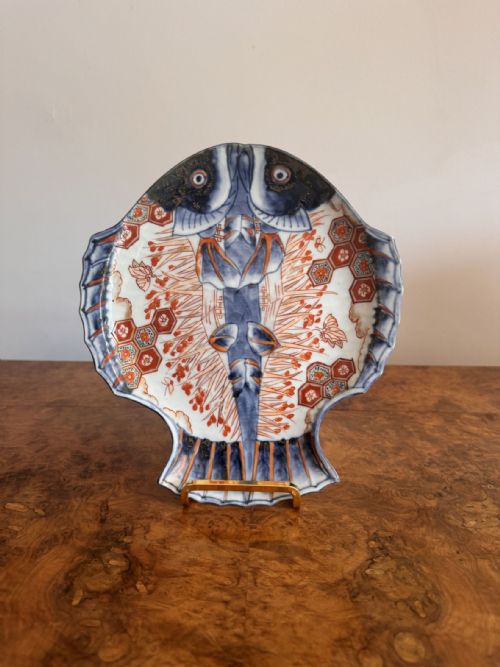
Number and shape lift a listing. Pairs, a trio, a set of four dishes and a part dinner service all rank above comparable singles, and unusual outlines cluster high: square, oval, lobed, leaf-shaped and one fish-form Imari plate, the oddest shape recorded. Size works the same way, with the word large concentrated among chargers and Imari.
Documentation takes the top. Pattern numbers, named patterns and a blue mark dated between 1782 and 1800 all push upward, and the highest-priced entry is not a single dish but an armorial plate set tied to a named service.
Antique Serving Dishes Retail Price Guide 2026
Typical UK retail prices for serving dishes, calculated from the Sellingantiques database of over a million retail prices indexed since 2003. This retail price guide relies exclusively on Sellingantiques data; no external sources or auction records are used, so the figures do not describe the wider market.
Dated serving dishes on Sellingantiques run from 1750 to 1920, though most entries carry an era label rather than a clean year.
The Antique Serving Dishes Glossary
- Meat plate
- A large oval or rectangular platter for serving a joint, and the commonest named form in this category.
- Charger
- An unusually large circular dish, meant for display or serving rather than for one diner.
- Transfer print
- Pattern applied from an engraved, inked tissue rather than painted by hand. Standard on 19th-century English blue and white.
- Imari
- Japanese porcelain palette of underglaze blue with iron-red and gilding, also copied in China and England.
- Ashet
- Scottish and northern word for a large serving platter. It appears in one title on Sellingantiques.
- Tureen stand
- The flat dish made to sit beneath a sauce or soup tureen, and sometimes sold on its own.
Antique Serving Dishes: Frequently Asked Questions
What is the difference between a charger and a meat plate?
A charger is round and unusually large, made for display or for serving at scale. A meat plate is normally oval or rectangular, shaped for a joint.
Both appear in the listings, but the meat plate is the commonest named form, and chargers cluster in the upper half of the range.
Which patterns show up on blue and white serving plates?
Named patterns recorded in titles include Classical Ruins, Bridge of Lucano, Buffalo, Lovick's, Gorhambury, Cathedral Church Glasgow, Chinese Garden and Old School House.
A named pattern sits above an unnamed one in the range. Plain 19th-century blue and white meat plates occupy the bottom.
How old are these dishes?
The dated field spans 1750 to 1920. Only seventeen listings carry a clean year, and the rest use era labels such as 19th Century, 1900s, 18th Century or Georgian.
One entry falls before 1700: a pewter plate given as circa 1690, the earliest piece in the samples.
Are Imari serving dishes always round?
No. Square, oval and shaped Imari plates all appear, along with chargers, and one plate made in the form of a fish.
The shaped and oversized examples sit higher in the range than plain round ones. Most Imari entries are dated 1900.
Do serving dishes come in sets or singly?
Both. Singles are the norm, but pairs, a trio, a set of four dishes and a part dinner service all appear on Sellingantiques.
Multiples rank above comparable singles. An armorial plate set said to come from a named service holds the top of the range.
Is anything in this category not ceramic?
Very little. Metal turns up three times across the samples: two English pewter plates, one triple-reeded and one with a coat of arms, and a pair of Indian silver-plate presentation serving bowls.
Everything else is pottery or porcelain, including the small group of tin-glazed delft and faience chargers.