
Gilt Bone China
Gilt bone china pieces bring refined ceramic artistry to the table, offering the quiet prestige of gold leaf applied to fine English ceramic bodies.
Gilt Bone China
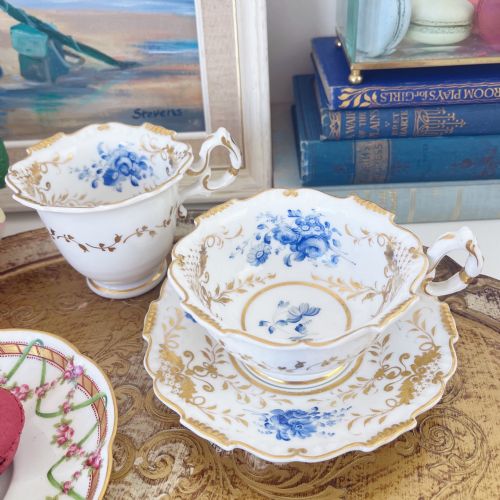
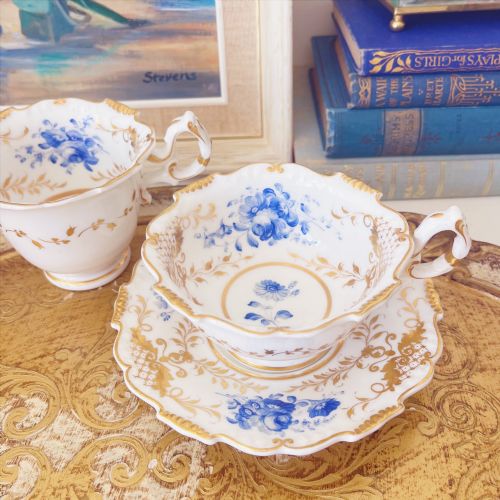
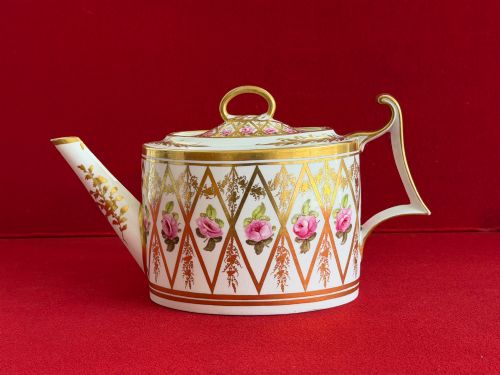
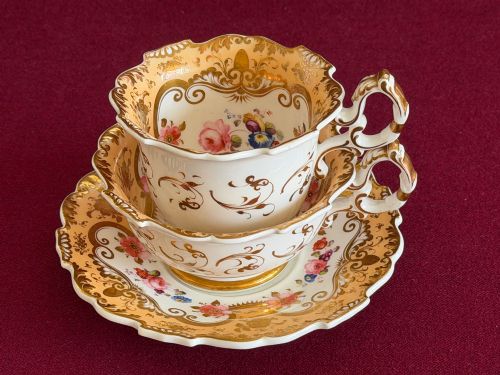
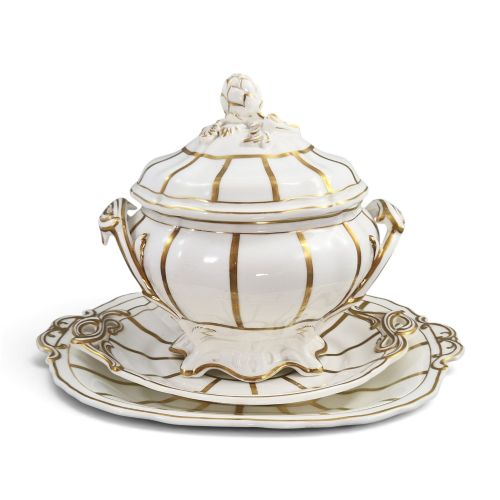
When you search for gilt bone china, you encounter decorative and utilitarian ceramics enriched with metallic embellishment across multiple periods. The selection spans tea wares, cabinet plates, and cabinet cups produced during the Georgian, Regency, Victorian, and Edwardian eras.
Most examples originate from prominent English manufactories utilising traditional forms like teacups, saucers, and tazzas. These items reflect stylistic shifts from classical Regency restraint to ornate Victorian and Edwardian aesthetics.
Materials and production
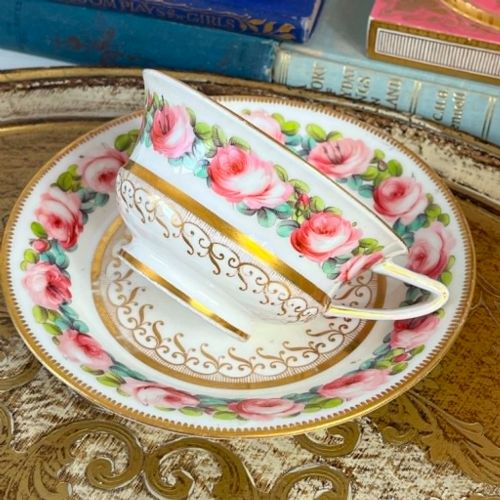
Potters formed objects using refined bone china and porcelain bodies, frequently shaping them into intricate vessels or flatware. Artisans applied handpainted details and polychrome enamels alongside rich gold leaf and gilding to accentuate the contours.
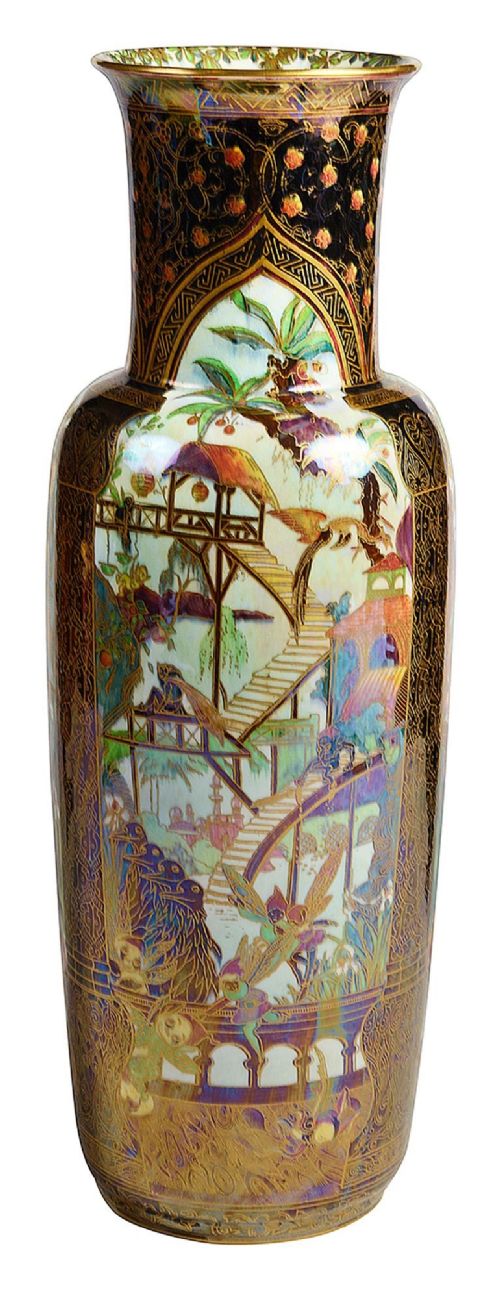
Makers fired these pieces multiple times to fuse the metallic lustre and enamel pigments into the ceramic glaze. Skilled hands executed detailed botanical, armorial, or landscape scenes before the final application of gold.
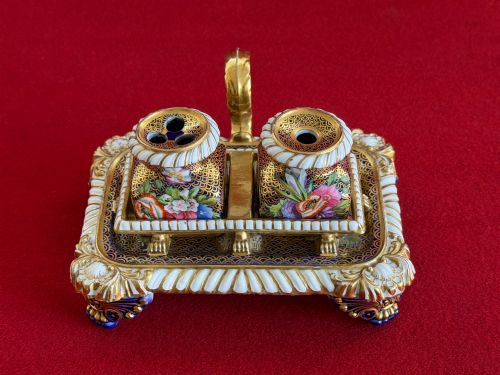
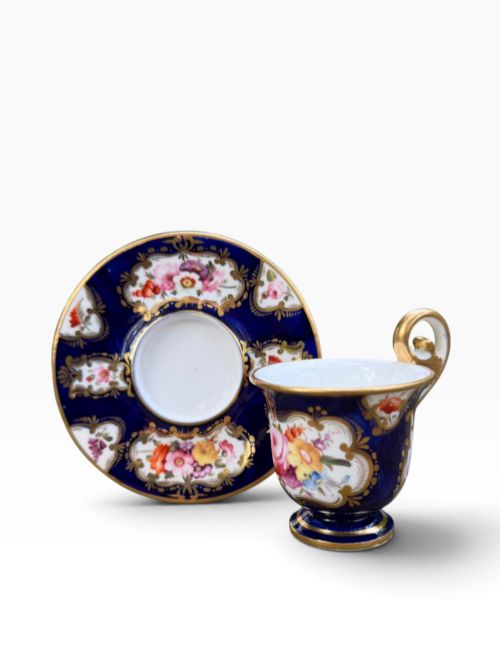
The documented forms range from cabinet plates and tazzas to teacups, saucers, and inkstands.
Distinctions in quality
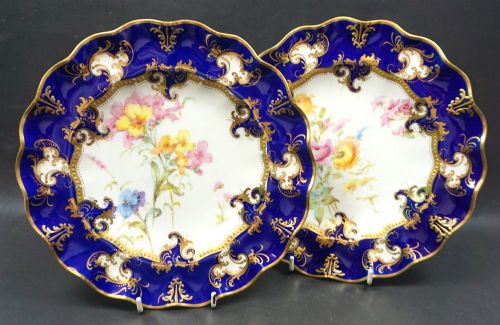
Quality rests upon the precision of the handpainted decoration and the weight of the applied gold leaf. Exemplary pieces display finely brushed botanical studies or intricate armorial crests rather than mechanical transfer printing.
The sophistication of the modelling, seen in pierced serving dishes or rococo scrolls, also separates standard production from superior artistic output. Maker attribution and documented patterns elevate the standing of individual pieces.
Royal Crown Derby·Coalport·H & R Daniel·Derby Porcelain·Davenport·Wedgwood·Spode·Royal Worcester·Ridgway·Minton·Royal Doulton·Copeland·Bloor Derby·Mintons·Cauldon Ltd
The Gilt Bone China Glossary
- Bone china
- A type of porcelain incorporating bone ash, known for its bright white body and translucent quality. This material provides a durable canvas for detailed painting and heavy gilding.
- Gilding
- The application of gold leaf or gold paint to ceramic surfaces for decorative effect. It defines the lustrous metallic borders and highlights seen on high-end tableware.
- Tazza
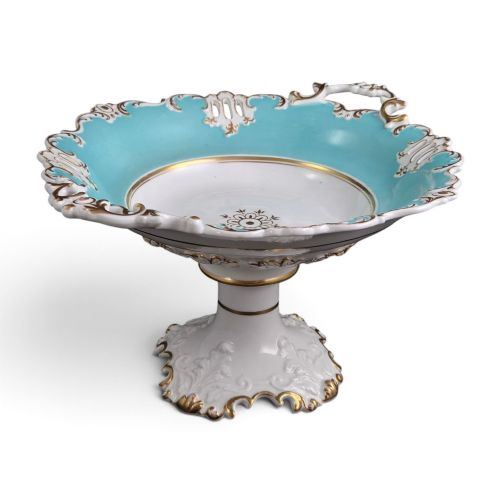
- A shallow ornamental bowl raised on a pedestal foot, used for serving fruit or sweets. These decorative vessels often feature elaborate gilt rims and handpainted scenes.
- Imari
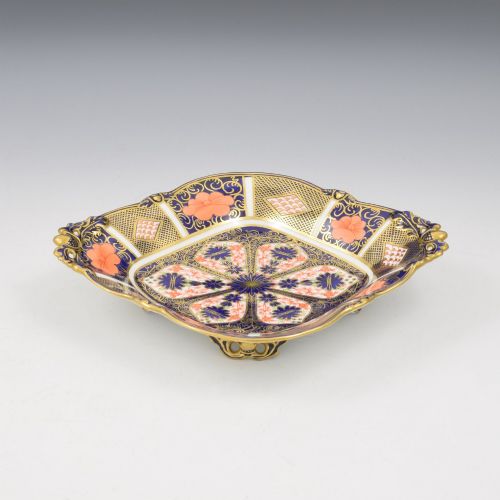
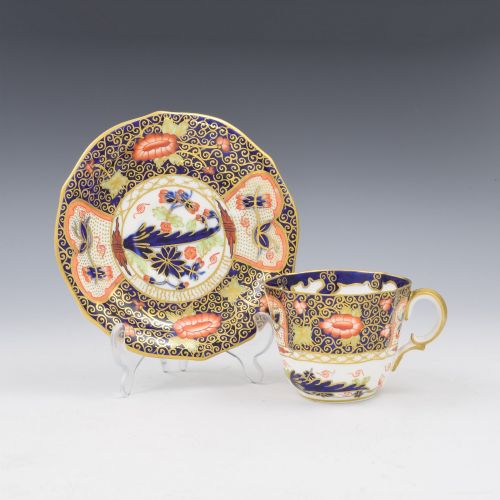
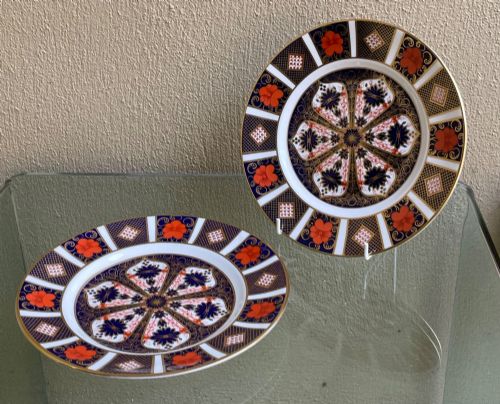
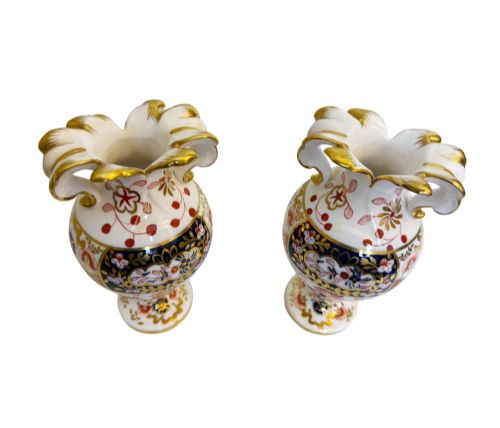
- A decorative style inspired by Japanese export wares, featuring cobalt blue, iron red, and abundant gold. English factories adopted this palette extensively for luxury services.
- Cabinet plate
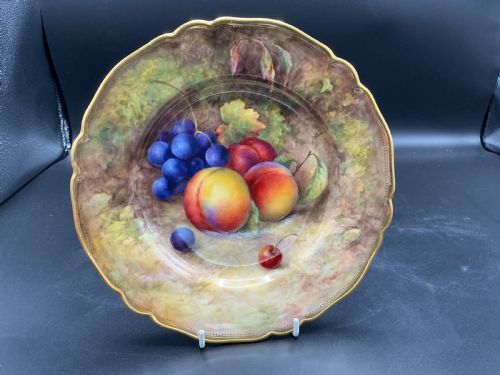
- A display plate intended for visual appreciation rather than dining use. These pieces frequently showcase elaborate painted landscapes, fruit, or armorial crests within gilt borders.
Gilt Bone China: Frequently Asked Questions
How do I care for gilt bone china?
Wash these pieces gently by hand using lukewarm water and a mild detergent to protect the delicate gold leaf. Avoid soaking them or placing them in modern dishwashers.
Dry each item thoroughly with a soft cloth to prevent water spots on the glazed and gilded surfaces. Store them carefully with padded dividers between plates to avoid scratching the gilding.
Were these items used daily?
Many tea wares and dinner services served wealthy households during formal dining occasions. Elaborately decorated items such as cabinet plates were often made solely for display.
Utilitarian vessels like teacups and teapots saw regular service in drawing rooms and parlours. Over time, surviving pieces transitioned from functional dining implements into collectible display objects.
How can I identify the period?
Look for factory marks, pattern numbers, and stylistic clues stamped or painted on the underside. Georgian and Regency pieces often feature simpler handpainted identifiers, while Victorian items show more standardised registry marks.
Stylistic shifts also provide strong chronological markers, moving from neoclassical Regency motifs to exuberant Victorian rococo revival forms. Comparing the painted palette against known factory production dates helps narrow the timeline further.
What is the difference between porcelain and bone china?
Bone china includes animal bone ash within the clay mixture, which yields a stronger and warmer white body. Traditional porcelain relies on petuntse and kaolin without bone ash.
Both materials accept handpainted enamels and gold gilding equally well. Bone china achieved widespread popularity among English makers for its superior translucency and strength.