


Antique Floral Teacup
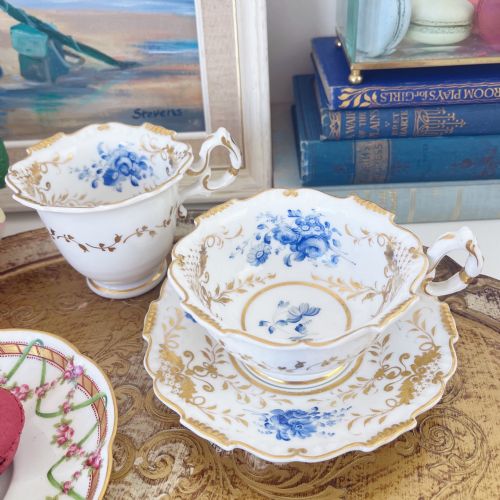
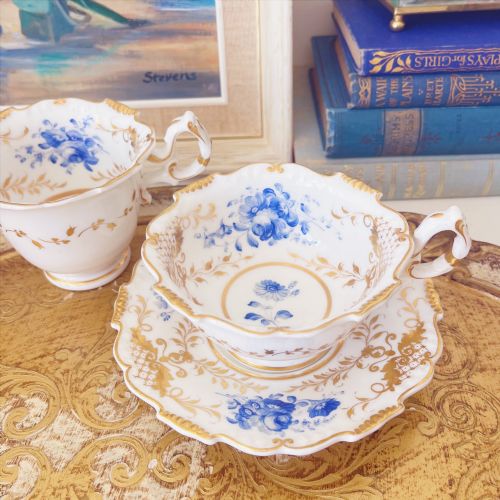
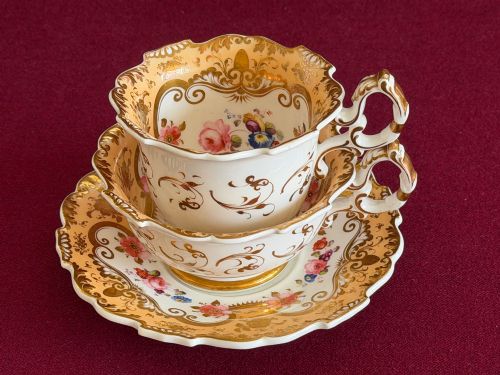
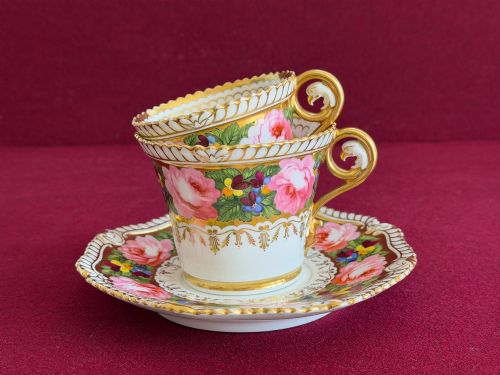
These antique floral teacup examples bring genuine Georgian and Imperial Russian refinement straight to your cabinet.
What these antique floral teacups are
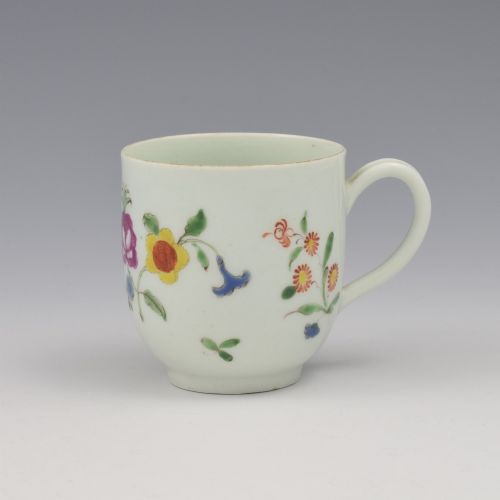
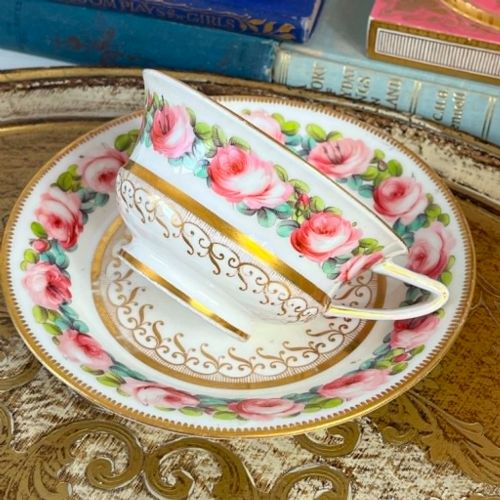
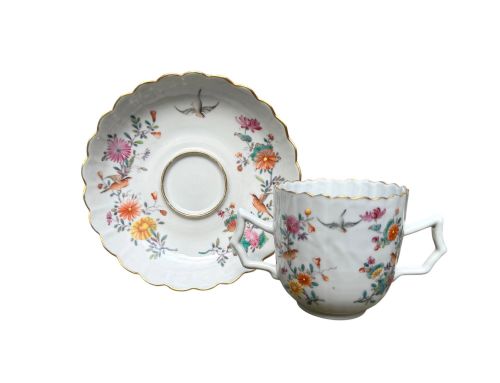
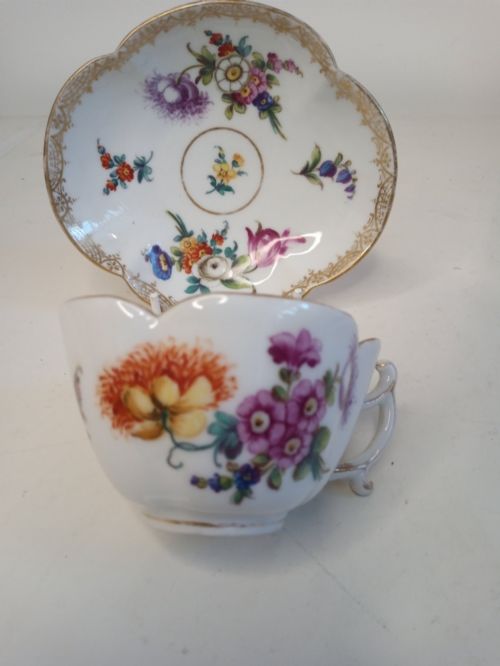
When you search for an antique floral teacup, you are looking at fragile ceramic vessels designed for refined social rituals. These pieces showcase delicate botanical painting combined with traditional porcelain forms.
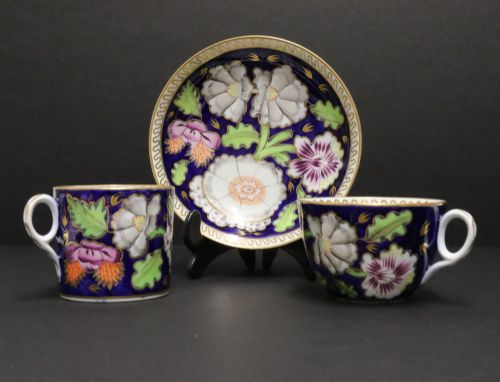
You are most likely to meet 18th-century English output and late-19th-century Russian factory production on this page. The forms include standard teacups, saucers, and occasional trios.
The aesthetic bridges domestic Georgian elegance and the grand scale of the Imperial Russian workshops. Each surviving item demonstrates the enduring appeal of hand-painted floral motifs on hard and soft paste ceramics.
How they were made
Makers utilised fine porcelain bodies shaped by hand or thrown on a wheel before initial firing. Artisans then applied polychrome enamel pigments directly to the glazed surface to build up the floral details.
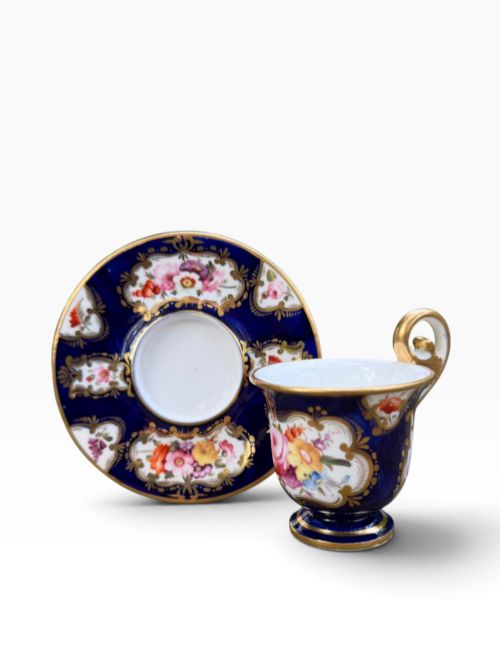
Gilding and gold leaf accents were hand-painted onto the rims and handles, requiring a secondary low-temperature kiln firing to bond the precious metal. This technique ensured the metallic lustre survived decades of gentle use.
Early porcelain makers occasionally miscalculated kiln temperatures, fusing saucers permanently to the floor and creating instant collector disasters.
What varies in quality
The refinement of the botanical brushwork separates standard factory output from exceptional workshop pieces. Superior examples display precise, naturalistic petal shading rather than repetitive stencilled outlines.
The purity of the white porcelain body and the weight of the applied gold leaf indicate the original maker's ambition. Thinner, more translucent walls and heavier, burnished gilding mark the upper tier of production.
Moscow Factory
The Antique Floral Teacup Glossary
- Enamel
- Opaque glass-based paint fused to the porcelain surface during firing. This technique provides the vibrant colours seen in the floral sprays.
- Gilding
- The application of gold leaf or powdered gold onto the ceramic. It highlights the rims and handles.
- Porcelain
- A ceramic material made by heating raw materials, generally including clay in the form of kaolin, in a kiln. It offers a smooth, non-porous finish.
- Trio
- A matched set consisting of a teacup, a coffee cup, and a saucer. These were standard service components in the eighteenth century.
Frequently Asked Questions
Are these antique floral teacups safe to use today?
These fragile porcelain pieces are best reserved for display rather than daily dining. Historic glazes and delicate gold leaf can degrade with modern washing.
Enjoy them as cabinet display items to preserve their painted surfaces and structural integrity.
How do I date an 18th-century teacup?
Dating relies on identifying the paste composition, handle shape, and factory marks hidden on the underside. Subtle shifts in porcelain translucency help experts place items within specific decades.
Comparing the floral painting style to documented factory patterns confirms the era.
What is the difference between English and Russian pieces?
English 18th-century wares tend toward delicate domestic refinement and understated floral sprays. Russian factory pieces from later decades often display bolder colour palettes and heavier gilding.
Both traditions maintain high standards of hand-painted ceramic artistry.
How should I display my teacup and saucer?
Display them securely in a dedicated cabinet away from direct sunlight to protect the enamel colours. Use stable stands that support the saucer while allowing the teacup to sit safely in front.
Keep the pieces at a stable room temperature to avoid thermal shock to the old ceramic.