


Antique Porcelain Trio
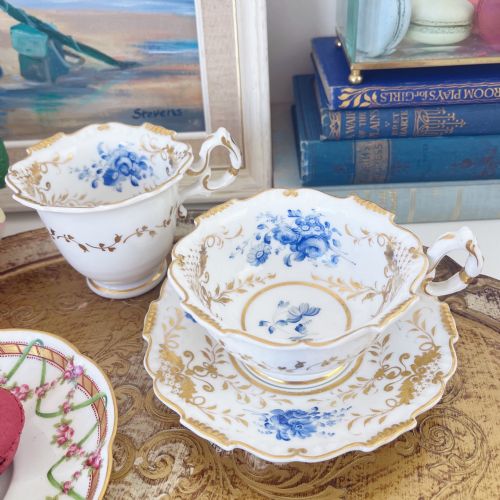
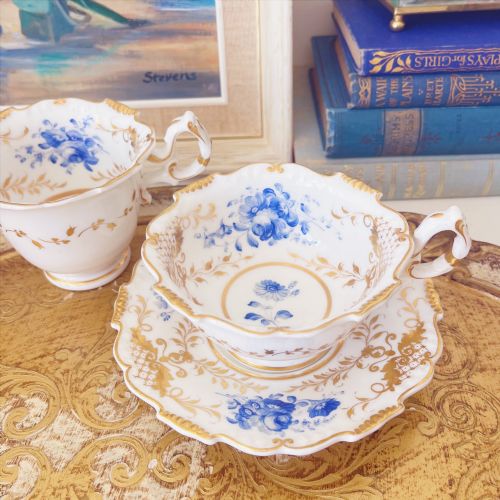
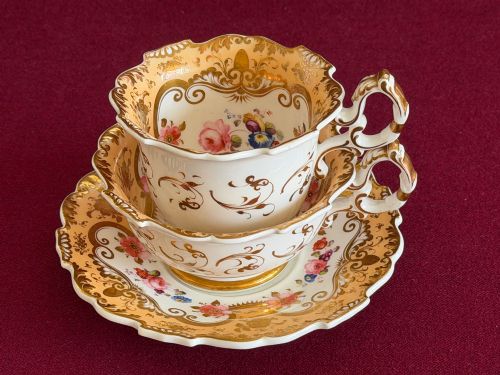
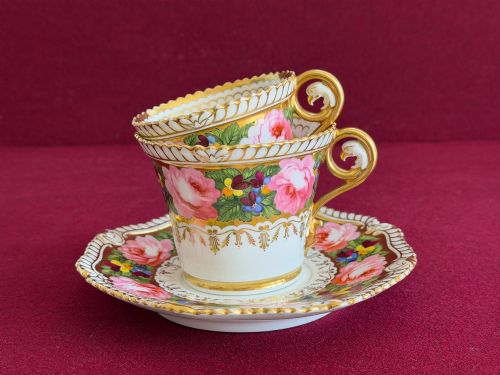
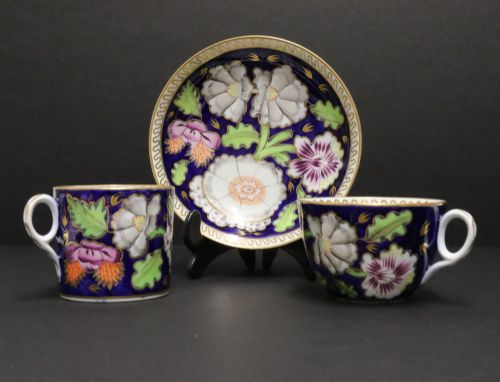
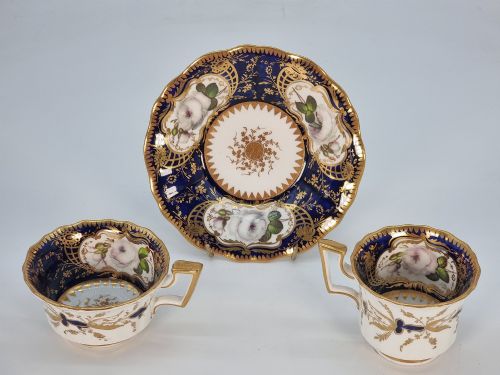
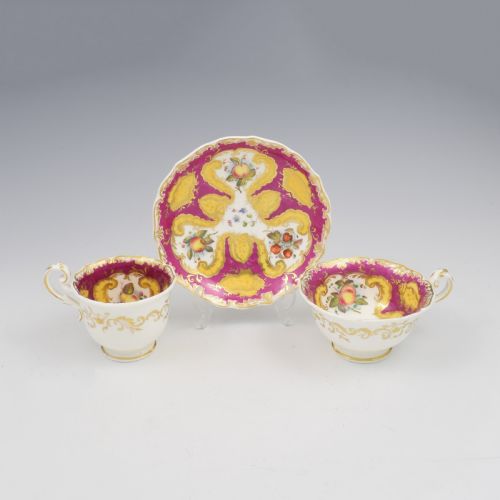
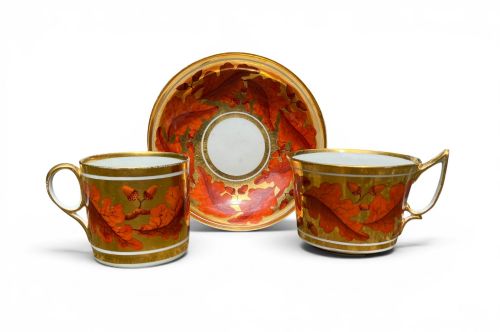
An antique porcelain trio brings three matching pieces together for tea, offering a complete set of teacup, saucer and side plate from earlier centuries.
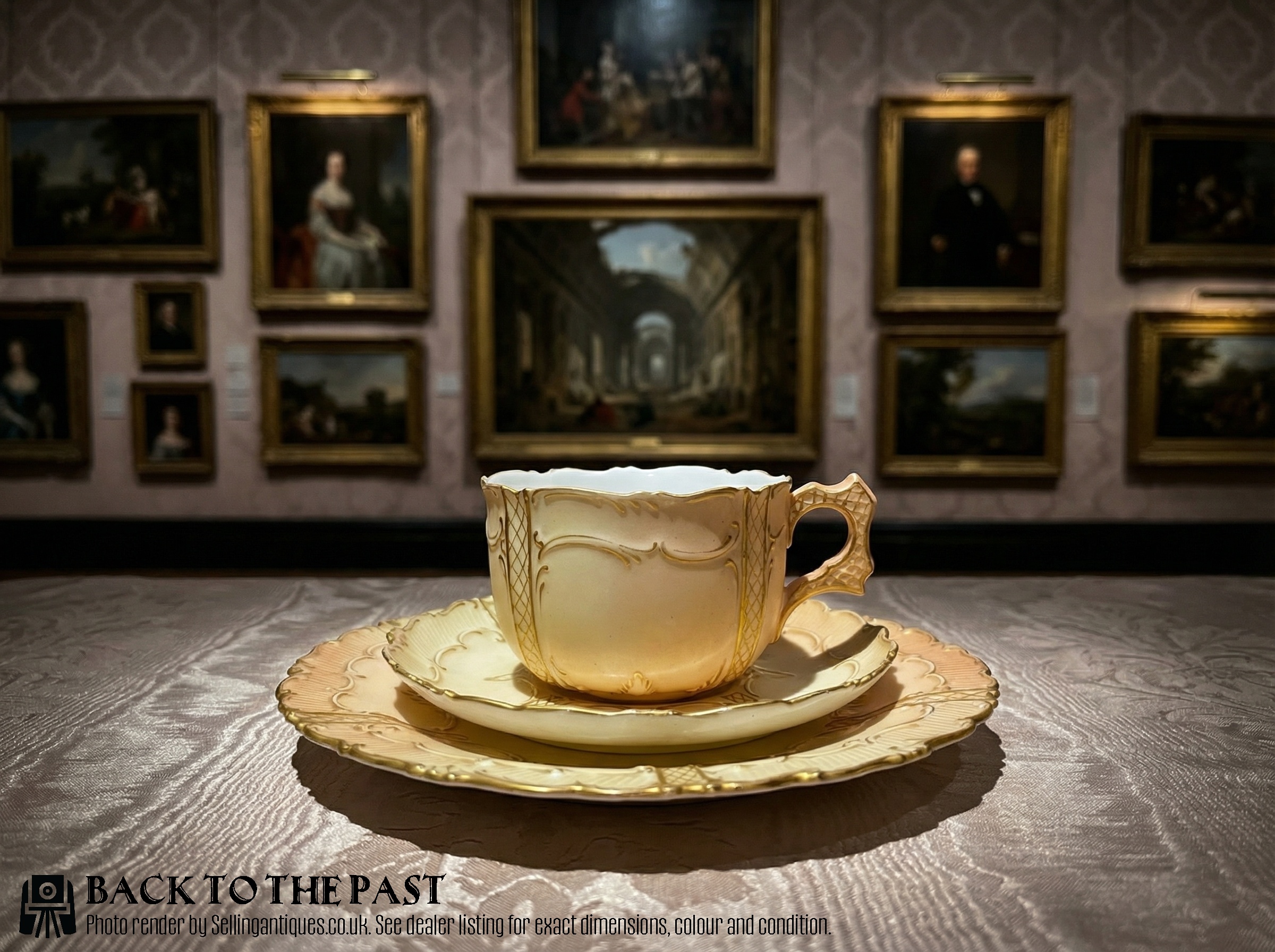
Understanding the antique porcelain trio
An antique porcelain trio gathers a teacup, saucer and matching plate into a single set for the tea table. These sets appear from both the eighteenth century and the Edwardian era, showing how domestic tea service evolved across different decades.
English production dominates these examples, featuring traditional forms intended for domestic use. Buyers encounter pieces spanning the Georgian period up to the early twentieth century.
The combination of three matching ceramic components defines this grouping. Collectors seek out these complete sets to understand historical tea drinking habits and table arrangements.
Materials and construction
Makers shaped these items from fine ceramic porcelain, forming the cups, saucers and plates by hand or in moulds. Artisans applied colourful enamel pigments and gold leaf details to decorate the surfaces.
Kiln firing set the hard paste or soft paste body before delicate gilding was added. Subsequent firing fixed the enamel decoration permanently onto the glaze.
Listings on this site feature porcelain items from the eighteenth century up to the Edwardian period.
Assessing quality and craftsmanship
Superior examples display precise hand painting and careful application of gold leaf rather than mechanical transfers. The finesse of the brushwork on floral or abstract motifs separates standard factory output from finer studio work.
The crispness of the porcelain moulding and the evenness of the glaze indicate the skill of the original pottery. Finer sets maintain intact gilding with minimal wear across all three matching pieces.
Worcester·Royal Worcester·Coalport
The Antique Porcelain Trio Glossary
- Trio
- A matched set of three pieces comprising a teacup, a saucer and a tea plate. This combination became popular for formal afternoon tea service.
- Porcelain
- A white ceramic material fired at high temperatures to create a vitrified, translucent body. It forms the base for all these teaware sets.
- Gilding
- The application of gold leaf or gold paint to highlight rims, handles and decorative borders. Skilled artisans burnished this metal to create a bright finish.
- Enamel
- Opaque coloured glass fused to the ceramic surface during firing. It provides the vibrant hues found in floral and geometric painted designs.
- Flight Period
- A specific era of Worcester porcelain production associated with the Flight partnership. Pieces from this time carry distinct factory marks.
Frequently Asked Questions
What is an antique porcelain trio?
An antique porcelain trio is a matched set consisting of a teacup, a saucer and a side plate. These three items were designed to be used together for serving tea and light food.
Such sets survive from periods like the eighteenth century and the Edwardian era. They demonstrate historical ceramic decoration and table service customs.
How were these tea sets used?
These sets were utilised in domestic homes for formal and informal tea drinking. The cup held the hot beverage, the saucer caught drips, and the plate held small cakes or biscuits.
Wealthy households displayed them during afternoon tea gatherings. They formed an essential part of polite social interaction.
How do I care for antique porcelain?
Wash antique porcelain by hand using warm water and mild soap, avoiding modern dishwashers entirely. The chemical detergents and rough cycles can damage delicate enamel and gold leaf.
Store the pieces securely on stable shelves with adequate spacing. Cushioning between stacked plates prevents scratching the glazed surfaces.
How do I identify eighteenth century pieces?
Examine the base of the porcelain for factory marks, hand-painted ciphers, or underglaze blue stamps. Eighteenth-century ceramics often exhibit soft paste bodies with subtle imperfections from early kiln techniques.
Compare the painting style and handle shapes with documented examples from factories like Worcester. Expert reference books assist in matching marks to specific production years.