
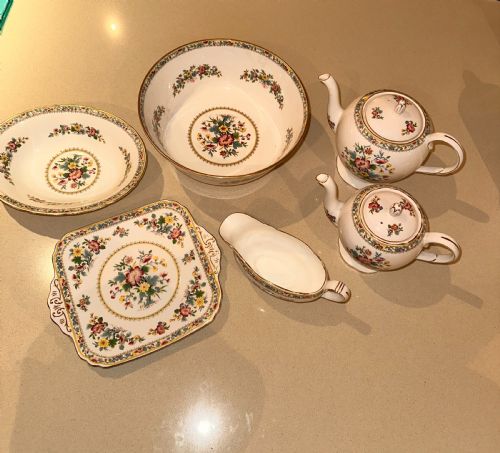


Gilt Porcelain Tea Bowl
A gilt porcelain tea bowl is a delicate historical vessel that brings refined ornamentation and tactile history to a table setting.
Gilt Porcelain Tea Bowl
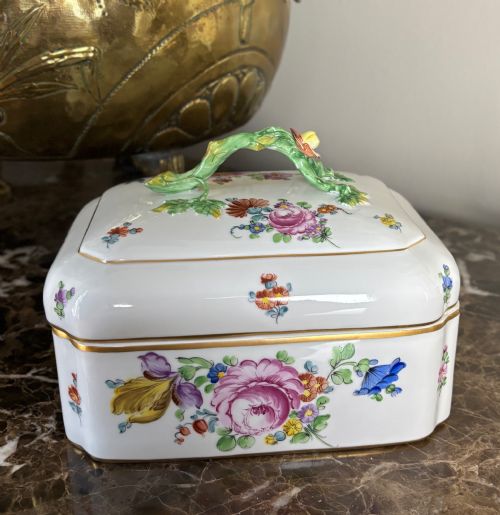
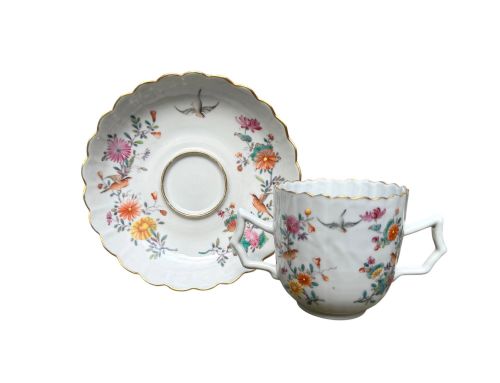
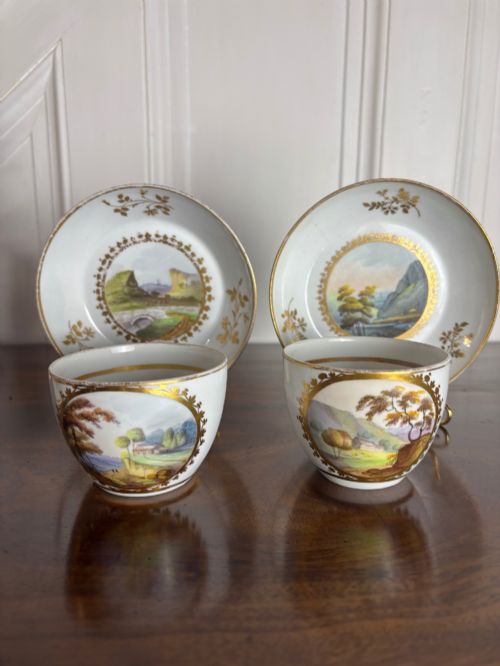
When you search for a gilt porcelain tea bowl, you encounter small ceramic vessels designed for drinking tea, frequently accompanied by matched saucers or formed as part of larger tea services and trios. The selections span the eighteenth century, the regency era, and the nineteenth century, encompassing English factories, continental European makers, and Asian export wares.
The versions most commonly met on this page include eighteenth-century English and Chinese export examples, alongside nineteenth-century pieces from prominent porcelain houses. These objects range from simple fluted tea bowls with gilt flowers to elaborate sets decorated with enamels and extensive gilding.
How they were made
These pieces are constructed from porcelain, bone china, felspar porcelain, and earthenware, shaped and fired in kilns before receiving hand-painted enamel decoration. Artisans applied gold leaf and liquid gilding by hand to rims, handles, and intricate motifs.
Techniques such as blue scale grounds, spiral fluting, and detailed landscape painting were employed by skilled decorators working in established factories and workshops.
Tea bowls were historically designed without handles, forcing drinkers to master the delicate art of cradling hot porcelain without spilling.
What varies in quality
The distinction between tiers of quality rests upon the fineness of the ceramic body and the precision of the hand-painting. Superior examples display crisp, intricate enamel work and heavily burnished gold leaf applied by master hands.
Lesser variations show simpler transfer-printed elements or worn gilding where extensive handling has diminished the original lustre of the surface.
Chamberlains Worcester·Royal Crown Derby·Flight Barr And Barr·Ahrenfeldt And Asalvary·Royal Davenport
The Gilt Porcelain Tea Bowl Glossary
- Tea bowl
- A small drinking vessel for tea, made without a handle in the manner of early imported Chinese cups. They require two hands to hold when the contents are hot.
- Sucrier
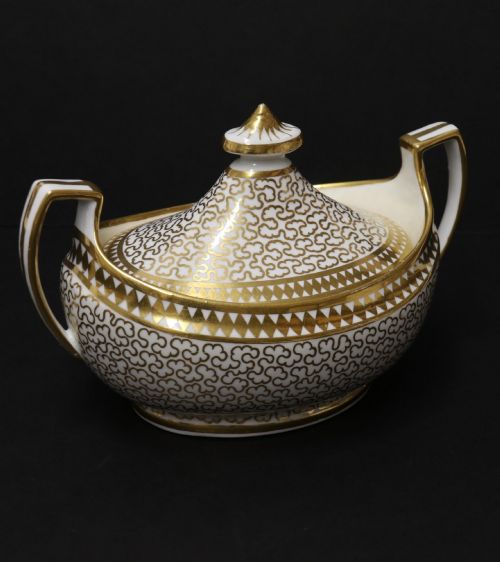
- A covered sugar bowl designed to match a tea service or tea bowl set. These vessels often feature twin handles and a domed lid.
- Gilding
- The application of gold leaf or gold paint to ceramic surfaces for ornamentation. Burnishing brings this metallic layer to a bright shine.
- Imari
- A style of ceramic decoration characterised by contrasting underglaze blue and iron red, frequently enriched with extensive gilding. This aesthetic was widely imitated by European factories.
- Famille rose
- A palette of opaque enamel colours dominated by pink, introduced to Chinese porcelain production in the eighteenth century.
Gilt Porcelain Tea Bowl: Frequently Asked Questions
What is a gilt porcelain tea bowl?
A gilt porcelain tea bowl is a handleless drinking cup made from ceramic materials and decorated with gold leaf or metallic paint. These vessels formed part of tea drinking customs during the eighteenth and nineteenth centuries.
They appear in various styles ranging from Chinese export wares to traditional English factory productions.
How were tea bowls used historically?
Tea bowls were held in both hands to drink brewed tea before handled teacups became standard in European dining. They were often paired with matching saucers and served alongside larger teapots and sucriers.
In wealthier households, they formed part of expansive tea services used during social gatherings.
How do I care for antique tea bowls?
Antique tea bowls require gentle hand washing in lukewarm water using mild soap to preserve the delicate enamel painting and gold leaf. Dishwashers and abrasive sponges will damage the historical surfaces.
Store them securely on stable shelves away from direct sunlight to protect the colours.
How can I tell the period of a piece?
Dating relies on identifying factory marks, ceramic body composition, and decorative styles such as rococo revival or regency motifs. Eighteenth-century pieces often feature distinct paste variations and hand-painted Chinese or European scenes.
Comparing pieces against documented factory patterns helps establish an accurate timeframe.