


Qianlong Export Porcelain Bowl
A qianlong export porcelain bowl is hard-paste ceramic made for Western markets, prized for its intricate palette and durability.
Qianlong Export Porcelain Bowl
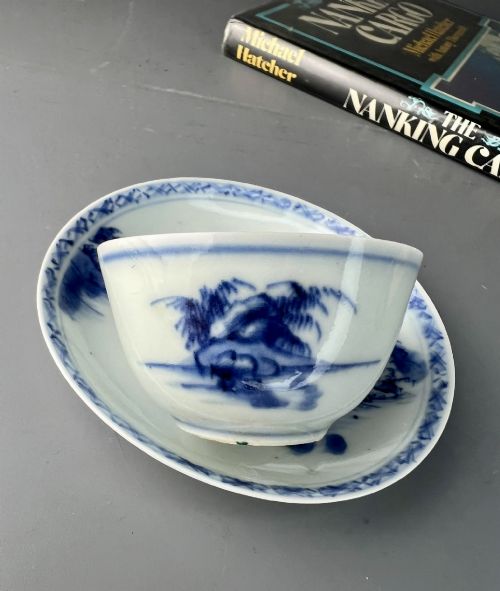
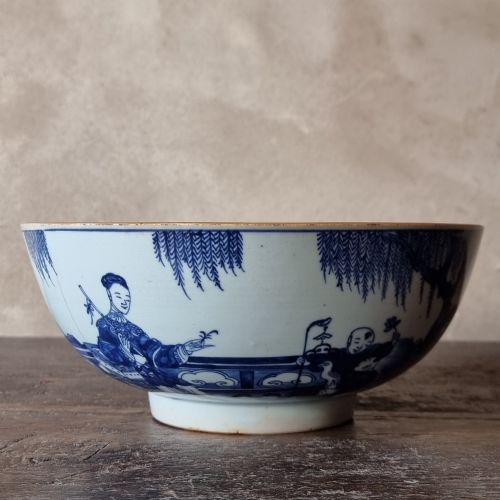
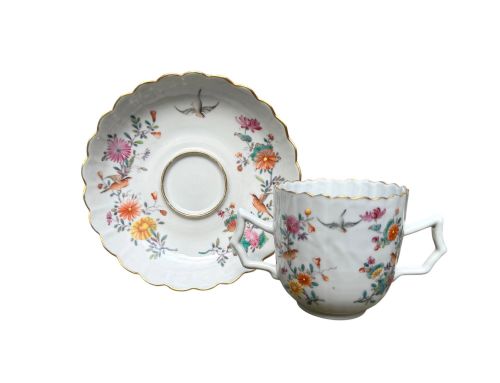
A qianlong export porcelain bowl forms part of a tradition of Chinese ceramics made specifically for international trade during the eighteenth century. These vessels range from domestic tea bowls and saucers to large punch bowls meant for communal hospitality.
The objects seen here reflect the aesthetic tastes of the Qing Dynasty under the Qianlong reign, spanning from seventeen thirty-six to seventeen ninety-five. Many pieces feature classic forms decorated for European and American households.
Buyers will encounter various vessel types associated with this search phrase, including punch bowls, tea bowls, and decorative bowls. Each piece carries the distinct stylistic markers of Chinese export porcelain produced during the eighteenth century.
How they were made
Potters constructed these objects using hard-paste porcelain, fired at high temperatures to achieve a dense, vitrified body. This sturdy material allowed artisans to shape both delicate teacups and large punch bowls without losing structural integrity.
Decorators applied cobalt glaze under the glaze for blue and white designs, alongside overglaze enamel and gold gilt for polychrome scenes. Famille rose palettes and gold leaf details were layered on top before a final fixing fire.
Listings under this search phrase span the eighteenth century, featuring materials such as gold leaf, cobalt glaze, and overglaze enamel on hard-paste porcelain.
What varies in quality
The distinction between ordinary and superior pieces rests on the precision of the hand-painted enamel work and the complexity of the scene. Mandarin palette designs with intricate figures require greater skill than simpler geometric or floral borders.
The presence of supplementary techniques such as crackle glazing, pierced work, or extensive gold leaf application elevates a piece. Better examples maintain crisp outlines and vibrant enamels without fading or misalignment across the porcelain surface.
The Qianlong Export Porcelain Bowl Glossary
- Hard-paste porcelain
- A dense, vitrified ceramic composed of petuntse and kaolin, fired at high temperatures. This material forms the durable body of eighteenth-century export vessels.
- Famille rose
- A polychrome enamel palette introduced in the eighteenth century, dominated by opaque pink or purple enamels. It allows for subtle shading in floral and figural motifs.
- Mandarin palette
- A style of Chinese export porcelain decoration featuring complex narrative scenes with figures in courtyard or garden settings. These scenes often appear within detailed borders.
- Overglaze enamel
- Pigments applied to the already-fired and glazed porcelain surface, requiring a secondary low-temperature kiln firing to bond with the glaze. This technique permits a wide range of bright colours.
- Cobalt glaze
- A blue mineral pigment applied directly to the unbaked porcelain body beneath the clear glaze. It produces the characteristic deep blue tones seen in traditional underglaze decoration.
Qianlong Export Porcelain Bowl: Frequently Asked Questions
What is a Qianlong export bowl?
A Qianlong export bowl is a ceramic vessel made in China during the eighteenth-century reign of the Qianlong Emperor for buyers abroad. These pieces combined traditional Chinese potting techniques with decorative styles tailored for Western dining and display.
They encompass everything from small tea bowls to large punch bowls intended for social gatherings.
How do I date these bowls?
Dating relies on stylistic evidence such as the palette, reign marks, and export characteristics associated with the Qing Dynasty. Eighteenth-century pieces often display specific enamel combinations like the famille rose or Mandarin palette.
Comparing the form and decorative motifs to documented pieces helps narrow the production period within the seventeen thirty-six to seventeen ninety-five window.
How were punch bowls used?
Punch bowls served as central vessels for mixing and serving alcoholic punches during large gatherings in eighteenth-century homes. Their generous size allowed guests to ladle drinks directly from the communal bowl.
These pieces held a prominent place on the table during social events and formal dinners.
Can I use these bowls daily?
These eighteenth-century ceramics require careful handling due to their age and delicate overglaze enamels. Most owners choose to display them rather than subject them to modern dishwasher use or heavy daily wear.
Gentle hand washing in lukewarm water without harsh detergents preserves the gold leaf and enamel details.