


Chinese Porcelain Cup
A chinese porcelain cup brings delicate hand-painted artistry to the table, combining centuries-old craftsmanship with enduring decorative appeal.
Chinese Porcelain Cup
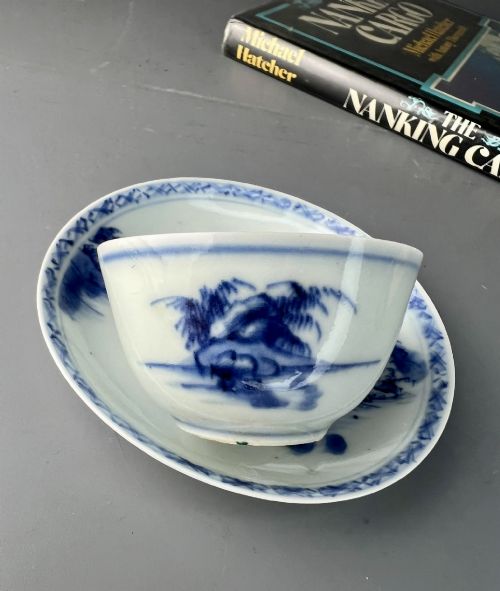
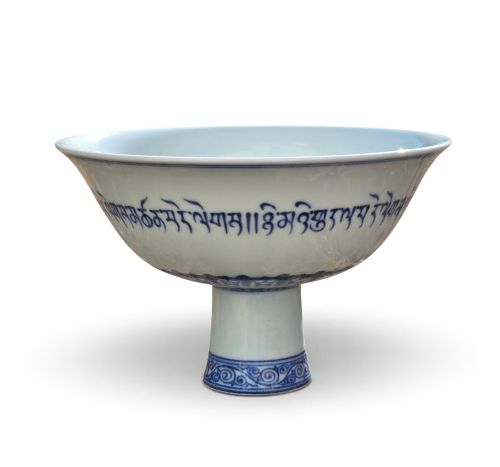
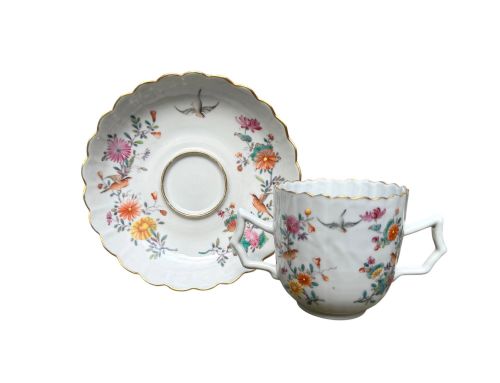
When exploring a chinese porcelain cup, buyers encounter diverse forms ranging from tea bowls and stem cups to coffee cups and mugs. These pieces span the eighteenth and nineteenth centuries, reflecting rich periods of production including the Qianlong reign.
How They Were Made
Potters utilised hard-paste porcelain and soft-paste porcelain as the primary bases for these vessels, shaping them carefully on the wheel or in moulds. Cobalt underglaze was applied before firing to create deep blue designs.
Enamel, gold leaf, and gold gilt decorations were subsequently added over the glaze to introduce vibrant colour palettes like famille rose and famille verte. Pieces were then fired again to permanently bond the surface details.
Some eighteenth-century tea bowls feature lively acrobatics and circus designs alongside traditional mandarin figures.
What Varies in Quality
The refinement of the painted details dictates much of the visual distinction across these pieces, with intricate figural scenes and precise botanical motifs demanding exceptional brushwork. The clarity and purity of the glaze also separate standard examples from finer creations.
Execution of underglaze blue work and the application of gold leaf or enamel accents indicate the level of skill involved in production. Well-preserved specimens retain their original pigment vibrancy and structural integrity without heavy restoration.
The Chinese Porcelain Cup Glossary
- Cobalt underglaze
- A blue pigment applied directly to the ceramic body before the glaze is applied and fired at high temperatures. This technique ensures the colour remains permanently sealed beneath the glossy surface.
- Famille rose
- A prominent palette of opaque pink and rose enamels introduced during the Qing dynasty. It allowed artists to render soft tonal gradations on figures and floral subjects.
- Celadon-ground
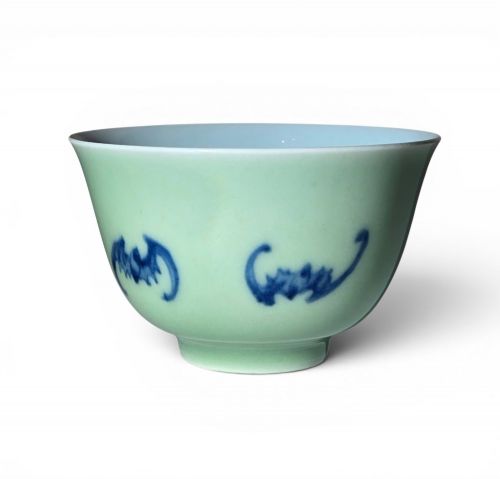
- A pale green jade-like glaze applied across the exterior of the porcelain. It provides a subtle, uniform background that highlights carved or painted designs.
- Tea bowl
- A handleless drinking vessel designed for consuming tea. These forms often accompany matching saucers in eighteenth and nineteenth-century sets.
- Stem cup
- A vessel elevated on a tall, slender foot ring. This distinct form originates from ancient metalwork traditions translated into porcelain.
Chinese Porcelain Cup: Frequently Asked Questions
How do I date a chinese porcelain cup?
Dating relies on stylistic markers, reign marks, and the specific material composition seen in the glaze and body. Comparing the hand-painted motifs against documented pieces from periods like the Qianlong reign helps establish an approximate timeframe.
Changes in palette preferences, such as the emergence of famille rose enamels or earlier cobalt underglaze styles, offer further clues for chronological placement.
Were these cups used for daily tea drinking?
Many tea bowls and cups served practical functions in elite households for social tea consumption. Certain forms, such as delicate stem cups or finely decorated export items, likely held ornamental roles or formed part of larger display sets.
Over time, handling patterns and subtle wear reflected their active use within domestic settings across different cultures.
What is the difference between export and imperial wares?
Export pieces were specifically manufactured for international markets, often incorporating European tastes alongside traditional Chinese forms. Imperial wares were produced under direct court supervision for use within the palace.
Imperial items typically exhibit higher levels of refinement and specific reign marks denoting the ruling emperor.
How should I care for antique porcelain?
Antique porcelain requires gentle handling and manual cleaning with lukewarm water and mild soap when necessary. Avoiding abrasive materials protects fragile enamel and gold gilt details from accidental damage.
Displaying pieces away from direct sunlight and temperature fluctuations preserves the stability of the glaze and body over time.