





Blue Red Porcelain Bowl
A blue red porcelain bowl brings rich palette and historic craft straight to your table.

What these pieces are
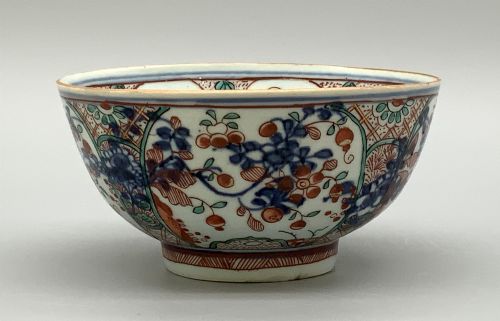
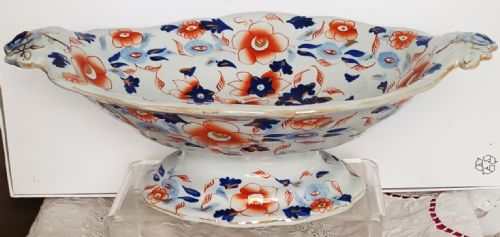
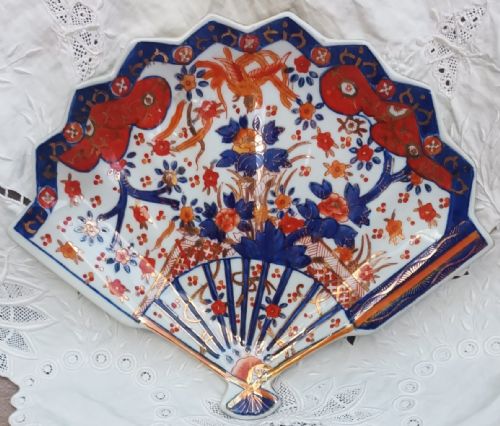
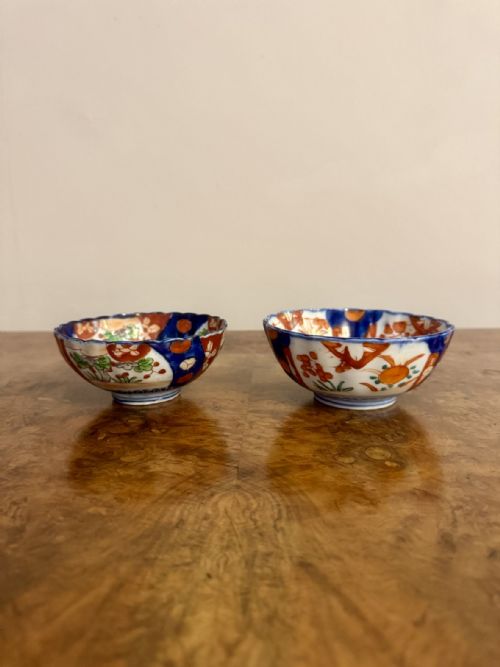
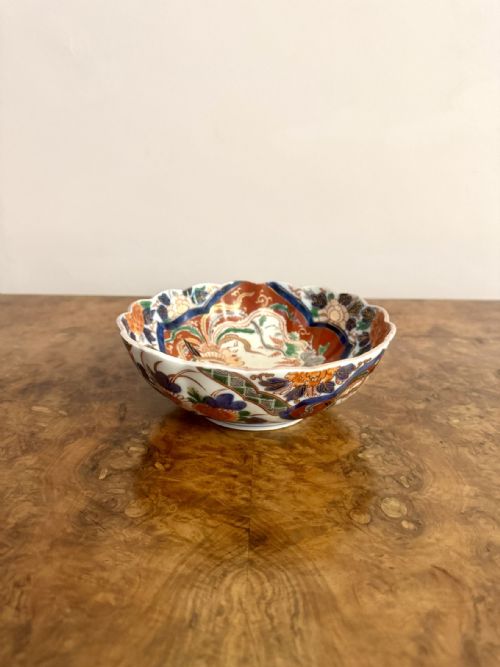
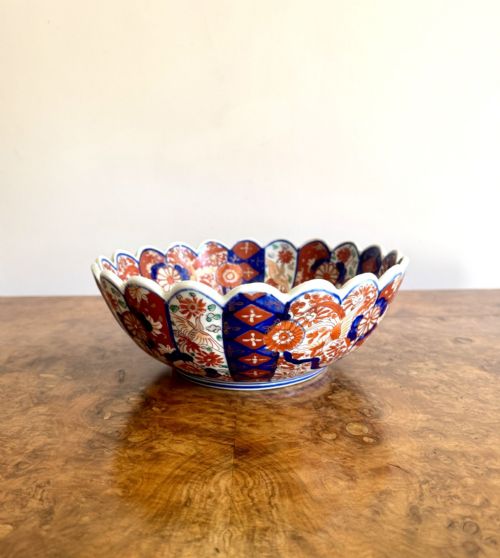
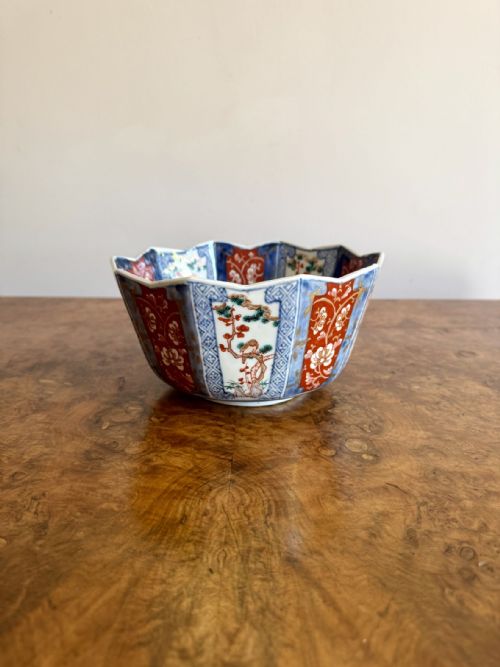
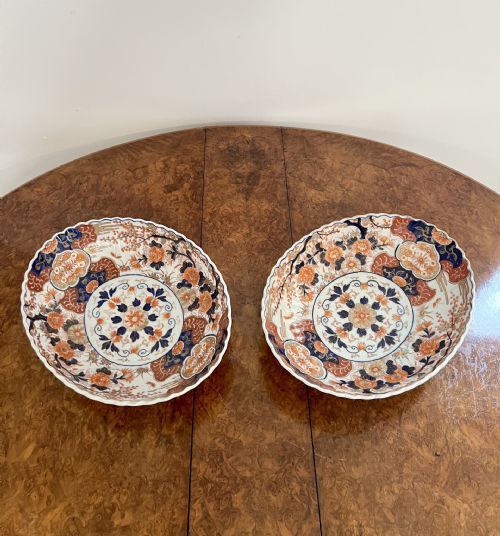
When you search for a blue red porcelain bowl, you are looking at vibrant vessels shaped by centuries of Asian and European trade. The listings here showcase decorative bowls, tea bowls, and shallow chargers spanning from the seventeenth century through the twentieth century.
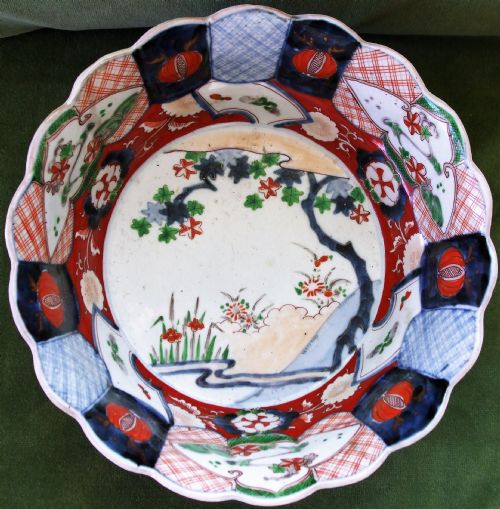
You will most frequently encounter Japanese Imari pieces from the Meiji period and early twentieth century alongside Chinese export wares. These objects combine striking cobalt underglazes with contrasting iron red pigments and gilt highlights.
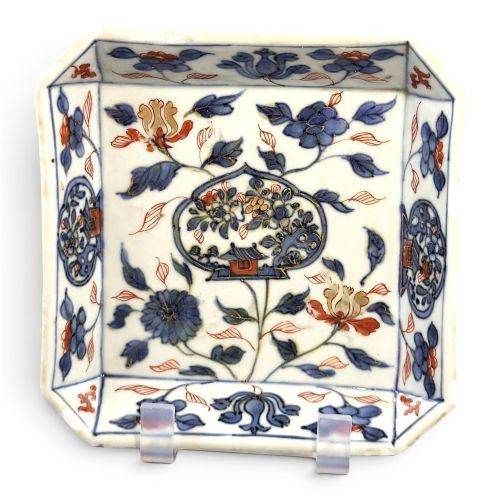
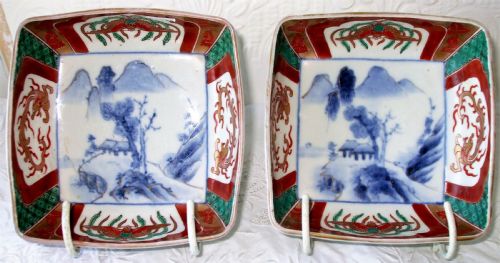
The forms range from scalloped and chamfered square shapes to traditional round vessels. Each piece reflects the enduring aesthetic exchange between Eastern kilns and Western collectors.
How they were made
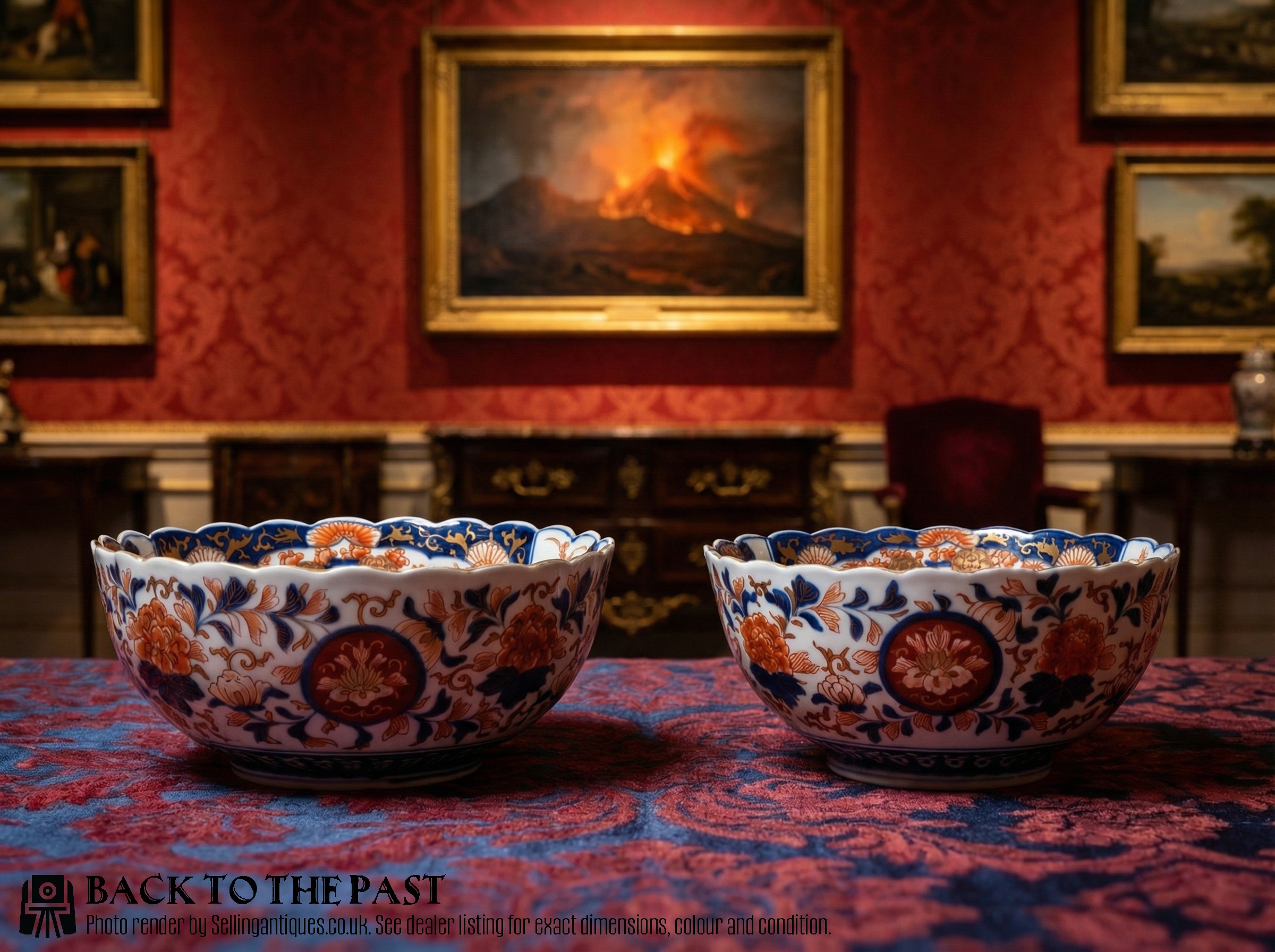
Potters shaped fine porcelain clay before applying cobalt blue pigments under the glaze, followed by secondary overglaze enamels in iron red and gold leaf or gilt details. The pieces underwent multiple firings to fix the rich colours and metallic accents securely to the hard paste surface.
Specialised workshops employed detailed brushwork to create intricate floral and geometric motifs across the porcelain body. Artisans often added gilt edges and highlights to enhance the contrast between the deep blue and vibrant red tones.
Retail Price Guide 2026
Typical UK retail prices for blue red porcelain bowl, calculated from the Sellingantiques database of over a million retail prices indexed since 2003. This retail price guide relies exclusively on Sellingantiques data; no external sources or auction records are used, so the figures do not describe the wider market.
Some nineteenth-century bowls wear their travel history proudly through gentle enamel wear from centuries of affectionate polishing.
What varies in quality
The distinction between standard decorative wares and finer examples lies in the crispness of the brushwork and the precision of the enamel application. Superior pieces display deep, uniform cobalt tones paired with richly layered iron red and well-preserved gold gilt highlights.
Form and edge finishing also determine the character of each bowl, with complex shapes such as scalloped rims and chamfered squares demanding greater skill from the potter. The clarity of the porcelain body and the stability of the glaze beneath the overglaze decoration complete the assessment.

The Blue Red Porcelain Bowl Glossary
- Imari
- A style of Japanese porcelain featuring a distinct palette of underglaze blue, iron red, and gold. This ware was widely exported to Europe from the port of Imari.
- Underglaze
- Pigment applied directly to the unfired porcelain body before the transparent glaze coating is applied. This technique protects the blue colour beneath a glassy seal during high-temperature firing.
- Enamel
- Coloured glass paste applied over the fired glaze and fixed at a lower temperature. It provides the vivid red tones seen on these decorative bowls.
- Gilt
- A thin layer of gold applied to the surface of the porcelain as leaf or paint. It accents the rims and patterns of the bowl.
- Chamfered
- Having a symmetrical sloping edge cut at an angle of forty-five degrees. This geometric moulding appears on specific square bowls.
Frequently Asked Questions
What is a blue red porcelain bowl?
These vessels are decorative and utilitarian porcelain objects decorated in contrasting cobalt blue and iron red pigments, often enhanced with gold gilt. They originate primarily from Japanese Imari kilns and Chinese export workshops.
Collectors prize them for their bold palettes and the historical trade routes that brought them to Western homes.
How were these bowls used historically?
Historically, many of these vessels served as tea bowls, dining ware, or prominent display pieces in European and Asian households. Larger chargers and bowls held food or acted as centrepieces on dining tables.
Over time, owners increasingly transitioned them into cabinet display pieces to showcase their intricate enamel patterns.
How do I live with antique porcelain bowls?
Living with these pieces involves placing them on stable surfaces away from high-traffic areas to protect their delicate overglaze enamels. Gentle dusting with a soft, dry cloth keeps the surfaces clean.
Hand washing in lukewarm water with mild soap is necessary if cleaning is required, avoiding dishwashers entirely to protect the gold leaf.
How can I tell different periods apart?
Distinguishing periods relies on observing the weight of the porcelain, the hue of the cobalt blue, and the complexity of the iron red and gilt decoration. Earlier seventeenth and eighteenth-century pieces often display distinct potting characteristics compared to Meiji period or early twentieth-century examples.
Examining the foot ring and the style of the brushwork provides further clues to the date of manufacture.