






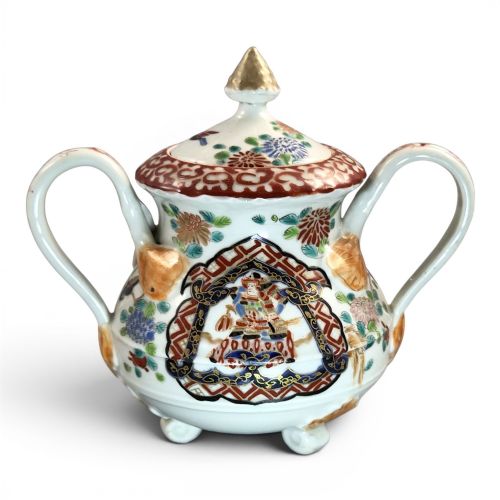

Japanese Imari Bowl
A Japanese imari bowl brings rich iron-red, cobalt blue and gold decoration to a room, offering a focal point rooted in centuries of ceramic tradition.
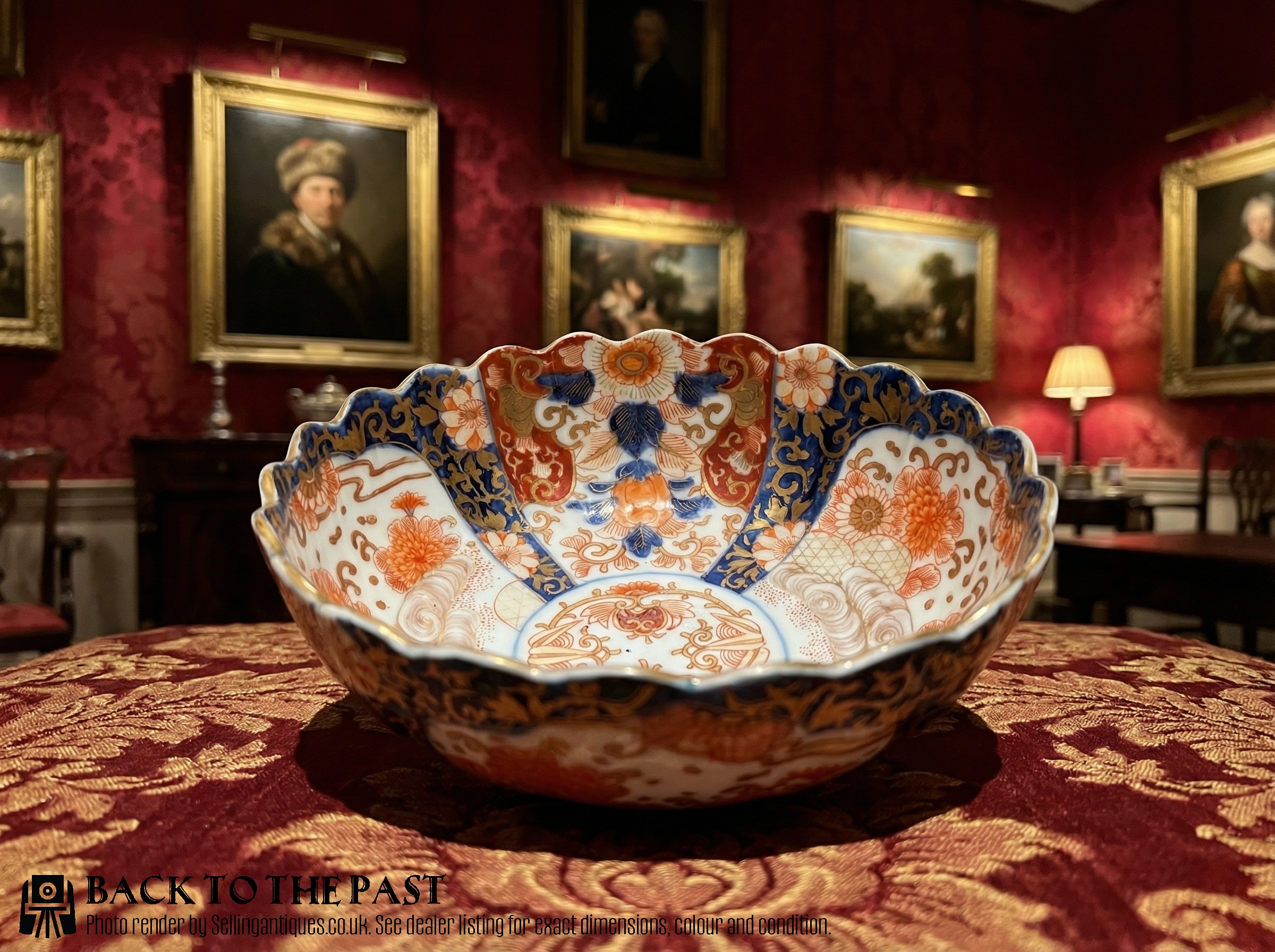
Japanese Imari Bowl
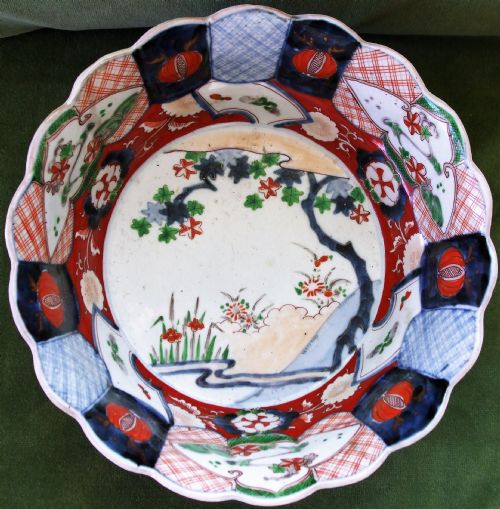
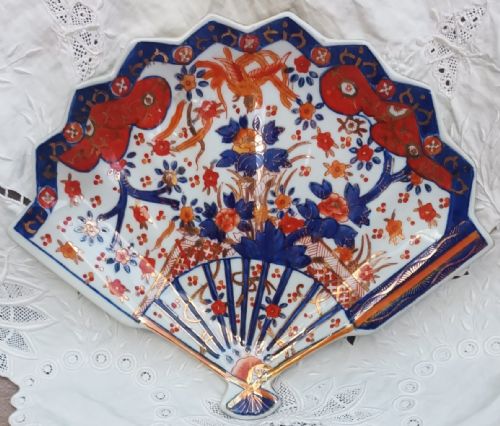
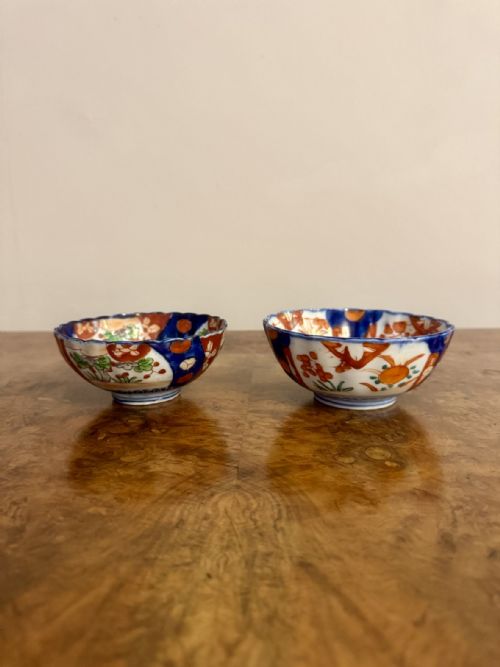
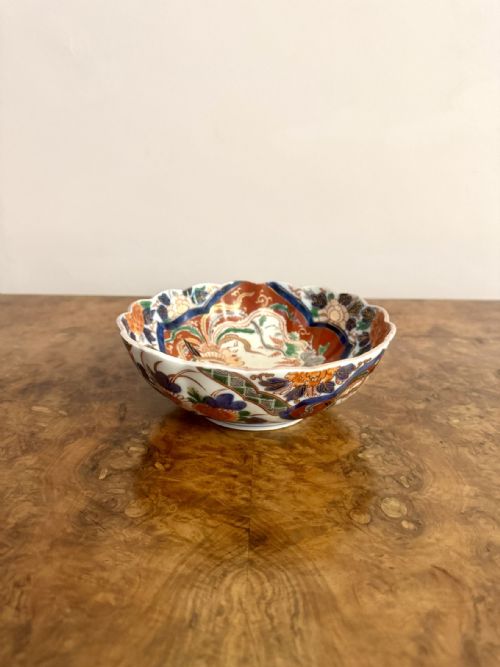
When you search for a japanese imari bowl, you encounter vessels shaped from porcelain that bridge domestic utility and decorative display. The pieces span centuries, appearing as deep display bowls, shallow dishes, sugar containers, and large jardinieres.
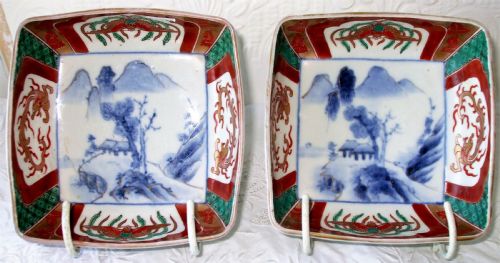
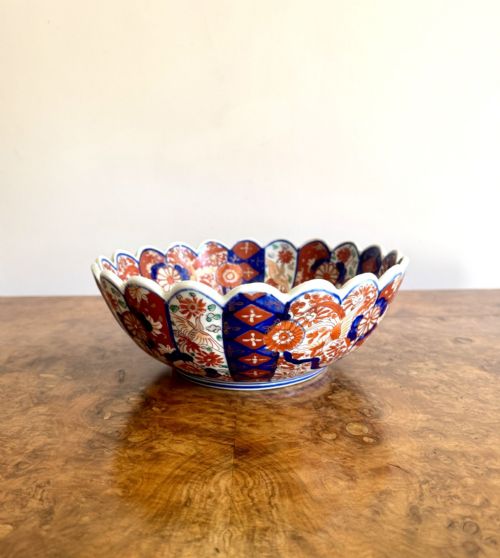
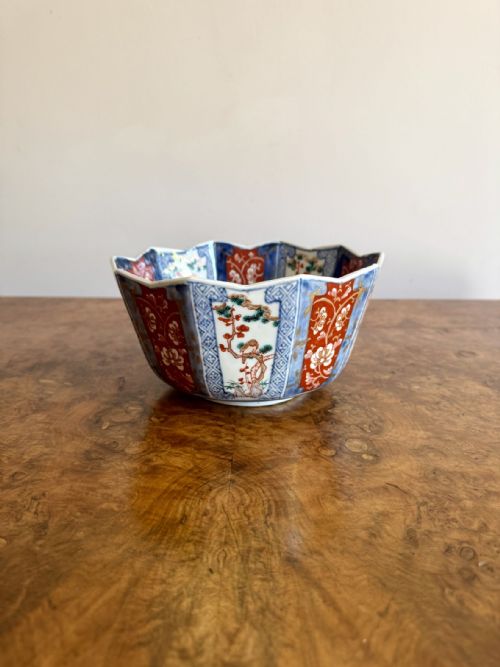
Most examples originate from the Meiji period and the turn of the twentieth century, alongside older seventeenth and eighteenth-century Arita pieces. Forms vary from simple circular profiles to scalloped edges, hexagonal geometries, and fluted walls.
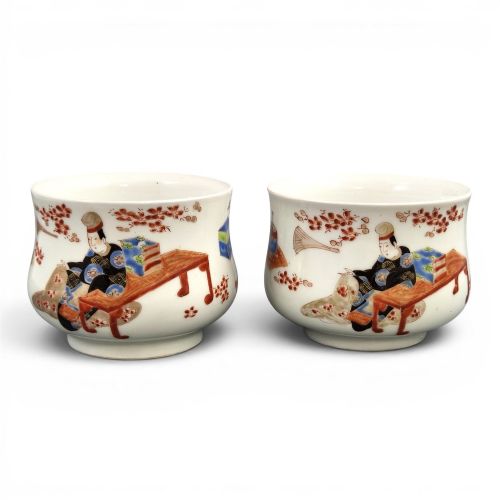
Makers utilised traditional potting techniques in Hizen province, producing wares intended for both export markets and domestic Japanese use. These vessels range from small tea cups to substantial centrepieces measuring across several scales.
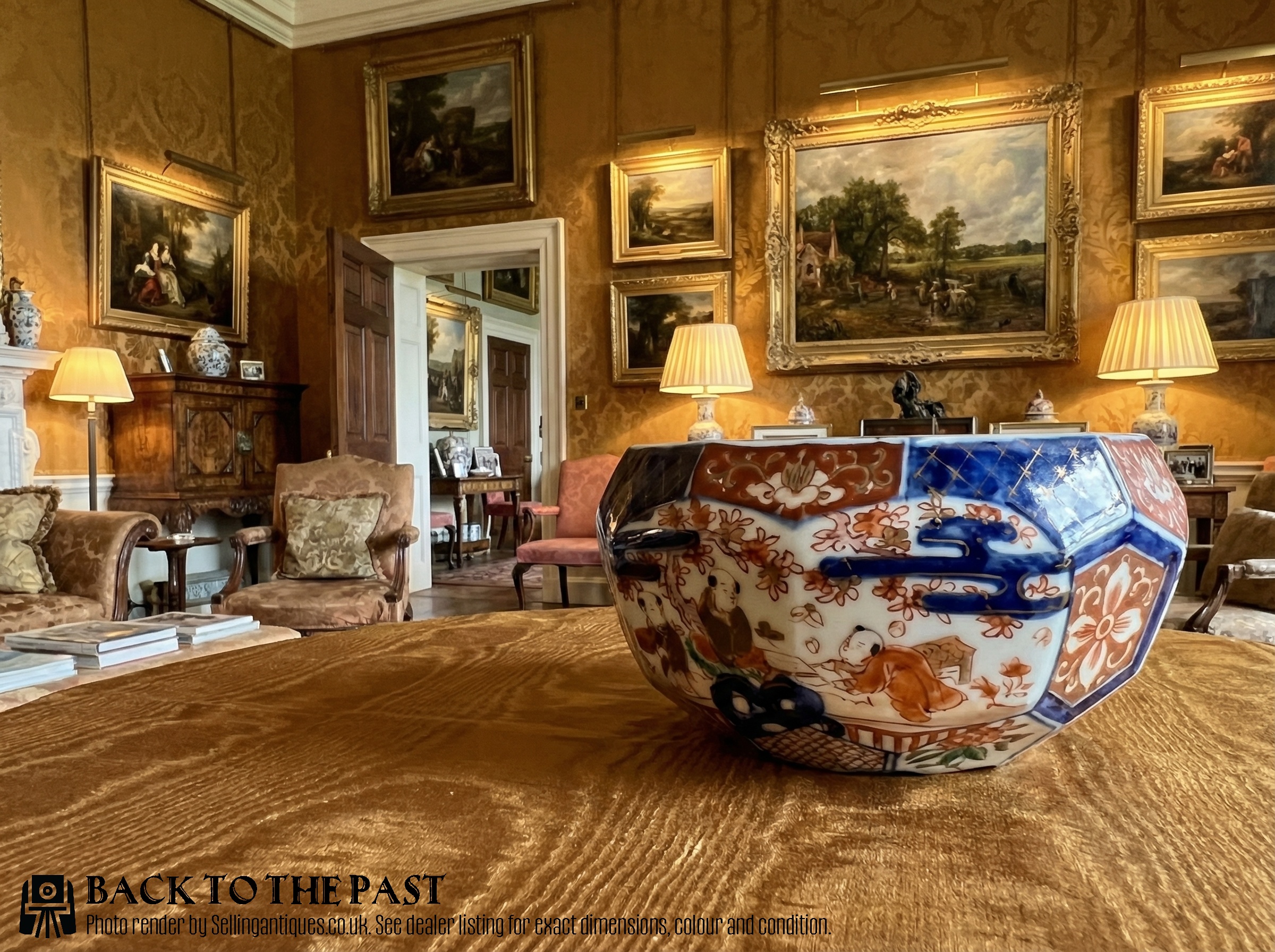
How they were made
Potters shaped fine ceramic clay into porcelain vessels before applying cobalt underglaze pigments directly to the body. Pieces underwent initial firing to fix the blue tones beneath a clear glassy glaze.
Artisans then added enamel colours such as iron red, supplemented by gold leaf and gilding details during subsequent low-temperature firings. This layered method created the characteristic dense palette seen across the pieces.
Japanese Imari Bowl Retail Price Guide 2026
Typical asking prices for japanese imari bowl among the pieces listed under this phrase on Sellingantiques today, from the lower quarter to the upper quarter. They describe what is for sale here now, not the wider market.
Materials recorded across the archive include cobalt underglaze, gold leaf, enamel, and gilt applied to traditional ceramic bodies.
What varies in quality
The precision of hand-painted brushwork dictates the clarity of motifs like dragons, flowers, and figures across the surface. Crisp lines in the cobalt underglaze combined with generous, intact gold leaf elevate certain vessels above standard production wares.
Form complexity also influences distinction, where unusual hexagonal shapes, deep fluting, or scalloped rims demand greater skill from the potter. Early Edo period pieces demonstrate historic potting characteristics that differ from later Meiji output.
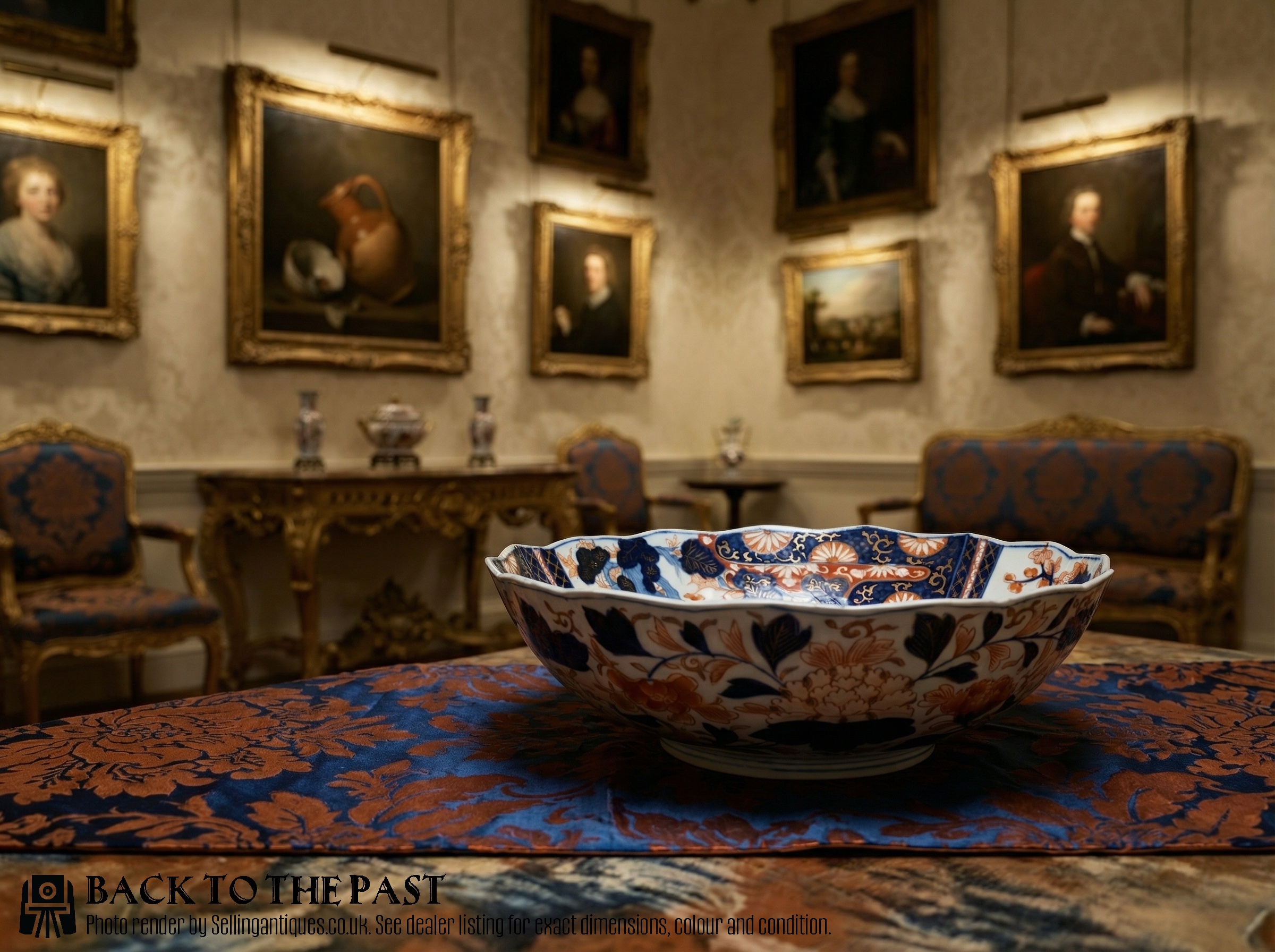
Fukagawa Mark
The Japanese Imari Bowl Glossary
- Imari
- A style of Japanese porcelain decorated in underglaze blue, iron red, and gold, named after the port from which the wares were shipped. The aesthetic developed in the Hizen province during the Edo period.
- Arita
- The Japanese town and surrounding region where the clay and kilns for these porcelains were centered. Arita is recognised as the birthplace of Japanese porcelain production.
- Meiji Period
- The era of Japanese history lasting from 1868 to 1912, characterised by extensive export of decorative arts to Western markets. Many decorative bowls seen today date from this period.
- Edo Period
- The period in Japanese history spanning from 1603 to 1868, during which the foundational styles of Imari ware were established. Earlier examples from this era command particular interest.
- Underglaze
- A decoration applied to ceramic ware before the glaze is applied and fired. Cobalt is the most common pigment used beneath the transparent coating.
Japanese Imari Bowl: Frequently Asked Questions
What is a japanese imari bowl?
A japanese imari bowl is a porcelain vessel decorated in characteristic iron red, cobalt blue, and gold leaf. These wares originated in Japan's Hizen province and were produced for both domestic use and international export.
Designs often incorporate floral motifs, landscapes, or figurative elements painted by hand. The tradition spans several centuries, encompassing seventeenth-century Arita pieces and later Meiji period examples.
How were they used historically?
Historically, these vessels served functional roles as tableware, sugar bowls, and tea cups alongside purely decorative display functions. Larger pieces operated as jardinieres or impressive centrepieces within grand interiors.
Export wares often travelled to Europe on trading vessels, where owners prized them for display on cabinets and mantelpieces. Domestic Japanese households utilised smaller bowls for daily tea and dining customs.
How do I style them at home?
You can display a japanese imari bowl on a dining table as a focal point or place smaller dishes on open shelving. Their vibrant palette complements both traditional wooden furniture and modern neutral interiors.
Avoid placing antique porcelain in direct sunlight or areas of heavy vibration to protect the delicate enamel and gold leaf decorations. Pairing them with understated surroundings allows the intricate surface patterns to stand out.
How can I tell the age of a piece?
Dating relies on examining the porcelain body, glaze characteristics, and painting style to identify historical periods like the Edo or Meiji eras. Seventeenth-century pieces often display heavier potting and distinct cobalt tones compared to lighter turn-of-the-century wares.
Certain pieces bear maker marks or signatures on the base that reference specific potteries or workshops. Comparing the footrim and glaze texture against known examples helps narrow down the production period.