

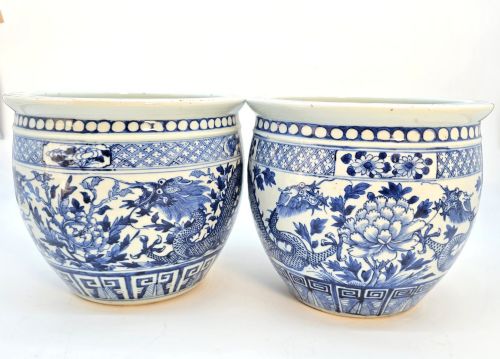
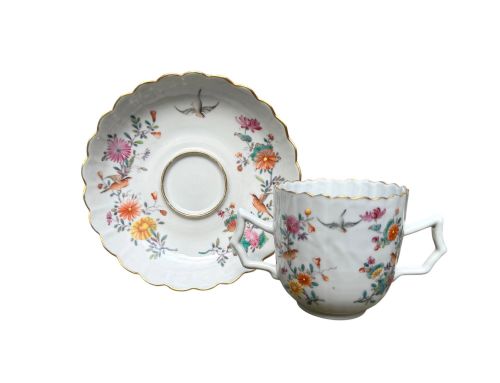
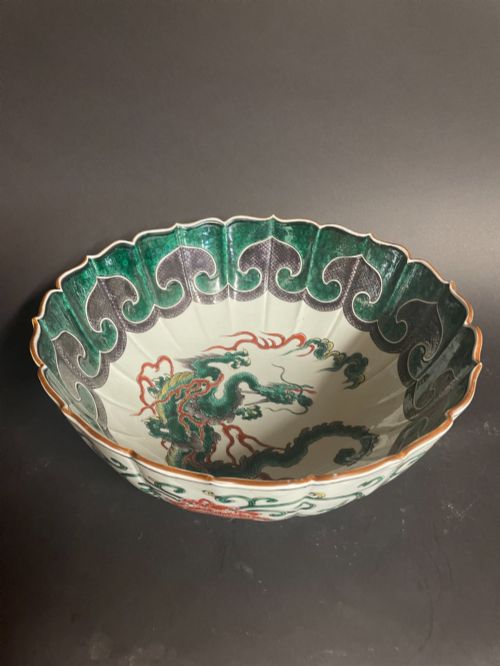
Oriental Porcelain Bowl
An oriental porcelain bowl brings centuries of East Asian ceramic artistry into a room, offering both decorative presence and a tangible link to historical kiln traditions.
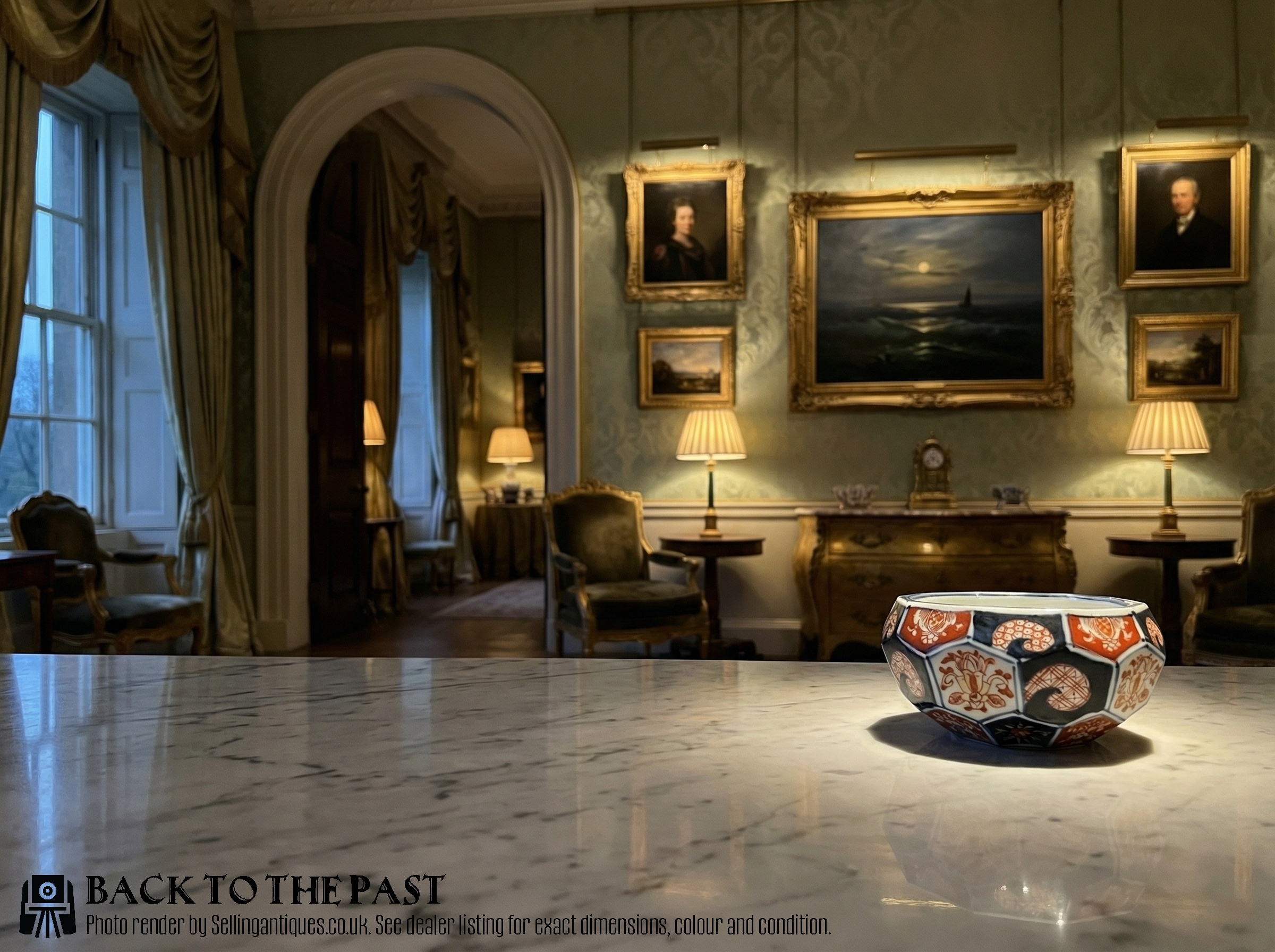
Oriental Porcelain Bowl
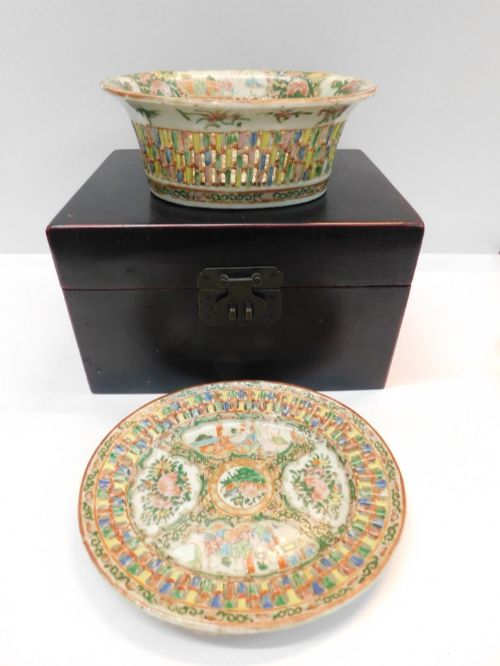
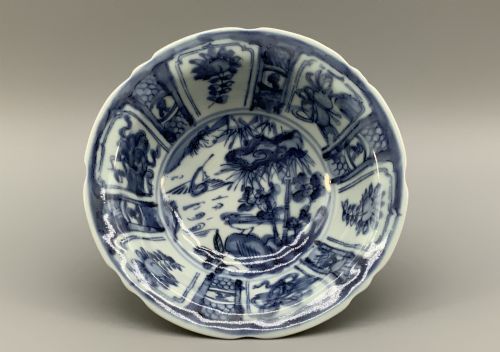
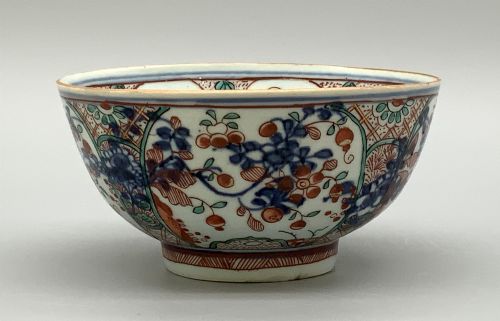
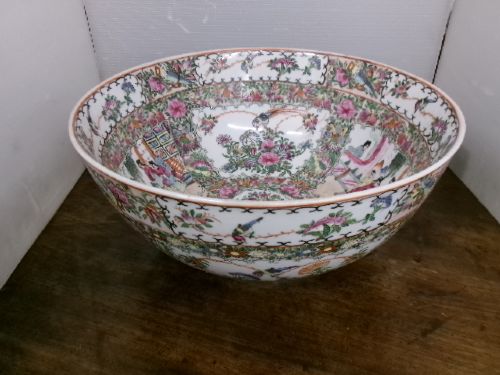
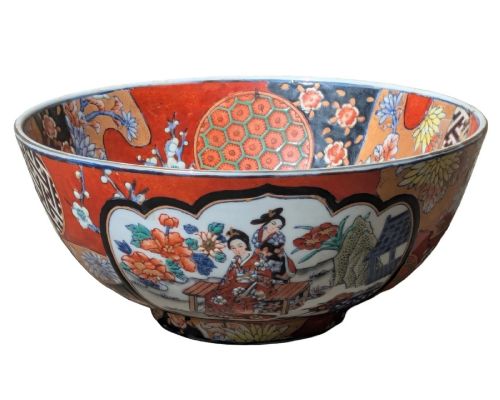
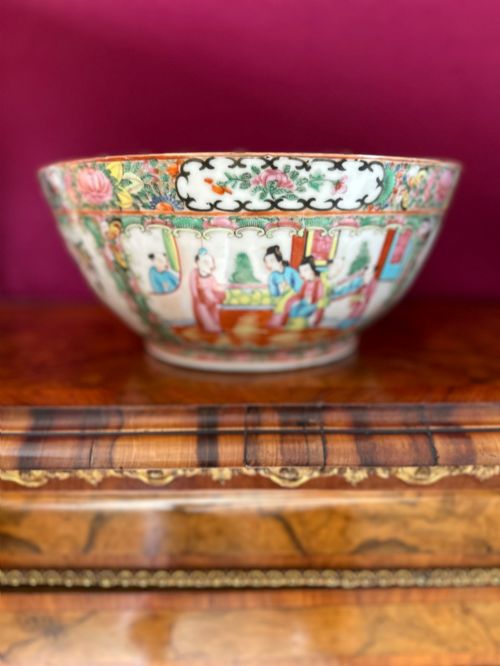
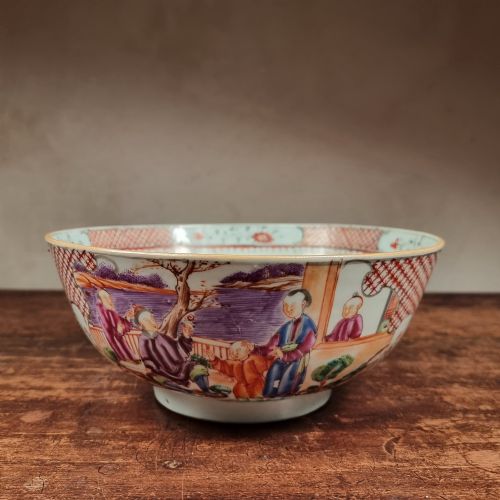
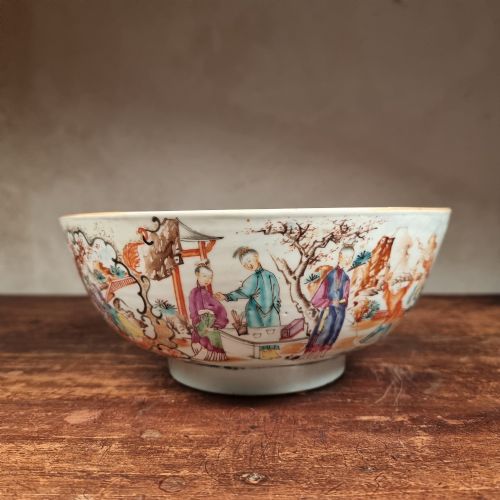
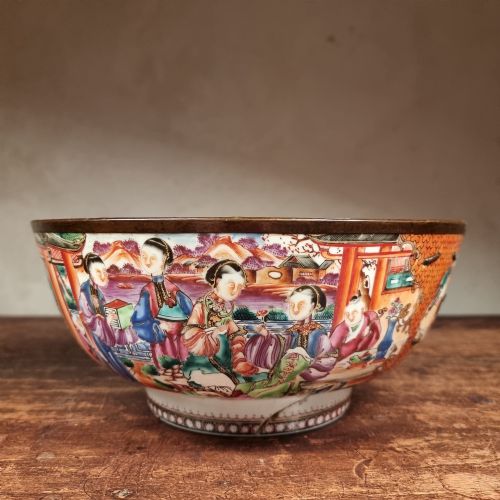
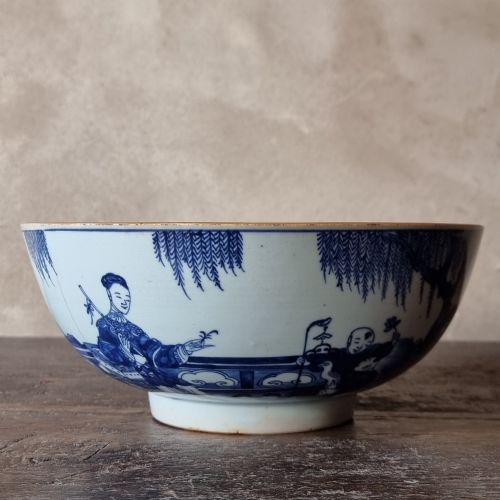
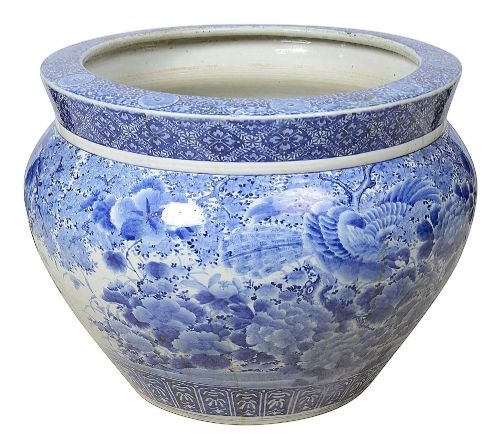
When searching for an oriental porcelain bowl, collectors encounter a diverse selection ranging from delicate eighteenth-century Chinese punch bowls to robust Japanese Imari tablewares. These pieces cross multiple periods, including the Qing Dynasty and the Meiji Period, reflecting distinct regional aesthetics and historical production methods. The forms available span standard domestic bowls, large jardinieres, and smaller decorative dishes.
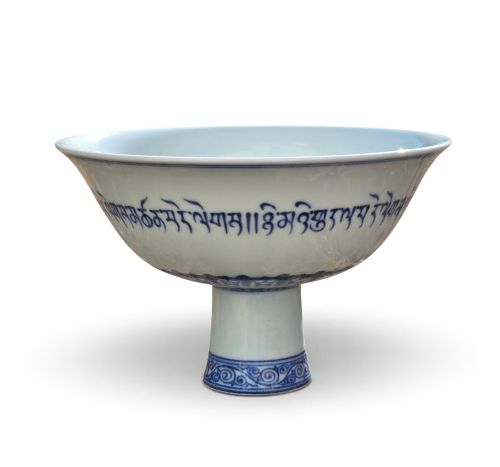
The most common examples on this page date from the nineteenth century, often showcasing traditional blue and white painting or vibrant famille rose enamel palettes. Many originate from major ceramic centres in China and Japan, demonstrating varied shapes from lobed and scalloped edges to chamfered squares. Buyers also find specialised forms such as stem cups and punch bowls created for both export and domestic markets.
Provincial Chinese wares and Japanese Satsuma pieces appear alongside grand Canton vessels, providing options for different interior contexts. The physical scale varies from small tea cups to substantial centrepieces and planters intended to hold plants or floral arrangements. Each piece carries the distinct stylistic markers of its period of origin, from Kangxi designs to Meiji decorative motifs.
Materials and Techniques
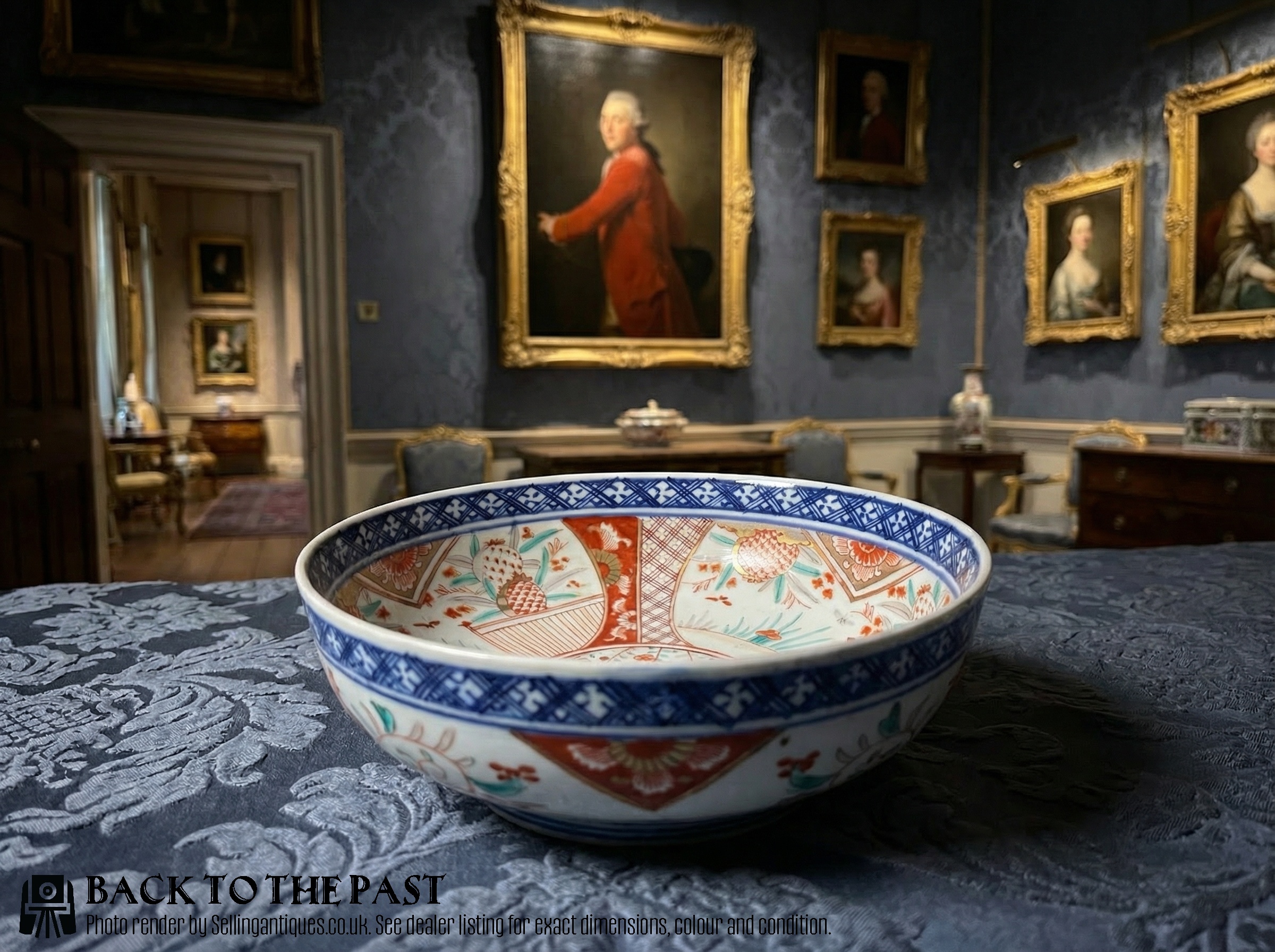
The construction of these vessels relies on high-fired ceramic and porcelain bodies coated in translucent glazes, frequently enhanced with cobalt underglaze pigments. Artisans applied detailed hand-painted motifs using mineral enamels, occasionally incorporating gold leaf to highlight specific decorative elements.
Techniques varied between regions, utilising precise wheel-throwing and moulding methods followed by intense kiln firing. Chinese export pieces often display refined famille rose palettes, while Japanese Imari wares combine underglaze blue with overglaze iron red and gold.
Oriental Porcelain Bowl Retail Price Guide 2026
Typical asking prices for oriental porcelain bowl among the pieces listed under this phrase on Sellingantiques today, from the lower quarter to the upper quarter. They describe what is for sale here now, not the wider market.
Listings feature porcelain, earthenware, and ceramic pieces incorporating cobalt underglaze, enamel, and gold leaf across multiple Asian dynasties and periods.
Evaluating Quality
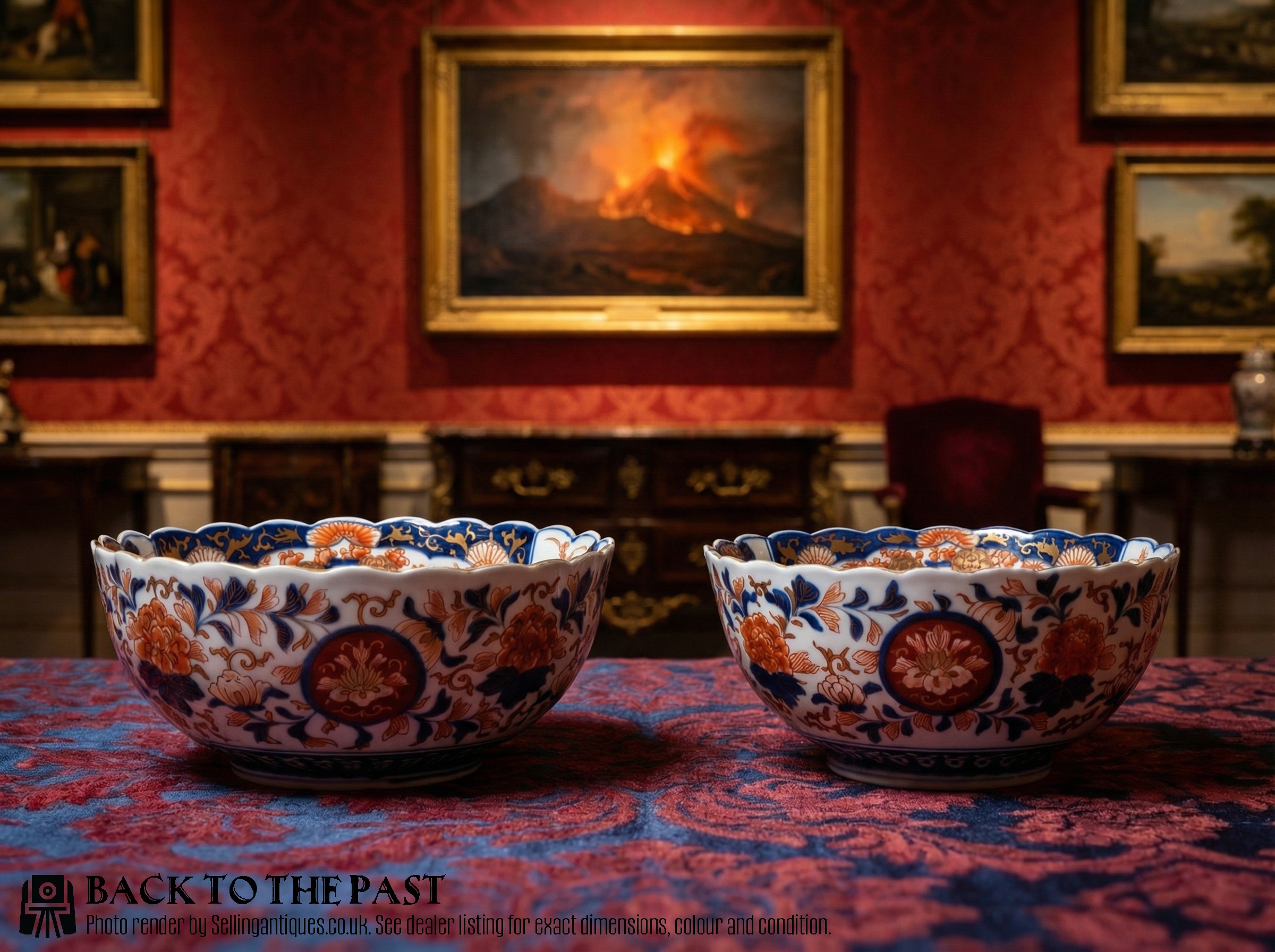
Quality in these ceramics rests on the precision of the brushwork and the clarity of the glaze application. Superior examples display controlled, confident painting without smudging, where intricate details remain crisp and the porcelain body shows careful refinement.
The depth and brilliance of the enamel colours or underglaze cobalt distinguish finer productions from standard commercial output. Additionally, the harmony of the overall form and the crispness of moulded edges, such as scalloped rims, separate masterwork pieces from simpler utilitarian items.
Ginshōtei Gyokushi·Gyokkō·Kozan·Shizan·Kōko
The Oriental Porcelain Bowl Glossary
- Famille Rose
- A palette of opaque enamel colours dominated by pink or rose, introduced in Chinese ceramics during the Qing Dynasty. It allowed for nuanced shading and detailed pictorial scenes.
- Imari
- A type of Japanese porcelain decorated in underglaze blue, iron red, and gold, produced in Arita and exported widely from the port of Imari. These designs often feature rich floral and brocade patterns.
- Jandiniere
- A large ornamental pot or container designed to hold plants or flowers, frequently rendered in heavy porcelain with painted exterior decoration. They served as prominent interior display pieces.
- Doucai
- A Chinese porcelain technique involving underglaze blue outlines filled in with overglaze enamels on the biscuit. The method requires multiple firings to achieve its distinct layered appearance.
- Meiji Period
- The era in Japanese history spanning from 1868 to 1912, marked by the opening of trade and a surge in the production of decorative arts for Western export.
Oriental Porcelain Bowl: Frequently Asked Questions
How do I care for antique porcelain bowls?
Clean these pieces gently using lukewarm water and mild soap, avoiding harsh scrubbing or modern dishwashers to protect the historic glaze and enamel decoration.
Display them away from direct sunlight and areas subject to sudden temperature shifts to preserve the integrity of the ceramic body.
Were these bowls meant for food?
Many larger vessels, such as eighteenth-century punch bowls, were created for communal dining and beverage service during large gatherings.
Smaller examples served as tea cups or decorative dishes, though modern owners often use them purely for display rather than daily dining.
How can I tell Chinese from Japanese porcelain?
Look closely at the stylistic motifs, glaze colours, and clay bodies, as Chinese export wares often feature different narrative scenes compared to Japanese Imari or Satsuma pieces.
Signature styles and the specific handling of cobalt blue or enamel palettes also offer clear indicators of regional origin.
What is a punch bowl?
A punch bowl is a wide, deep vessel historically utilised for mixing and serving alcoholic punches at social events.
These large bowls often feature elaborate interior and exterior decoration to impress guests during festive occasions.