


Blue White Ceramic Bowl
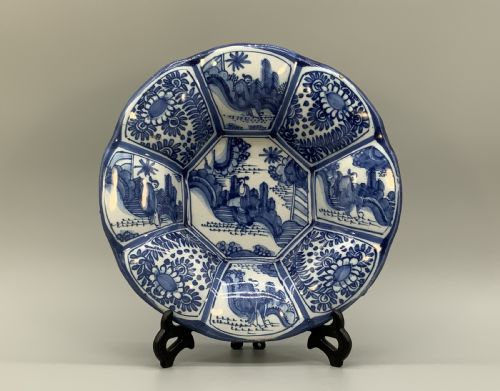
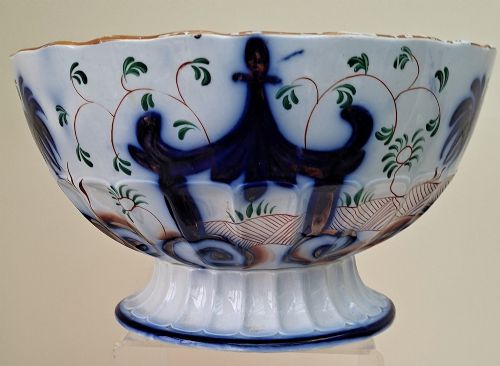
A blue white ceramic bowl brings centuries of cobalt pigment and fired clay together in domestic and decorative forms.
Blue White Ceramic Bowl
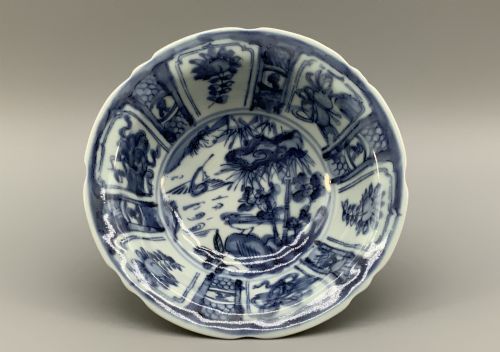
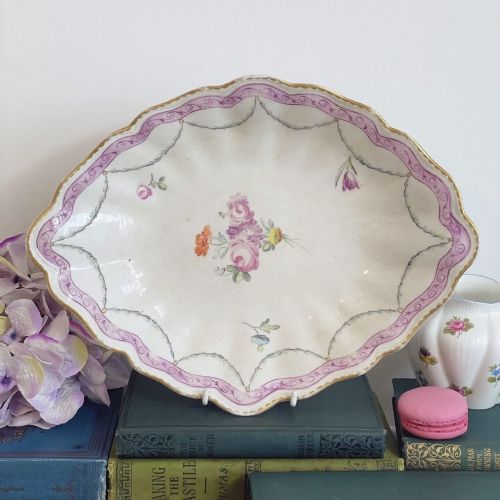
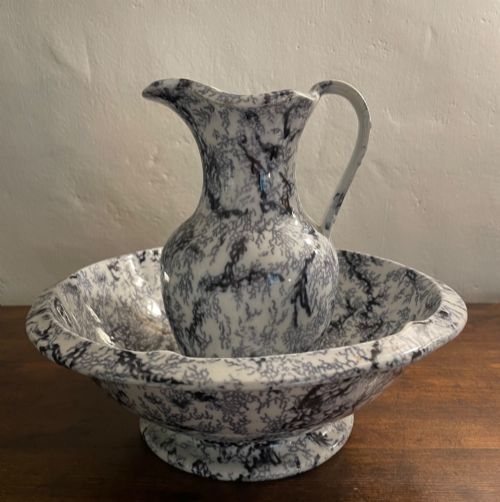
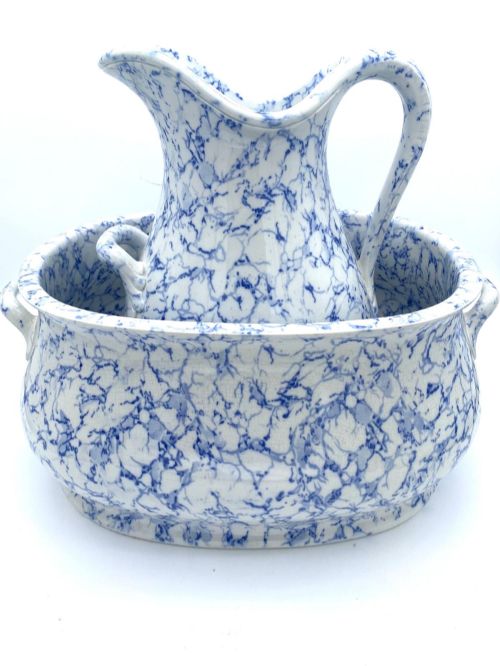
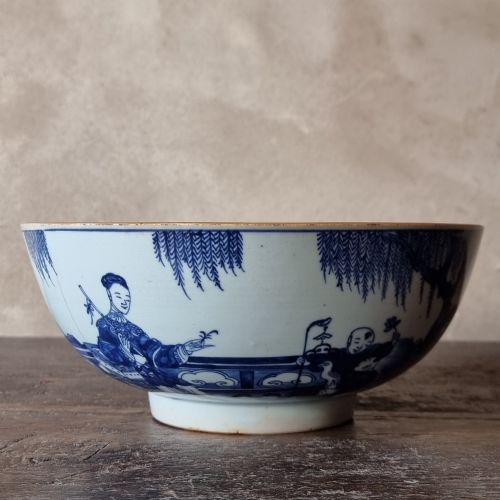
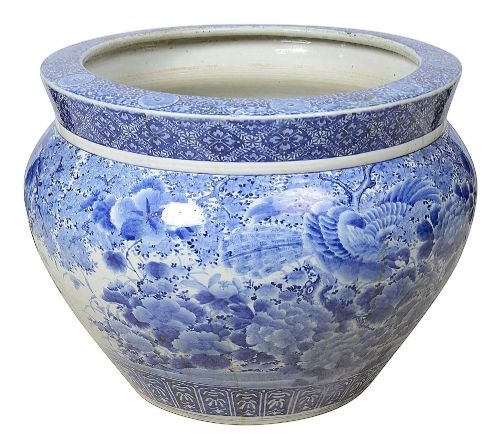
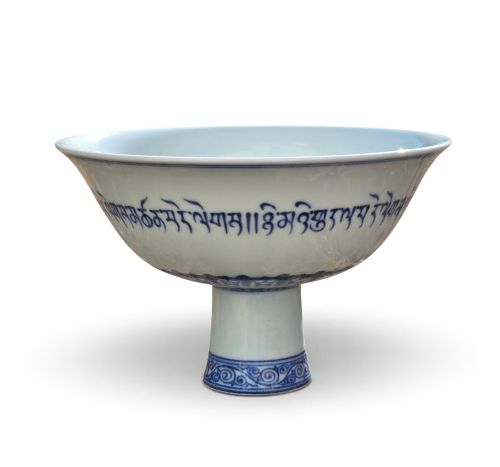
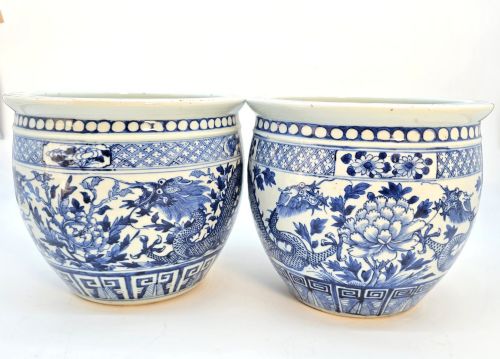
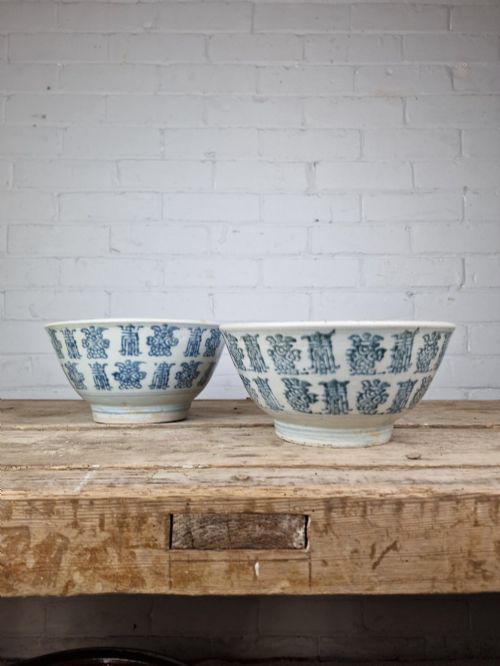
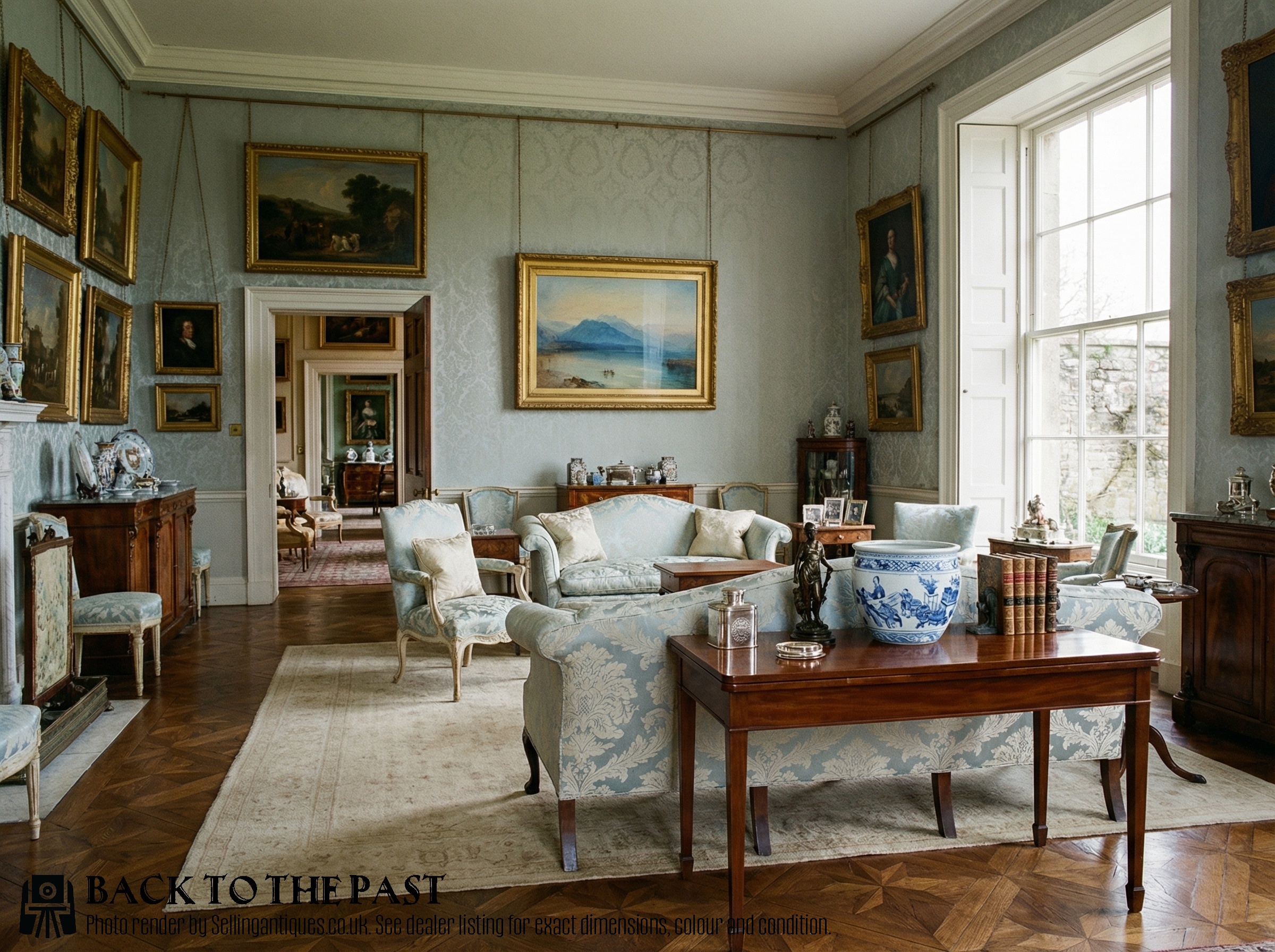
A blue white ceramic bowl spans functional tableware and large display vessels originating from English earthenware factories and Asian porcelain kilns. Collectors encounter everything from small tea bowls to substantial punch bowls and garden jardinières spanning the seventeenth to the nineteenth centuries.
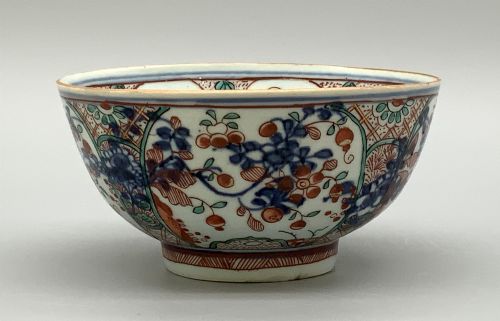
The regional variety ranges from Chinese export pieces and Japanese imari wares to English Staffordshire transferware and tin-glazed delftware from Dutch and English potteries. Georgian and Victorian examples sit alongside earlier Ming and Qing dynasty productions within the wider category.
Materials and methods
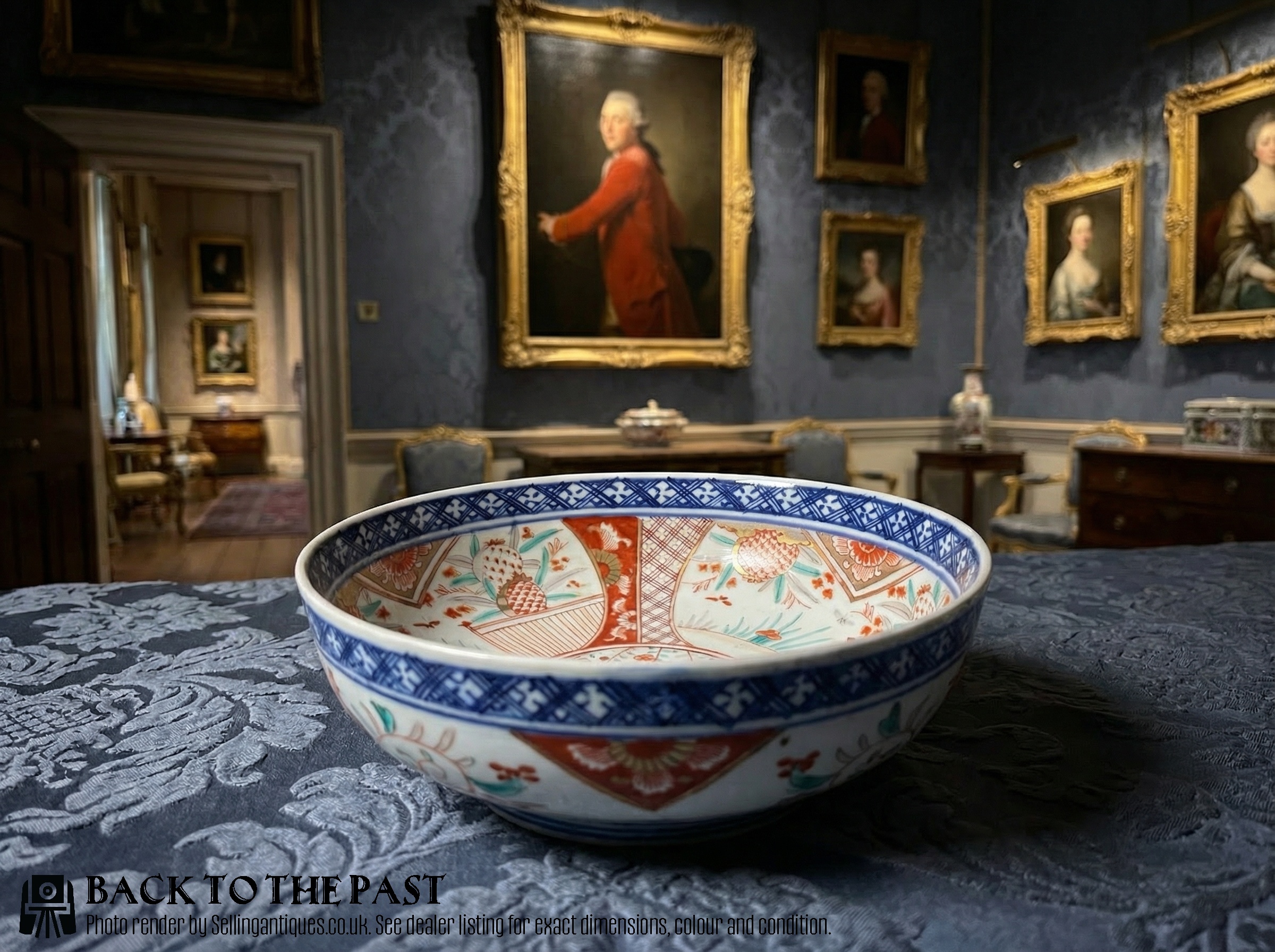
Potters shaped hard-paste porcelain, earthenware, and tin-glazed bodies on the wheel or pressed them into moulds before applying cobalt pigments under the glaze. Firing at high temperatures fused the cobalt oxide into the glaze to create the characteristic blue decoration.
Transfer printing developed during the Georgian period, allowing intricate pictorial scenes to be applied to pottery bodies from copper plates. Hand-painted examples rely on direct brushwork using cobalt or enamel over tin glazes and porcelain.
Blue White Ceramic Bowl Retail Price Guide 2026
Typical asking prices for blue white ceramic bowl among the pieces listed under this phrase on Sellingantiques today, from the lower quarter to the upper quarter. They describe what is for sale here now, not the wider market.
Listings feature porcelain, earthenware, and tin-glazed bodies decorated with cobalt blue across the eighteenth and nineteenth centuries.
Distinctions in manufacture
Depth and clarity of the cobalt underglaze decoration separate standard utility wares from pieces produced by premier kilns and factories. Smudging or pooling in the blue pigment indicates less precise firing control.
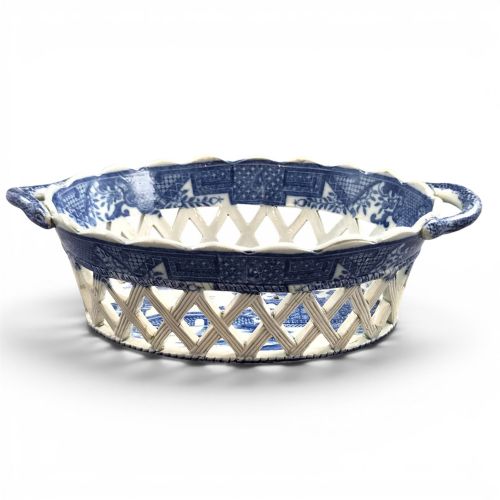
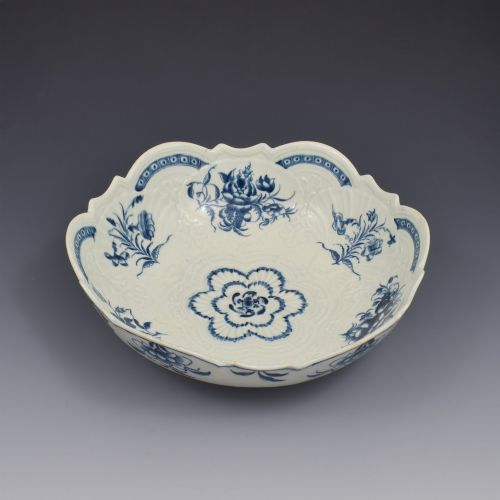
Complexity of form, such as reticulated basketwork or lobed rims, requires advanced potting skill. Crispness in moulded relief and the fineness of the ceramic body distinguish the highest grade of historical production.
Dr Wall Worcester·J. and R. Clews·Minton·Spode·Doulton Burslem
The Blue White Ceramic Bowl Glossary
- Cobalt Underglaze
- Pigment applied to the ceramic body before glazing and firing at high temperatures. This technique protects the blue colour beneath a glossy vitrified layer.
- Transferware
- Pottery decorated by transferring a printed design from an engraved copper plate onto the ceramic surface. The method defined mass production in nineteenth-century English factories.
- Tin-Glazed Earthenware
- Pottery covered with a white tin-opacified glaze that provides an opaque background for painted decoration. It encompasses Dutch delft and English faience.
- Imari
- Japanese porcelain decorated in underglaze blue with iron red and gilt highlights. The style was widely exported to Europe from the seventeenth century onward.
Blue White Ceramic Bowl: Frequently Asked Questions
How are these bowls dated?
Dating relies on stylistic markers, potting techniques, and factory marks recorded on the base of the ceramic body. Comparative analysis of cobalt shades and decorative motifs helps narrow the period of manufacture.
Historical context such as the adoption of transfer printing in the Georgian era provides firm chronological brackets for English earthenware pieces.
What is the difference between porcelain and earthenware?
Porcelain is fired at much higher temperatures using refined materials like petuntse and kaolin, resulting in a vitrified and translucent body. Earthenware is porous and opaque, requiring a glaze such as tin or lead to achieve impermeability.
Asian export wares and Worcester pieces generally utilise porcelain bodies, while Staffordshire and delft examples use earthenware.
How were large bowls used historically?
Large vessels functioned as punch bowls for communal dining, wash basins for personal hygiene, or jardinières for housing indoor plants. Punch bowls sat centrally on dining tables during the eighteenth century to serve mixed drinks.
Footbaths and large basins handled heavier domestic duties in grand households before modern plumbing systems emerged.
How do you care for antique ceramic bowls?
Wash historical ceramics by hand in lukewarm water using mild detergent, avoiding dishwashers and harsh abrasive sponges. Sudden temperature changes must be avoided to prevent crazing in the glaze.
Display vessels away from direct sunlight to protect any overglaze enamels and prevent structural stress on the clay body.