


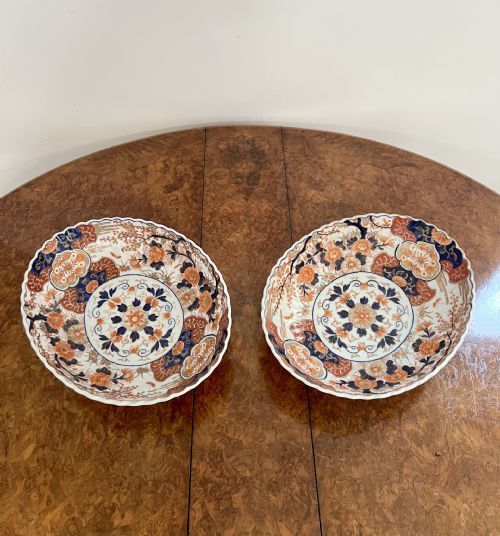


Japanese Ceramic Serving Bowl
When you want a japanese ceramic serving bowl, you are looking at porcelain shaped for the table and decorated in traditional styles.
Japanese Ceramic Serving Bowl
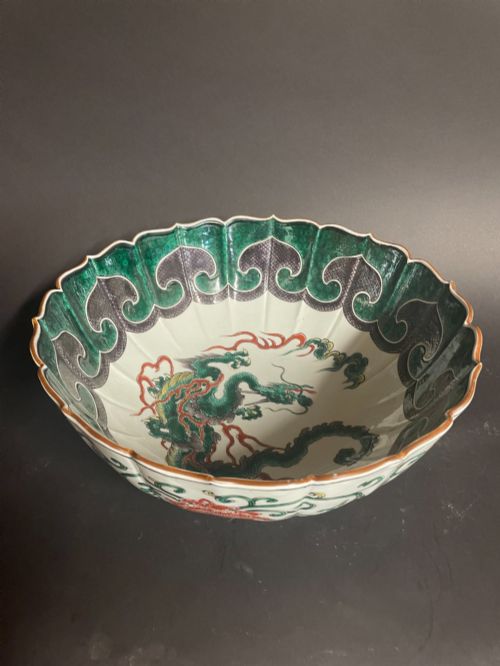
A japanese ceramic serving bowl brings traditional pottery forms to the table, spanning the Edo and Meiji periods alongside the nineteenth century. These vessels range from simple round forms to scalloped edges and boat shapes intended for presentation and daily use.
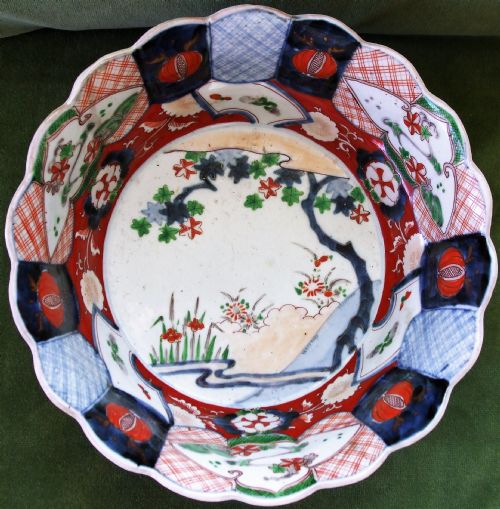
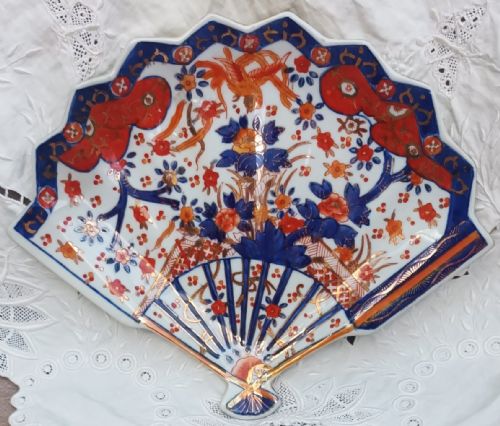
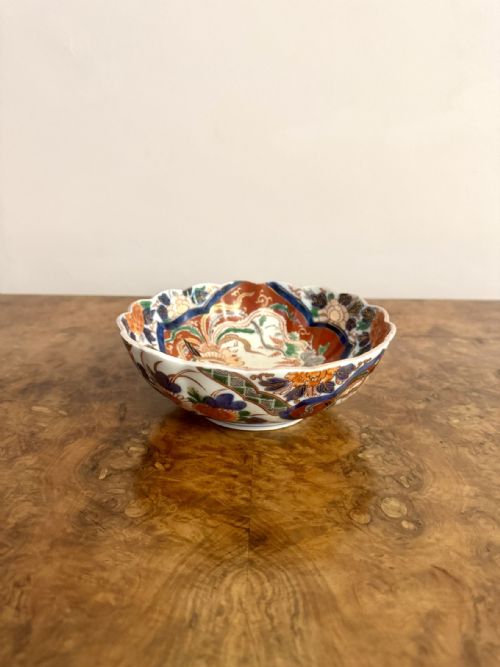
You are most likely to encounter Japanese Imari examples on this page, often featuring blue and white decoration or polychrome enamel schemes. Pieces from the seventeen hundreds through to nineteen ten appear here in porcelain.
Makers shaped these decorative bowls and dishes with specific attention to edge profiles, utilising boat shapes and scalloped outlines. Each japanese ceramic serving bowl reflects the period style of its origin, whether Edo or Meiji.
How they were made
Potters formed each japanese ceramic serving bowl from porcelain body clay, shaping them into rounds, scallops and boat forms by hand or wheel. They applied cobalt pigment beneath the glaze to establish deep blue tones before firing.
Workers added surface detail using enamel paints, celadon glaze, and delicate applications of gold leaf or gilding. Hand painted elements defined the intricate patterns seen across the Imari and blue and white pieces.
Japanese Ceramic Serving Bowl Retail Price Guide 2026
Typical asking prices for japanese ceramic serving bowl among the pieces listed under this phrase on Sellingantiques today, from the lower quarter to the upper quarter. They describe what is for sale here now, not the wider market.
Some bowls are shaped like boats, proving that historical potters enjoyed taking dinner service for a little voyage.
What varies in quality
The standard of a japanese ceramic serving bowl rests upon the precision of the hand painting and the clarity of the cobalt blue pigment. Finer examples display crisp brushwork and well-defined enamel colours that sit evenly across the porcelain body.
Form and edge treatment also set vessels apart, particularly in scalloped or boat shaped dishes where symmetry and balance matter. The application of gold leaf and gilding varies from simple accents to dense, detailed ornamentation.
The Japanese Ceramic Serving Bowl Glossary
- Imari
- A traditional Japanese porcelain style featuring rich cobalt blue, iron red and gold decoration. This aesthetic originated in Hizen province and became famous worldwide.
- Celadon
- A transparent jade green glaze applied over a white porcelain body. The subtle tone derives from iron oxide fired in a reduction atmosphere.
- Meiji Period
- The era in Japanese history spanning from eighteen sixty-eight to nineteen twelve. Pieces from this time often show intricate hand painted details.
- Edo Period
- The period lasting from sixteen hundred and three to eighteen sixty-eight. Ceramics from this era form the foundation of classical Japanese export wares.
- Cobalt Pigment
- A mineral oxide used under the glaze to create permanent blue decoration. It withstands high firing temperatures without losing intensity.
Japanese Ceramic Serving Bowl: Frequently Asked Questions
What is a japanese ceramic serving bowl used for?
These vessels were created for presenting food at the table during meals and gatherings. Their decorative forms also made them suitable for display within traditional interiors.
Over time, collectors have valued them both as functional tableware and as ornamental objects that showcase historical Japanese craftsmanship.
How do I identify a Meiji period bowl?
Meiji period pieces date between eighteen sixty-eight and nineteen twelve, often featuring detailed hand painted designs in Imari colours. Makers during this era produced highly decorative porcelain for both domestic use and export.
Look for refined brushwork, vibrant enamel pigments, and gilding that reflect the open trade policies and artistic developments of the time.
What makes Imari porcelain different?
Imari wares are characterised by a distinct palette combining underglaze cobalt blue with overglaze iron red, green, and gold leaf. This colourful combination creates a rich, patterned surface across bowls and dishes.
The style developed in Arita and shipped through the port of Imari, becoming a defining look for Japanese export ceramics.
How should I care for antique porcelain?
Wash antique porcelain gently by hand using mild soap and lukewarm water, avoiding abrasive sponges or harsh detergents. Pat dry with a soft cloth immediately after cleaning.
Display or store bowls away from direct sunlight and sudden temperature shifts to protect the glazes and delicate gold leaf details.