



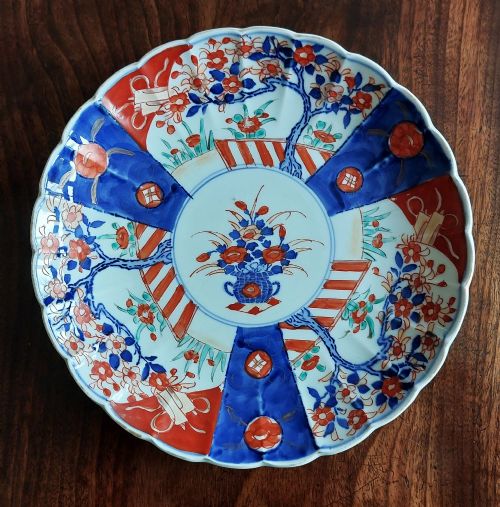
Oriental Porcelain Dish
An oriental porcelain dish brings vivid cobalt glaze and hand-painted enamel straight to your table from centuries of Chinese and Japanese kilns.

What these pieces are
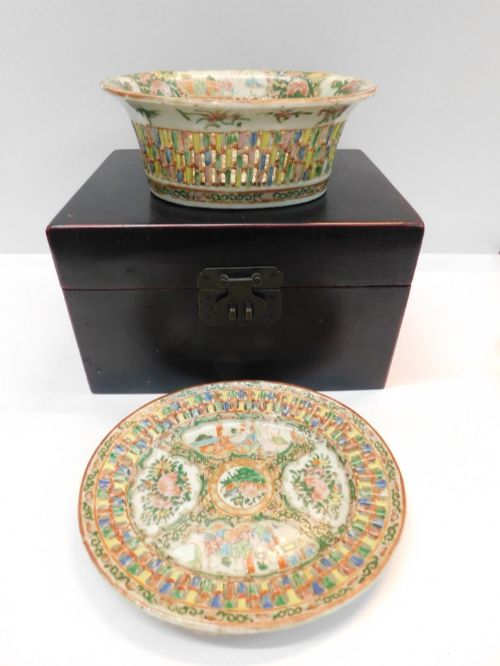
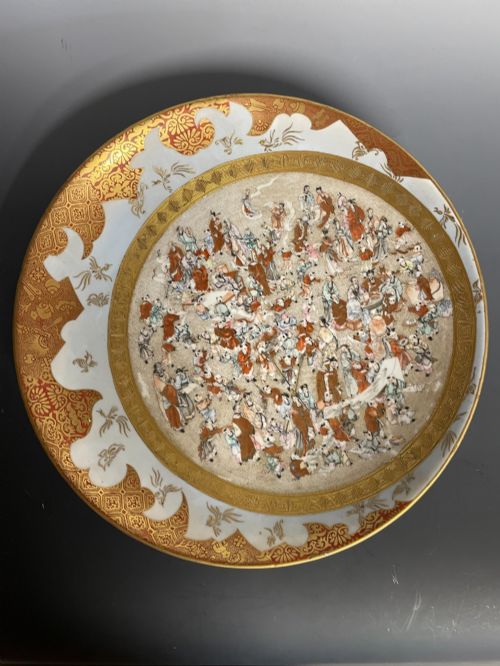
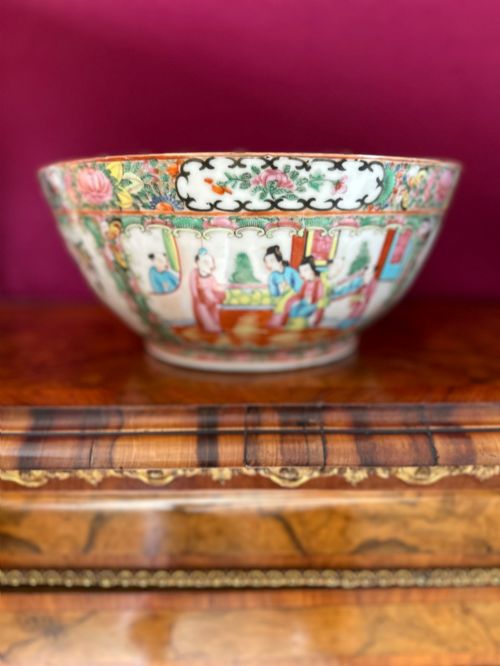
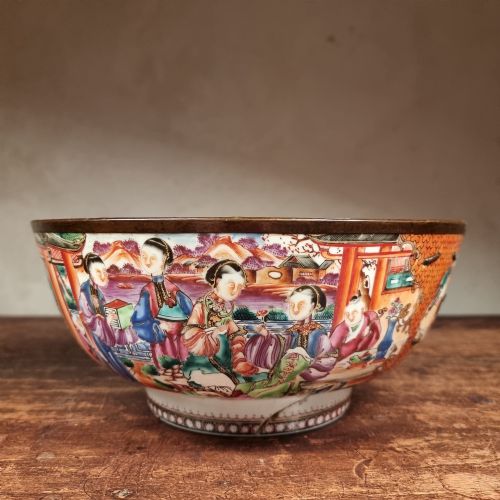
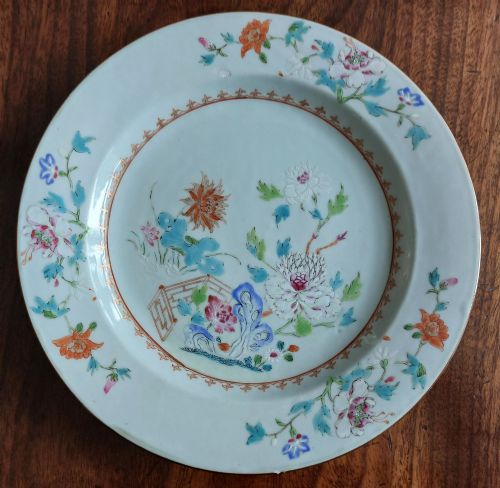
When you search for an oriental porcelain dish, you meet decorative bowls, plates, and chargers originating from various Asian periods and traditions.
The selections span Chinese Ming Dynasty and Qing Dynasty eras alongside Japanese Edo and Meiji periods, plus Edwardian export wares.
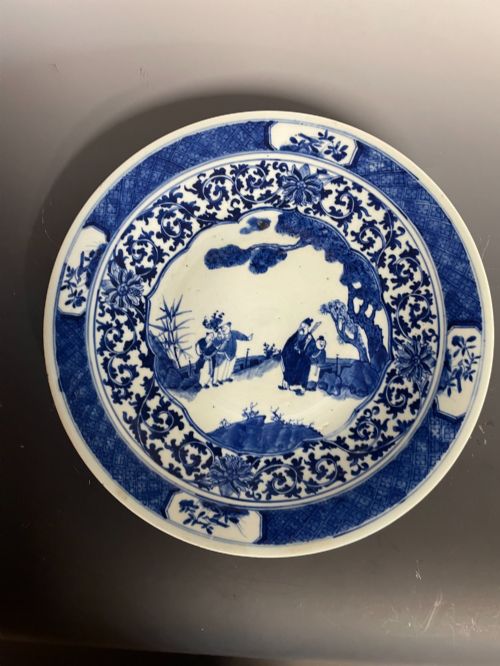
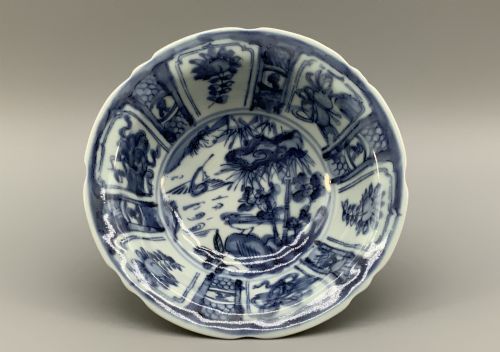
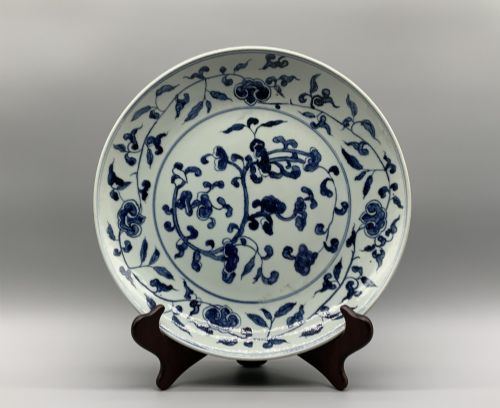
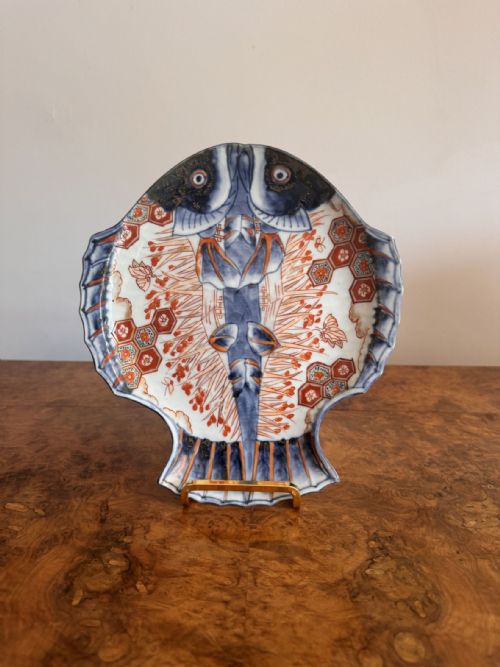
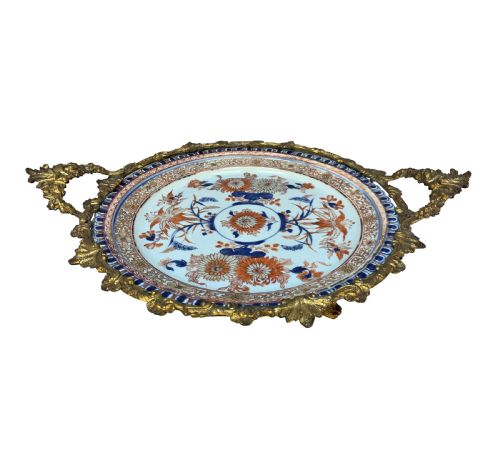
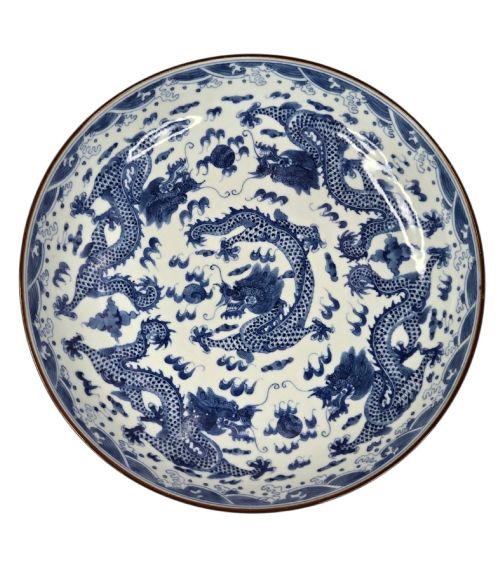
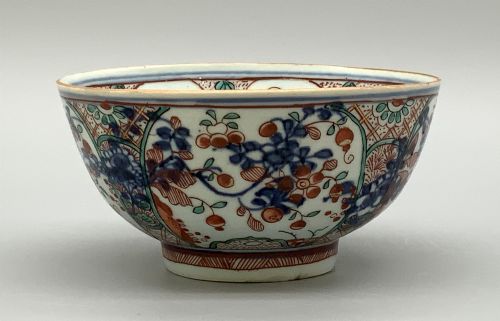
You encounter forms ranging from lobed bowls to large chargers bearing cobalt underglaze, doucai decoration, and Japanese Imari styling.
How they were made
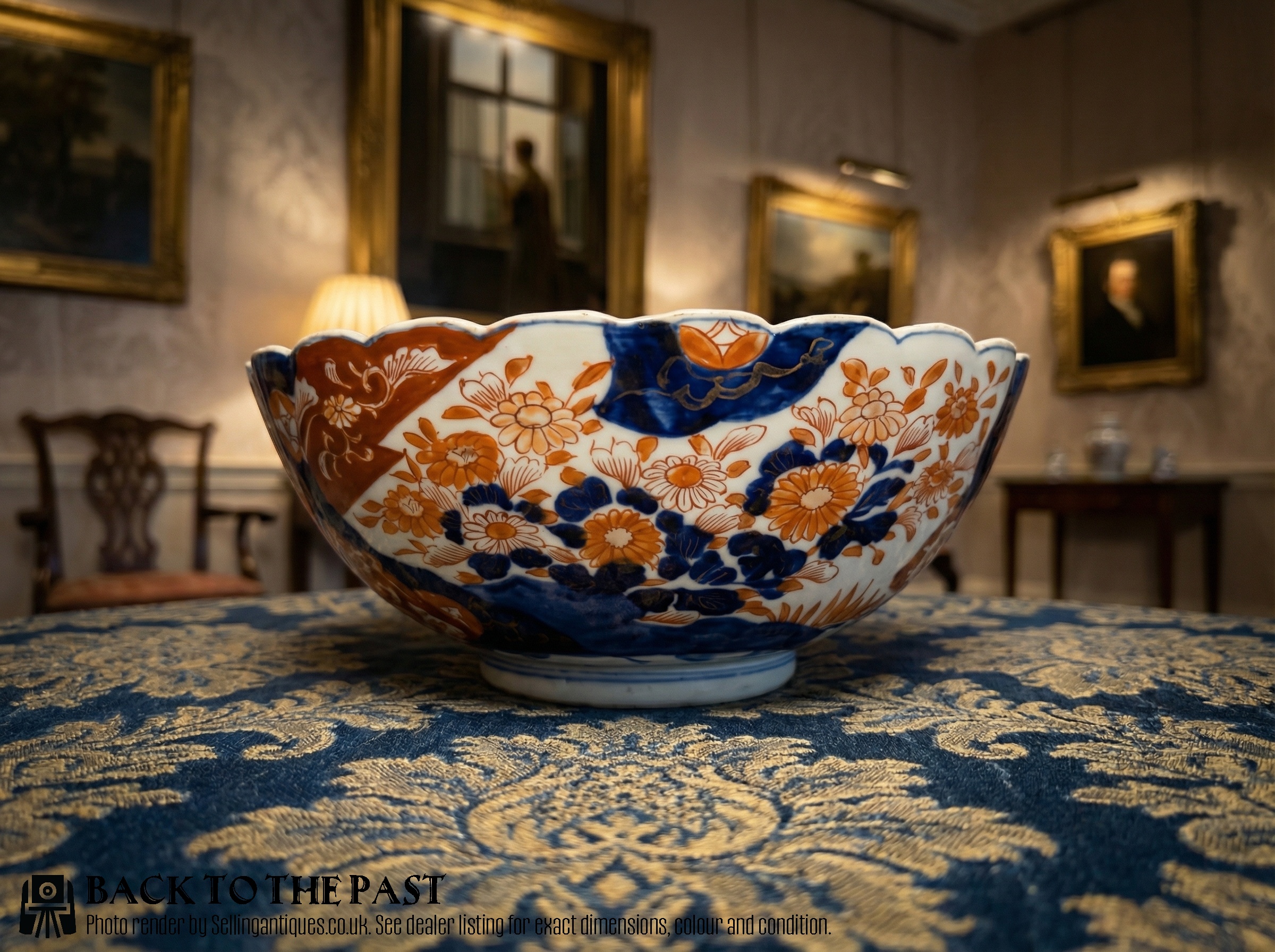
Potters shaped fine porcelain before applying cobalt glaze and cobalt underglaze pigments directly to the clay body.
Detailed enamel work was painted over the fired glaze to build intricate polychrome designs characteristic of Qing and Japanese export traditions.
Retail Price Guide 2026
Typical UK retail prices for oriental porcelain dish, calculated from the Sellingantiques database of over a million retail prices indexed since 2003. This retail price guide relies exclusively on Sellingantiques data; no external sources or auction records are used, so the figures do not describe the wider market.
Current listings feature porcelain works spanning the 16th century to the Edwardian era, incorporating both Chinese Ming and Qing dynasties alongside Japanese export styles.
What varies in quality
Quality rests in the precision of the hand-painted brushwork, the depth of the cobalt underglaze, and the clarity of the porcelain body.
Early Ming and Kangxi examples display superior potting finesse and pigment control compared to later mass export production.

The Oriental Porcelain Dish Glossary
- Porcelain
- A hard, white, translucent ceramic fired at high temperatures from specific clay minerals. It forms the impermeable white body of these dishes.
- Cobalt Underglaze
- A blue pigment applied to the raw clay before glazing and high-temperature firing. This technique prevents the blue colour from fading or running over time.
- Doucai
- A Chinese porcelain decoration technique combining underglaze blue outlines with overglaze enamel infills. Yongzheng marked pieces frequently utilise this method.
- Imari
- A style of Japanese export porcelain featuring distinct palettes of cobalt blue, iron red, and gilt. It gained immense popularity in European homes during the early centuries of trade.
- Charger
- A large decorative plate intended primarily for display rather than serving food. Swatow chargers represent robust examples of this grand form.
Frequently Asked Questions
How do I date an oriental porcelain dish?
Dating relies on stylistic clues, potting characteristics, and reign marks painted on the base. Comparing the cobalt tone and enamel palette helps place the piece within its specific dynasty or export era.
Expert examination of the foot rim and glaze texture provides further confirmation of the period of manufacture.
Can I use these bowls for food?
While these pieces were originally functional ceramics, antique porcelain requires careful handling today. Many collectors choose to display them rather than risk damage from daily use.
Gentle hand washing is essential if you decide to use them for dining on special occasions.
What is the difference between Chinese and Japanese export bowls?
Chinese wares often feature subtle cobalt underglaze or precise doucai enamel designs from dynasties like the Ming and Qing. Japanese export pieces, such as Arita and Imari wares, frequently employ vibrant iron reds alongside blue and gold.
Examining the motifs and clay bodies reveals the distinct regional aesthetics of each kiln.
How should I display a charger plate?
Large chargers look best mounted securely on specialist wall hangers or displayed upright on sturdy plate stands. Ensure the display location avoids direct sunlight and heavy foot traffic.
Good lighting enhances the hand-painted details of cobalt glaze and enamel work.