



Chinese Export Ceramics
Chinese export ceramics are historic wares made in the East for Western markets, offering collectors a rich dialogue between diverse cultures.

Chinese Export Ceramics
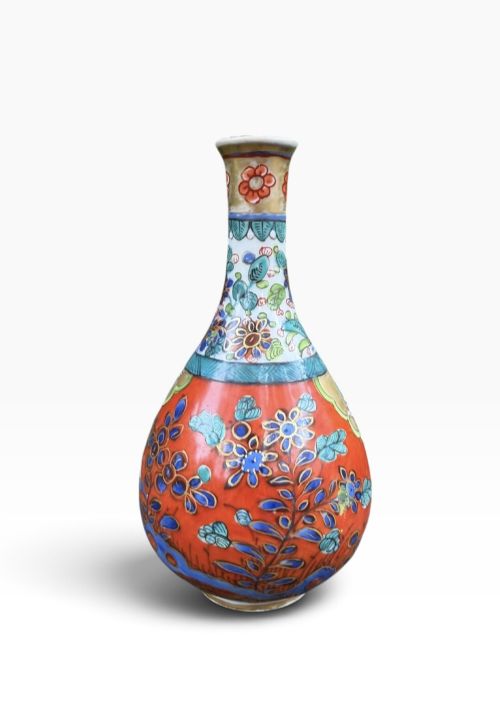
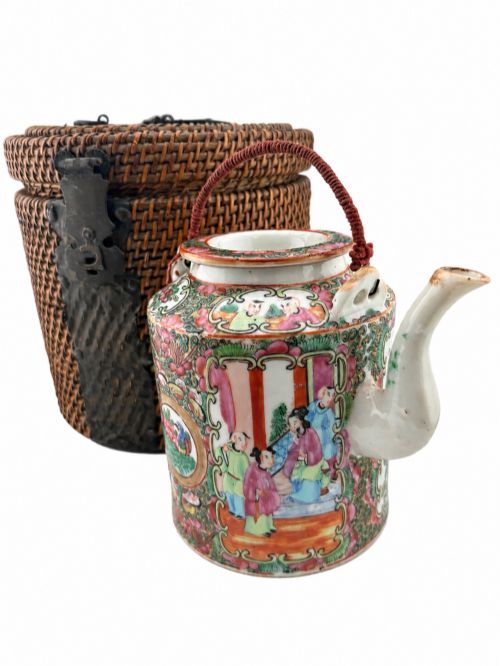
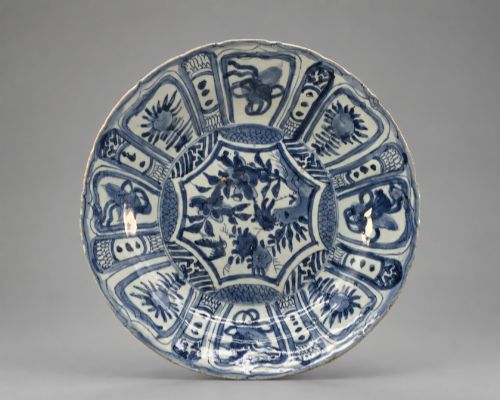
Chinese export ceramics encompass a diverse range of objects created to satisfy European and global demand from earlier centuries onwards. When exploring this selection, buyers encounter functional vessels, decorative dishes, and large chargers spanning the Ming and Qing dynasties. Domestic interiors often housed these pieces for display or daily service.
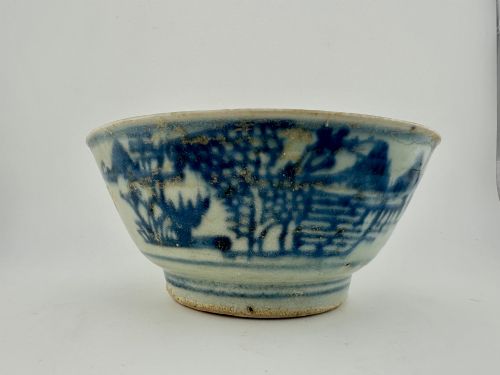
The objects listed here frequently date from the eighteenth and nineteenth centuries, alongside earlier seventeenth-century examples and later interpretations. Common forms include bowls, plates, vases, and tea wares decorated with distinctive pigments and glaze treatments. Each piece records the intersection of Eastern manufacturing traditions with Western aesthetic preferences.
How They Were Made
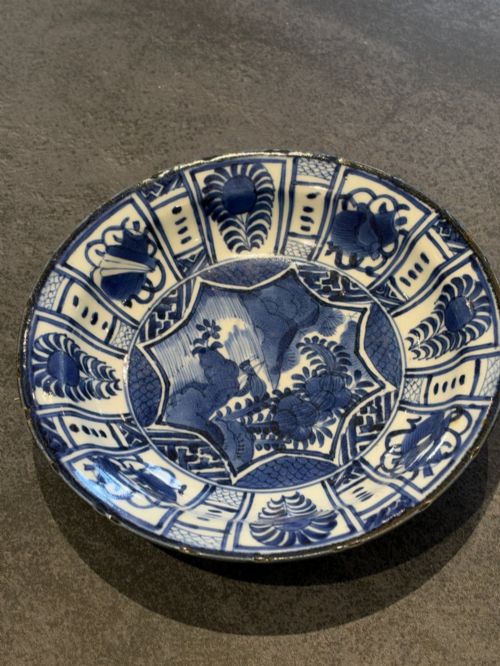
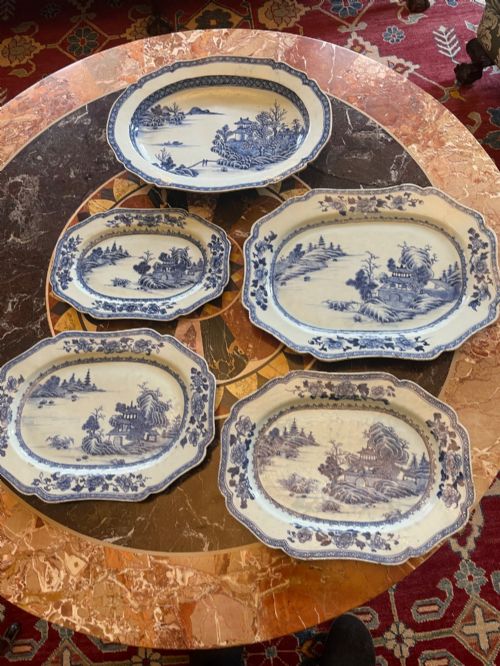
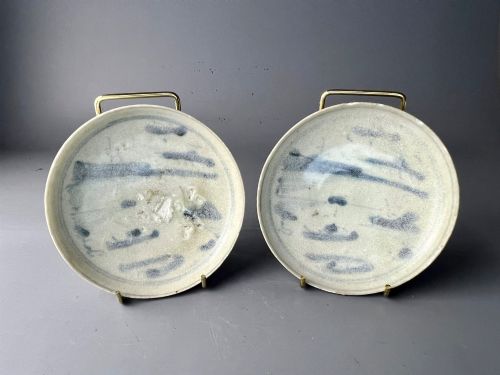
Makers utilised fine porcelain bodies formed by hand or mould, fired at high temperatures to achieve a dense and resonant base. Cobalt underglaze was applied before the final clear glaze coat to produce enduring blue and white designs.
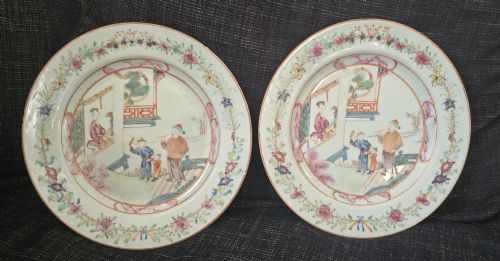
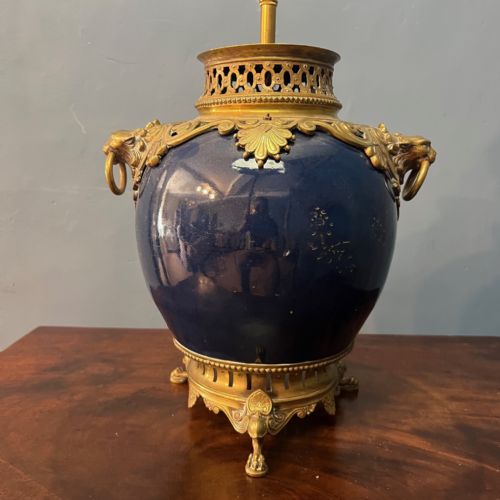
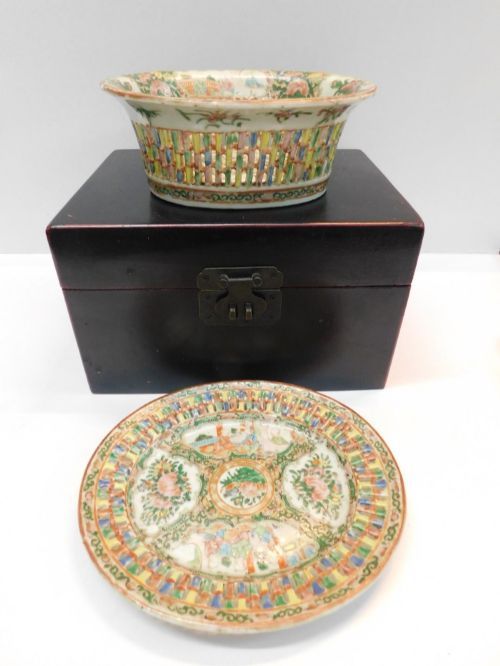
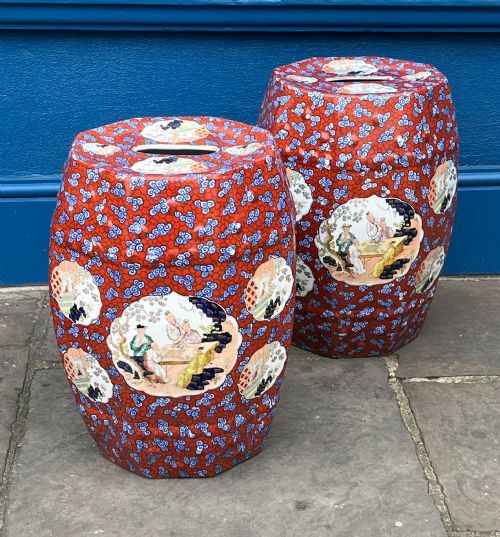
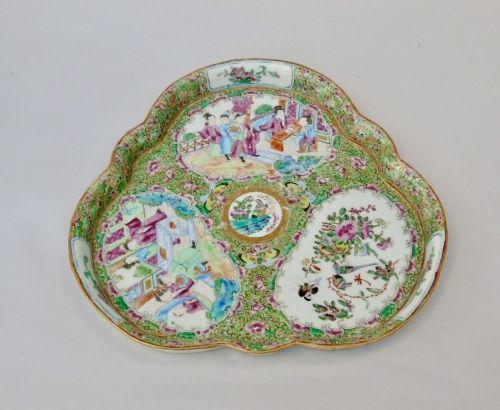
Enamel colours, gold leaf, and gilding were frequently added in subsequent low-temperature decorative firings to create rich palettes such as famille rose and Imari. Some European workshops later added metal mounts like gilt bronze or ormolu to complete the vessels.
Chinese Export Ceramics Retail Price Guide 2026
Typical asking prices for chinese export ceramics among the pieces listed under this phrase on Sellingantiques today, from the lower quarter to the upper quarter. They describe what is for sale here now, not the wider market.
The listings feature porcelain pieces spanning from the seventeenth century through the Victorian era, utilising cobalt glaze and enamel.
What Varies in Quality
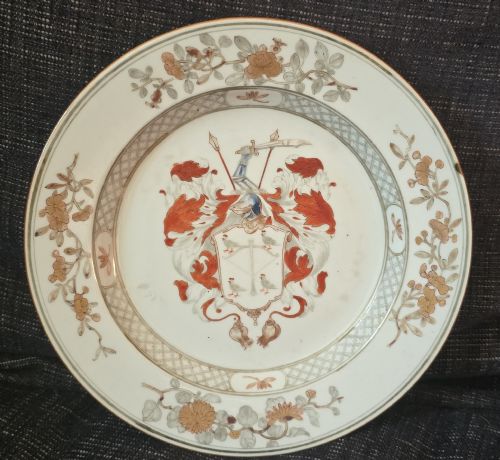
The refinement of the porcelain paste and the precision of the brushwork set the standard for individual pieces. Master painters achieved exceptional detail in facial expressions, foliage, and heraldic arms, whereas lesser examples display hurried execution.
The stability of the glaze and the vibrancy of the enamel pigments also determine the standing of a piece. Well-preserved gilding and carefully potted forms reflect the skill of the original kiln.
Edmé Samson And Cie·Samson Paris·Fujian Huiguan
The Chinese Export Ceramics Glossary
- Famille rose
- A palette characterised by opaque pink enamel introduced during the Qing dynasty. This distinctive colour scheme allows art historians to date items accurately.
- Imari
- A decorative style combining underglaze blue with iron red and gold on porcelain. The technique originated in Japan but was heavily emulated in Chinese export wares.
- Armorial
- A ceramic decorated with specific European family coats of arms. These custom commissions were shipped back to Western patrons.
- Underglaze
- A method of applying pigment to the pottery body before applying the glaze and firing. This protects the decoration from wear over centuries.
- Reticulated
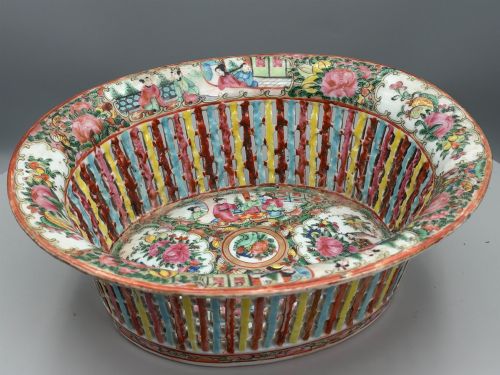
- Having an openwork basketry pattern formed in the clay before firing. This intricate technique demonstrates advanced potting skill.
Chinese Export Ceramics: Frequently Asked Questions
What are Chinese export ceramics?
These are porcelain and pottery pieces manufactured in China specifically for export to Western markets, primarily during the Ming and Qing dynasties.
They combine traditional Eastern manufacturing techniques with shapes and decorative motifs tailored to European tastes.
How were these vessels used historically?
Many items served practical dining and domestic functions, such as punch bowls, tea caddies, plates, and jugs for wealthy households.
Others were purely decorative display pieces, intended to showcase the owner's wealth and global connections in formal reception rooms.
How do I care for antique porcelain?
Keep delicate pieces out of direct sunlight and away from areas prone to rapid temperature fluctuations to protect fragile enamels and gilding.
Wash them by hand in lukewarm water using mild soap when necessary, avoiding dishwashers and harsh scrubbers entirely.
How can I tell different periods apart?
Stylistic shifts in palette, such as the emergence of famille rose enamels in the eighteenth century, help establish chronological benchmarks.
Examining the foot rim, clay body density, and style of brushwork also assists in distinguishing Kangxi wares from later nineteenth-century interpretations.