
Chinese Export Porcelain Dish
A chinese export porcelain dish brings centuries of trade history and painted artistry directly onto a modern table.
Chinese Export Porcelain Dish
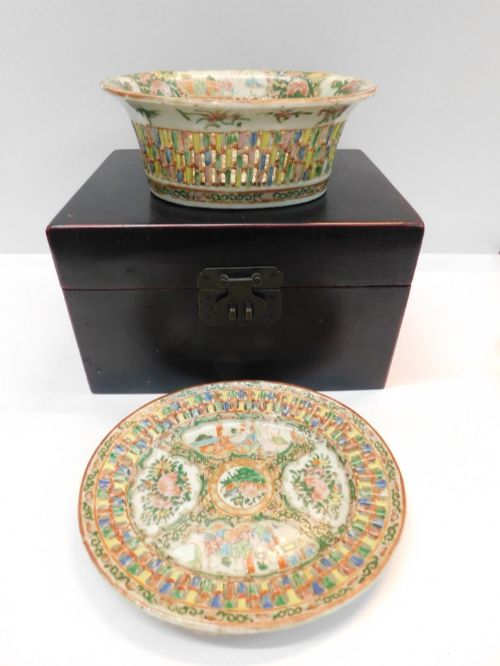
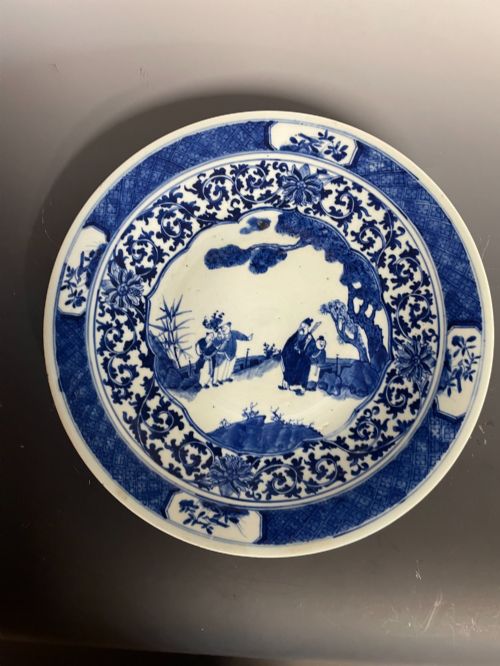
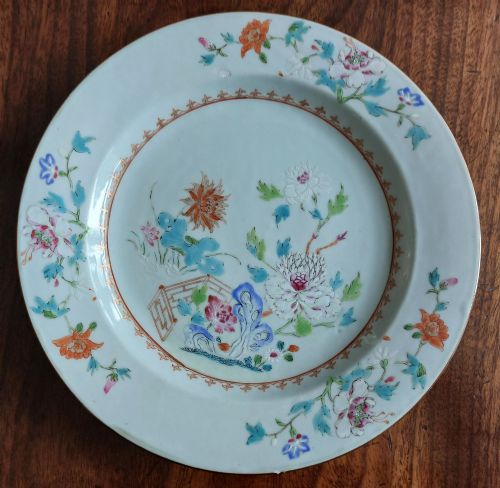
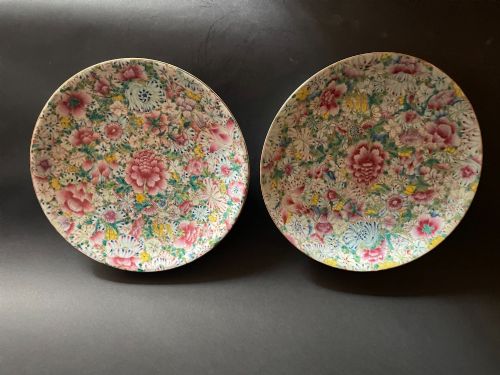
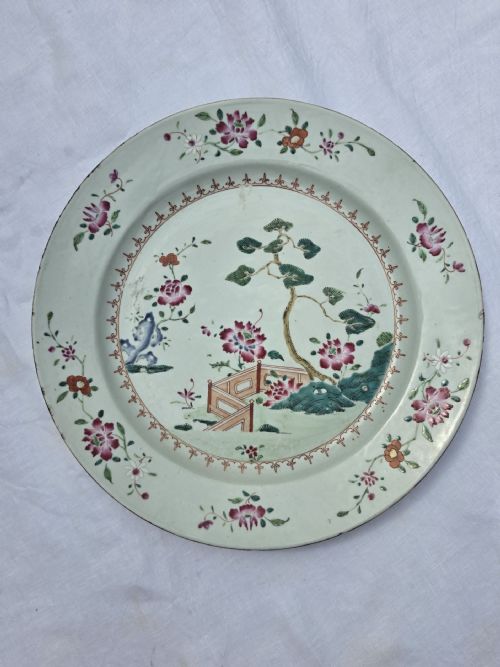
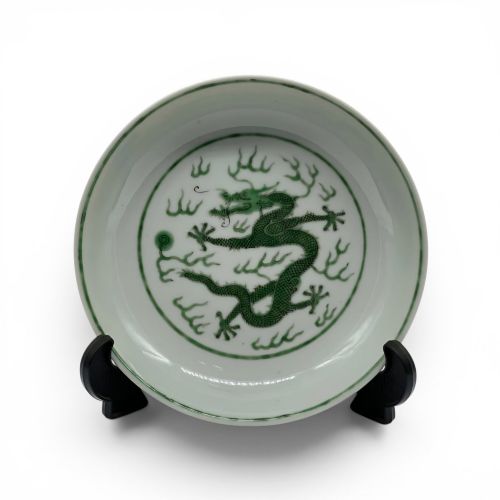
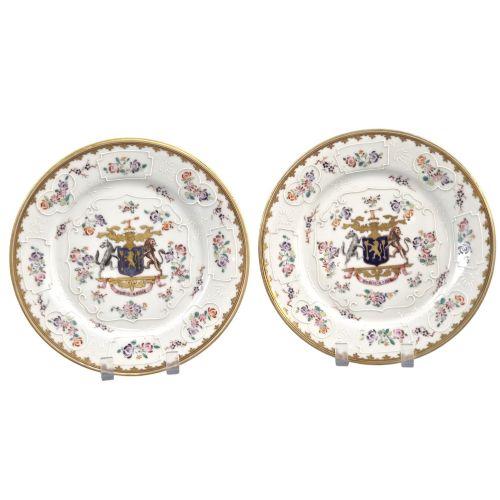
A chinese export porcelain dish represents wares made in China specifically for western markets across several dynasties and centuries. These items take many forms, appearing as chargers, platters, deep saucer-dishes, and decorative plates.
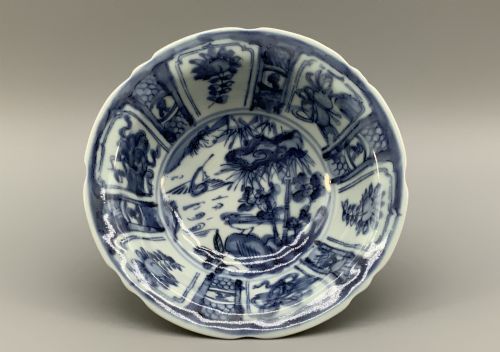
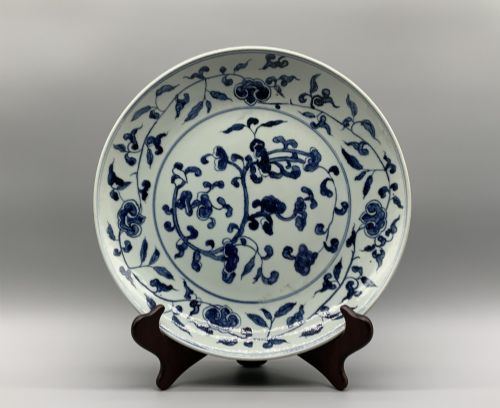
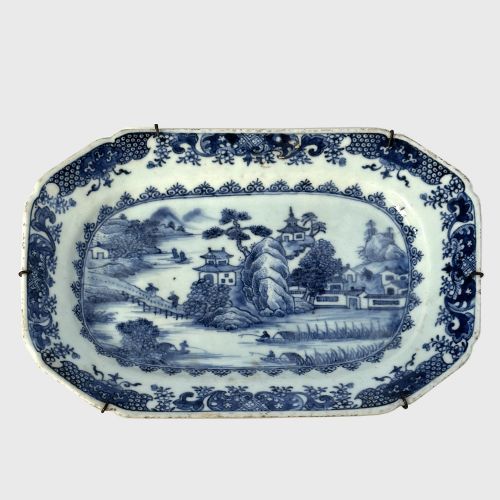
The selections span from early Ming Dynasty Swatow pieces and Kangxi period blue and white wares to later Qing Dynasty Canton and Famille Rose creations. Most examples encountered here date from the eighteenth and nineteenth centuries.
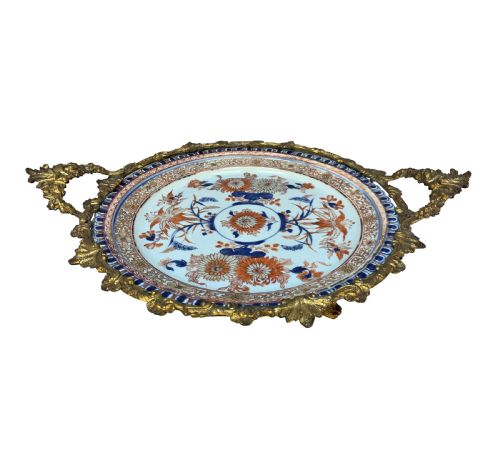
Makers produced these functional and decorative pieces using hard-paste porcelain, often applying intricate enamel palettes and cobalt underglaze. European workshops occasionally added metal mounts or supplemental overglaze decoration to suit local tastes.
How they were made
Potters utilised hard-paste porcelain formed from petuntse and kaolin, fired at high temperatures to create a dense, vitrified body. Cobalt glaze applied beneath the clear surface produced the durable blue and white patterns seen on early chargers and bowls.
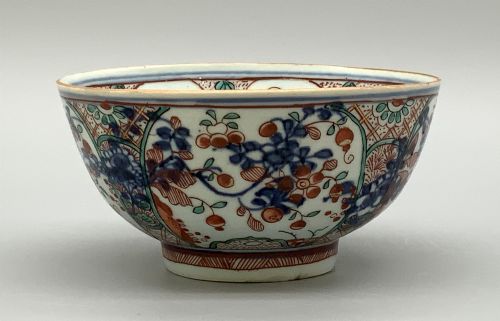
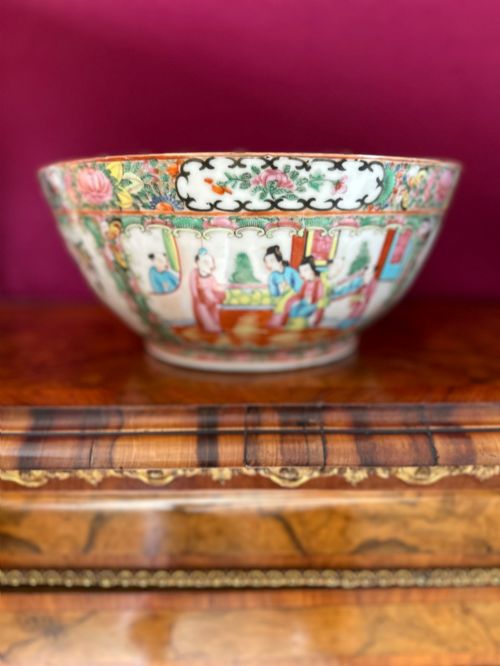
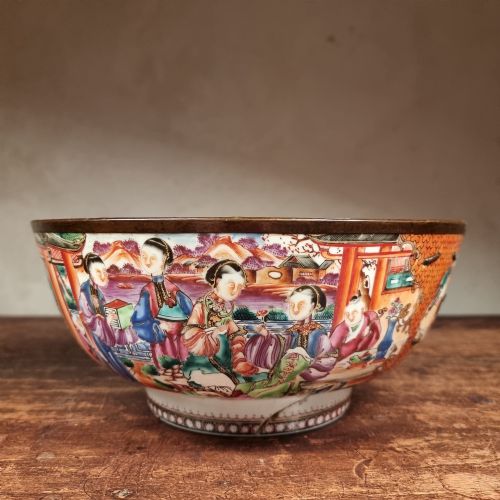
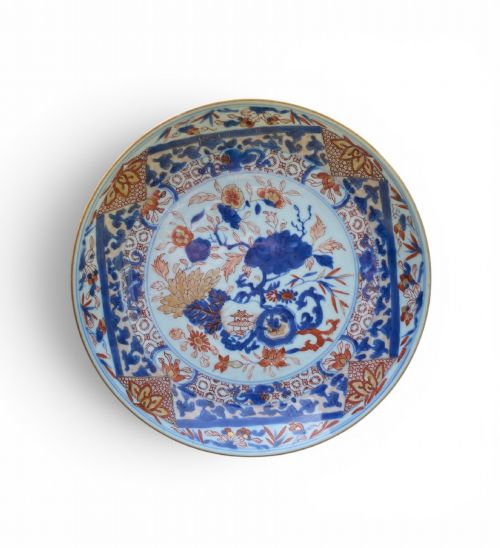
Enamel colours, gold leaf, and gilding were added in subsequent low-temperature enamel firings for palettes like Famille Rose and Chinese Imari. Artisans painted motifs by hand, resulting in nuanced variations across plates, platters, and pedestal dishes.
Chinese Export Porcelain Dish Retail Price Guide 2026
Typical asking prices for chinese export porcelain dish among the pieces listed under this phrase on Sellingantiques today, from the lower quarter to the upper quarter. They describe what is for sale here now, not the wider market.
Listings feature hard-paste porcelain items spanning the 17th Century to the Victorian era, utilising cobalt glaze, enamel, and gold leaf.
What varies in quality
The crispness and depth of the cobalt underglaze or the precision of the hand-painted enamel brushwork distinguish finer examples from standard production wares. Imperial-style commissions and pieces with well-executed armorial or figurerative designs demonstrate superior craftsmanship.
The condition of the glaze, the stability of any ormolu mounts, and the preservation of delicate gilding or gold leaf influence the overall integrity of a dish. Early forms, such as Ming Dynasty Swatow pieces or Kangxi period plates, derive significance from their age and potting characteristics.
C J Mason
The Chinese Export Porcelain Dish Glossary
- Hard-paste porcelain
- A dense, vitrified ceramic made from kaolin and petuntse fired at extremely high temperatures. This material forms the durable white body of export wares.
- Cobalt underglaze
- A blue pigment applied to the raw porcelain body before glazing and firing. It produces deep blue designs that withstand high kiln temperatures.
- Famille rose
- A palette of opaque enamels dominated by pink or rose colours introduced during the Qing Dynasty. Artisans used these tones to depict floral and figurative scenes.
- Chinese imari
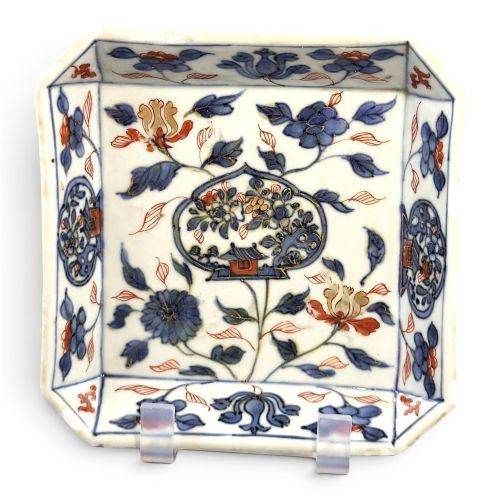
- A style combining underglaze blue with iron-red and gold enamels over the glaze. This decorative approach mimics Japanese porcelain patterns popular in European trade.
- Swatow ware
- Coarsely potted Chinese export porcelain from the late Ming Dynasty. These large chargers and bowls often feature spontaneous brushwork under a crackled glaze.
Chinese Export Porcelain Dish: Frequently Asked Questions
How were these dishes used originally?
These pieces served practical dining functions in European households, holding food or displaying fruit and sweetmeats at formal meals. Platters and chargers accommodated large joints of meat or served as decorative centerpieces on dining tables.
Over time, many dishes transitioned into purely decorative objects, mounted on walls or displayed in cabinets to showcase exotic trade goods from Asia.
How do I distinguish eighteenth-century pieces from nineteenth-century copies?
Examination of the porcelain body, glaze texture, and enamel characteristics helps reveal the period of manufacture. Eighteenth-century pieces often display thinner potting and softer, more integrated glaze surfaces compared to later nineteenth-century wares.
Palettes also shifted over time, with Kangxi and Qianlong periods featuring distinct cobalt tones and enamel compositions that differ from Victorian-era Canton productions.
What does Chinese Imari mean on a dish?
Chinese Imari refers to export porcelain decorated in China during the Qing Dynasty using a specific colour scheme of underglaze blue, iron-red, and gold. Chinese kilns produced these designs to satisfy European demand for patterns originally imported from the town of Imari in Japan.
These pieces bridge two distinct ceramic traditions, combining Chinese potting techniques with Japanese-inspired motifs requested by western trading companies.
Can I use antique porcelain dishes for serving food?
While these items were originally created for dining, modern use requires careful consideration of their age, glaze stability, and any historical repairs. Historic enamels and soft glazes can be sensitive to acidic foods, modern dishwashers, and cutlery.
Many collectors prefer to exhibit these dishes on stands or wall mounts to preserve the hand-painted surfaces and delicate gold leaf.