




17th Century Chinese Porcelain
These 17th century chinese porcelain vessels, jars and chargers offer collectors remarkable cobalt painted detail spanning the Ming and Qing dynasties.
What 17th Century Chinese Porcelain Is
Buyers seeking 17th century chinese porcelain encounter chargers, desk accessories, vases and jars, ceramic vessels, bowls, incense burners, pitchers and jugs, and decorative vessels. The pieces originate from the Ming Dynasty and the Qing Dynasty, particularly the Kangxi Period.
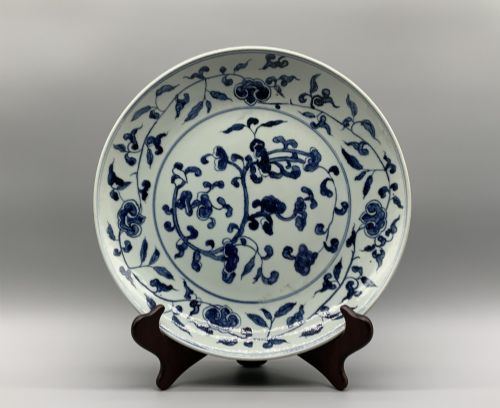
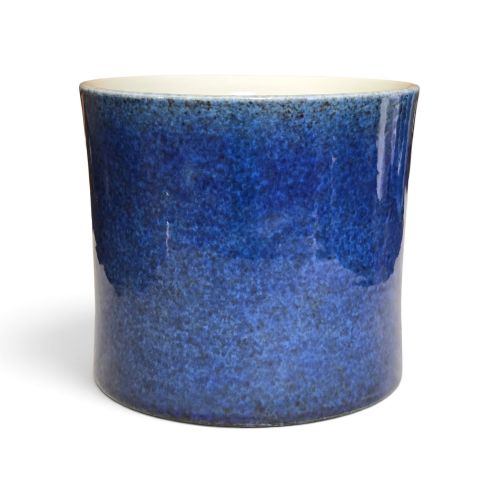
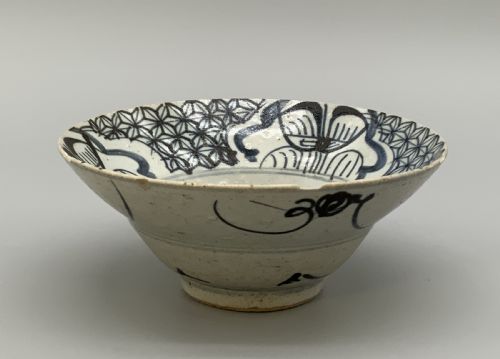
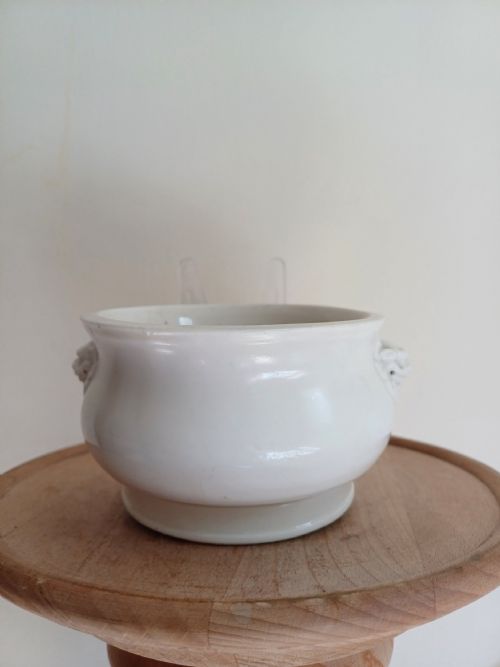
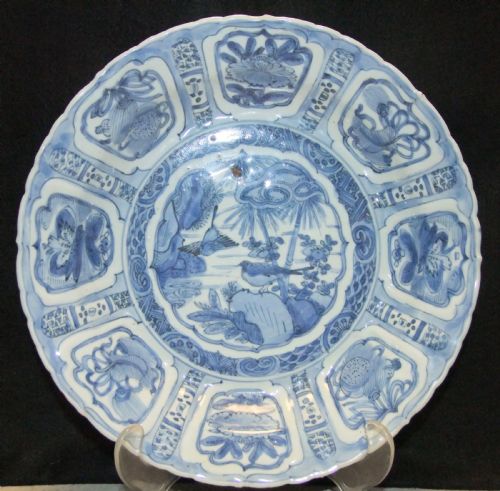
The selection on this page includes large blue and white porcelain chargers, scholar's brush pots, ovid jars and covers, kendis, Swatow bowls, blanc de chine censers, wine ewers, and lidded bottles. These items bridge late Ming production and the height of Kangxi manufacturing.
The objects reflect trade, scholarly pursuits, and ritual use during a turbulent and artistically rich era in Chinese ceramic history. Surviving examples demonstrate the versatility of kilns producing utilitarian and decorative wares for domestic and export markets.
How They Were Made
Potters used porcelain bodies finished with glazes, cobalt glaze, cobalt underglaze, enamel, and cobalt pigment. The application of cobalt pigment beneath the glaze created the characteristic blue and white schemes seen on chargers, jars, and bottles.
Monochrome items like the blanc de chine censers relied on the interaction between a fine white porcelain body and a clear or slightly ivory glaze. Artisans shaped these vessels by hand or on the wheel before firing them at high temperatures in kiln environments.
Retail Price Guide 2026
Typical UK retail prices for 17th century chinese porcelain, calculated from the Sellingantiques database of over a million retail prices indexed since 2003. This retail price guide relies exclusively on Sellingantiques data; no external sources or auction records are used, so the figures do not describe the wider market.
Listings feature porcelain, cobalt glaze, glaze, cobalt underglaze, enamel, and cobalt pigment across Ming and Qing Dynasty periods.
What Varies in Quality
The refinement of the cobalt pigment and the clarity of the underlying glaze separate different tiers of production. Finer pieces display deep, controlled cobalt blue tones without blurring, whereas simpler export wares show rapid brushwork and pooling.
Form and potting thickness dictate the sophistication of an object, from the heavy potting of Swatow bowls to the thin, precise walls of Kangxi period brush pots and bottles. Foot ring finish and control over kiln warping further distinguish standard vessels from exceptional works.
The 17th Century Chinese Porcelain Glossary
- Cobalt Underglaze
- Pigment applied to the unglazed ceramic body before the application of a clear glaze and firing. This technique protects the blue decoration from wear over centuries of handling.
- Blanc de Chine
- A white porcelain produced in Dehua, Fujian province, featuring a glaze that melts into the white body. It is typically used for ritual vessels such as censers.
- Bitong
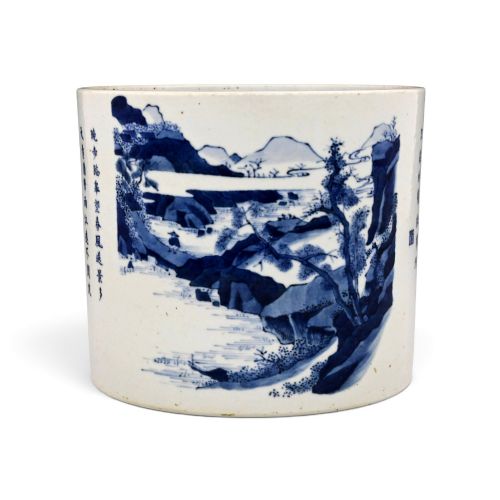
- A cylindrical brush pot used by scholars for holding writing brushes on a desk. Examples from the Kangxi period often feature painted narratives or floral designs.
- Kendi
- A drinking vessel with a spouted neck and globular body, traditionally used for pouring water. These forms developed specific regional variations during the transition between dynasties.
- Swatow
- A term for a class of Chinese export ceramics produced in the late Ming dynasty, often characterised by bold brushwork and sandy bases. These pieces were shipped extensively across Southeast Asia and beyond.
Frequently Asked Questions
What is 17th century chinese porcelain?
It encompasses ceramic vessels, chargers, jars, and scholar's objects made in China during the Ming and Qing dynasties. These items utilise porcelain bodies decorated with cobalt underglaze, enamel, or monochrome glazes.
Production spans the late Ming period through the Kangxi reign, capturing a period of significant technical advancement in imperial and export kilns.
How do I identify a Kangxi period piece?
Kangxi pieces often feature vibrant cobalt blue underglaze decoration, refined potting, and forms such as ovid jars, lidded bottles, and brush pots. Dates typically align with the reign from sixteen sixty-two to seventeen twenty-two.
Examining the base and the depth of the blue pigment helps differentiate these imperial and transitional items from later nineteenth or twentieth-century copies.
What were scholars' brush pots used for?
Bitong, or brush pots, sat on the desks of scholars to hold calligraphy brushes upright. They formed part of the scholar's studio equipment alongside water droppers and inkstones.
Artisans decorated them with landscape scenes, figurative narratives, or floral motifs rendered in cobalt blue underglaze.
How should I care for antique porcelain?
Display pieces away from direct sunlight and areas subject to sudden temperature fluctuations. Dust them gently with a soft, dry cloth without applying liquid cleaners.
Ensure stability on flat surfaces, especially for top-heavy forms like bottles and jars, to prevent tipping and rim damage.