
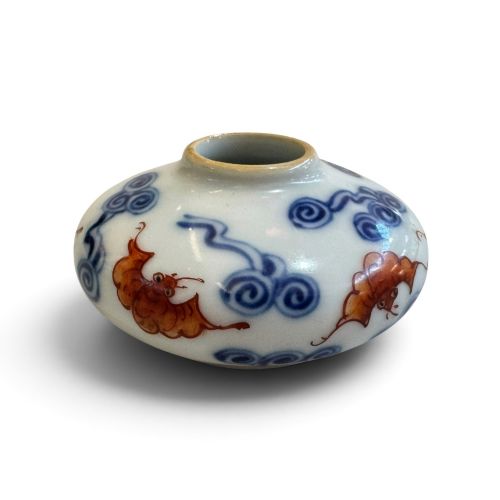
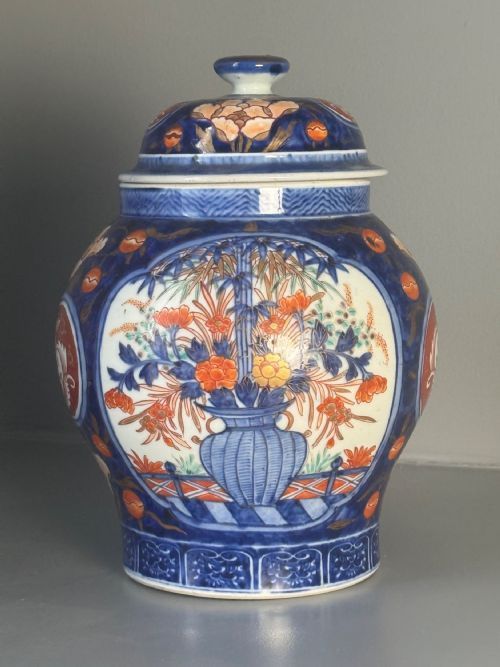
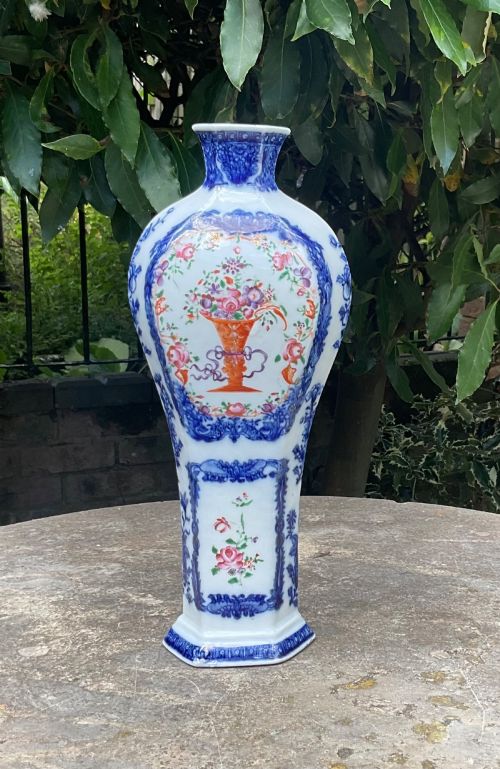
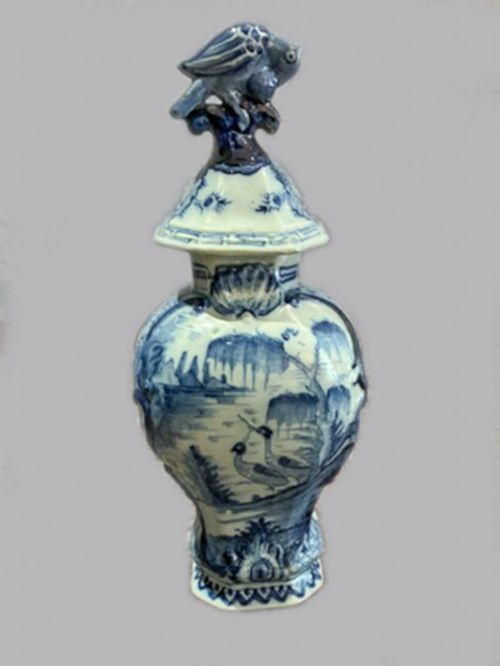
Blue White Ceramic Jar
These pieces of blue white ceramic jar span centuries of domestic display and apothecary storage, prized for cobalt pigments and tin glazes.
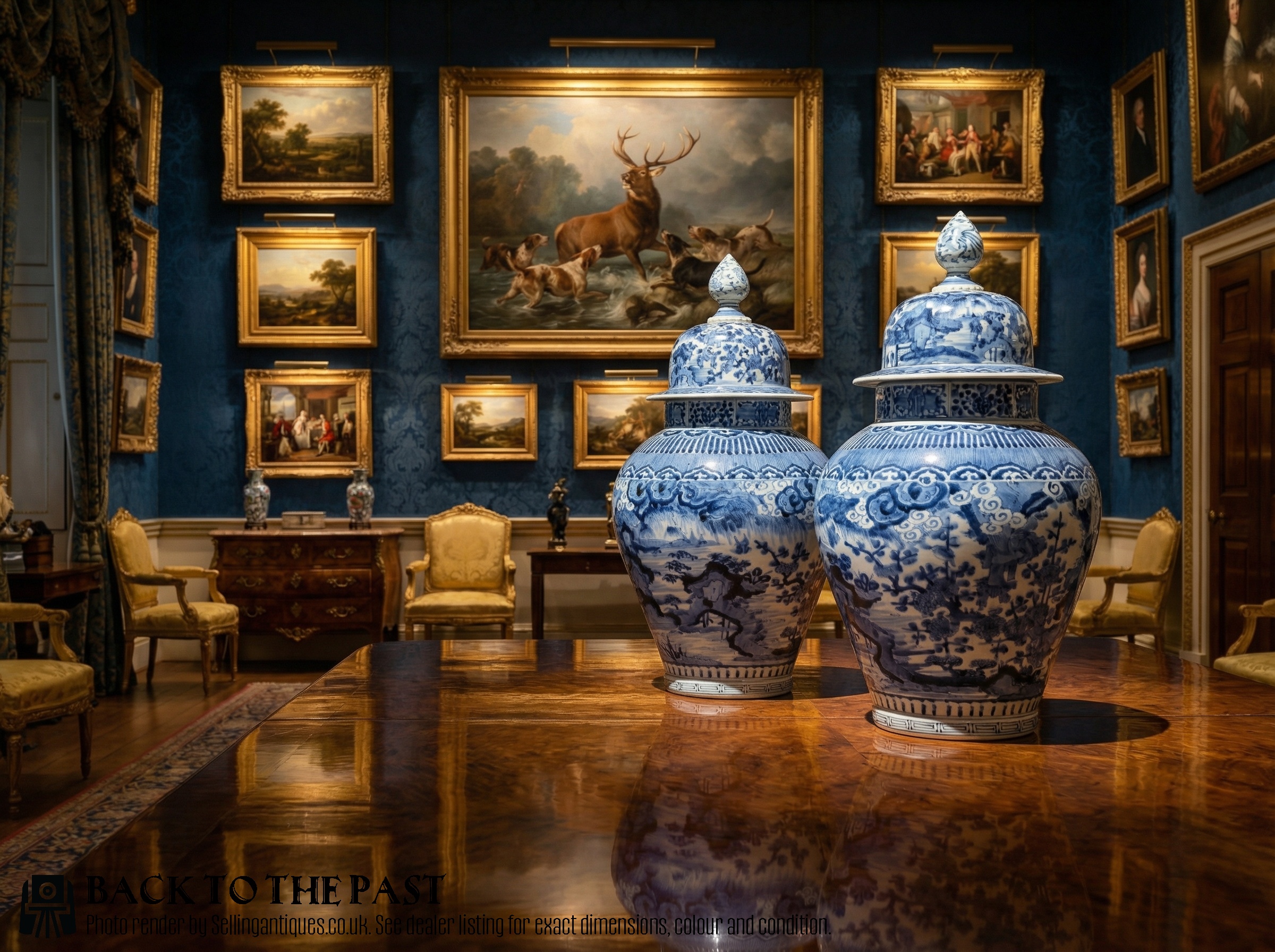
Blue White Ceramic Jar
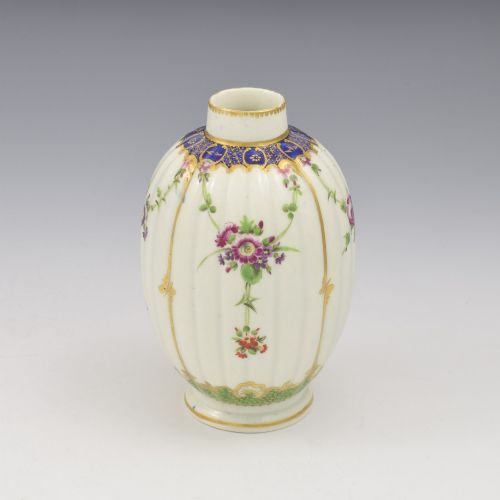
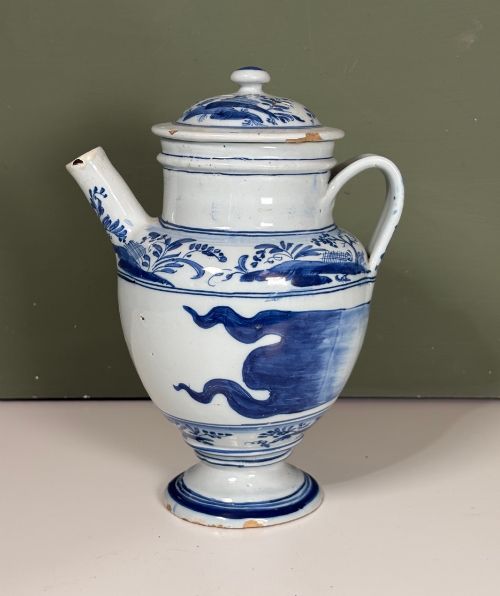
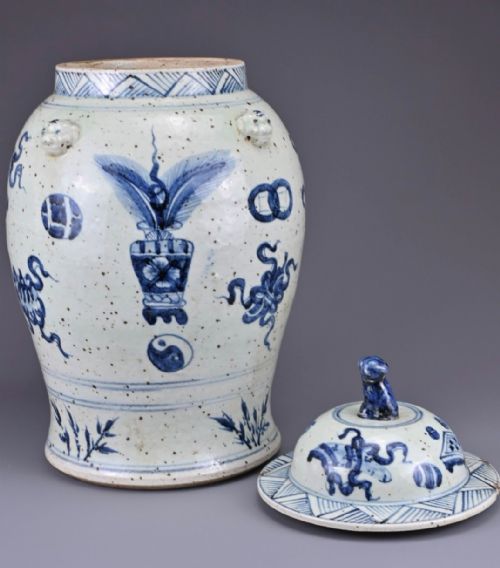
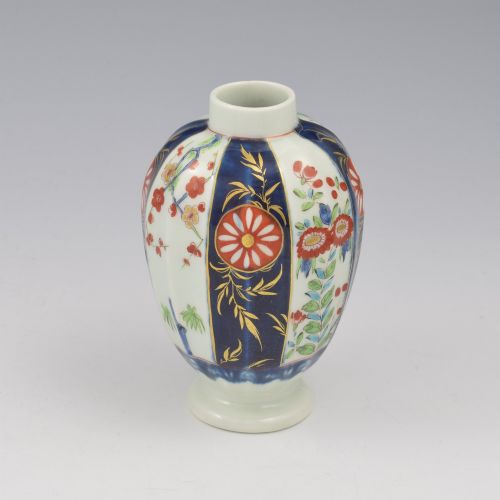
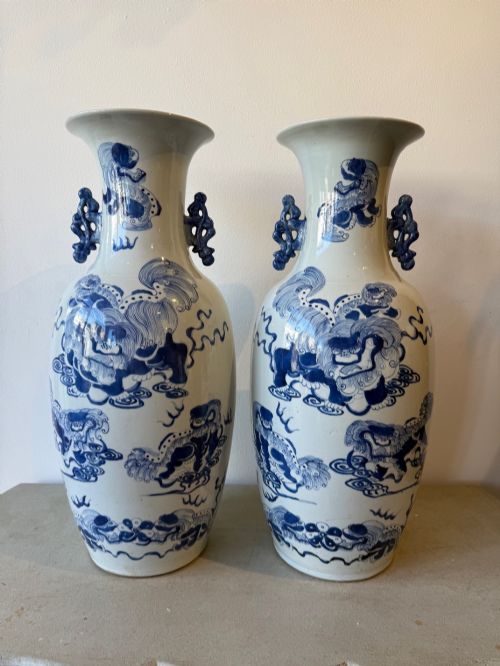
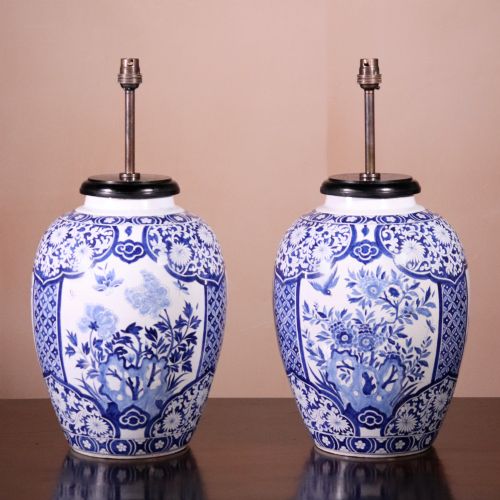
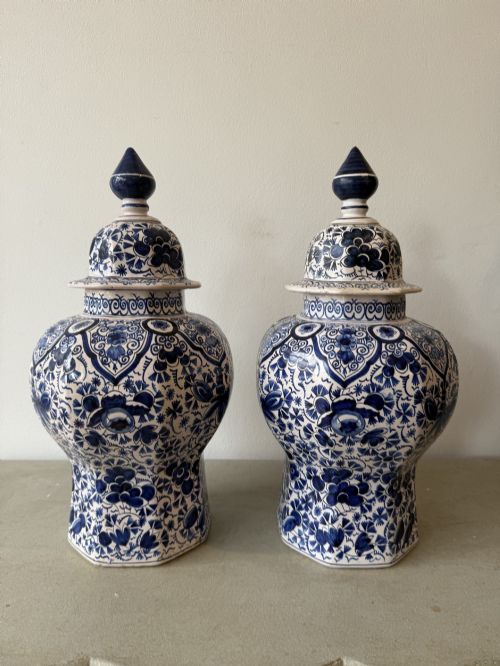
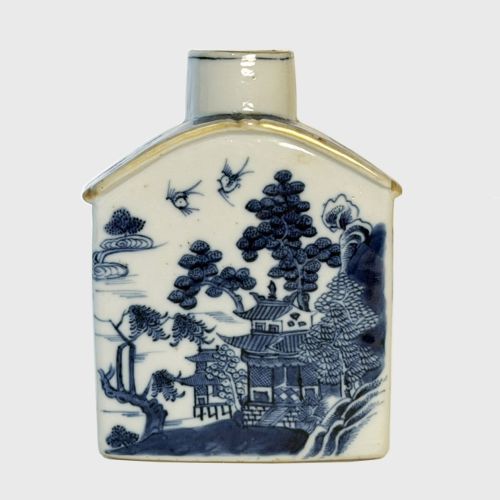
When someone searches for a blue white ceramic jar, they are looking at vessels originating from European delftware potteries, English earthenware kilns, and Chinese export kilns. The forms vary from pharmacy albarelli and drug jars to lidded ginger jars and tea caddies.
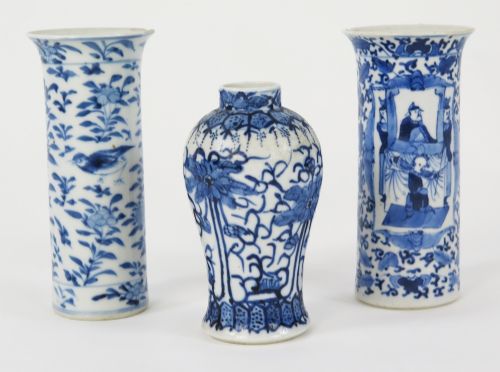
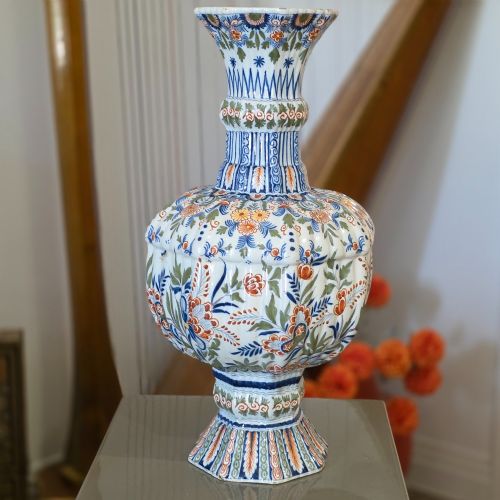
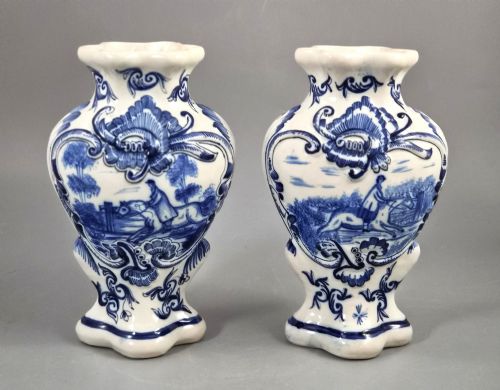
The versions most commonly met on this page include eighteenth-century Dutch and English delftware containers, alongside nineteenth-century Chinese porcelain vessels and French faience pieces. These items served practical roles in apothecary shops and households before becoming decorative objects.
The selection encompasses diverse styles such as Chinese Qing Dynasty designs, Dutch Baroque, and Chinoiserie interpretations. Each piece demonstrates the enduring cross-cultural exchange of cobalt decoration upon a white ceramic ground.
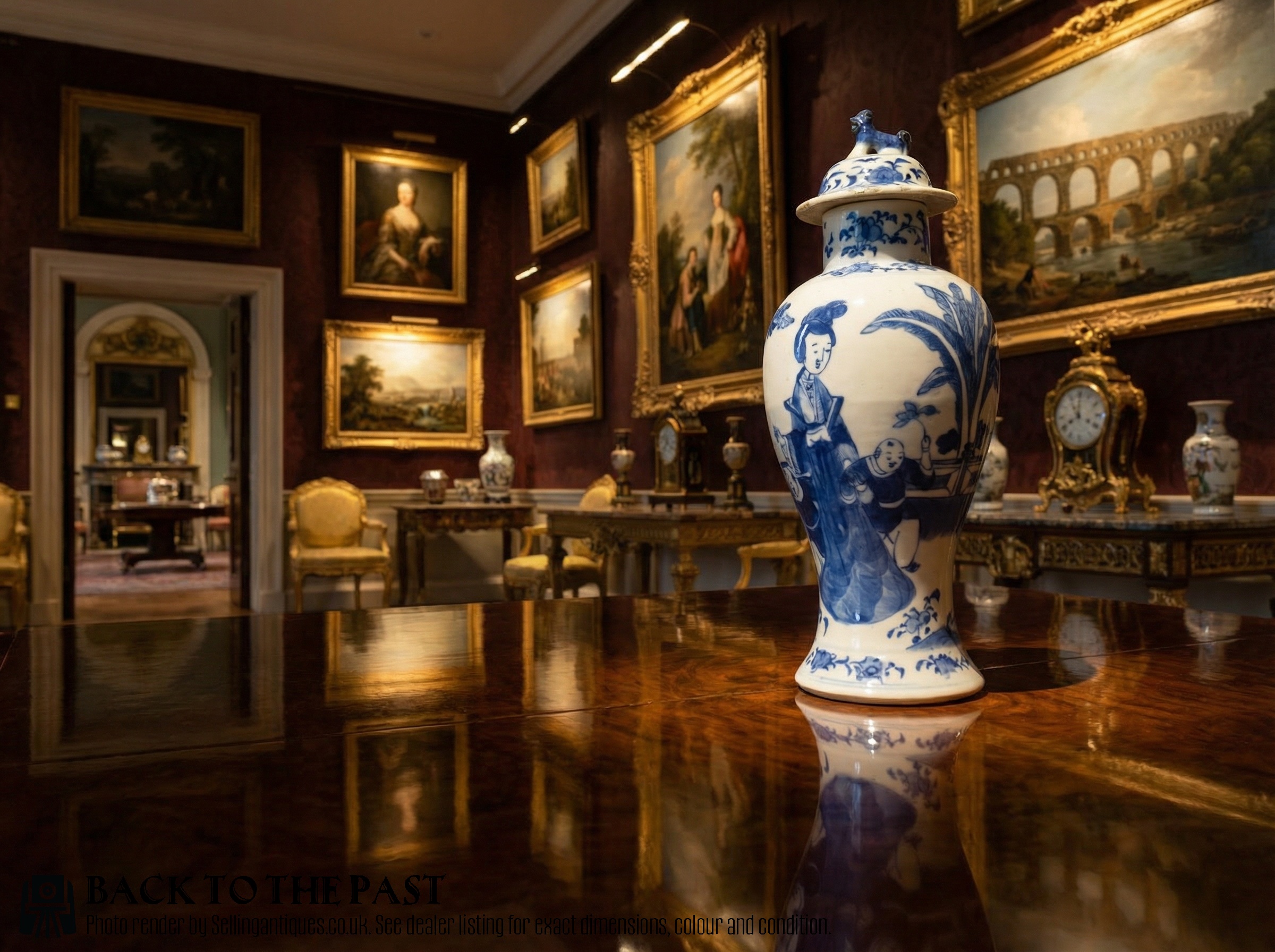
How they were made
Potters shaped these vessels from clay bodies including soft-paste porcelain, earthenware, and ironstone before applying tin glazes or clear lead glazes. The primary colour comes from cobalt pigment, painted directly onto the unfired glaze or biscuit body.
High-temperature firing in kilns fused the cobalt into the tin glaze, creating the characteristic blurred or sharp blue motifs seen across eighteenth and nineteenth-century examples. Artisans often added clear protective topcoats to enhance durability and gloss.
Blue White Ceramic Jar Retail Price Guide 2026
Typical asking prices for blue white ceramic jar among the pieces listed under this phrase on Sellingantiques today, from the lower quarter to the upper quarter. They describe what is for sale here now, not the wider market.
Listings feature periods spanning from the seventeenth century through to the Edwardian era, predominantly utilising porcelain, earthenware, and tin glazes.
What varies in quality
The hierarchy of quality rests upon the precision of the cobalt painting and the purity of the white ceramic ground. Hand-painted brushwork executed with fluid control distinguishes master workshops from standard production items.
Historical age and the survival of matching lids or covers significantly influence the standing of an individual piece. Early seventeenth-century specimens and intact apothecary jars with legible drug labels represent the higher tiers of desirability.
Fourmaintraux-Courquin·Makuzu Kozan
The Blue White Ceramic Jar Glossary
- Albarello
- A type of majolica earthenware jar used by apothecaries to store ointments and dry drugs. These vessels typically feature an incurved waist for easy gripping during dispensary work.
- Tin-Glaze
- An opaque white ceramic glaze containing tin oxide, providing a smooth surface for painting in cobalt blue. This technique defines European delftware and Italian majolica.
- Cobalt Pigment
- A metallic oxide colourant that turns deep blue when subjected to high kiln temperatures. It remains stable under intense heat, making it ideal for underglaze decoration.
- Chinoiserie
- European artistic interpretations of Chinese decorative motifs, popular during the seventeenth and eighteenth centuries. Artisans applied these whimsical scenes to local earthenware and porcelain.
- Baluster
- A jar shape characterised by a rounded body that tapers toward a narrow base and neck. This classical profile frequently appears on seventeenth and eighteenth-century storage vessels.
Blue White Ceramic Jar: Frequently Asked Questions
How do I date a delft jar?
Dating relies on examining the tin glaze composition, foot rim characteristics, and the style of the cobalt painting. Earlier pieces often display thinner glazes with slight crazing and distinct pigment pooling.
Changes in shape from bulbous seventeenth-century forms to slender nineteenth-century proportions also help establish the manufacturing period.
Were apothecary jars used for medicine?
Apothecary jars held medicinal herbs, wet syrups, and dry powders in historic dispensaries and pharmacies. Their painted labels identified the specific contents for the apothecary.
Over time, these utilitarian vessels transitioned into decorative display items prized for their historical inscriptions.
How do I display these jars safely?
Displaying these ceramics requires stable shelving away from direct sunlight and high-traffic areas where accidental knocks might occur. Placing them on flat, level surfaces protects their fragile rims and foot rings.
Lidded pieces benefit from securing the cover with museum putty if placed in earthquake zones or busy rooms.
What is the difference between porcelain and earthenware?
Porcelain is fired at extremely high temperatures, resulting in a vitrified, non-porous body that rings when struck. Earthenware is a softer, porous ceramic fired at lower temperatures and coated in an opaque glaze.
Tin-glazed earthenware, or delftware, relies on its surface glaze to seal the porous clay body underneath.